
Best Winter Tires for 2026/2027: 6 Strong Choices for Canadian Drivers
 Matt St-Pierre

Choosing the right winter tire depends on where you drive, the conditions you encounter and the type of vehicle you own. Here are six noteworthy options for the 2026/2027 winter season.
Newer tires from Bridgestone and well-established models from Nokian and Michelin deliver excellent winter performance.
Premium models generally provide more consistent ice braking, snow traction, and cold-weather handling.
Shopping early (like now) improves your chances of finding the correct size and qualifying for manufacturer rebates.
Winter may still feel distant, but tire inventories and installation appointments are already disappearing and will likely be fully booked once temperatures begin falling, never mind after the first snowfall. Calling the tire shop now will reduce stress and give drivers time to compare products instead of buying whatever remains available sometime in late November.
Winter tires become particularly important when temperatures drop to and remain below approximately 7°C. Their softer compounds are designed to retain flexibility in cold conditions, while their tread blocks, grooves and sipes help manage snow, slush, water and ice.
Price alone does not determine performance, however, established premium tires generally offer a better balance of braking, steering response, noise, efficiency, and tread life. The right choice should ultimately reflect the vehicle, driving performance expectations, and typical winter conditions.
6 Winter Tires to Consider for 2026/2027
Bridgestone Blizzak IcePeak
Best for: Severe and unpredictable winter conditions (EV ready)
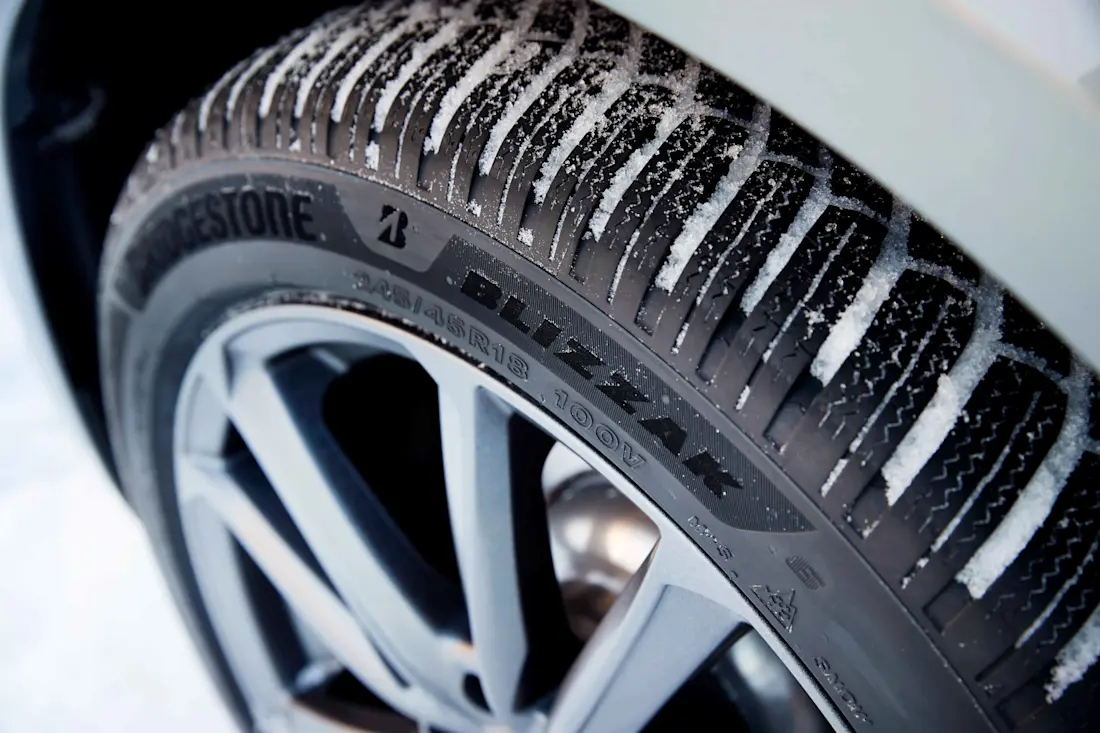
The Blizzak IcePeak is Bridgestone’s latest premium studless winter tire and a more current recommendation than the long-running WS90 and SUV-oriented DM-V2, which remain excellent options. One main difference between the IcePeak and the others is Bridgestone’s ENLITEN technology, designed to increase the tire’s longevity and improve energy efficiency, ideal for EVs.
Its multi-cell compound is engineered to manage the thin layer of water that can form between the tire and an icy surface. The IcePeak, offered for cars, crossovers, SUVs, minivans, and certain light trucks, also carries the newer Ice Grip symbol in some sizes, in addition to the familiar three-peak mountain snowflake (3PMSF) rating. It is a strong all-purpose tire for snow, ice, and changing winter surfaces.
Michelin X-Ice Snow
Best for: Drivers prioritizing comfort and long-term performance (EV ready)
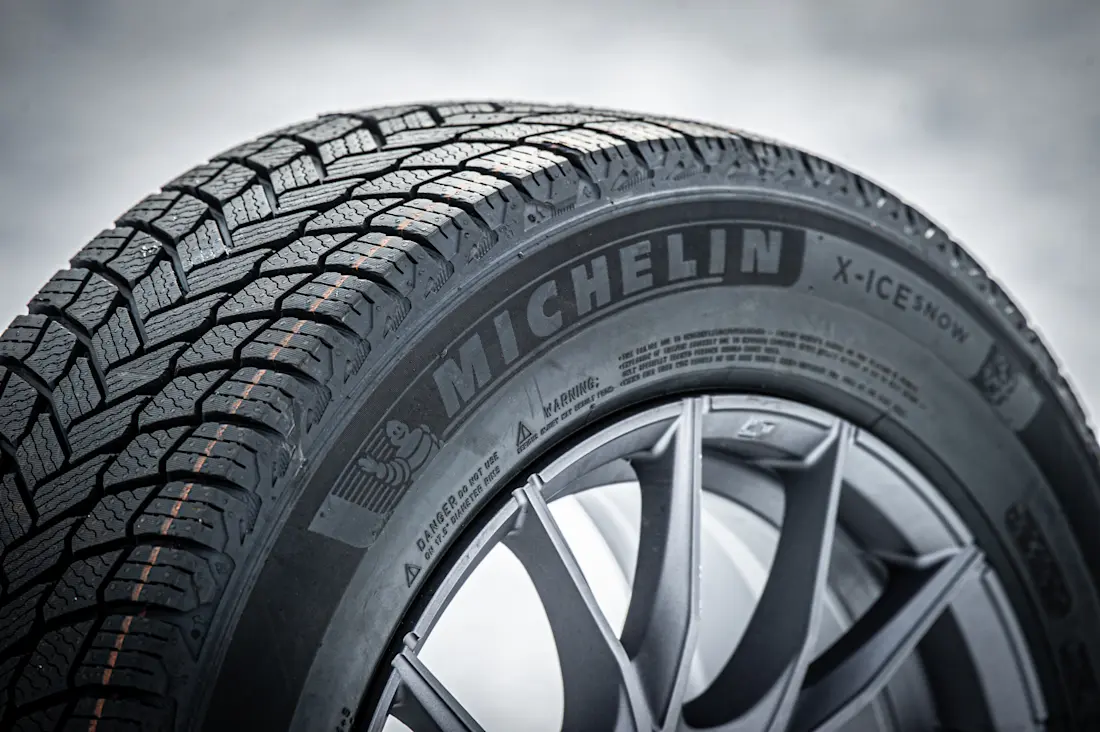
The Michelin X-Ice Snow is a top choice for drivers who cover considerable winter mileage. It is designed for passenger cars, crossovers, SUVs, pickups and EVs, with an emphasis on predictable ice and snow traction throughout its service life. Its comparatively quiet ride and controlled highway behaviour make it particularly appealing for both daily and long-distance commuters. The tire is also engineered to limit rolling resistance, an advantage for both gasoline-powered and electric vehicles. The tire’s aggressive V-shaped tread and wider grooves help channel water, snow, and slush away more effectively, reducing the potential for hydroplaning.
Nokian Hakkapeliitta R5, R5 SUV, and R5 EV
Best for: Ice, packed snow and colder regions (EV ready)
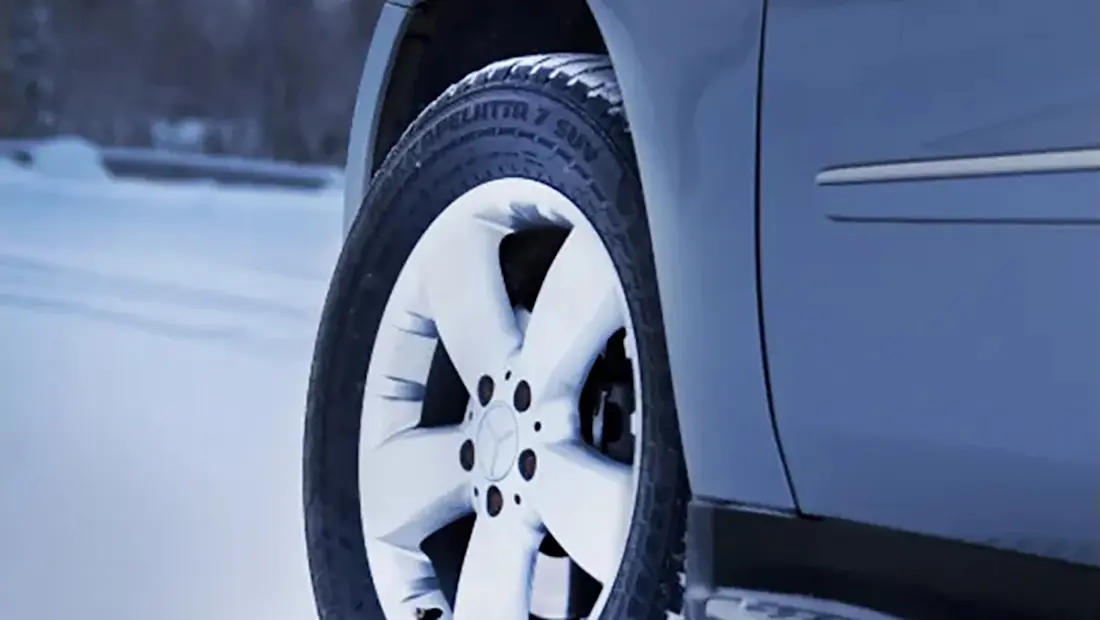
Nokian’s Hakkapeliitta family remains one of the most legendary, winter-focused tire choices in Canada. The R5’s tread compound incorporates microscopic grip particles intended to improve braking and cornering on ice without using metal studs. These particles emerge as the tire wears out, helping maintain grip and control as the kilometres pile on.
The R5 SUV receives additional sidewall reinforcement for heavier vehicles, while the R5 EV is designed around the weight, torque and noise characteristics (or lack thereof) of electric and hybrid models. This family is especially well suited to drivers who regularly encounter secondary roads, packed snow or persistent ice. The R5 SUV also qualifies for the Ice Grip symbol.
Continental VikingContact 8
Best for: Mixed city, highway, snow and slush driving (EV ready)

The VikingContact 8 replaces the VikingContact 7 as Continental’s principal studless winter offering. It delivers a balanced combination of snow traction, wet-road braking, ice performance, and cold-pavement stability.
Continental also designed the tire with rolling resistance and energy consumption in mind, making it suitable for gasoline, hybrid and electric vehicles. In addition to its advanced pattern designed to reduce road noise, the VikingContact 8 carries both the three-peak mountain snowflake and Ice Grip certifications in applicable sizes. This is a particularly versatile option for drivers who encounter cleared highways, wet city streets, and snow-covered residential roads during the same commute, or at any point during the winter season.
Yokohama iceGUARD iG53 and G075
Best for: Quiet, efficient winter performance across several vehicle categories
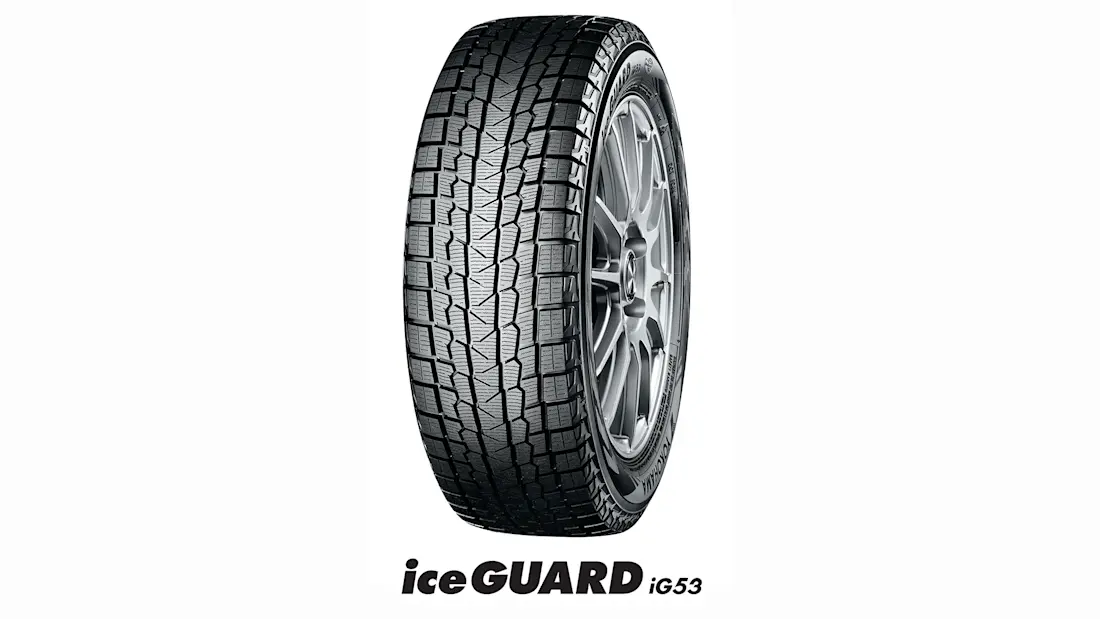
Yokohama offers two noteworthy versions of its iceGUARD winter tire. Despite being slightly older than the others, the iG53 remains a good, affordable option. It is designed primarily for passenger cars, crossovers and minivans, while the G075 serves larger crossovers, SUVs, and light trucks.
Both use a directional tread pattern with zigzag grooves, three-dimensional sipes, and numerous biting edges to improve traction on snow and ice while helping reduce rolling resistance. The iG53’s tread compound helps disperse the thin layer of water that can form between the tire and an icy surface. The G075 uses a reinforced, high-density compound to improve stability, road contact, and wear under heavier vehicles.
Together, the iG53 and G075 provide a balanced combination of winter traction, predictable handling, ride comfort and durability.
Toyo Observe GSi-6 and GSi-6 LS
Best for: Snow, slush and overall value
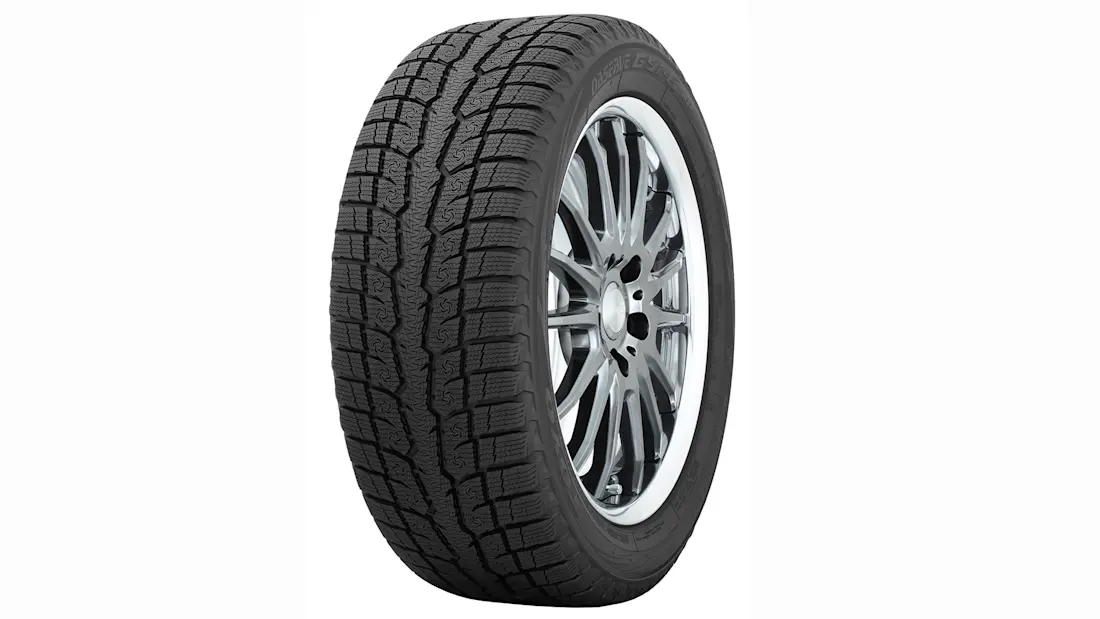
Like the Yokohama tires, the Observe GSi-6 remains a credible alternative for drivers seeking dependable winter performance without necessarily moving to the highest price tier. The standard version covers numerous passenger-car applications, while the GSi-6 LS is intended for crossovers and SUVs.
Its directional tread is designed to evacuate water and slush while providing numerous biting edges for packed snow. It is engineered to be quiet and wear-resistant. Although it may not deliver the same level of ice refinement as the latest premium models, its combination of affordability, durability and winter capability keeps it quite relevant.
What Should You Expect to Pay for Winter Tires in Canada?
Canadian pricing for winter tires varies considerably by size, load rating, speed rating, and retailer. As a general market snapshot, premium tires in the commonly used 225/65R17 size currently cost approximately $220 to $280 each. In the SUV/crossover-oriented 235/60R18 size, expect approximately $260 to $330 per tire.
These figures exclude taxes, installation, balancing, valve hardware (including tire pressure monitoring), and possible tire-recycling fees. The numbers should only be used as a guide.
Fall rebates can reduce the cost of a set. Several 2026 promotions offer savings of approximately $100 or slightly more on the purchase of four qualifying tires, although purchase periods, eligible models, and claim requirements vary by manufacturer.
Are You Reinstalling Last Year’s Winter Tires?
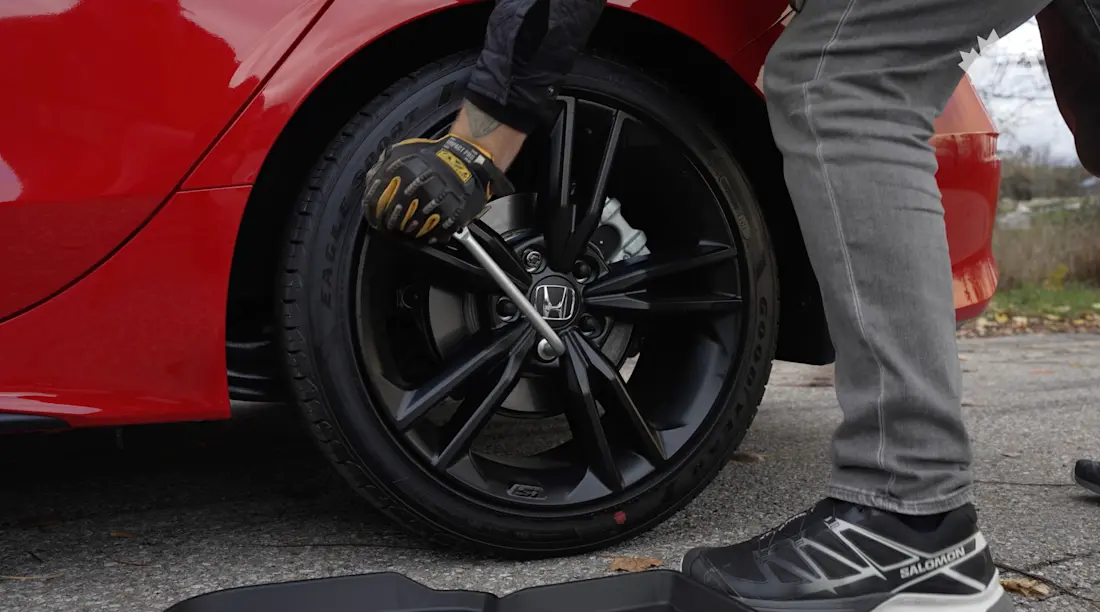
If reinstalling a current set of winter tires, a tread depth check and overall inspection should be performed. Recommendations typically state that a winter tire should show at least 4.8 mm or 6/32 inch of tread depth across the tread for better winter traction. Tires should be inspected for cracking, uneven wear, punctures, and age before installation.
If curious about the tire’s age, it can be found on the sidewall in a code starting with “DOT” and ending in four numbers (for example, 2318 means it was made in the 23rd week of 2018). Most tires will remain “good” for six to 10 years.
Finally, in some provinces, such as Quebec, four compliant winter tires are mandatory on most passenger vehicles registered in the province for a prescribed duration. In Québec, they are required from December 1 through March 15, inclusively.
No winter tire can overcome excessive speed or limited visibility, so always drive according to the conditions. Nevertheless, choosing a properly fitted tire suited to local conditions remains one of the most effective ways to improve braking, steering, and overall control throughout a Canadian winter, and even if you have all-wheel drive (AWD), winter tires are still a must.

All Articles
See all
Uneven Tire Wear: Common Causes, Warning Signs and How to Fix It
Uneven tire wear almost always traces back to one of four things:

The Higher Costs of Owning a Car and What You Can Do About It
Why car ownership costs are rising and tips on how to cope.
 John LeBlanc

Hyundai IONIQ 5 Reliability, Common Problems and Maintenance Guide
Learn about Hyundai IONIQ 5 reliability, including common problems, maintenance needs and expected ownership costs.