
The Higher Costs of Owning a Car and What You Can Do About It
 John LeBlanc

Canadian car buyers are under pressure. With recent price increases and the end of zero per cent financing, many are either putting off buying a new car or discovering they can no longer afford one.
It is no surprise, then, that over 75 per cent of Canadians say their monthly vehicle costs exceed what they can afford.
In addition to higher purchase costs, rising car fees for insurance, regular maintenance, and fuel also contribute to the higher cost of owning a new vehicle.
Insuring Your Car
One of the main reasons owning a vehicle costs more is the higher cost of protecting them. In mid-2026, personal automobile insurance rates in Canada increased by about 6 to 21 per cent from 2025, with the exact figure varying by province.
Alberta motorists are the hardest hit with an annual increase of 22.6 per cent; the Atlantic provinces (which include New Brunswick, Nova Scotia, Prince Edward Island and Newfoundland and Labrador) experienced a rise of 9.4 per cent, while Ontario saw an increase of 7 per cent and Quebec had a small rise of 0.9 per cent.
In some provinces, like Ontario, recent regulatory changes have split some automatic coverages into optional extra features, meaning drivers must either accept possible gaps in coverage or pay extra to maintain the same level of protection.
Increasing car insurance prices isn't only due to where you live. In recent years, because vehicle theft has become so costly, insurance companies have had to raise average premiums to cover their losses.
Repairing Your Car
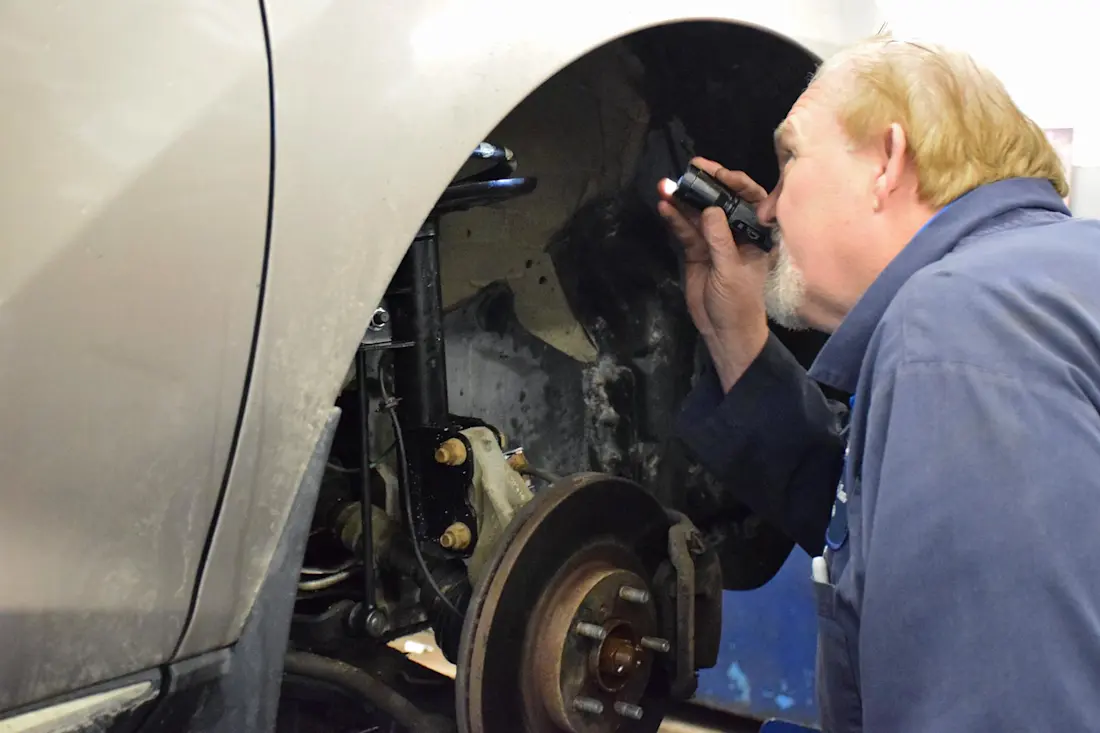
Anyone who has recently had to take their car in for repairs will tell you the bills have gone up as well.
Statistics Canada reports that the cost of parts, maintenance, and repairs for passenger vehicles rose by about 2.9 to 4.2 per cent compared to 2025, building on a total increase in repair costs of more than 22 per cent since the post-pandemic period.
Because modern cars are equipped with expensive computer sensors, cameras, and other advanced technology, even minor collision repairs have now become costly. Most replacement parts are imported and therefore affected by currency fluctuations, international shipping issues, and trade tensions between countries.
In the end, whether you get your insurance company to cover the cost or pay for the repairs yourself, car owners end up paying more.
Maintaining Your Car
Canadian drivers are also finding that vehicle maintenance costs more than ever. The average amount that Canadian drivers pay each month for maintenance increased from around $79 in 2025 to $120 per month in 2026.
How much you pay every year for regular maintenance will depend a great deal on the kind of car you have.
For example, the annual cost of owning a popular compact, such as a Honda Civic or a Toyota Corolla, is about $500 to $1,500. Switch to a more practical compact SUV, like a Honda CR-V or a Toyota RAV4, and your maintenance costs rise to $800 to $1,800. Moving up to a luxurious BMW or Mercedes-Benz would cost even more: between $1,200 and as much as $4,000. Even for a 10-year-old car, you might have to spend between $1,000 and $2,000 to keep it on the road.
Like insurance rates, some auto parts now cost twice as much as they used to. Auto repair shops have also raised labour rates to cope with the rising cost of living and the shortage of skilled technicians.
Today's routine repair jobs have also become more complicated. Replacing a windshield or bumper often requires recalibrating factory-installed cameras, proximity sensors, and driver-assist systems, turning simple mechanical tasks into highly specialized and expensive operations.
Filling Up Your Car
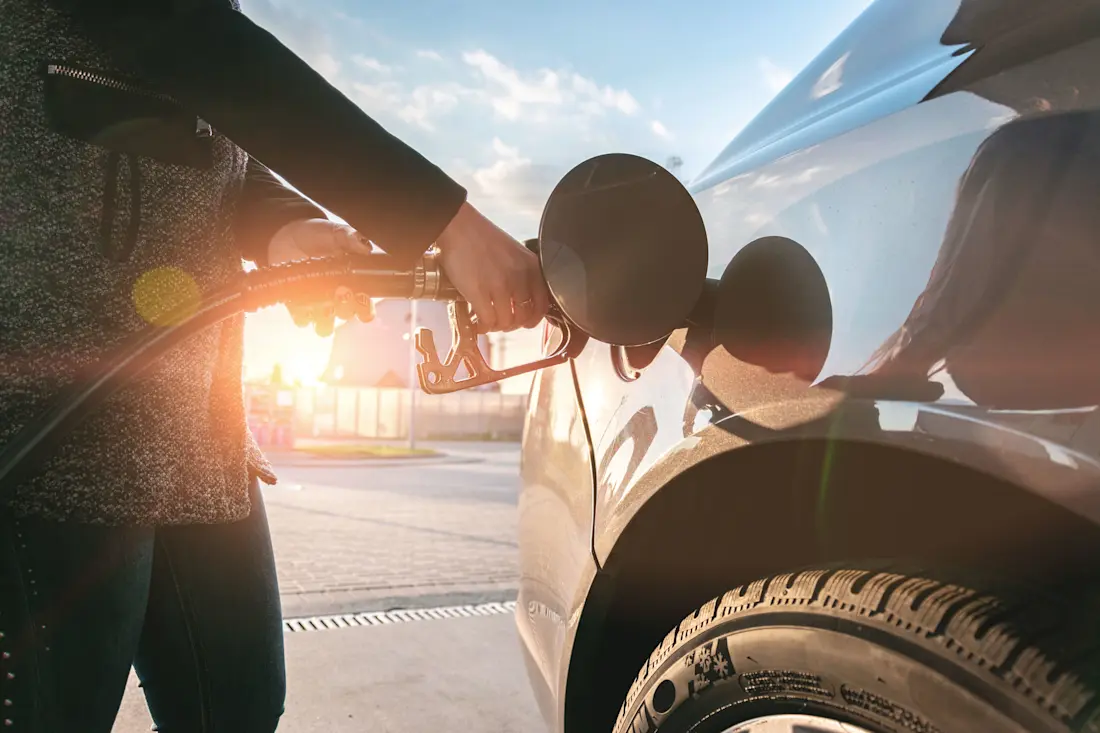
You may be able to secure a reduced rate for your car insurance. Or you might negotiate a better price with your local repair shop or dealer when it's time to have your car maintained. But you can't negotiate fuel prices.
In Canada, fuel prices rose sharply in 2026. By September, the average national price for regular gasoline was nearly $1.80 to $1.83 per litre, although local prices varied widely. In parts of British Columbia like Victoria and Vancouver, drivers are facing severe regional spikes, with prices climbing to around $2.20 per litre.
How Can You Lower the Cost of Owning a Car?
Because of these new financial circumstances, many Canadians are looking for a more economical solution for their car needs. While shopping around for cheaper insurance rates, driving more efficiently to save on gas, and perhaps even taking public transport instead of paying for parking might help, those savings are often minimal.
Another path to consider is the used market, where vehicles cost less to buy, have cheaper insurance, and have lower registration fees.
A used car that is between three and six years old, has less than 100,000 kilometres on the odometer, and costs under $25,000 can make a lot of financial sense for many Canadian buyers. But shopping used can save you money in the long run for many other reasons.
Used Cars Are More Reliable Than Ever
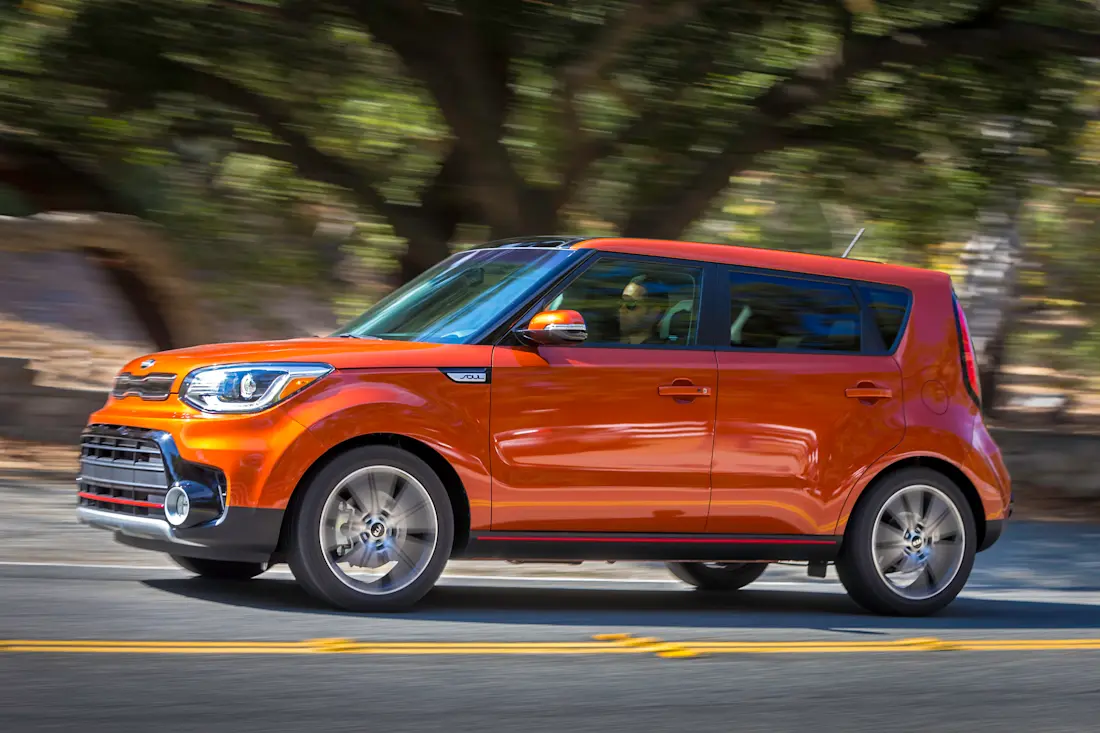
Improved used vehicle reliability is one of them. Nowadays, cars are built to last much longer than they were decades ago. With proper maintenance, many vehicles can easily reach beyond 250,000 kilometres before needing to be towed to the junkyard.
Improved durability also means a car that is three or five years old can still provide many years of reliable service. Today, buyers don't need a brand-new car to access modern safety features, technology, and comfort.
Used Cars Cost Less to Insure
Lowering ownership costs doesn't just involve the purchase price; insurance for used cars is often cheaper than for new ones.
Additionally, you can replace parts and make repairs more cheaply, especially once the warranty has expired and the vehicle is no longer priced like a new model.
Used Cars Depreciate Slower
Depreciation is one of the highest hidden costs of buying a new car, since a brand-new vehicle can lose a large portion of its value in the first year you own it.
With used cars, most of the initial depreciation has already occurred, which means buyers usually get better long-term value and stronger resale value.
There Are More Used Cars for Sale
In 2026, the used car market offers even more variety, with buyers able to choose from small fuel-efficient cars, family SUVs, trucks, plus hybrids, plug-ins, and battery-electric vehicles to save on fuel.
The waiting period for new cars has shortened compared with previous years, although supply still varies by model and demand. With used cars, by contrast, you can drive them off the lot immediately.
Better Used Car Buying Tools
For anyone who needs reliable transport as soon as possible, buying a used car in Canada is a convenient, quick option.
Websites that deal with used cars online, such as AutoTrader.ca, collect thousands of listings from different regions. Buyers can easily see what a particular year, make, and model is worth in their postal code.
Modern ownership cost calculators go beyond the sticker price and provide multi-year forecasts for insurance, fuel economy, anticipated maintenance, and depreciation rates.
User forums also track long-term reliability trends, helping buyers identify which engine or model year is likely to fail before you buy.
Vehicle history reports, like Carfax, have evolved from basic accident logs into highly detailed digital timelines. These types of ownership reports can reveal how many hands a car has passed through and how it was used, helping to distinguish a gently driven single-owner vehicle from a heavily abused rental or fleet car.

All Articles
See all
Nissan Z MPG and Fuel Economy: Ratings and Running Costs
You found a Nissan Z on AutoTrader and the payment worked. The next question is what it'll cost at the pump, and whether the manual makes it worse.

Tips on EV Ownership and Driving in Canadian Winters
Beat the freezing temperatures, maximize your range, and drive with confidence.
John LeBlanc
Hyundai Elantra Hybrid Reliability: Recalls, Warranty and Maintenance
Let's say you've found a three-year-old Elantra Hybrid on AutoTrader with sensible kilometres and a fair price.