
Tips on EV Ownership and Driving in Canadian Winters
 John LeBlanc

With one in every 10 new vehicles sold in Canada now electric, more drivers are buying electric vehicles (EVs) than ever. Stories about how EVs perform in cold weather may have frightened you, but owner experience shows many of those fears are overblown. With the right precautions and proper care, the latest EVs can handle winter driving well as any gas-only car.
Here are some tips on how to prepare your EV for a safer and more efficient winter driving season.
Get Proper Winter Tires for Your EV
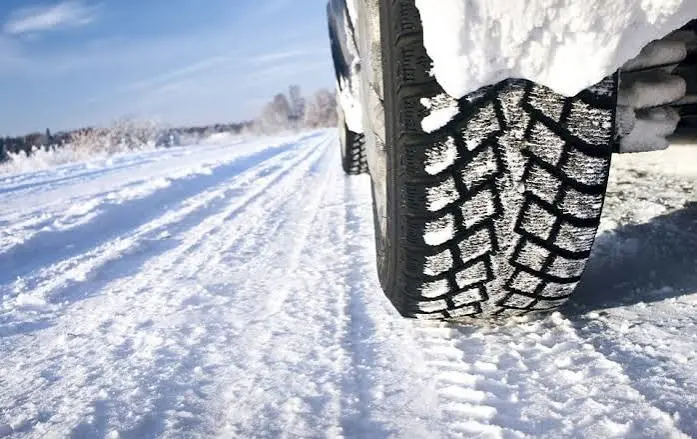
As any experienced driver knows, fitting the right tires on your vehicle, whether it's gas-only, hybrid, or all-electric, is vital for winter driving. If you're driving an EV, it’s arguably even more important.
Yes, many EVs come standard with, or offer, all-wheel drive. Adding independent electric motors to the front and rear axles is mechanically simple and delivers major performance and traction benefits. However, heavier battery packs and the instant torque from electric motors can make traction on icy or snow-covered roads challenging for EVs. So even though your new EV has all-wheel traction to help it accelerate in the snow, it does nothing to help the car stop or turn more effectively. All-season and summer tire compounds that typically come standard on new EVs harden and lose flexibility when temperatures drop below 7° Celsius. Winter tires use softer, specialized compounds that stay flexible in freezing conditions.
When you swap your summer tires for winter tires, it’s a great time to inspect and clean your electric car's brakes. Because EVs rely heavily on regenerative braking to slow down, you’ll use the mechanical brake parts less often. As a result, they are prone to rust and road-salt buildup during Canada's winter months, so you should clean them regularly.
As for ongoing winter driving checks, cold weather causes air to contract, lowering tire pressure. Check your tires weekly, as under-inflated tires increase rolling resistance and reduce your vehicle’s range.
Winter EV Battery and Charging Tips
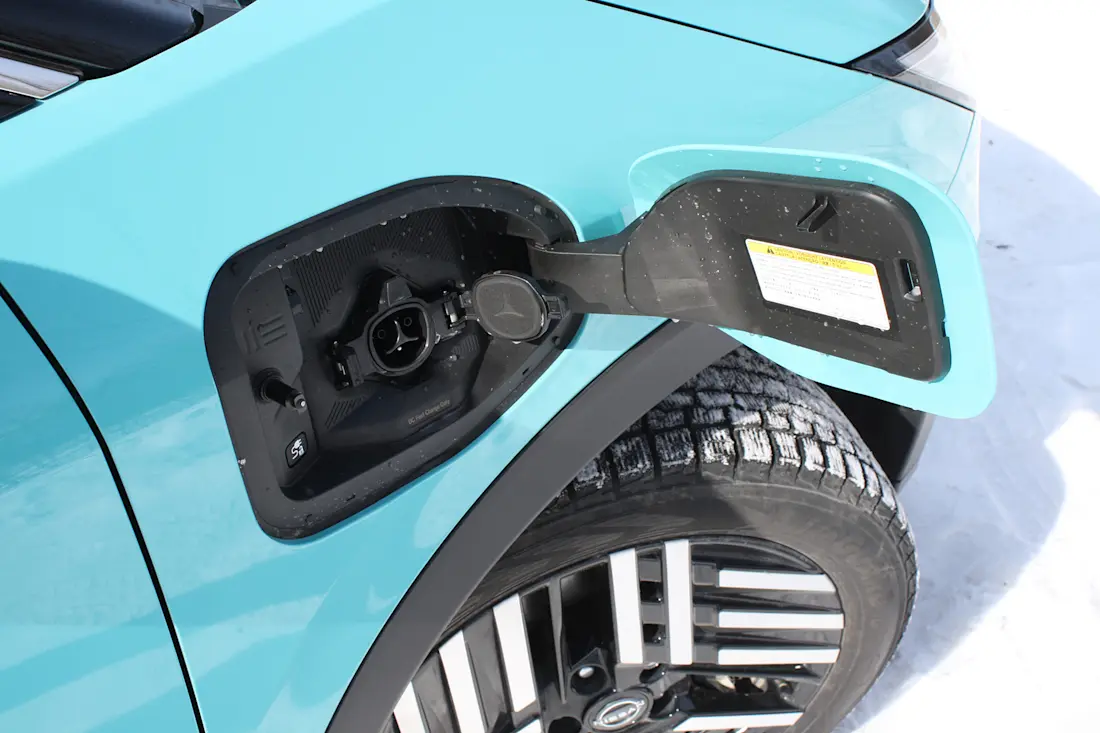
Beyond tires, extreme temperatures — hot or cold — also affect your EV’s battery performance. That's why battery temperature management matters a lot in colder temperatures. But since the first mass-produced EVs arrived, battery and charging technology has advanced significantly, making winter driving easier and more comfortable in newer models.
The first-generation EVs of the 2010s were well known for struggling in severe Canadian weather, mainly because they lacked the thermal management, efficient heating technology, and pre-conditioning tech found in today's models. The result was a considerable loss of range, extremely slow charging times, and drivers struggling to warm their cabins on frosty morning commutes.
Those issues still exist, but they’re easier to manage today. A recent CAA test found that EV driving ranges remain lower in colder temperatures. Between -7° and -5° Celsius, range losses varied from 14 to 39 per cent.
But the good news is that they recover range more quickly when the battery is already warm. The most effective way to overcome this problem in cold weather is to pre-condition your car while it’s still plugged in and charging before you start driving. While charging, the vehicle draws energy from the electrical grid rather than its own battery to heat the interior and pre-heat the battery pack for optimal performance, helping preserve range for driving.
Use Your EV’s Onboard Tech to Plan Your Route
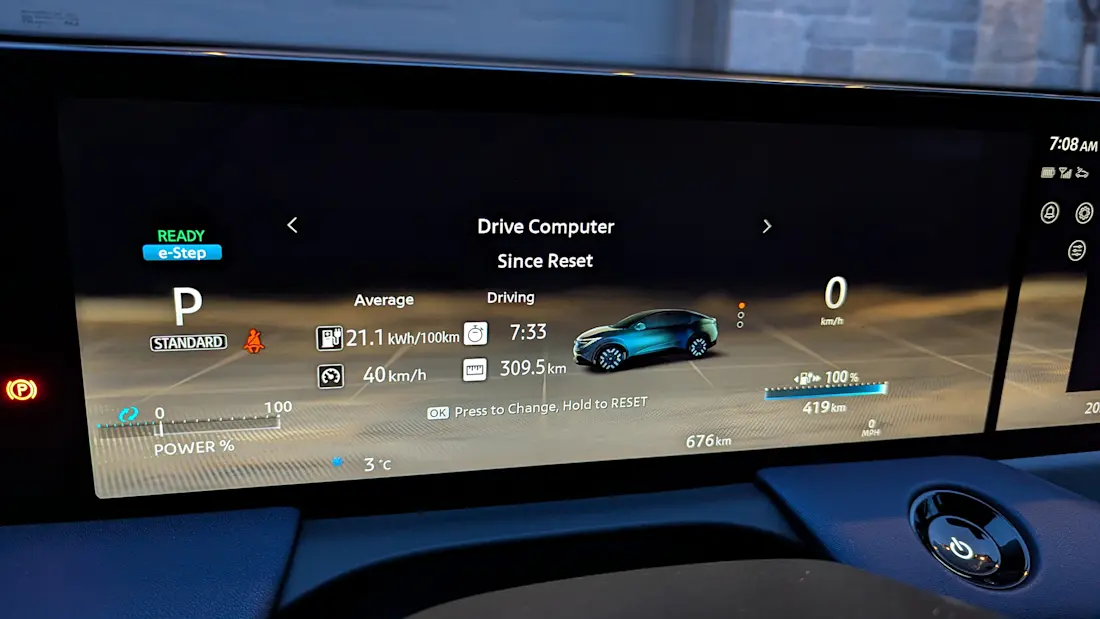
Once you’ve gotten into the habit of pre-conditioning your EV before you hit the road, use your car's built-in navigation system to plan a route to a fast charger if you need a top-up so the vehicle can automatically preheat the battery while travelling.
Here’s another suggestion: keep your EV’s battery charge higher in very cold conditions. Like gas cars, it’s a good idea to keep a larger reserve in winter instead of running it until empty, in case you get stranded.
Winter EV Driving and Efficiency Habits
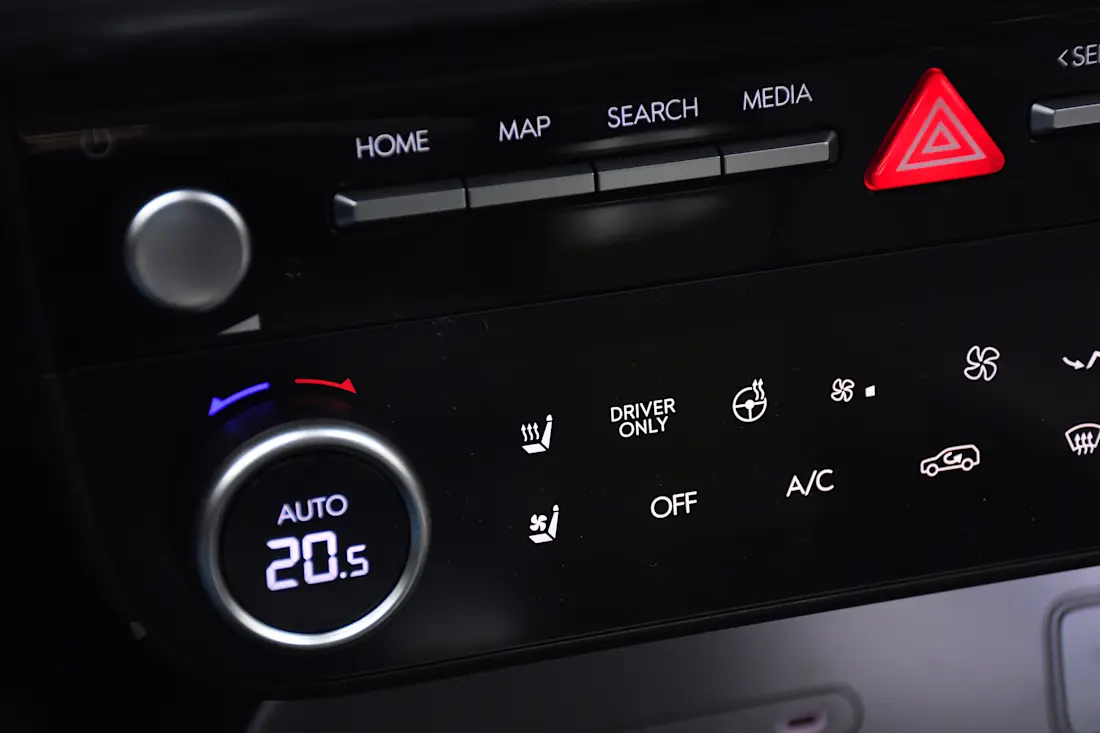
Most EVs now use efficient heat pumps that warm the interior by moving waste heat from the motors or battery into the cabin instead of generating heat from scratch. Heating your car’s interior can account for about two-thirds of an EV’s extra energy use in winter. To offset this loss, set your car’s cabin thermostat lower and use heated seats and the heated steering wheel, since they’re more efficient.
Once you've kept your EV's cabin comfortable and efficient, also consider how you drive it in winter.
Use regenerative braking on ice with caution. Although regenerative braking is very efficient on dry roads, abruptly lifting your foot off the accelerator on smooth, snowy, or icy roads can reduce tire traction and cause unexpected slipping. If conditions are more dangerous, use a lower or more gradual regenerative braking setting to maintain better vehicle stability.
Also consider using the car's optional eco mode, which delivers power more slowly and smoothly. As a result, total power consumption drops, and the system avoids applying torque immediately so your vehicle’s wheels don't spin on icy patches.
Prepare for Longer Charging Times
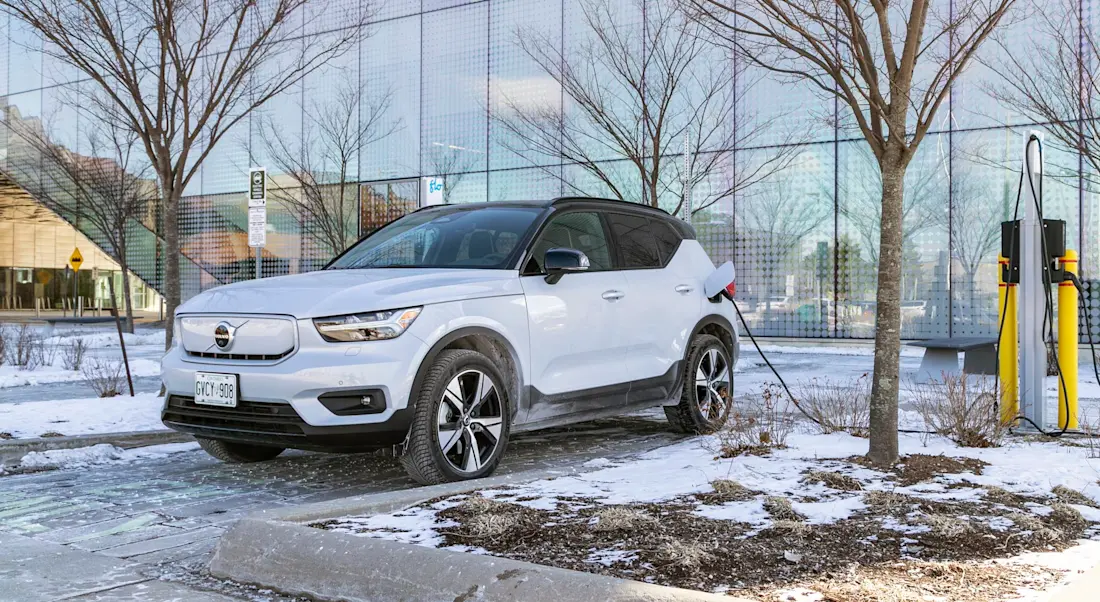
In the past, public DC fast-charging networks were limited, and older equipment performed poorly in cold temperatures, which made charging sessions take longer. However, today, public charging has improved a lot if you plan to use your EV for winter ski weekends or to take your children to an out-of-town hockey tournament, but it still needs work.
There’s no getting around the physics: Cold weather reduces battery performance and slows recharging. In warmer weather, some DC fast-charging sessions typically take 20 to 30 minutes to charge from 10 to 80 per cent, but it can take much longer when temperatures are below freezing.
Modern EVs Offer More Range Than Ever
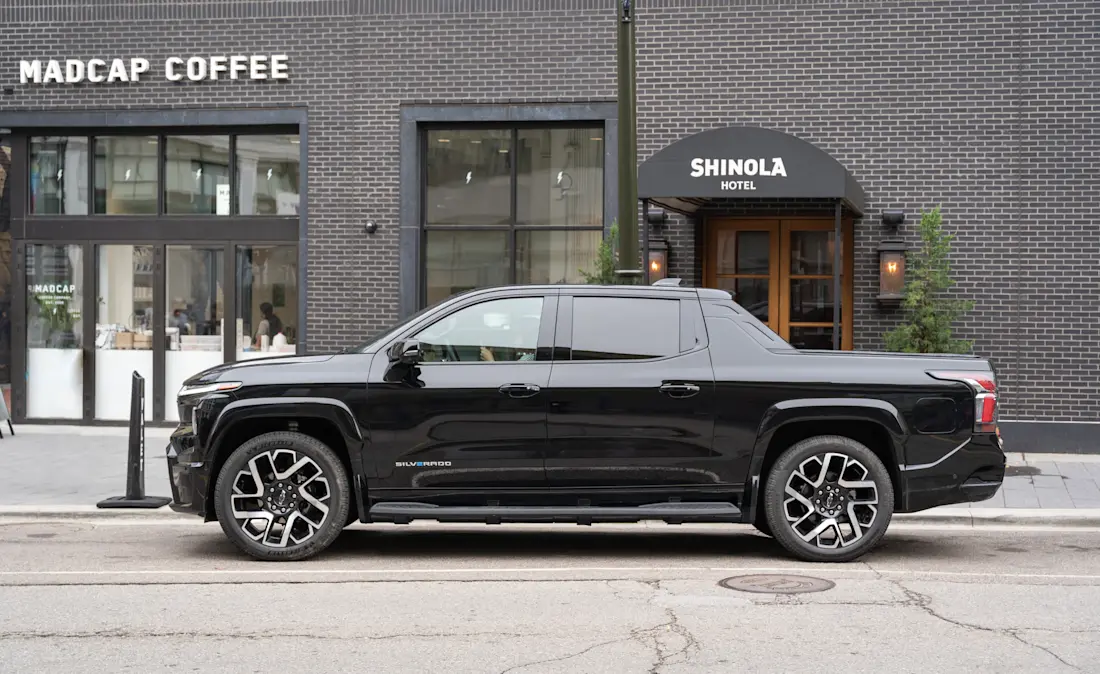
Because early EVs had a summer driving range of only 120 to 150 kilometres, a 40 to 50 per cent winter reduction would have meant the car could travel just 60 kilometres before the battery ran down. However, today's models have almost entirely removed that anxiety.
In Canada, the average driving range of a new battery electric car in 2026 is about 480 kilometres, which more than suffices for ordinary daily driving in Canada (which averages less than 50 km a day). Large-battery luxury sedans, SUVs, and trucks offer ranges above 640 km and up to nearly 800 km. Even entry-level or urban-focused compact EVs generally provide about 350 to 400 km of range.
If those numbers make sense for your driving needs, you can drive an EV in Canadian winter with confidence, and with home charging, you likely won’t notice any difference or change in lifestyle. Take care of your battery, get the right tires, keep the vehicle well maintained, and adopt energy-efficient driving habits to stay safe and preserve your vehicle's performance and range. With these changes, you'll enjoy the benefits of electric driving year-round, even during severe winter weather.

All Articles
See all
The Higher Costs of Owning a Car and What You Can Do About It
Why car ownership costs are rising and tips on how to cope.
John LeBlanc
Hyundai Sonata Maintenance Cost, Reliability and Common Problems
Hyundai Sonata maintenance cost comes down to the service schedule you follow, the warranty left on the car and the model year's recall history. A newer Sonata carries a 5-year/100,000 km powertrain warranty that transfers to the next owner, and recall repairs cost nothing.

Truck Features to Look for if You’re Towing
The towing features that make the job easier. And the ones that might not.
 Benjamin Hunting