
Why is Brand Loyalty Important for Automakers?
 John LeBlanc


Brand loyalty is a golden goose that brands — including automotive ones — are constantly in pursuit of. Car brands are always competing with each other on pricing, products, innovations, and more, so keeping a customer locked in and coming back for more is harder than ever.
According to LexisNexis, 51.4 per cent of car shoppers surveyed in 2025 purchased a new vehicle from the same brand as the one they already owned. While that is considered quite high, customer retention remains a challenge, especially as Canadian car shoppers are prioritizing better value.
The Psychology of Car Brand Loyalty
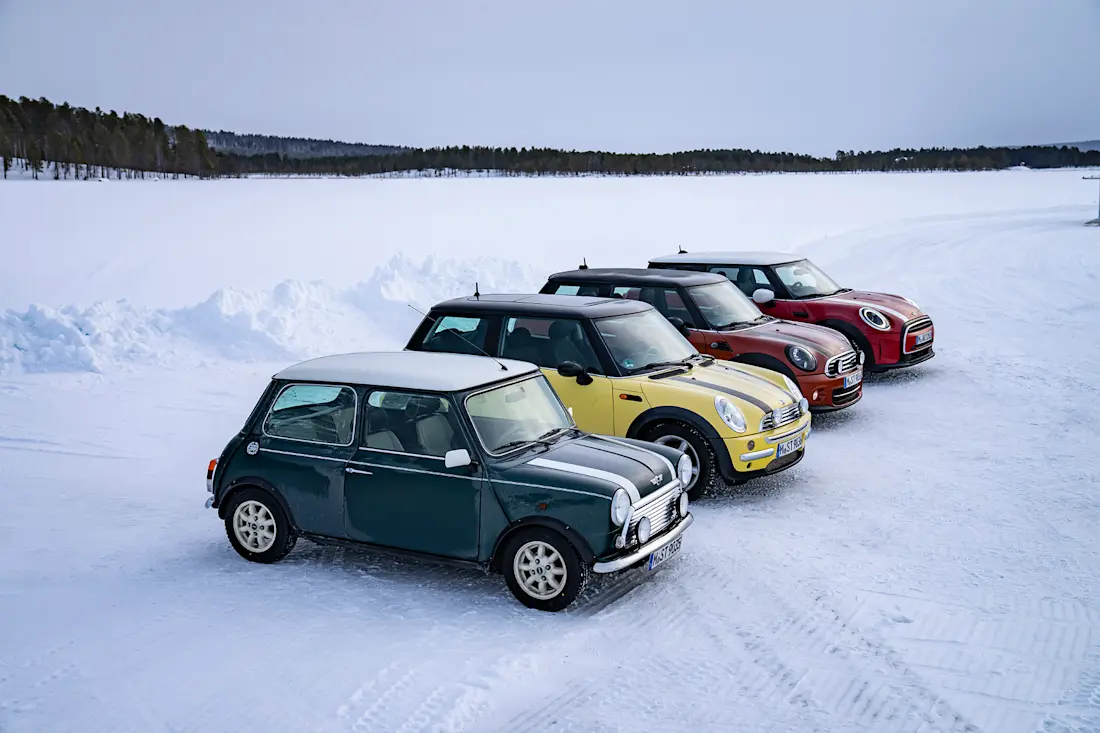
Most people replace their cars every 12 years, and keeping existing customers is cheaper and more profitable for automakers than finding new ones, as loyal customers often return to the same brand, supporting steady revenue. A Harvard Business Review study found that acquiring a new customer can cost five to 25 times as much as retaining an existing one.
The recipe for sales success can be fairly straightforward. Automakers that focus on loyalty save on marketing costs because happy customers recommend the brand to friends and family, becoming brand ambassadors. So, just how do automakers keep their customers coming back?
A Well-Made and Reliable Vehicle Can Foster Loyalty
For many buyers, a car is simply more convenient than walking, cycling, or riding mass transit. A reliable car means fewer breakdowns, more confidence, less stress, and better safety. That’s why buyers tend to stick with brands known for making high-quality, dependable cars that cost less to fix. Brands offering dependable cars earn trust and repeat customers, as buyers view them as providing better long-term value by saving on maintenance and retaining value.
Feeling good about a product helps build loyalty, too. Nobody wants to regret their choice, so perceived value matters. Trust and reputation lower the risk of large purchases like cars (the average new-car price in Canada is about $63,665, according to AutoTrader). Trusted brands with loyal customers often have better residual values, which encourages buyers to return.
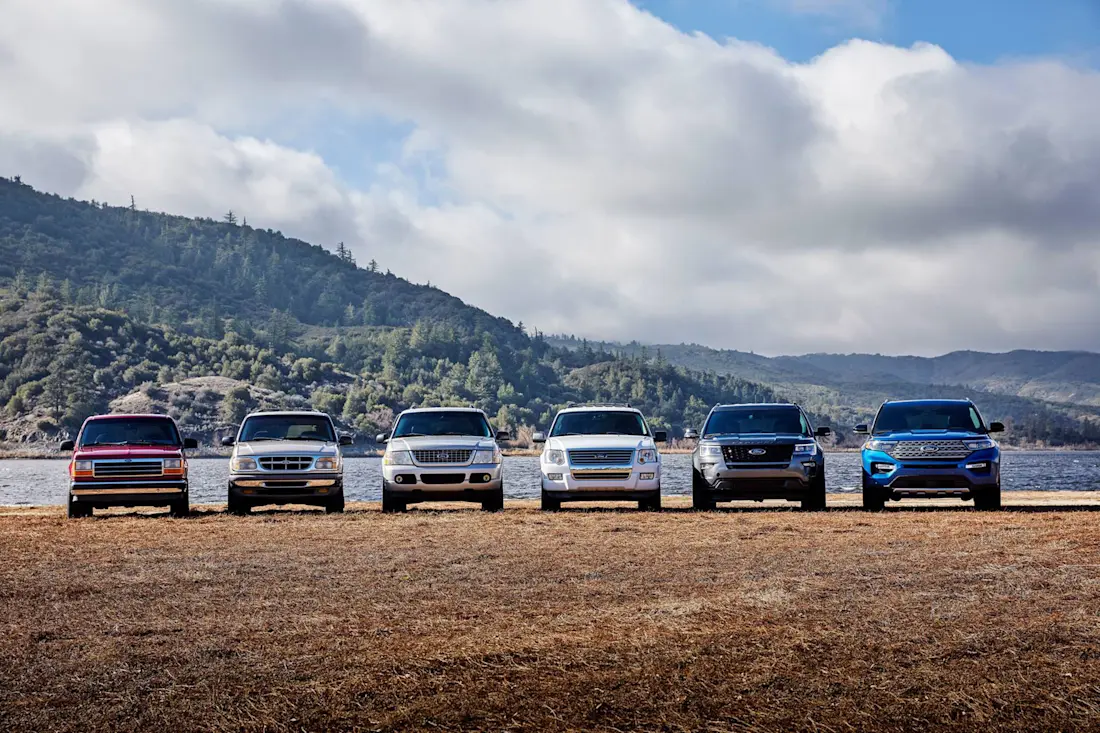
“Brands are meant to be 'shorthand,' attempting to report a whack of information in a few words, colours, or symbols. It's a risk for a customer to trust a brand that's new to them,” said AutoTrader contributor and marketing professor Steven Bochenek. “So your brand promise has to be rooted in truth. That's key. For example, maybe you bought a given car because the automaker said or implied that it holds its value. If it depreciates less than competitors when you go to sell it, it fulfills that promise, and your trust is validated, causing more trust — a virtuous circle. A lifelong customer is invaluable.”
Trusting a car brand eases worries about defects and bolsters confidence in long-term reliability, safety, and costs.
Using Emotion and Community to Bond Buyers to Their Cars
Some cars reflect their buyers' personalities and values, creating brand pride and memories. Emotional loyalty keeps customers returning for positive feelings, not just practical reasons.
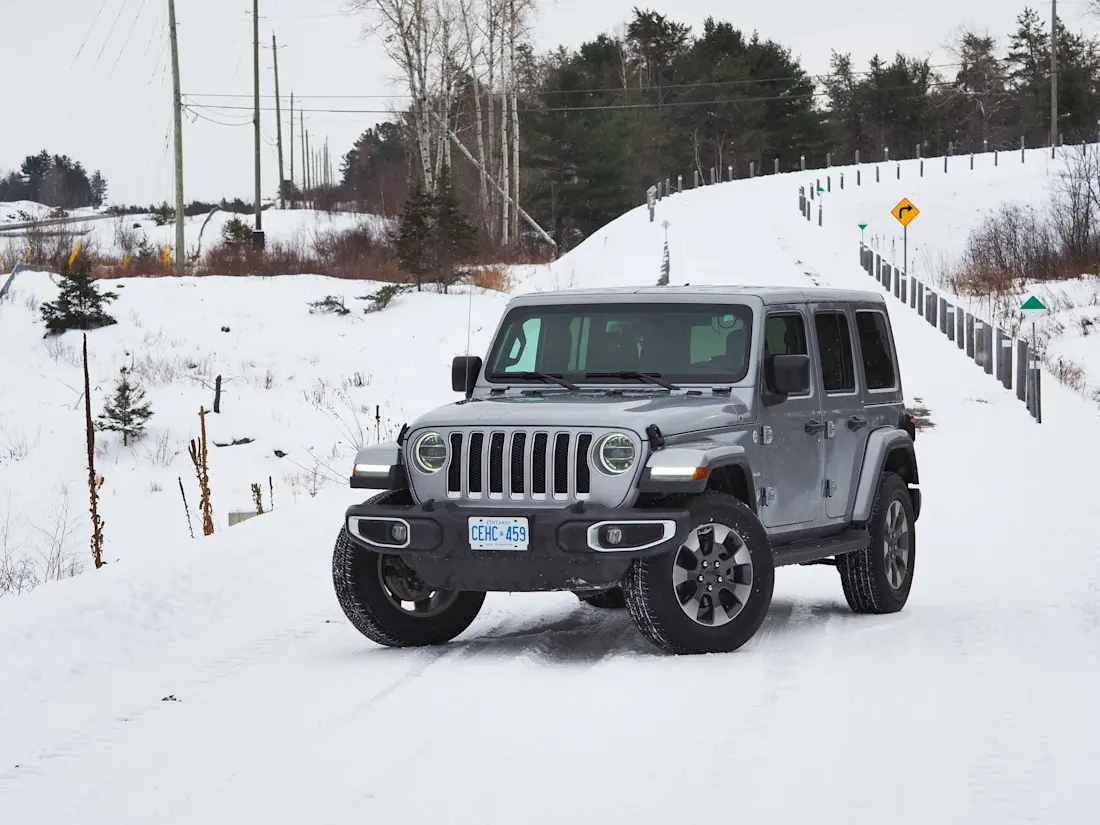
Certain brands better match an owner’s identity, lifestyle, or goals. Whether it’s the prestige of a Rolls-Royce, the excitement of a Porsche, the freedom of a Jeep, or the eco-friendliness of a Toyota hybrid, brands build loyalty by uniting communities around shared values.
"The brand becomes part of who you are. You feel you belong to a community, almost like a tribe. For example, Jeep Wrangler owners often salute each other,” said Bochenek. “Many buyers embrace this and stay loyal no matter what.”
Emotional connections make car buying aspirational and strengthen loyalty. Positive experiences and shared values can matter more than price.
Excellent Consumer Experience
Experiences during the buying and ownership process play a significant role in car brand loyalty. Today’s buyers expect a smooth experience from online research to dealership visits to booking service appointments. Brands that offer consistent, personalized service build lasting relationships.
A J.D. Power survey found 27 per cent of car buyers switched brands due to drops in service quality or performance. Poor service, such as surprise fees, long waits, or poor communication, drives customers away.
Excellent customer service turns a stressful purchase into a lasting relationship. As technology improves, automakers can keep customers coming back for maintenance, parts, accessories, and eventually another car, creating, as Bochenek alluded to, "lifetime" customers.
A Broad Product Portfolio Helps Retain Buyers
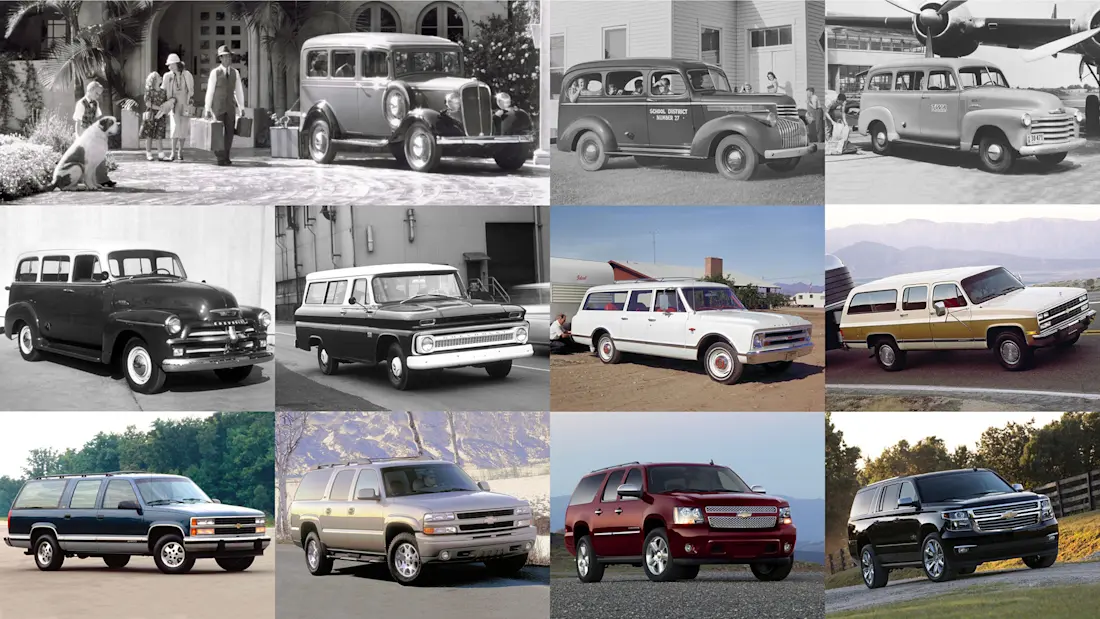
Many buyers switch brands when their driving needs change, and they want a different type of vehicle. Offering a variety of models across segments helps loyal customers move from small cars to trucks or luxury SUVs without switching brands.
For example, a subcompact hatchback that worked for single life might not suit a growing family. Brands offering a wide range of models can retain buyers as their needs evolve.
Over a century ago, General Motors built loyalty with its “ladder of cars” strategy, a brand hierarchy for every life stage and budget. Buyers could start with a Chevrolet and move up to a Buick or a Cadillac as their income grew, rather than switching brands. This strategy helped GM surpass Ford in 1927 and still drives strong loyalty today.
A broad portfolio also helps strong Certified Pre-Owned (CPO) programs, encouraging loyalty as buyers move from used to new.
Loyalty Programs, Incentives, and Communication
Connected car technology, such as app-based services, over-the-air updates, and in-car features, is now a major selling point for many car buyers. Most owners who use branded apps are more likely to buy from the same brand again. Personalized, timely communication, especially through email and apps, also strengthens loyalty. So do customized rewards such as free maintenance, exclusive events, and special financing offers.
“Some brands do this well. It’s a great way to keep first-time buyers thinking about the brand until they’re ready to buy again,” added Bochenek.

All Articles
See all
Own the Road with AutoTrader, Episode 118: The Backlash Against Touchscreens and Return to Buttons
Safer, easier to use, and better looking, buttons are making a comeback.

Planes, Trains and (Electric) Automobiles: A Race to Determine the Pros and Cons of Each
Discovering the best way from Toronto to Quebec City with the Subaru Uncharted.
 Jeff Wilson

AutoTrader Find of the Week: 2004 Porsche Cayenne Turbo is the Cure For Boring
For when practicality doesn’t interfere with fun.
 Chris D’Alessandro