
Marketing Cars: How One Clever Tactic Got Mercedes a Bunch of New Customers
 Steven Bochenek


A child of behavioural psychology, the practice of marketing is awash with messy human paradoxes and yin-yang tugs of war. This applies especially to the marketing of automobiles because, as the kids probably never said, cars be costly AF.
Here’s one such paradox: A branding team thinks in years and decades, while salespeople think in days and weeks. Translation? A premium car brand whispers, purrs, and coos, “Let’s go on a date sometime.” Most commissioned salespeople cajole and holler, “Let’s make a deal right now!”
In my ad agency days, I was fortunate to do some creative at the retail and brand levels for Mercedes-Benz Canada. Forgive the humble bragging, but here’s one interesting case study that solved the branding-versus-sales conflict neatly. At least, this is how I remember it, and we all know that memory moves the furniture around. So, if some details are accidental fiction, forgive that too.
The Problem: Mercedes-Benz S-Classes Didn’t Sell Out in 2002
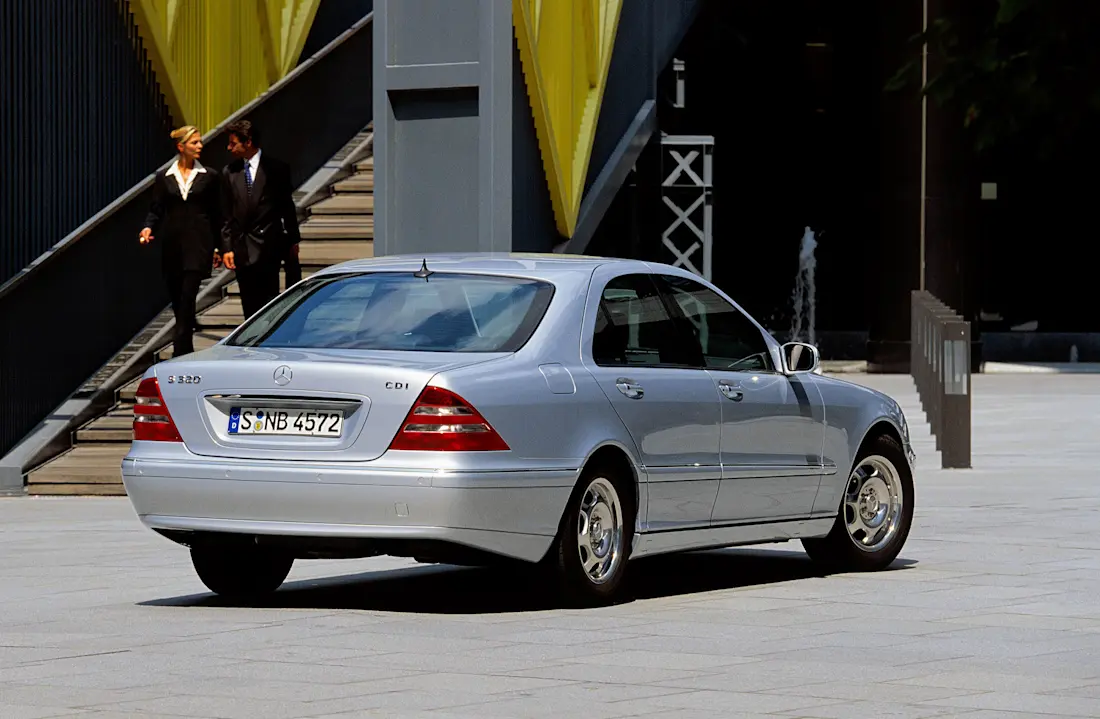
There were still plenty of potential new customers out there. So neither we, the agency, nor our Mercedes clients wanted to lower the S-Class’s price, which would not only shrink profits, of course, but also cheapen the brand; a lose-lose.
Our clever egg-headed business strategist suggested we target new customers. Who? Small-to-medium-sized construction company owners who were all self-made men.
The trouble was, while they were very wealthy, they’d never set foot in a Mercedes dealership. The egghead defined the psychology of our exact target: Wracked with self-doubt, he still works with his callused hands, which he keeps stuffed in his noticeably deep pockets. No doctor, lawyer, or trust-fund frat guy, this target rejected the brand before it could reject him.
We Knew this Middle-Aged Man (Yes, Man) Would Love This Car but ...
First, let’s be clear: Targeting a construction company owner does not mean Bob Seger songs soundtracking shots of gritty worksites with cement trucks and dudes in steel-toes wielding shovels. Indeed, the final creative product said zero about his livelihood, just like we’d never ask surgeons how their latest operation went or judges whether they’d hanged anyone recently.
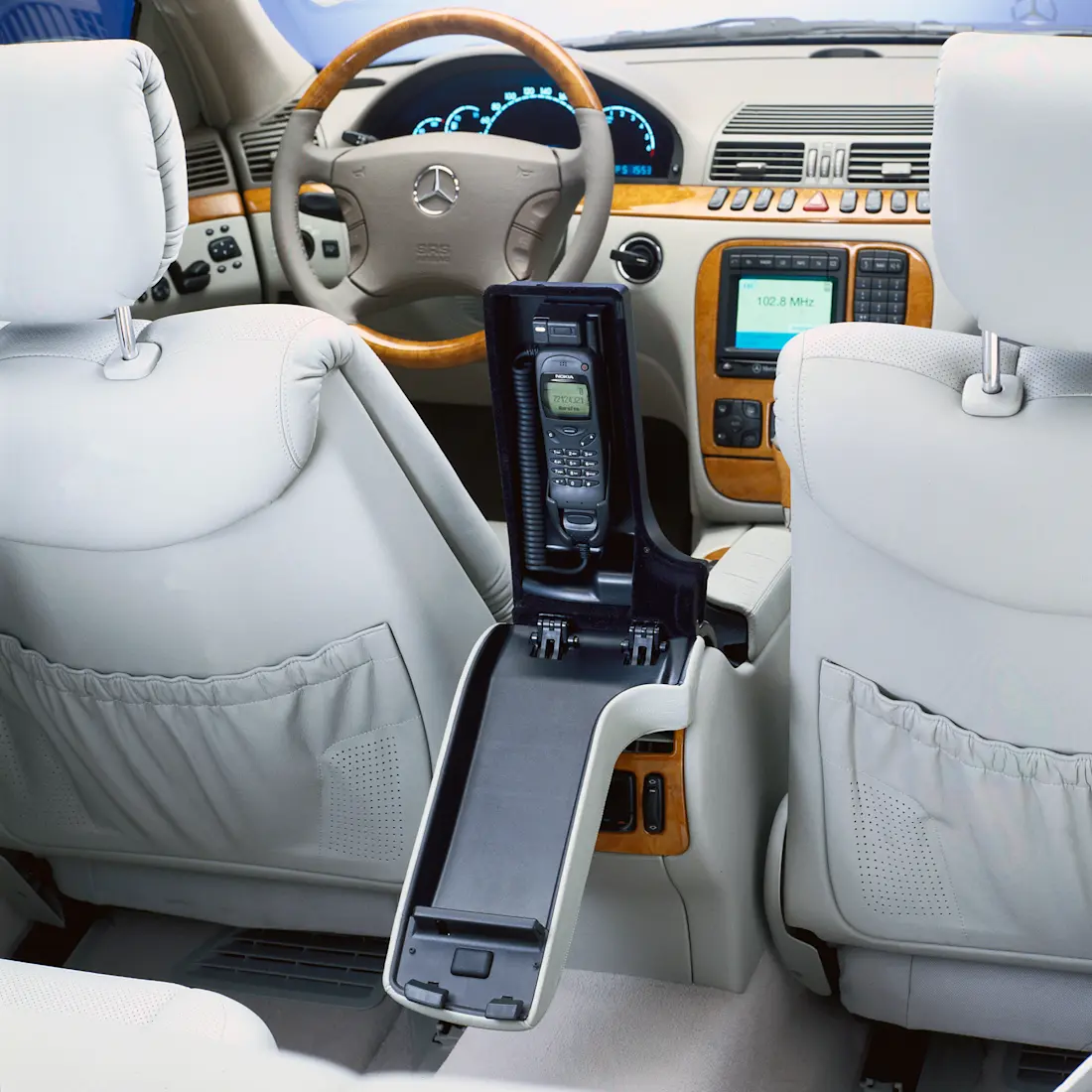
Remember, the S-Class was not a vehicle to help successful contractors through their tough week on muddy construction sites. It was jewelry or an honorary PhD to show off at their kids’ piano recitals, high school reunions, and their bank manager’s parking spot.
Moreover, this was a small audience, so reaching them would mean using niche media, not TV. Frankly, we suspected the car would sell itself if we could just get people behind the wheel. But again, how do you sell a premium car to a man too ashamed to venture into the dealership?
What if We Brought the Car to Them?
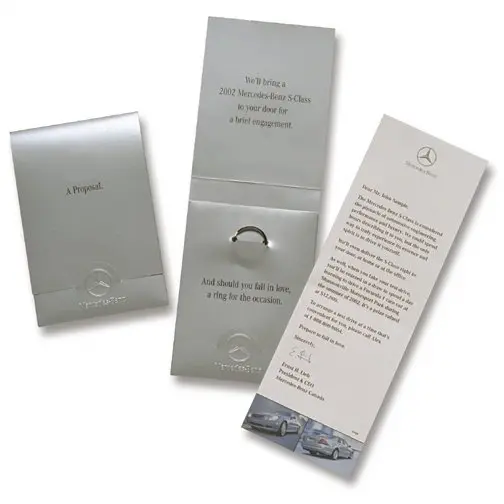
Our business strategist spent a few dollars with a list broker for the work addresses of about 1,000 construction entrepreneurs. We mailed them a small package that slightly mimicked the layout of an engagement ring.
Above the Mercedes logo sealing the cover read the simple phrase “A Proposal.”
These guys don’t get love letters from Mercedes most days, so we were convinced the idea would land. We gambled the client’s money that the recipient of this package would open the lid to discover the following payoff headline: “We’ll bring a Mercedes-Benz S-Class to your door for a brief engagement.” Beneath that inner headline, a key ring sat tucked into a slot. Beneath that, a caption continued the conversation, “And should you fall in love, a ring for the occasion.”
A small, personalized letter from the Mercedes-Benz Canada CEO was tastefully tucked behind, explaining the unique offer: Want a fantastic car for a weekend, no questions asked? And as the above intro suggested, they could always seal the deal if the weekend stole their hearts.
The Results Were 360 Degrees of Hollywood-Ending Successes
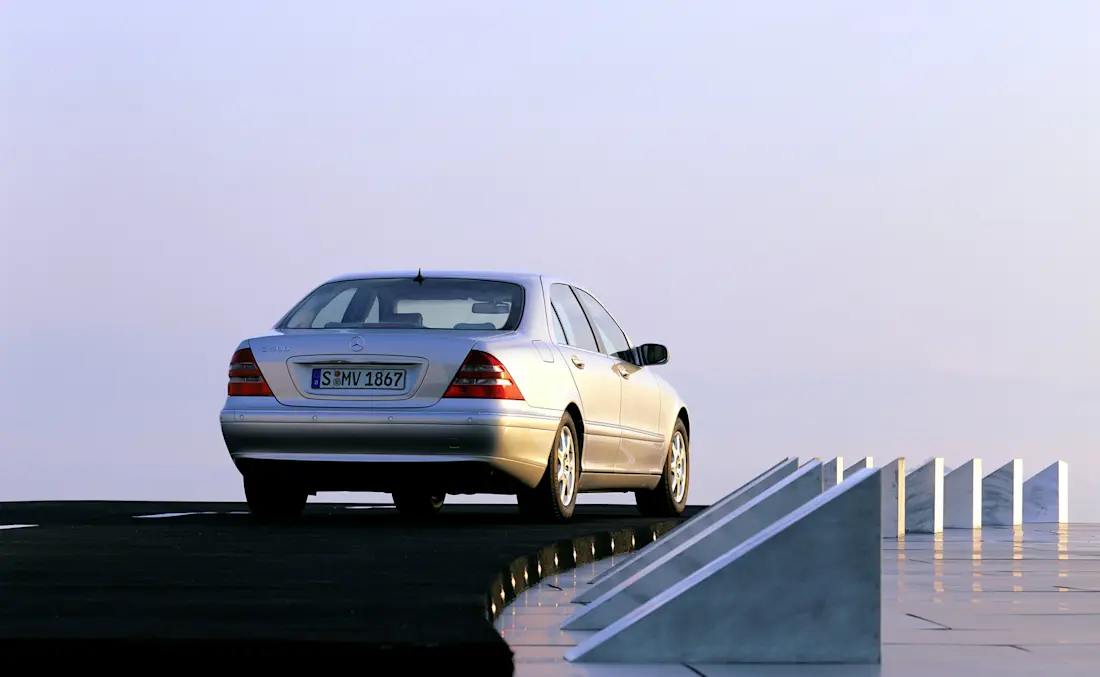
At retail level, these reluctant visitors cleared the spare S-Classes from the dealerships within weeks. Those sales proved our strategy and confirmed suspicions that Mercedes needn’t cheapen the brand or price to move product.
The brand police were calmed: Though received in the mail, the package didn’t look like it was flogging steak knives with free time-limited corn cob skewers for acting now. It looked like something personalized, intriguing, and tasteful from Mercedes. We’d solved the paradox.
Next, a fun fact: Drivers tend to be brand loyal, so when you get a convert, it’s so much easier to keep them than try to convert others. It would be an interesting study to learn how many of these converts have bought more Mercedes products since 2002.
A final feather in the agency’s cap was that this humble mailer won several awards for creativity. Best of all, it was voted as the company’s favourite marketing work that year by Mercedes-Benz’s head office in Germany. The “Engagement Ring” was their choice over all other agency work worldwide in any medium.

All Articles
See all
Own the Road with AutoTrader, Episode 118: The Backlash Against Touchscreens and Return to Buttons
Safer, easier to use, and better looking, buttons are making a comeback.

Planes, Trains and (Electric) Automobiles: A Race to Determine the Pros and Cons of Each
Discovering the best way from Toronto to Quebec City with the Subaru Uncharted.
 Jeff Wilson

AutoTrader Find of the Week: 2004 Porsche Cayenne Turbo is the Cure For Boring
For when practicality doesn’t interfere with fun.
 Chris D’Alessandro