
7 Regular Cars with Wild Performance Versions
 Michael Karant

Automakers commonly release performance versions of regular cars; some modern performance cars with humble origins are the Toyota GR Corolla, Honda Civic Type R, Volkswagen Golf R, and Ram 1500 SRT TRX. Even the BMW M3 and Audi RS3 are based on the 3 Series and Audi A3, respectively, two very regular cars.
Sometimes, automakers don’t put too much effort into their performance variants — they throw in an upgraded engine, a stiffer suspension, bigger wheels, and a few sporty cosmetic touches, and boom, they have a performance car they can charge extra for.
However, there are occasions when automakers go above and beyond to take a fairly pedestrian model and transform it into something truly wild, to the point where the final product has almost no similarities to the model it’s based on. This list highlights some of the craziest performance variants of regular cars, some modern and others vintage, that you might have forgotten about.
Volkswagen Beetle RSI
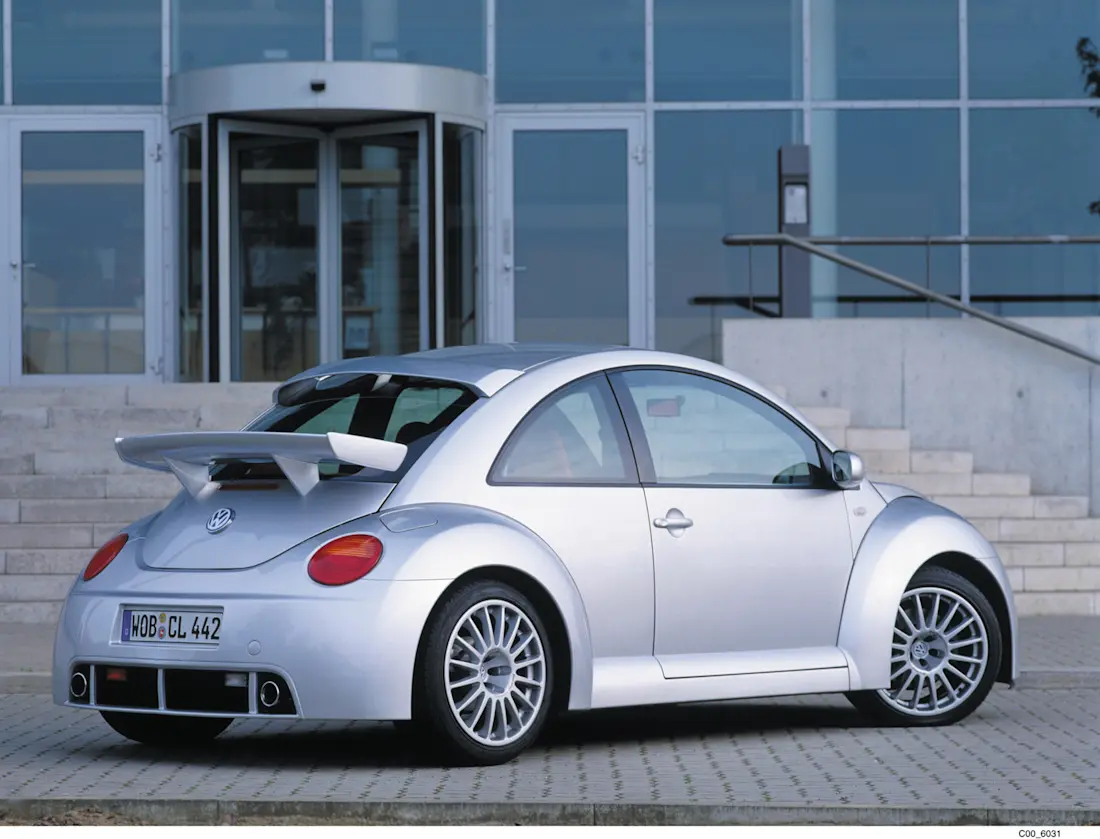
The new Beetle was well received when it first debuted as one of the first mass-market retro-inspired cars of the 2000s. Based on the already popular Volkswagen Golf but with a more stylish body, it also sold well. The Beetle wasn’t quick, however, as it shared many of the Golf’s four-cylinder engines. It definitely wasn’t known for being exciting.
The Beetle RSI was the exception. It ditched the four-cylinder engine in favour of a 3.2L VR6 producing 221 hp and 236 lb-ft of torque. Power was sent to all four wheels via a six-speed transmission. The RSI also got a special performance body kit and performance-tuned suspension. Production of the Beetle RSI was limited to just 250 units. Today, it is a very rare and collectible car, fetching upwards of $100,000.
Mercedes-Benz CLK DTM
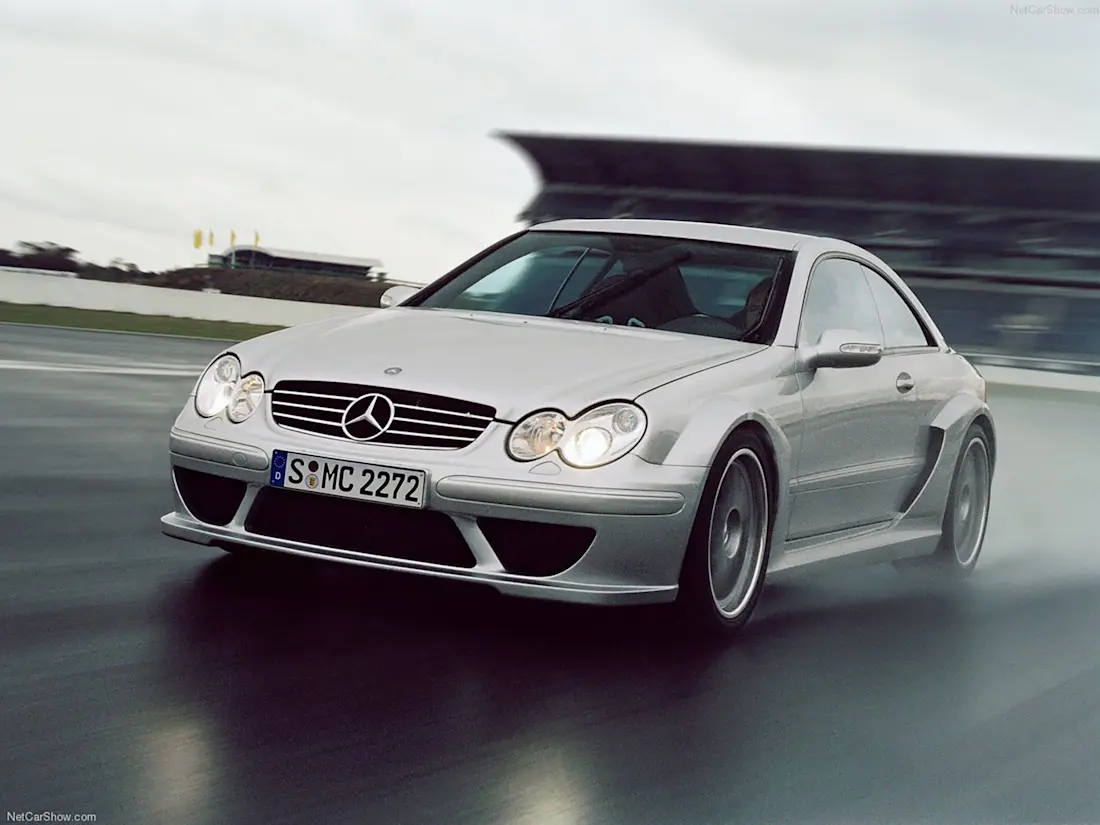
The CLK was Mercedes-Benz’s midsize coupe/convertible that shared parts with the C-Class and E-Class. Non-AMG models were equipped with either a V6 or V8 engine with power ranging from 215 hp for the 320 model, and 302 hp for the 500 model. There were, of course, AMG performance models that further improved power, such as the CLK55 AMG, which produced 362 hp. However, the craziest version of the CLK was the DTM, built to celebrate Mercedes’ win of the 2003 German Touring Car Championship. The DTM received an aggressive racing-inspired body kit and full-harness bucket seats. The engine also underwent a significant overhaul and was fitted with a supercharger, boosting power to an outstanding 574 hp and 590 lb-ft. This level of performance came at a cost, as in 2005, a CLK DTM would cost over $300,000 USD. Only 180 units were produced — 100 coupes and 80 convertibles — with prices today ranging between $500,000 to $1,000,000 on the auction circuit.
Aston Martin Cygnet V8
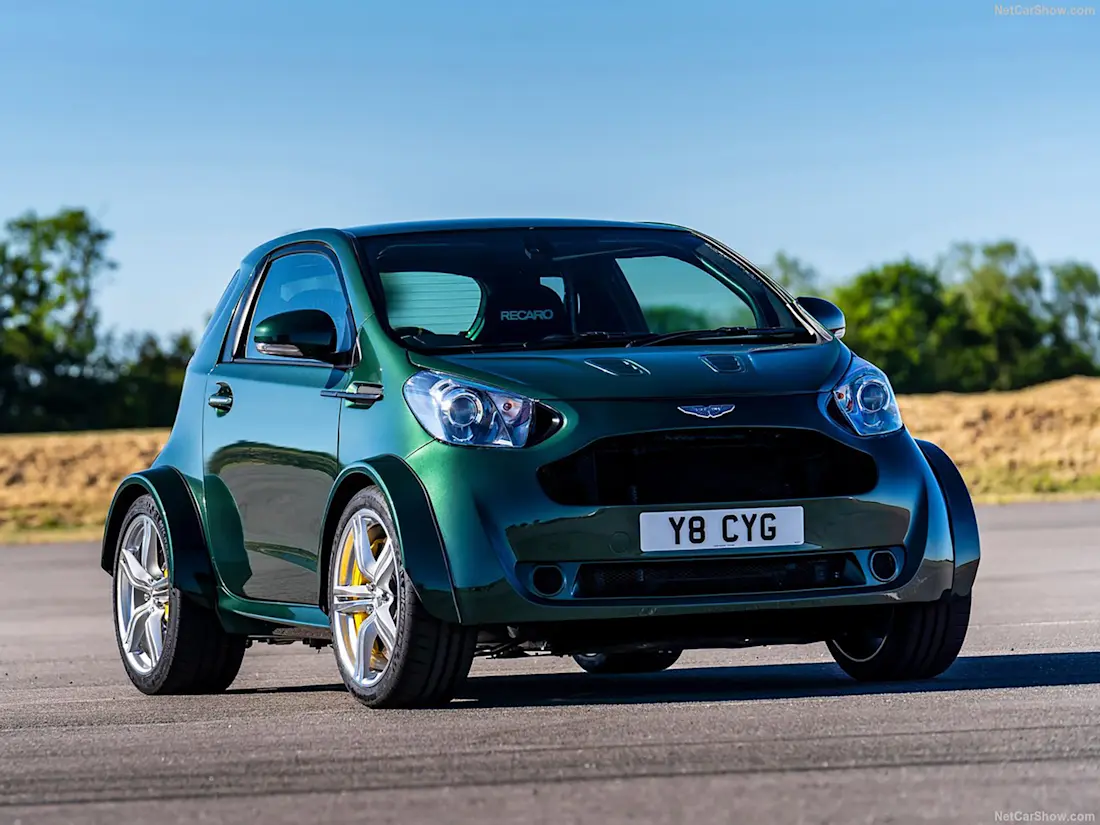
It's odd to call the Aston Martin Cygnet a regular car; it's a Scion iQ that's been rebadged as an Aston Martin, a crazy concept on its own. The Cygnet only existed because the brand needed to comply with European fleet emissions regulations. Unlike other supercar brands that were owned by a larger parent company, Aston Martin was an independent brand that exclusively produced performance cars. The Cygnet was Aston Martin’s solution.
Make no mistake, the Cygnet is more Scion than it is Aston Martin, as it features the same 1.3L inline four-cylinder engine that makes just 97 hp. However, there is one Cygnet that's an exception. In 2018, the brand fitted a Cygnet with its 4.7L V8 engine, which was as big as the car. The result was a tiny, three-metre-long city car with a 430-hp V8, capable of a top speed of 274 km/h. Only one V8 Cygnet was made, and it was listed for sale last year for over $600,000 USD ($820,000 CAD).
Ford Mustang GTD
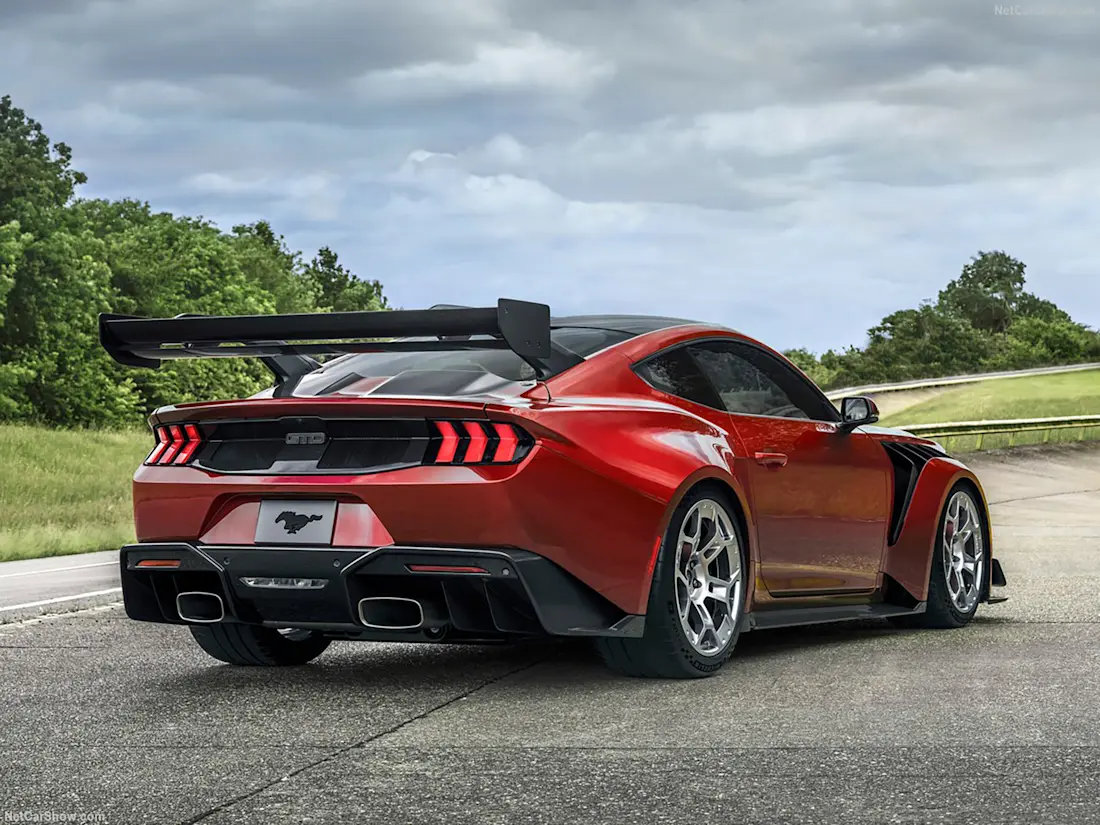
The Ford Mustang may be a performance car, but one that's relatively pedestrian, with a starting price of around $38,000. Many versions are available today with either four or eight-cylinder engines. The regular Mustang is already a competent performance car, however, the Mustang GTD takes performance to a whole new level.
The top-of-the-range Mustang Dark Horse comes with a 5.0L V8 making 500 hp, a figure that pales in comparison to the GTD’s 815 hp. This massive power upgrade is due to the GTD being a road-going version of the Mustang GT3 race car, featuring a supercharged 5.2L V8. The GTD comes with a plethora of other racing technology, such as active suspension, titanium exhausts, and a massive spoiler. The GTD also features massive 325-mm front tires and 345-mm rear tires for wicked levels of grip. The final product is much closer to a racecar than a regular Mustang, costing nearly 10 times as much as the base model.
Renault Clio V6
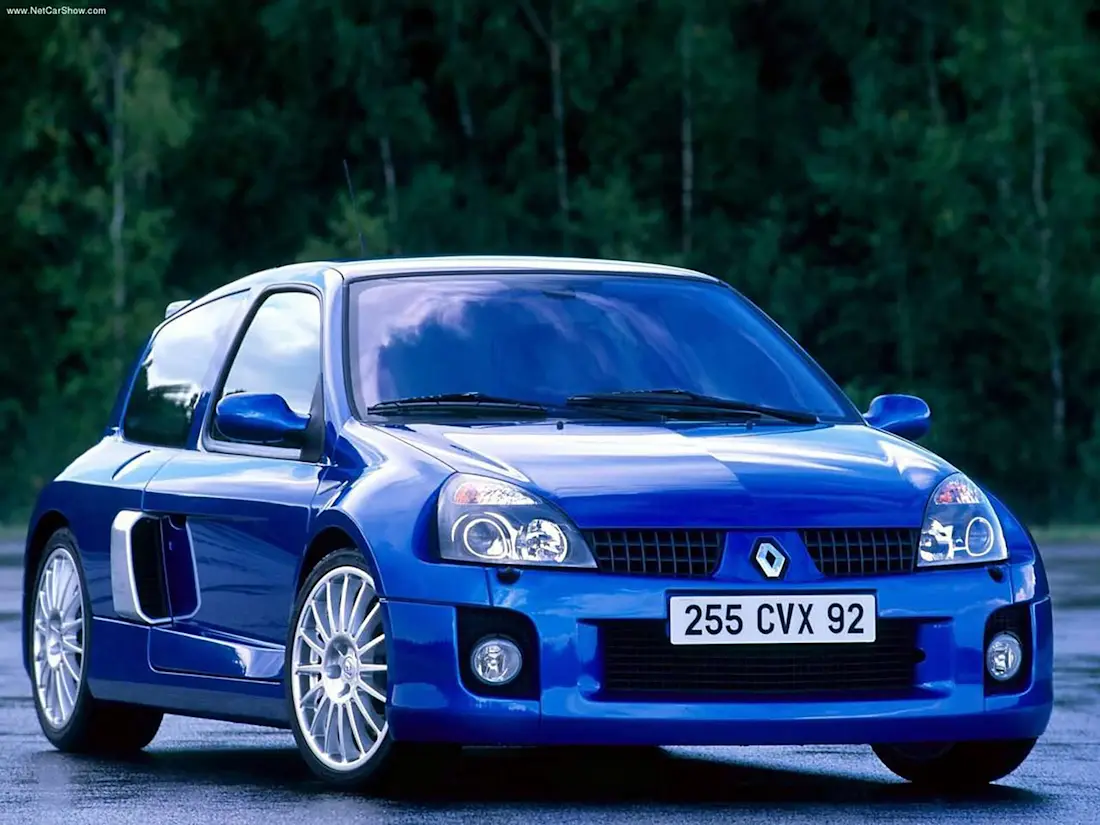
In Europe, the Renault Clio is an economy car comparable to the Volkswagen Golf. Like the Golf, most of the models feature either a gasoline or diesel four-cylinder engine, with some faster models comparable to the Golf GTI. However, in 2001, Renault launched the Phase 1 Clio V6, swapping the four-cylinder engine for a 2.9L unit making 227 hp and 221 lb-ft. The most notable change was the placement of the engine itself, as the V6 was fitted behind the driver, now making this compact hatchback a mid-engined, rear-wheel-drive rocket, rather than a practical hatchback. The Phase 2 Clio V6 received a power upgrade to 255 hp, while torque figures remained the same. While these Clios were never sold in Canada, they are legal to import for around $70,000 to $90,000, making them either a very expensive hatchback or bargain-priced exotic supercar, depending on how you look at it.
Nissan Juke R
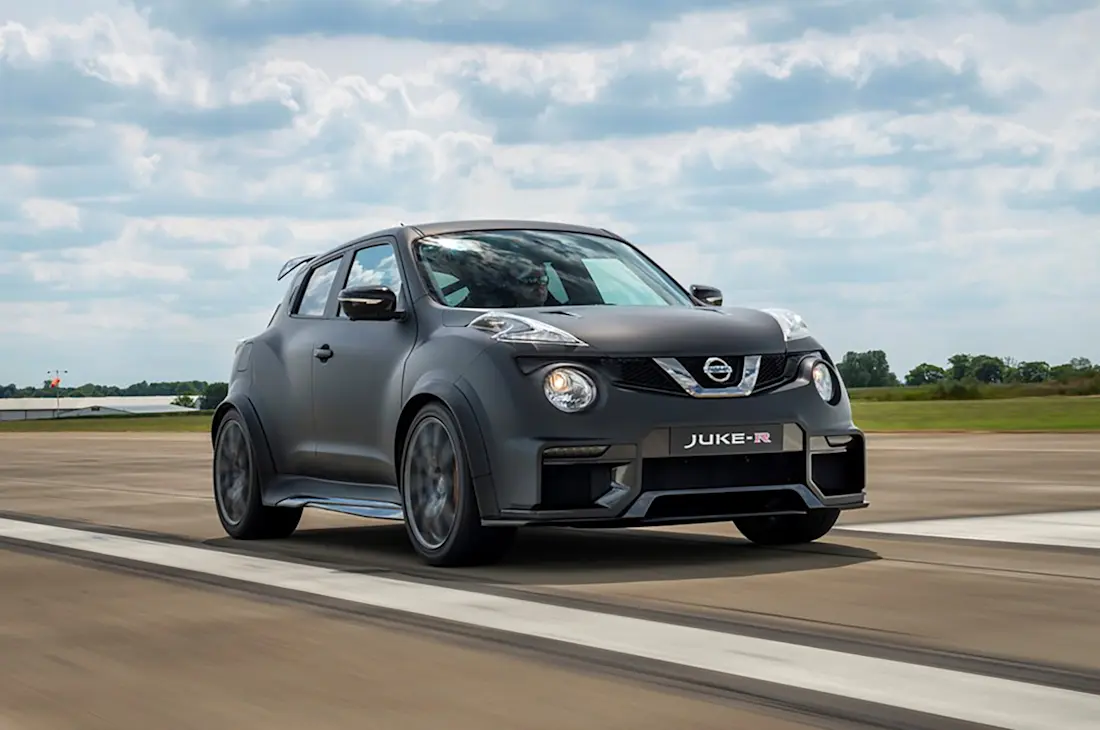
The Nissan Juke R is one of the more visually divisive models in recent memory, with many people criticizing the Juke’s bubbly design. The Juke itself was nothing special either, as it was equipped with a turbocharged 1.6L inline four-cylinder making 188 hp. These figures are not terrible for a subcompact crossover such as the Juke, but certainly not exciting.
The same cannot be said for the Juke R, which ditches the four-cylinder for the engine and drivetrain from the Nissan GT-R supercar. Nissan somehow managed to squeeze the twin-turbo 3.8L V6, which produces 485 hp and 434 lb-ft, into this small crossover. This powertrain is capable of propelling the Juke R from zero to 100 km/h in under four seconds. The Juke R is extremely rare, with a reported production of just 23 units, with an asking price of $590,000 USD in 2012.
Toyota GR Yaris
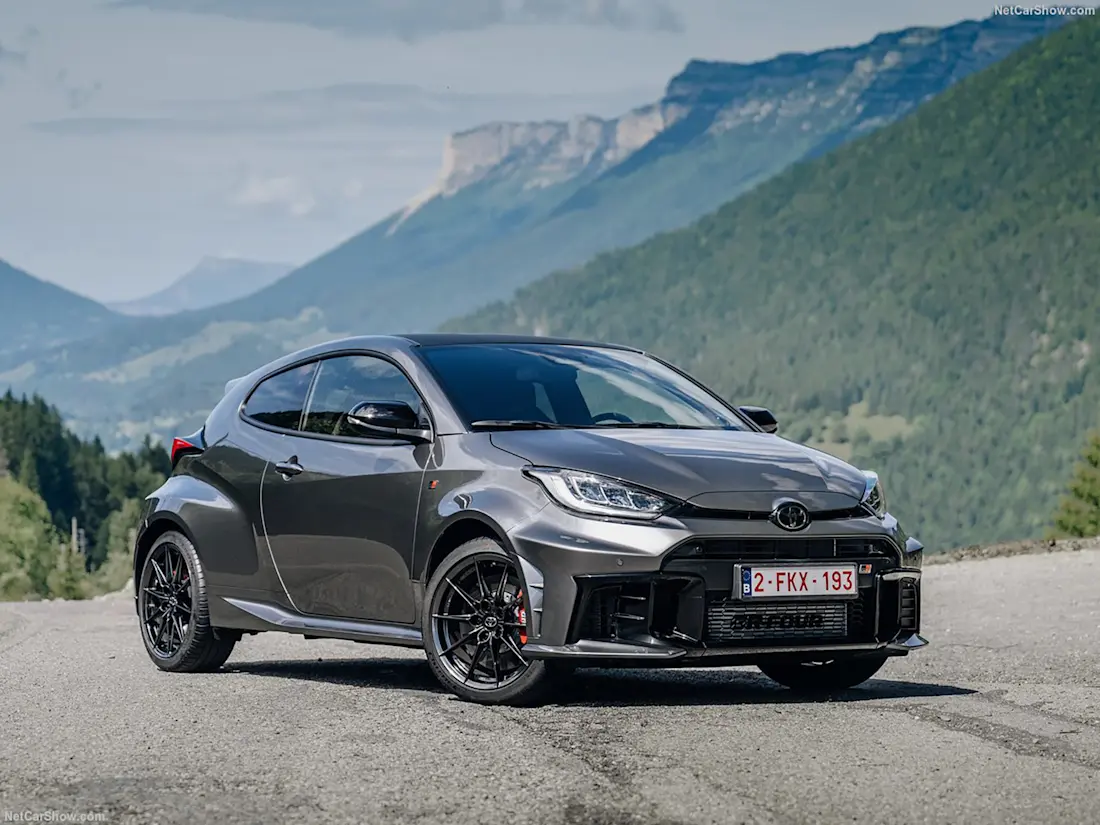
For a manufacturer to compete in the World Rally Championship, 2,500 road-going versions of the race car need to be produced within a 12-month period. This is what the Toyota GR Yaris is: a car homologated to meet road standards, more commonly referred to as a homologation special. The most recent generation Toyota Yaris is unfortunately not sold in Canada. In Europe, the Yaris is a subcompact economy car, equipped with a range of frugal three-cylinder engines, with the most powerful version producing around 120 hp.
Like the regular Yaris, the GR also features a three-cylinder engine, but it’s been heavily modified to produce 296 hp and 295 lb-ft. Since it's a rally car, power is sent to all four wheels via a six-speed manual transmission, or there is also an option of an eight-speed automatic. All this power comes in a car comparable in size to a Fiat 500, making the GR Yaris a pocket rocket. It also looks the part with more aggressive aero and big flared wheel arches. Homologation cars are rare, especially in the 2020s, which is what makes the GR Yaris so special.

All Articles
See all
Own the Road with AutoTrader, Episode 118: The Backlash Against Touchscreens and Return to Buttons
Safer, easier to use, and better looking, buttons are making a comeback.

Planes, Trains and (Electric) Automobiles: A Race to Determine the Pros and Cons of Each
Discovering the best way from Toronto to Quebec City with the Subaru Uncharted.
 Jeff Wilson

AutoTrader Find of the Week: 2004 Porsche Cayenne Turbo is the Cure For Boring
For when practicality doesn’t interfere with fun.
 Chris D’Alessandro