
7 Cool Supercar Concepts from Non-Supercar Brands
 Michael Karant


Automakers typically focus on a specific type of product. Toyota makes reliable and efficient vehicles, Lamborghini makes supercars, and Land Rover makes luxury off-road SUVs. Car brands rarely deviate from the formula that made them successful, as sticking to what they do best is safer than taking risks on new ventures.
For this reason, most automakers rarely produce supercars, as development and manufacturing can be incredibly costly, especially since these high-performance machines require unique parts and components that can’t be sourced from existing company supplies. The success of a supercar is also not guaranteed, as an automaker entering a market segment they have no experience with can be a big financial risk.
Regardless of these risks, some automakers will still tease the public with supercar concepts that are so exciting and promising that you can’t help but get your hopes up. Unfortunately, the concepts on this list have all remained relics of what could have been, with non-supercar brands teasing exuberant high-performance cars that never got to see public roads.
1. BMW Nazca C2 Spider
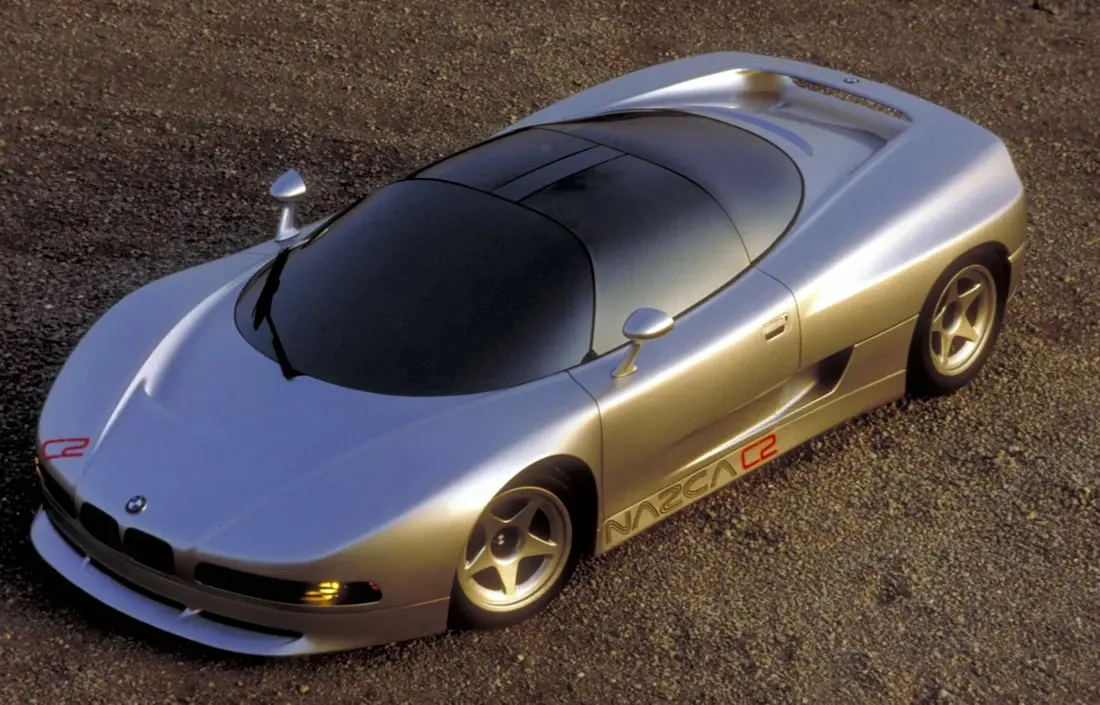
BMW is famous for its performance cars, and models like the M3 and M5 have been benchmark performance sedans for decades. Despite this success, BMW has never truly ventured into the world of supercars apart from the mid-engine M1 from 1978 to 1981 and the i8 plug-in hybrid from 2014 to 2020.
BMW, however, teased the public with an exciting supercar concept in the early 1990s called the Nazca C2. It featured a V12 from the BMW 850 CSI, and while its 380 hp doesn’t sound impressive, the C2 was very light, weighing in at 1,041 kg. It featured a beautiful, sleek body courtesy of Italdesign and had a claimed top speed of 311 km/h. The Nazca C2 was intended to be a spiritual successor to the M1, but BMW was hesitant about it, resulting in the project being cancelled with just three concepts produced.
2. Volkswagen W12 Nardo
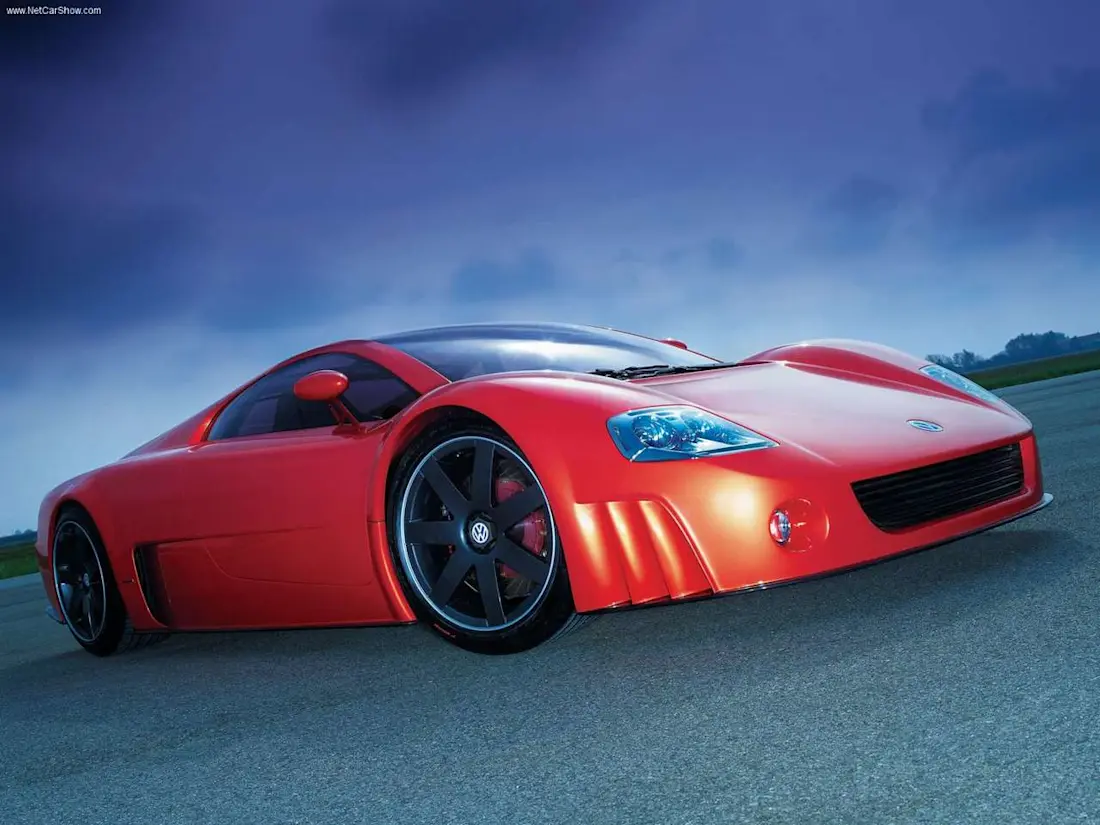
Volkswagen typically focuses on bringing German engineering to the masses by making affordable commuter cars, with the GTI and Golf R giving the brand some performance credentials. The Volkswagen Group also owns several performance brands including Bugatti, Lamborghini, and Porsche, which is why the idea of a supercar wearing a VW badge never made much sense.
But this didn’t stop the brand from coming out with a supercar concept in 1997 called the W12 Nardo. As the name suggests, the Nardo was powered by a naturally aspirated 5.6L W12 engine, created by combining two 2.8L VR6 engines. The first iteration of the Nardo made 414 hp, sent to all four wheels via a six-speed manual transmission.
In 2001, VW reworked the Nardo’s W12 and increased its power to 591 hp, allowing it to accelerate from zero to 100 km/h in just 3.5 seconds, truly impressive by the standards of the early 2000s. The following year, VW took the Nardo W12 to the Nardo test ring in Italy, where it set a 24-hour distance record, covering 7,740 km in 24 hours with an average speed of 322 km/h, a record it still holds today.
3. Chrysler ME-412
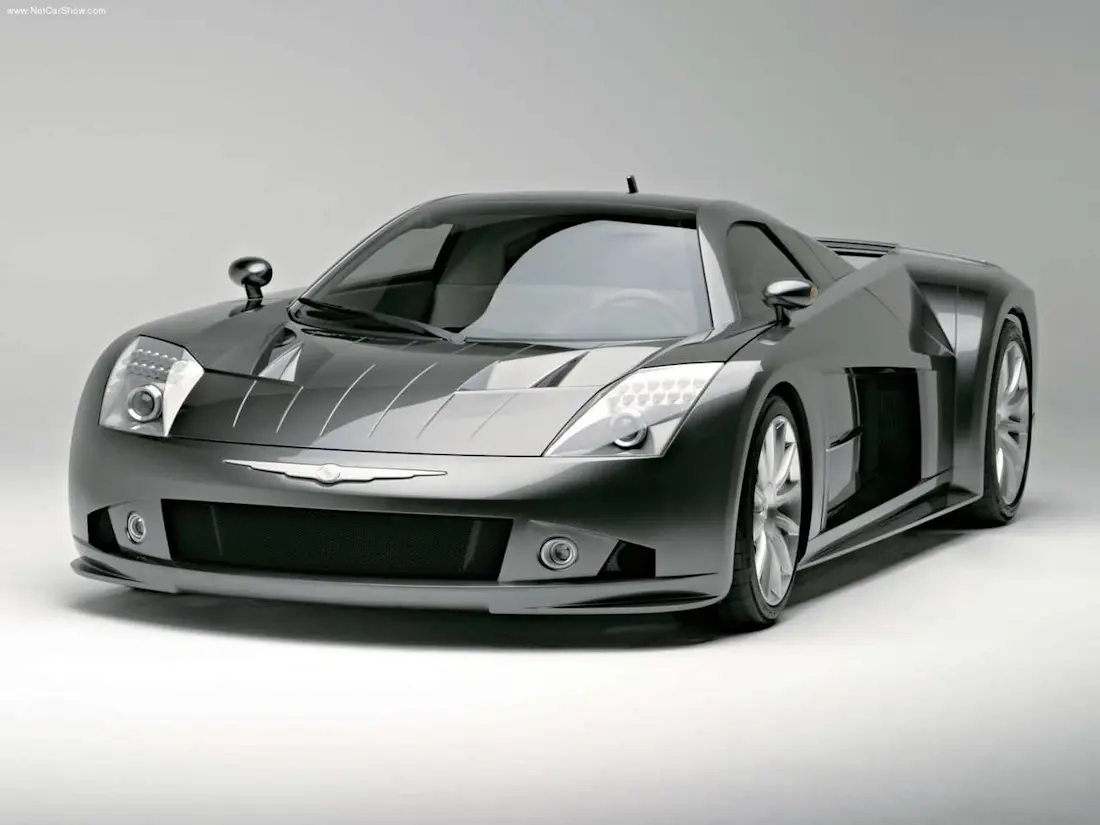
It's easy to forget that Mercedes and Chrysler were once in an automotive partnership in the early 2000s because most of the models to come from the merger were underwhelming.
The most exciting car to come from the partnership, the Chrysler ME-412 concept, unfortunately never saw the light of day. The name refers to the layout of the car: mid-engined, four turbochargers, and 12 cylinders. The engine was the Mercedes contribution to the project, a V12 found in the 1990s Mercedes S-Class and early Pagani Zonda models, modified with four turbos to output 850 hp. This gave the ME-412 a claimed zero-to-100-km/h acceleration time of just 2.9 seconds and a claimed top speed of 399 km/h, which would have closely rivalled the Bugatti Veyron.
4. Cadillac Cien
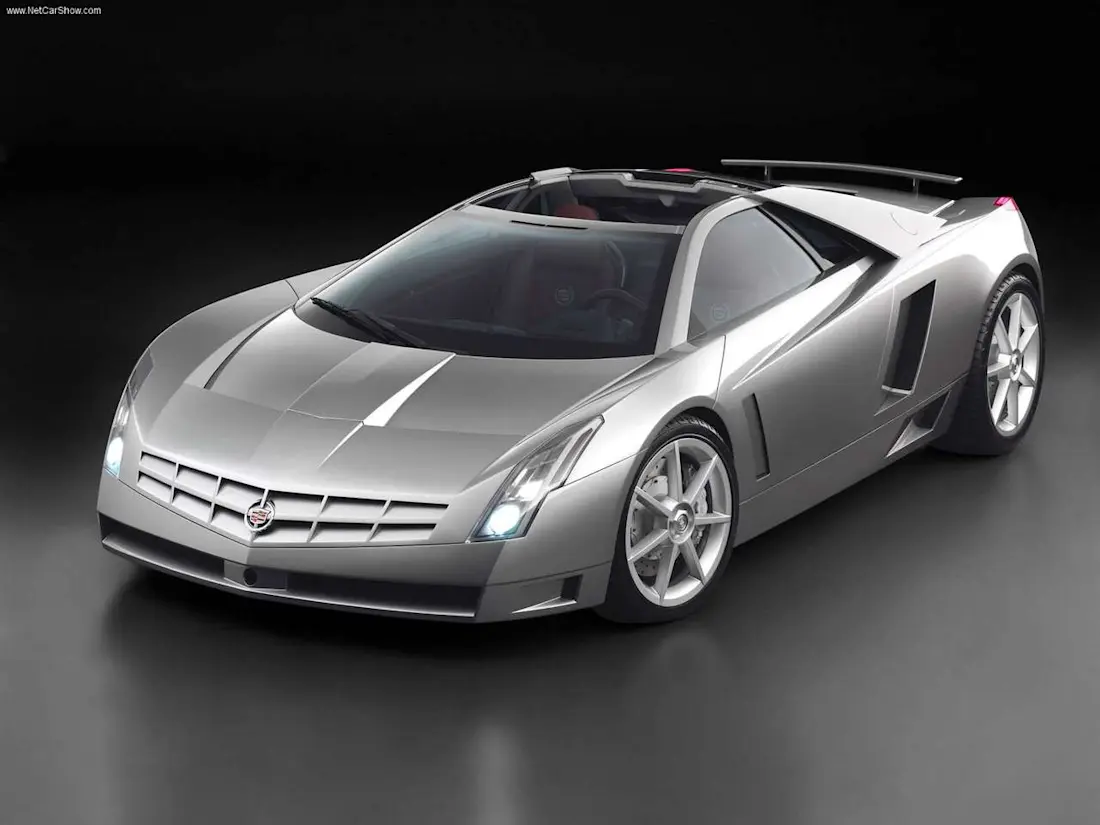
For years, Cadillac produced large luxury sedans that attempted to compete with similar cars from European brands such as BMW and Mercedes, but it was tough for the American brand to keep up, as it had a reputation for attracting an older audience. In 2000, Cadillac attempted to address its image by appealing to a younger clientele through “Art and Science.” This was a new direction for the brand that emphasized modern design and performance.
This strategy included some exciting concept cars, and the coolest was the Cien supercar. Released in 2002, the Cien was intended to celebrate the brand’s 100th anniversary. Painted in silver and with dramatic scissor doors, it was striking and visually inspired by the F-22 fighter jet.
The engine was equally impressive, a 7.5L V12 producing 750 hp and 650 lb-ft, with power sent to the rear wheels via a six-speed manual transmission. These were very promising figures that could scare any Ferrari and Lamborghini owner. The Cadillac Cien was a truly impressive concept that showed the public what a mid-engined supercar from General Motors could have looked like before the C8 Corvette was released 18 years later.
5. Jaguar C-X75
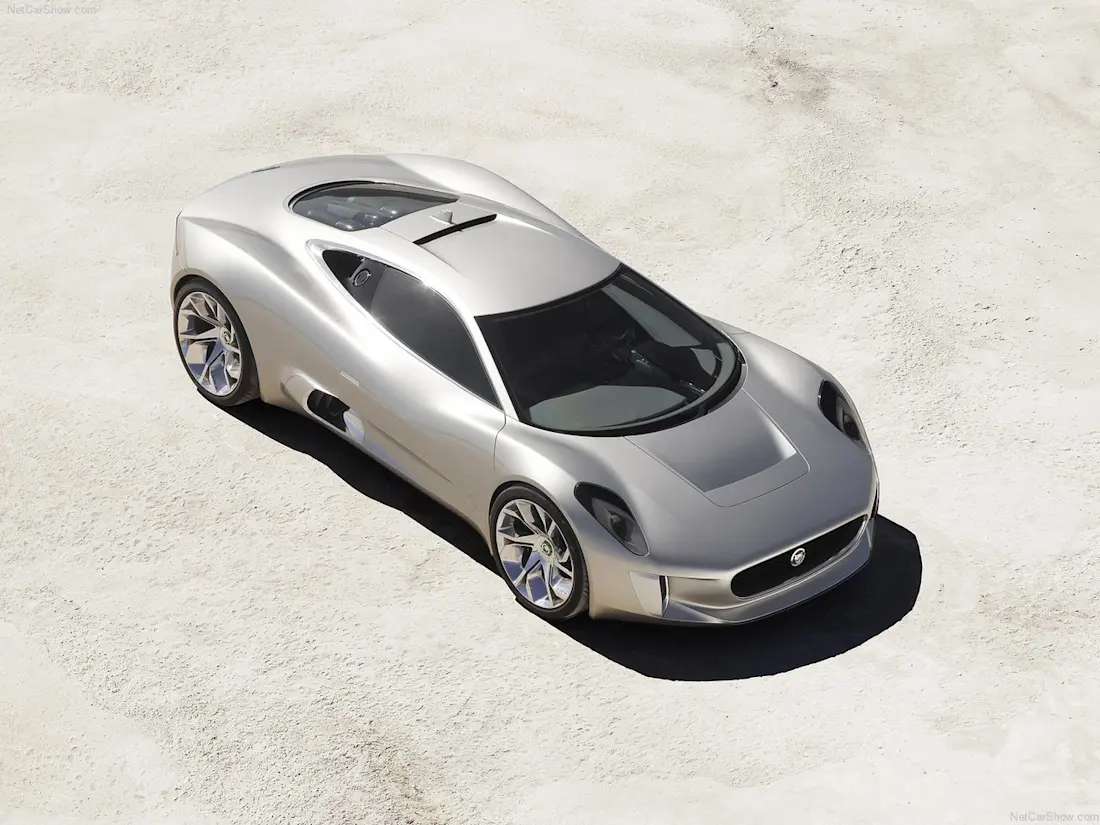
Jaguar has a strong performance heritage, but despite this, it hasn’t really ventured into supercar territory apart from the XJ220. For the brand’s 75th anniversary, Jaguar showcased the C-X75, a mid-engined hybrid supercar that looks just as good today as it did in 2010. The C-X75 was powered by a twin-charged 1.6L inline four-cylinder engine connected to electric motors, resulting in a combined power output of 850 hp. Jaguar intended to produce the C-X75 for a limited run of 250 units. The car was ultimately cancelled due to timing, as following the 2008 recession, the demand for a supercar costing over $1 million was low. Despite this, the C-X75 made an appearance in the 2015 James Bond movie Spectre as the villain's car, chasing Bond’s Aston Martin through the streets of Rome.
6. Bentley Hunaudieres
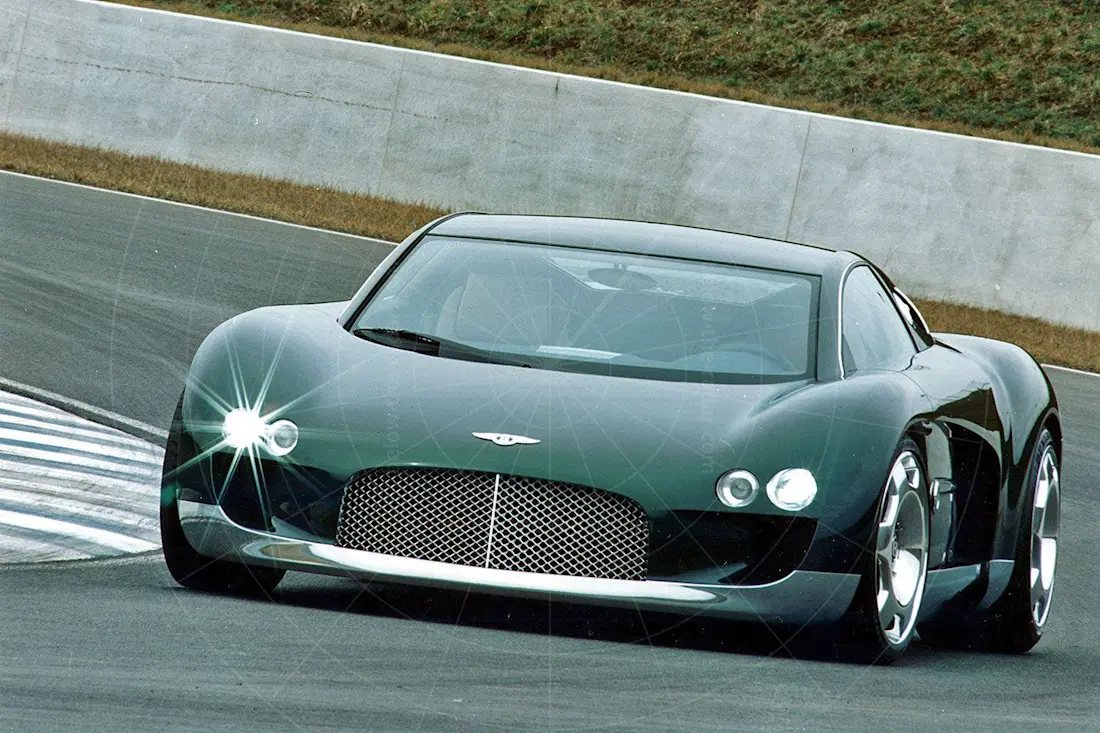
Bentley is a high-end ultra-luxury brand that focuses on comfortable, fast grand tourers, but it established a strong racing heritage during the 1920s and ‘30s. Despite its strong performance in motorsports at that time, the brand hasn’t fully embraced this heritage in its road cars.
The 1999 Bentley Hunaudieres concept, however, proved that the brand can combine elegance and performance in a car harking back to its history in motorsports. The Hunaudieres had an engine to match its sporty looks, and featured a naturally aspirated W16 engine outputting 623 hp and 561 lb-ft. Power was sent to all four wheels via a five-speed manual transmission. This configuration is very similar to other early Bugatti Veyron concepts, such as the EB 18/4, and the aforementioned VW Nardo W12, which makes sense since Bentley is owned by the Volkswagen Group.
Bentley would ultimately never introduce a supercar to its lineup, but the spirit of the Hunaudieres lived on in the Veyron, which utilizes a quad-turbo W16 engine producing over 1,000 hp that famously made the Veyron the world’s fastest road car.
7. Nissan MID4
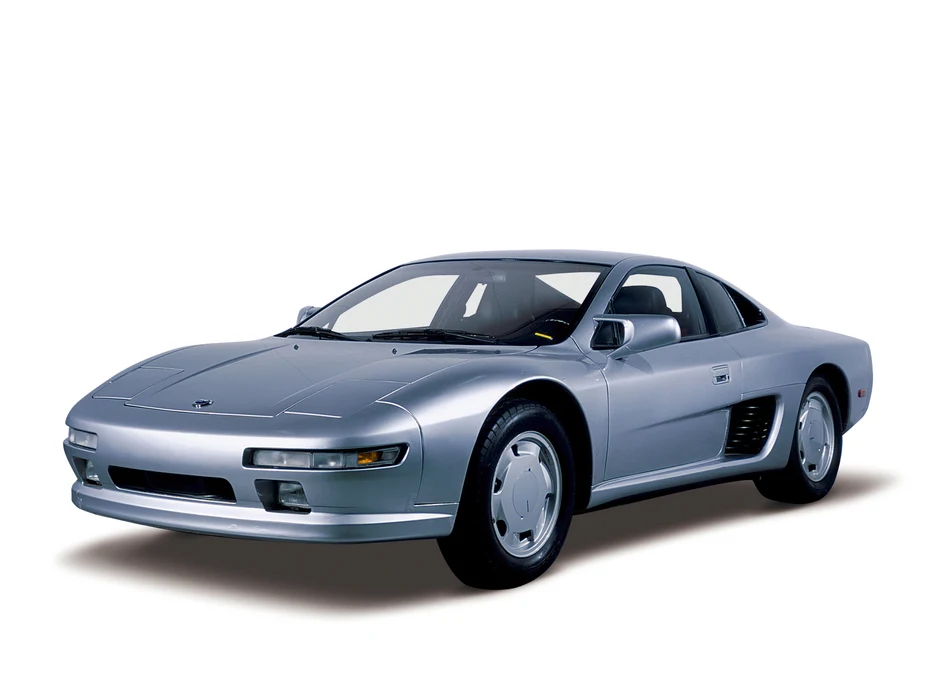
The Acura NSX remains Japan’s most famous mid-engine supercar, but before that, Nissan had a compelling concept nearly ready for production called the MID4. The MID4 was first unveiled in 1985, and as the name suggests, the engine was mid-mounted, and power was sent to all four wheels. The first iteration of the MID4 featured a transversely mounted naturally aspirated 3.0L V6 engine producing 242 hp, making it nearly as powerful as the Acura NSX at 250 hp. Notably, the MID4 had four-wheel steering, an innovative feature for the 1980s that would eventually make an appearance on the Nissan Skyline GT-R. A second version of the MID4 was showcased in 1987 with a twin-turbocharged V6 making 325 hp and 282 lb-ft, which would have made it a very quick supercar by 1980s standards, easily rivalling entry-level Ferraris of the time.

All Articles
See all
Own the Road with AutoTrader, Episode 118: The Backlash Against Touchscreens and Return to Buttons
Safer, easier to use, and better looking, buttons are making a comeback.

Planes, Trains and (Electric) Automobiles: A Race to Determine the Pros and Cons of Each
Discovering the best way from Toronto to Quebec City with the Subaru Uncharted.
 Jeff Wilson

AutoTrader Find of the Week: 2004 Porsche Cayenne Turbo is the Cure For Boring
For when practicality doesn’t interfere with fun.
 Chris D’Alessandro