
6 Polarizing New Car Designs That Went on to Become Classics
 John LeBlanc


The Ferrari Luce has met immediate, intense backlash after its recent reveal. Critics have slammed Ferrari's first fully electric vehicle, co-developed with former Apple head of design, Jony Ive, for abandoning the brand's aggressive, performance-driven design aesthetic in favour of a minimalist approach.
Only time will tell. But the unloved Luce would not be the first radical automotive design to face purist backlash and later be embraced. Here are six polarizing new car designs that ultimately became classics.
2006-2015 Audi R8
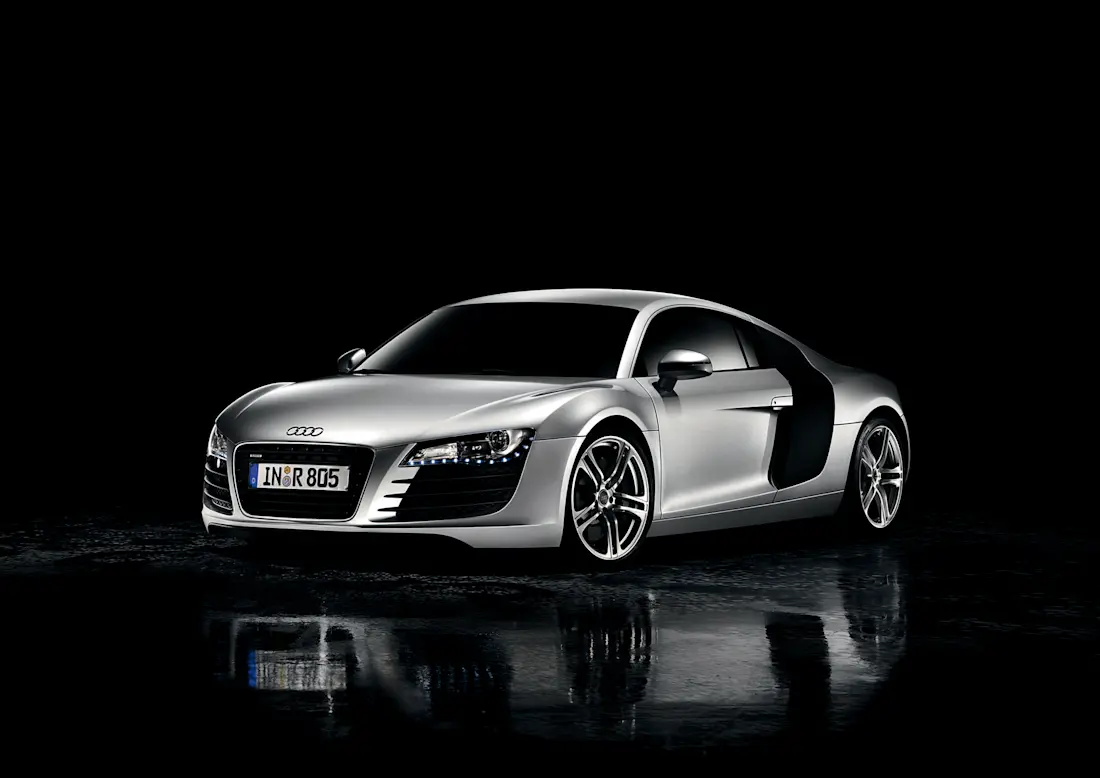
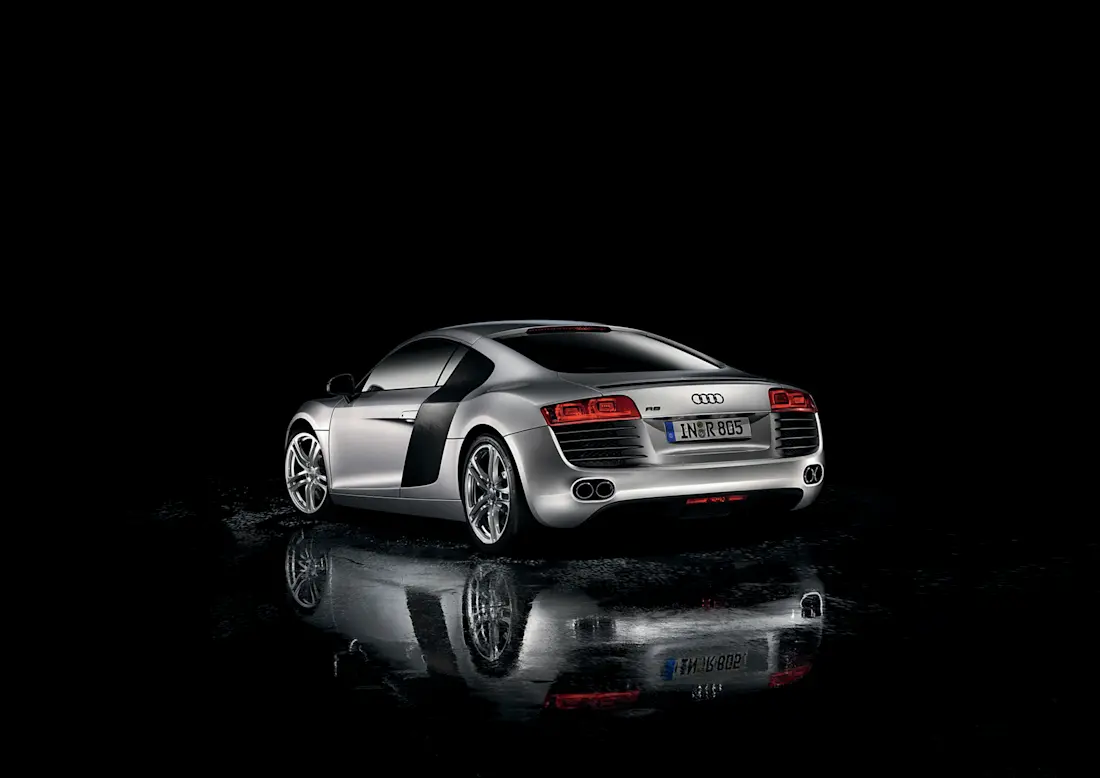
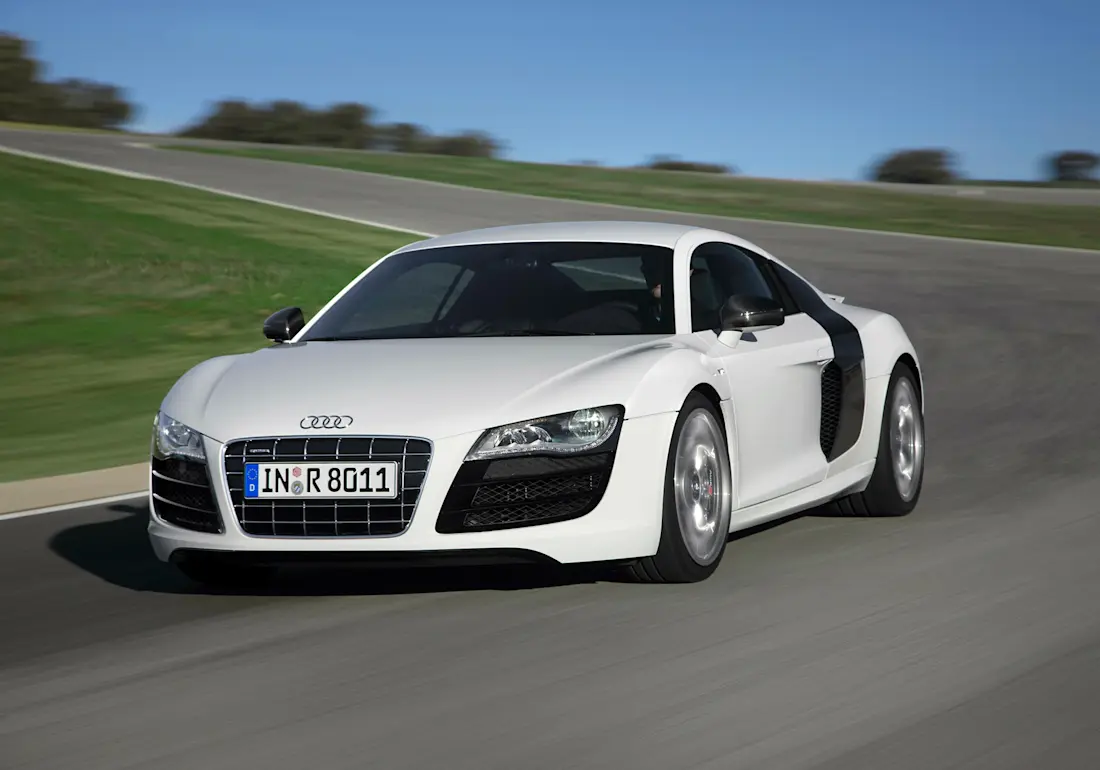
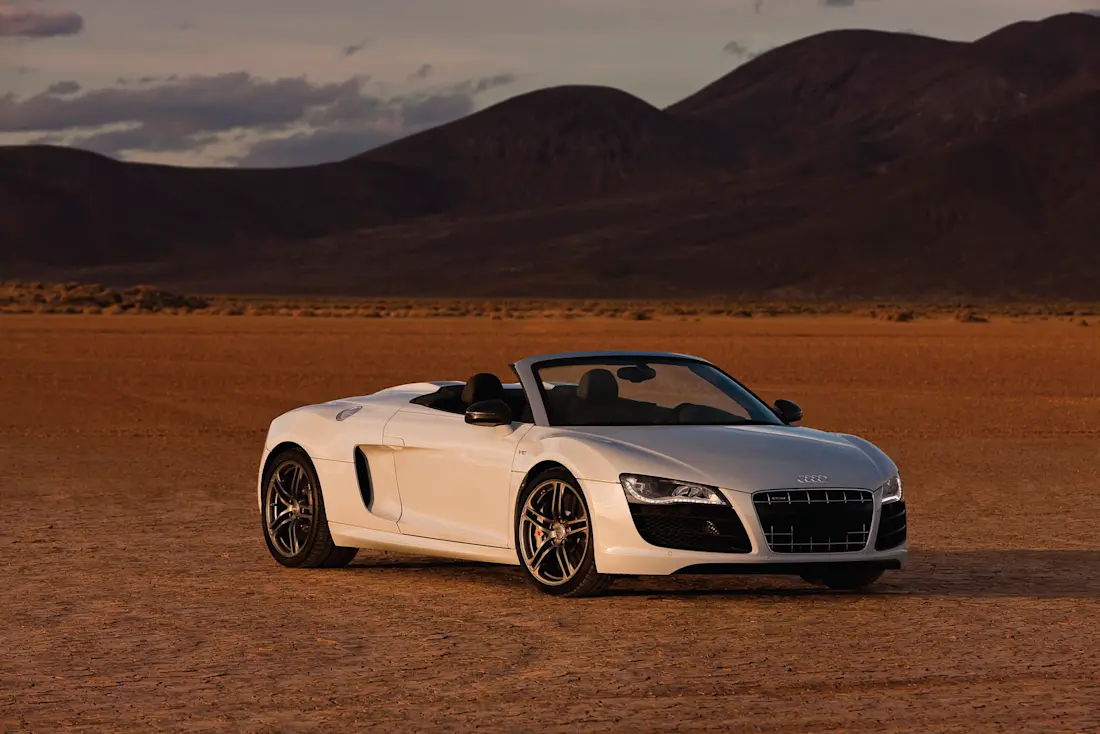
Beginning with its show-car predecessor, the 2003 Audi Le Mans, the R8 led the German luxury brand’s design resurgence in the early 2000s. As a mid-engine two-seat supercar with all-wheel drive, it shared its aluminum spaceframe with the Lamborghini Gallardo and, at roughly half the price, was among the most accessible supercars. But that amazing value prop wasn’t enough to keep the peanut gallery at bay. When the first-generation R8 debuted, its futuristic looks polarized plenty of supercar fans.
Traditionalists argued it looked like a glorified, slightly larger Audi TT. The most controversial design feature was the R8’s wide, contrasting vertical panels behind its doors. Critics felt these "side blades" disrupted the car's sleek, flowing lines, as if the car were visually chopped in half. Many also thought it seemed too subdued, sensible, and "corporate" compared to the more dramatic, razor-sharp styling of rival supercars from Lamborghini, McLaren, or Ferrari.
The Audi’s overall minimalist restraint has allowed the R8 to age far more gracefully than its 2000s rivals. By the end of its run in 2015, the criticism had faded. Today, the R8 is viewed as a timeless, analogue-feeling masterpiece that redefined supercar usability.
While its contemporaries relied on harsh angles and busy aerodynamic vents, the original R8 is now appreciated for its clean, smooth, cab-forward proportions. It was the first production car with a row of LED daytime running lights beneath the headlamps. Adding to its iconic status, the once-hated contrasting side blades are now seen as a design genius. They remain a key part of the design language of the R8’s spiritual supercar successor, the recently revealed Audi Nuvolari.
2003-2010 BMW 5 Series
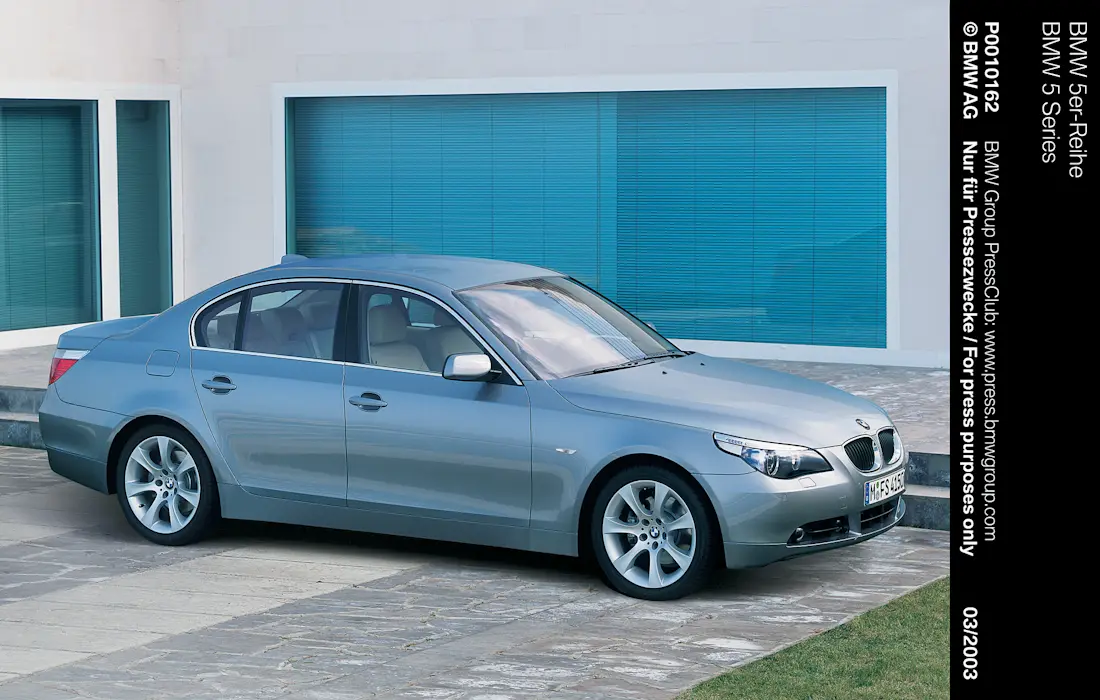
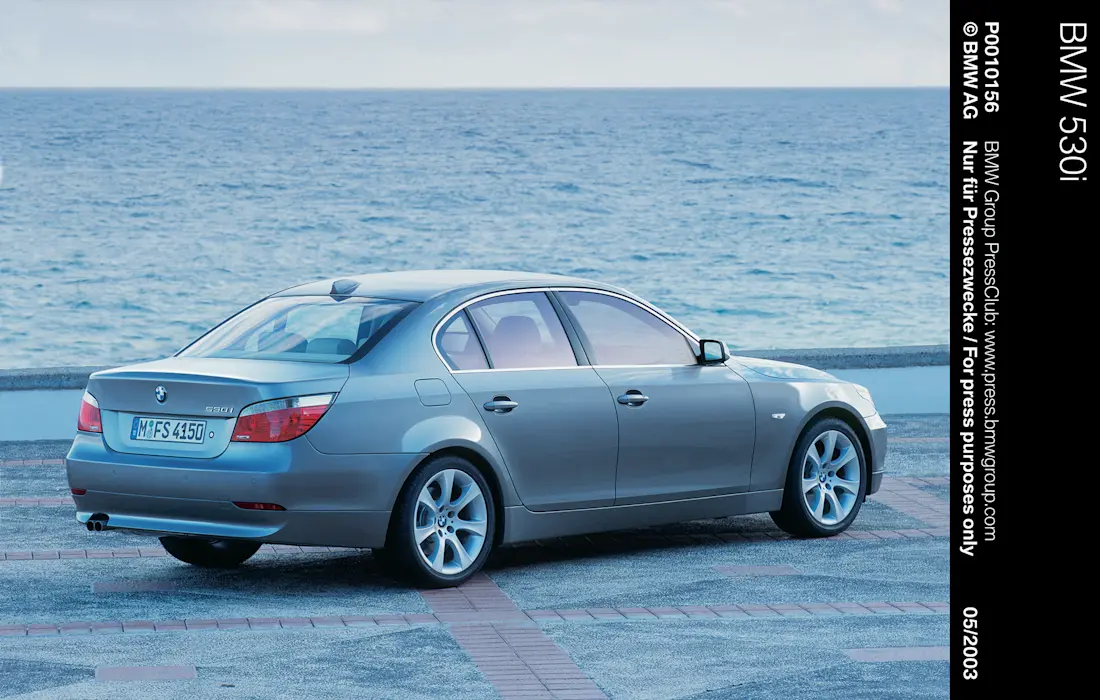
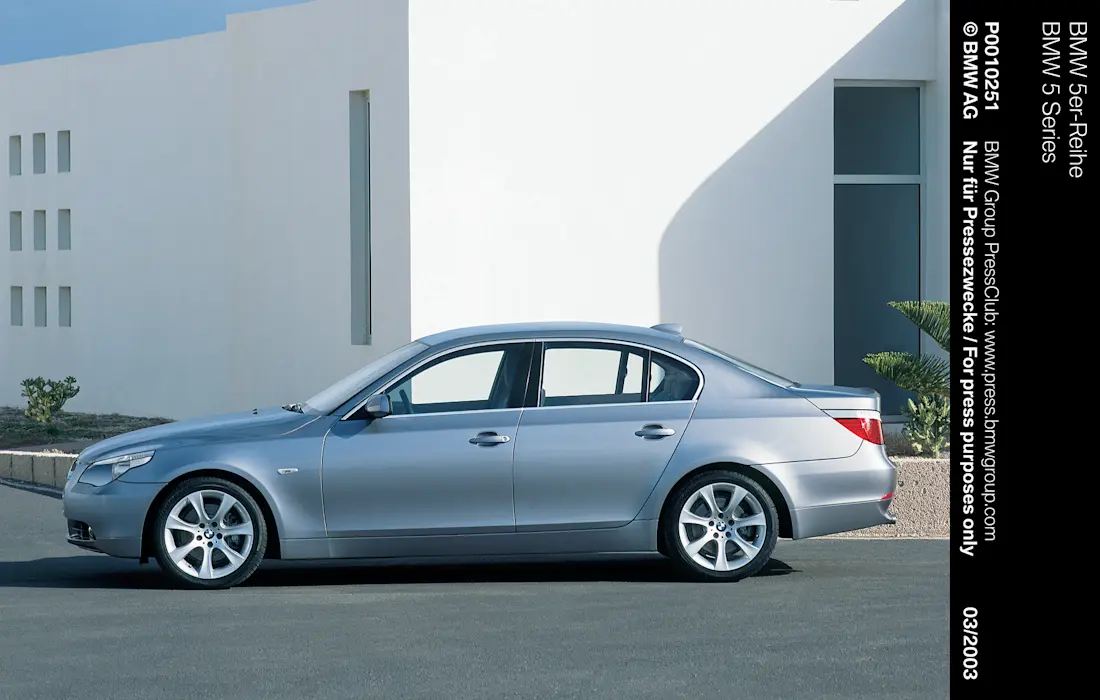
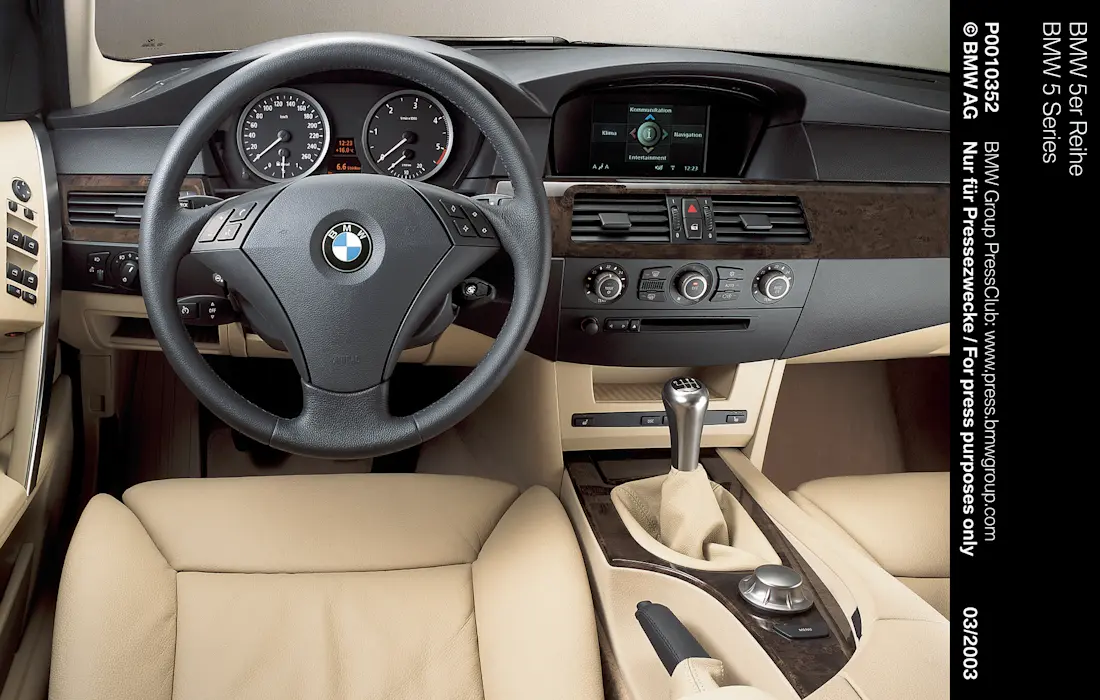
Starting in the 1960s, BMW prioritized engineering, creating a lineup of nearly identical cars differing only in size. Three decades later, the German automaker shifted course with striking, polarizing designs that made traditional fans wince when first seen.
The change started in the early 1990s. Chris Bangle became the first non-German to serve as BMW's Chief of Design. He introduced a design philosophy known as "flame surfacing," which used intersecting concave and convex surfaces to catch the light in dramatic ways. It first appeared on the 1999 Z9 Gran Turismo concept car before being applied to the production 2001 7 Series luxury sedan. Bangle’s distinctive approach continued with the Z4 roadster, the 1 Series, and the X3, X5, and X6 SUVs.
However, the 2002 BMW 5 Series (E60) mid-size sedan sparked the most controversy. Critics felt the E60 strayed from BMW's classic, clean, horizontal lines. Its "Bangle butt" sat high and appeared disconnected from the rear. Even the 5 Series’ eagle-eye headlights drew criticism. Many felt they looked cartoonish and gave the car an angry, un-BMW-like expression.
While its predecessor (the E39) was the pinnacle of traditional, old-school BMW design, the E60 marked a turning point, becoming recognized as the definitive symbol of bold, futuristic design. Compared to today's larger sedans, the E60 has a lean, athletic stance with short overhangs and a wide track. Its pinnacle was the E60 M5 super sedan, with flared arches, quad exhausts, and a Formula 1-derived V10 engine, making it a holy-grail collector car.
Despite intense initial criticism from purists, BMW’s controversial design shift led to growing sales worldwide. Without a bit of irony, Bangle’s designs were copied by several rivals, including the 2005 Mercedes-Benz S-Class luxury sedan.
2003-2011 Honda Element
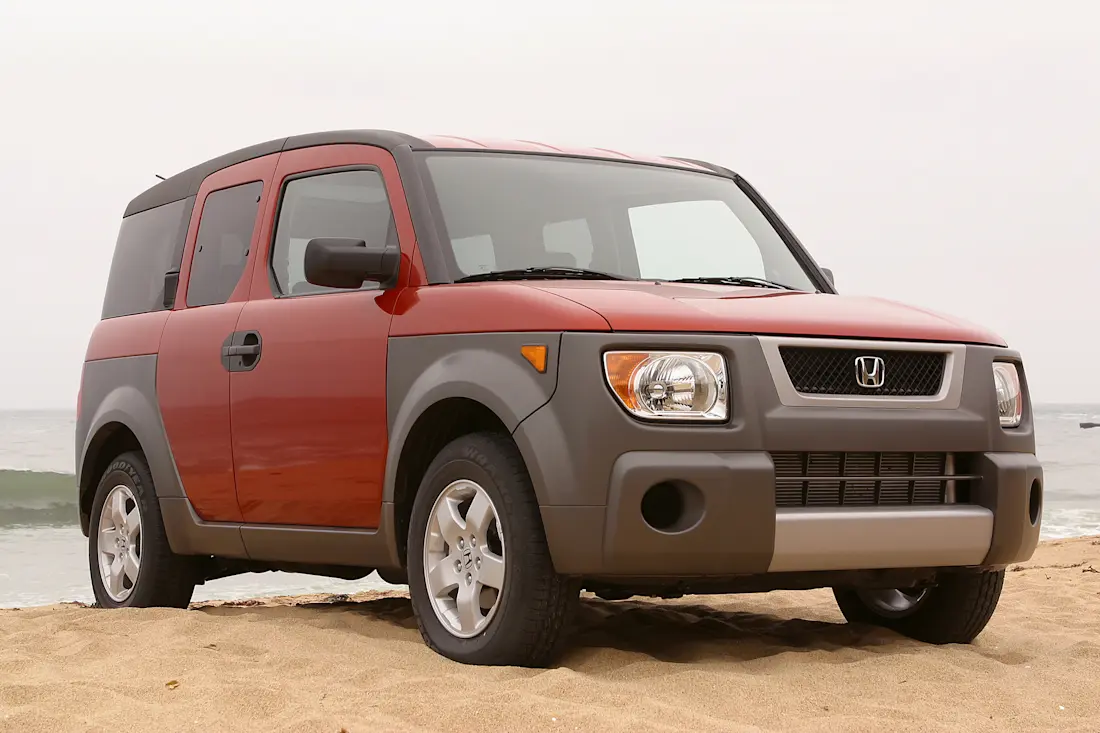
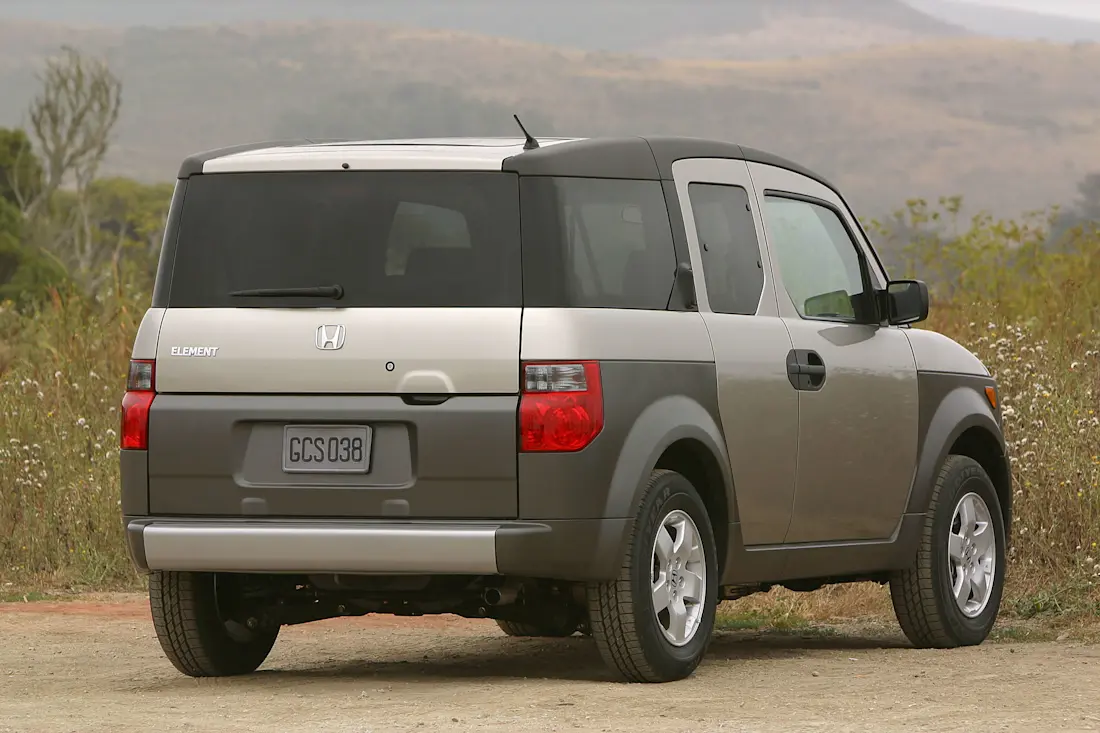
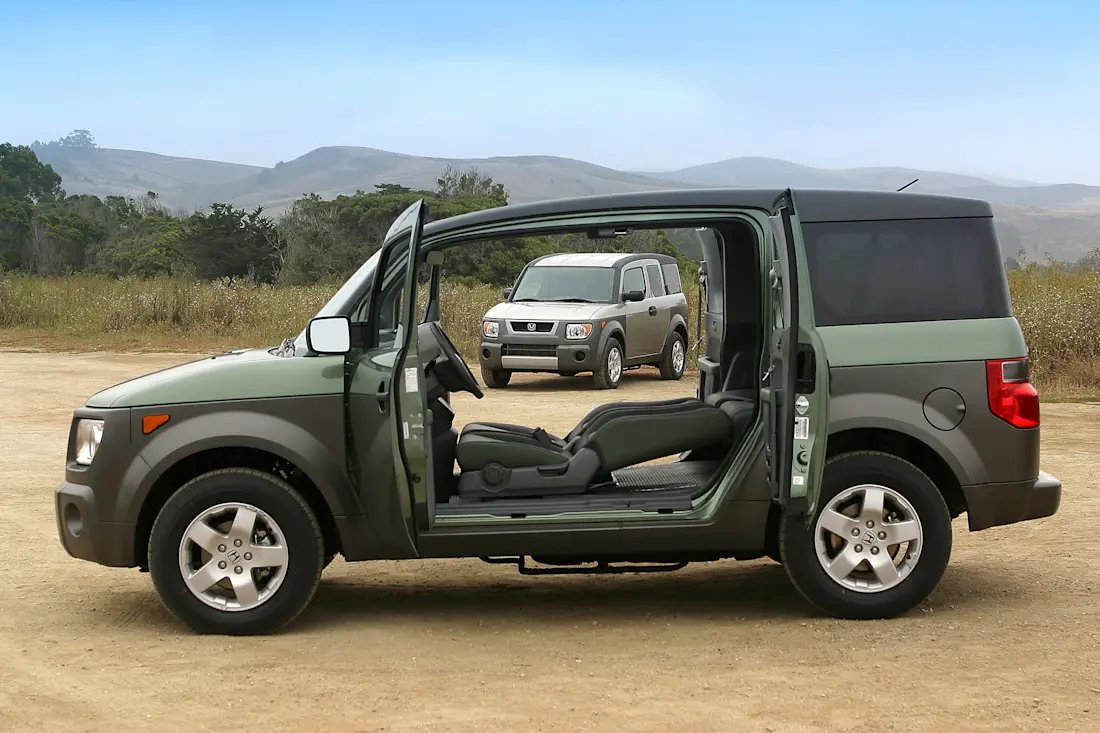
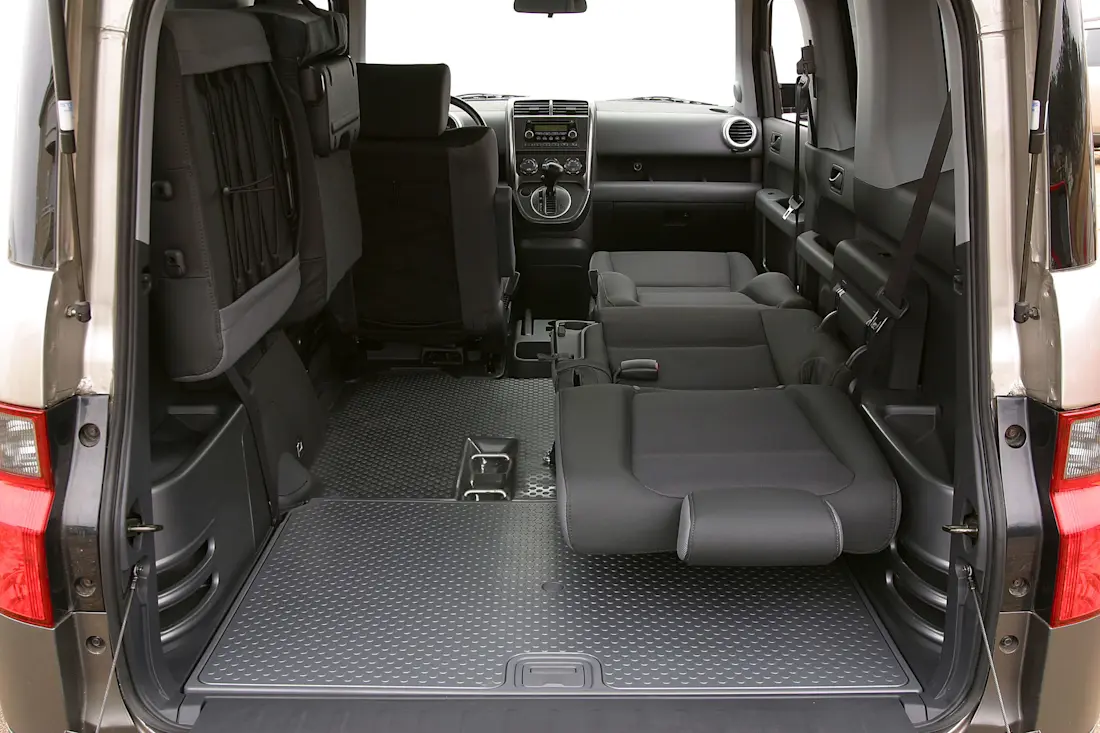
At its debut, Honda explained the CR-V-based Element was designed for a “new generation of vehicle buyer who seeks room for bulky items like big sports gear but doesn't want a pickup truck or a large, expensive SUV.”
But critics were less kind.
The Element received its share of boos soon after launch. Its unpainted gray plastic cladding covering the fenders and bumpers looked cheap and unfinished, earning it comparisons to an industrial toolbox or a plastic toy. Its stark, upright, and geometric proportions completely broke away from the sleek, rounded SUV and crossover design trends of the early 2000s. Then there were its rear-hinged side doors. They could only be opened after the front doors, which many early reviewers found annoying and impractical for daily passenger use.
However, perceptions have shifted over time. Two decades later, outdoor enthusiasts and van lifers are vigorously hunting down the last few remaining Elements for their unmatched versatility and utility.
Part of the Element’s appeal lies in its boxy shape, which maximizes every millimetre of interior space. Features like side-flipping rear seats, a split tailgate, and a flat floor give it Swiss Army knife-level usability. What was once considered cheap, like the textured urethane flooring and stain-resistant fabric, is now praised as ideal for camping, pets, and muddy gear. Those exterior plastic panels, initially criticized, have also proved highly scratch-resistant and easily replaceable.
Of course, the Element still only seats four. Its doors remain inconvenient if you’re dropping off the kids at band practice, and it’s still underpowered and not that much fun to drive. Yet despite these limitations, the hose-it-out interior and ample room for Fido or a few other four-legged friends to romp around in the back en route to the dog park help the Element stand out instantly in a market now flooded with identical-looking SUVs.
1997-2002 Plymouth Prowler
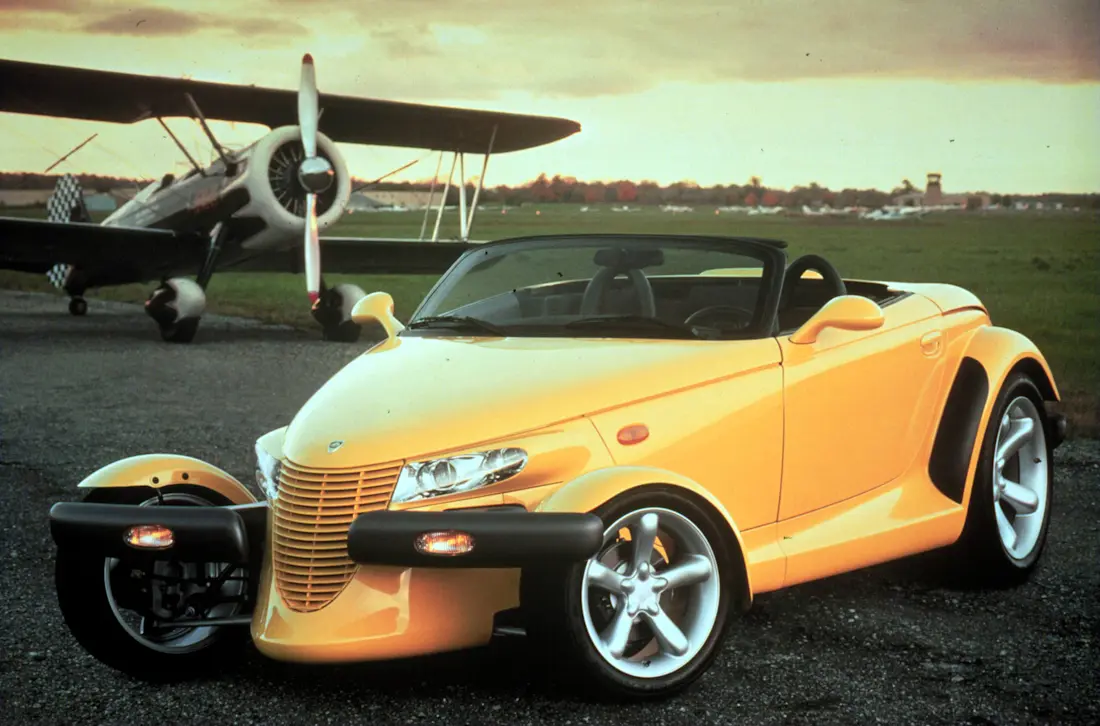
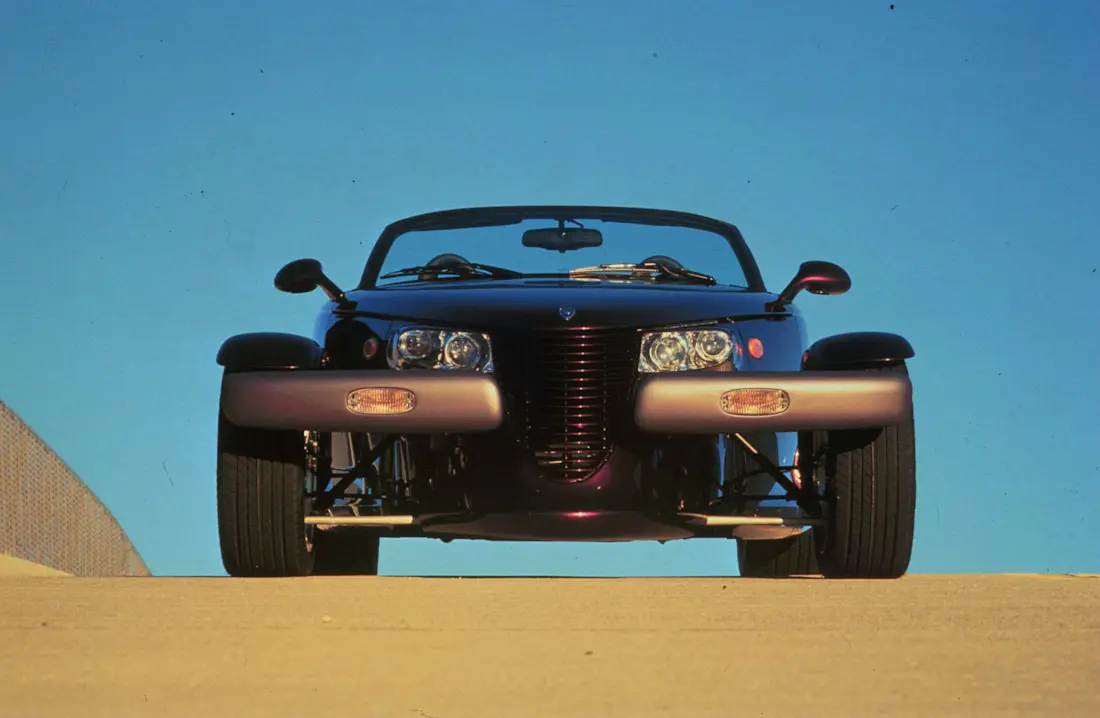
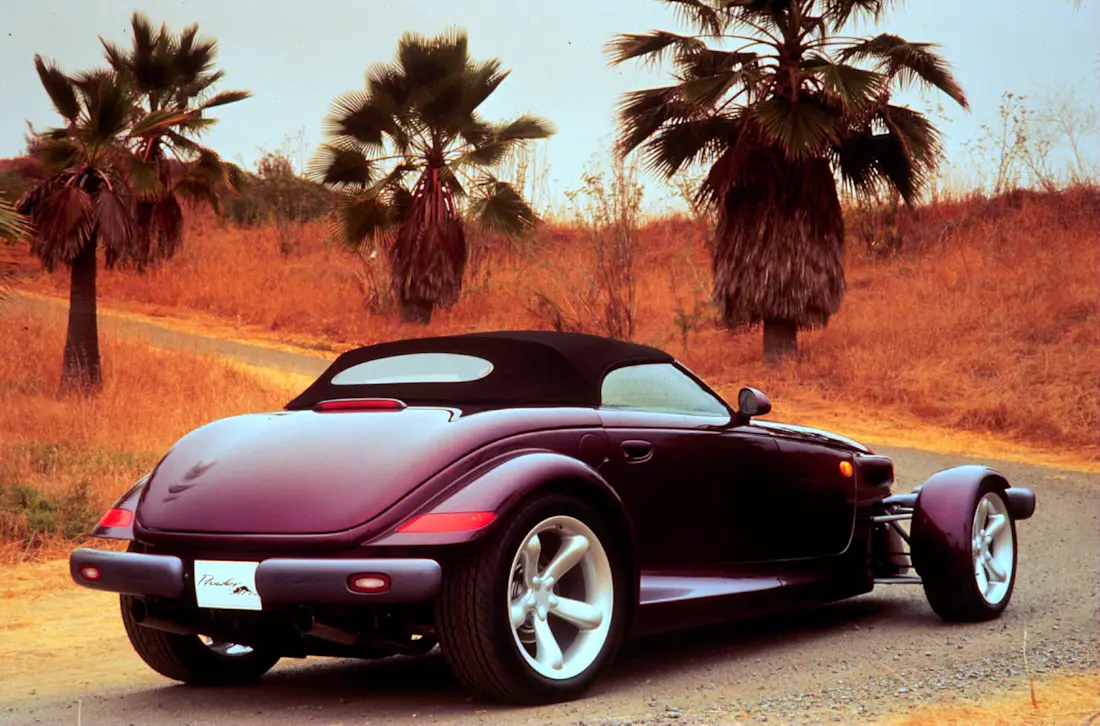
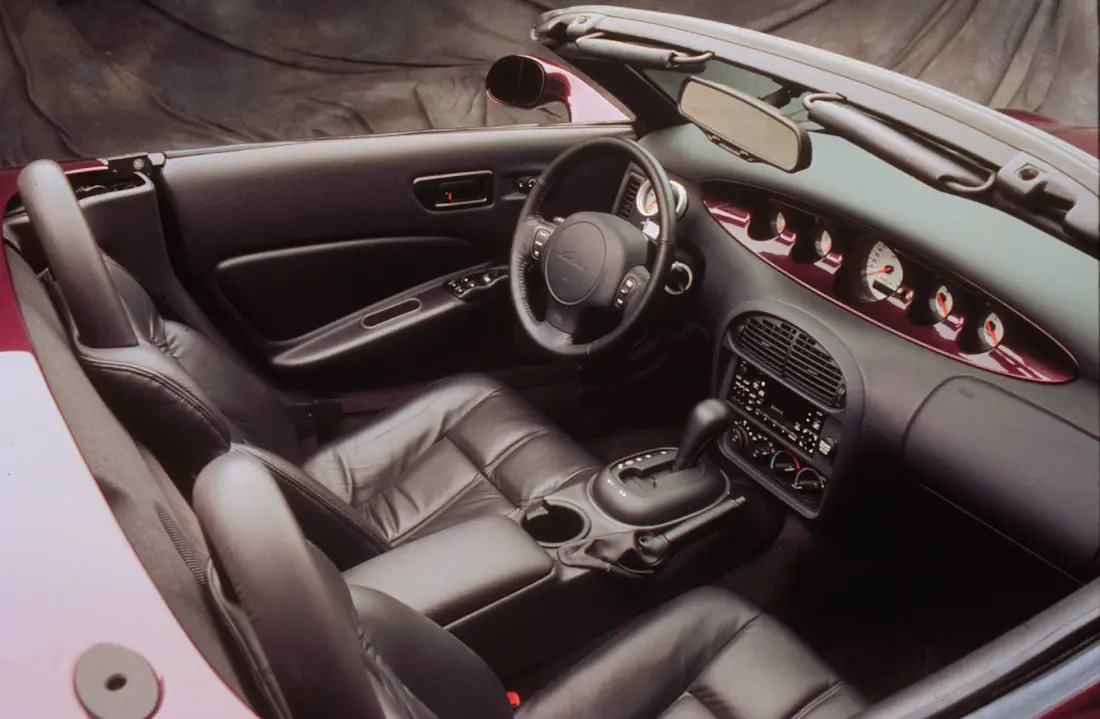
Rather than investing in small, fuel-efficient, and well-made family cars to compete with Japanese or Korean manufacturers, Chrysler executives conceived the Prowler roadster as a highly unconventional "factory hot rod" to revitalize the Plymouth brand as its sales declined in the 1990s.
The two-seat Prowler, based on the 1993 concept of the same name, targeted Boomer nostalgia with a nod to the classic Ford hot rods from the 1930s. Yet its mediocre powertrain failed to deliver on those fantasies.
Despite its aggressive, retro dragster appearance, which leaves you with an expectation of a burbling V8, Chrysler opted for a 3.5-litre V6 from its sedans; a choice widely regarded as underwhelming. The lack of a manual transmission further diluted its hot-rod credentials. Externally, the Prowler had to comply with modern safety standards that did not exist in the 1930s. The mandatory black plastic bumpers on the front wheels compromised its open-wheel, hot-rod look. At the same time, its dramatically styled rear deck offered almost no cargo space, forcing many Prowler owners to tow a trailer for additional storage on road trips.
Despite these initial complaints, the Prowler’s unique style has, over time, earned it a small legion of loyal followers.
In a modern era dominated by generic automotive design, the Prowler’s dramatic wedge shape, massive rear tires, and low stance maintained a concept-car look. The underlying technology was advanced: its aircraft-grade bonded-aluminum chassis and suspension are now recognized for their innovation. While collectors routinely remove the Plymouth roadster’s criticized factory front bumpers and install sleek aftermarket kits to restore the hot-rod silhouette originally intended by its designers.
With only about 11,000 units produced, the Plymouth Prowler is firmly established as a 1990s design icon.
1997-2005 Porsche 911
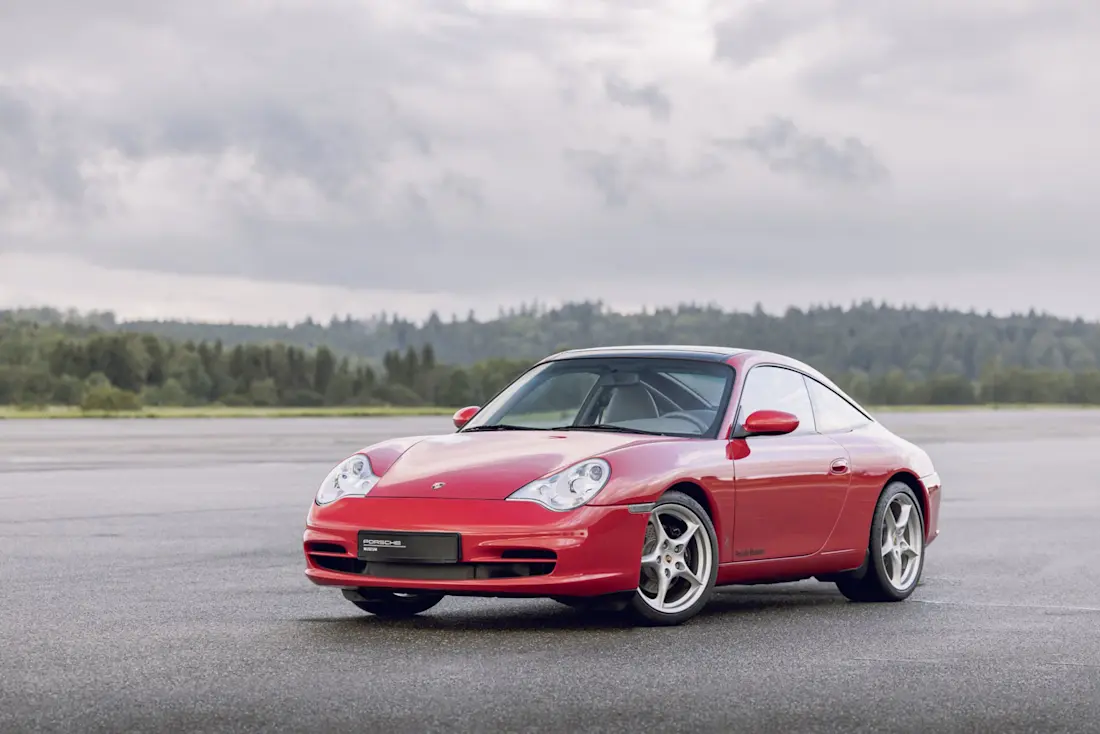
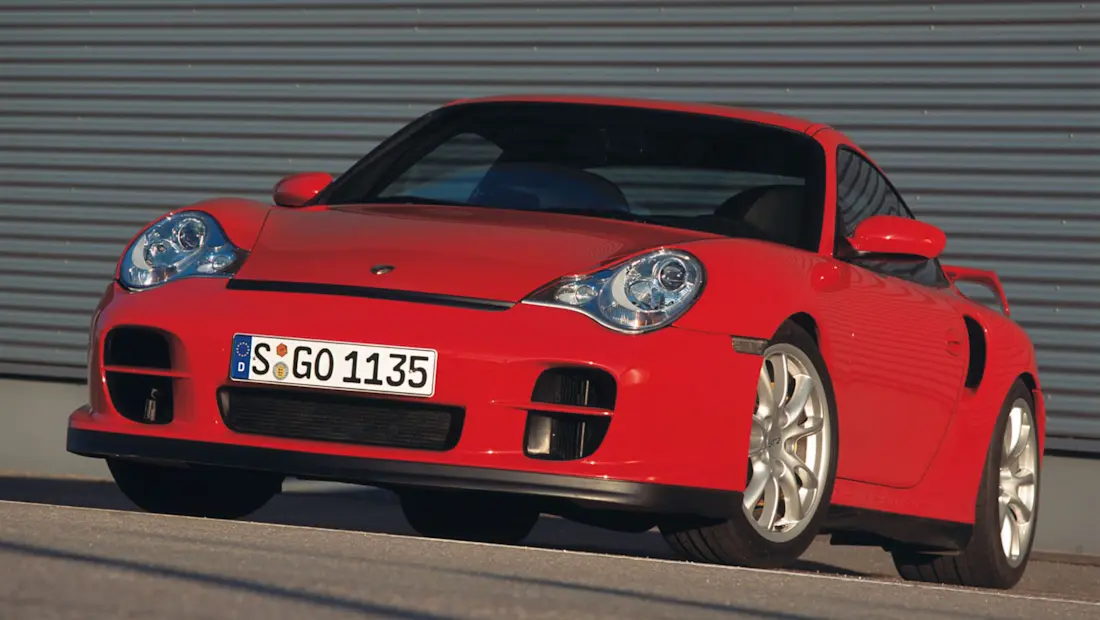
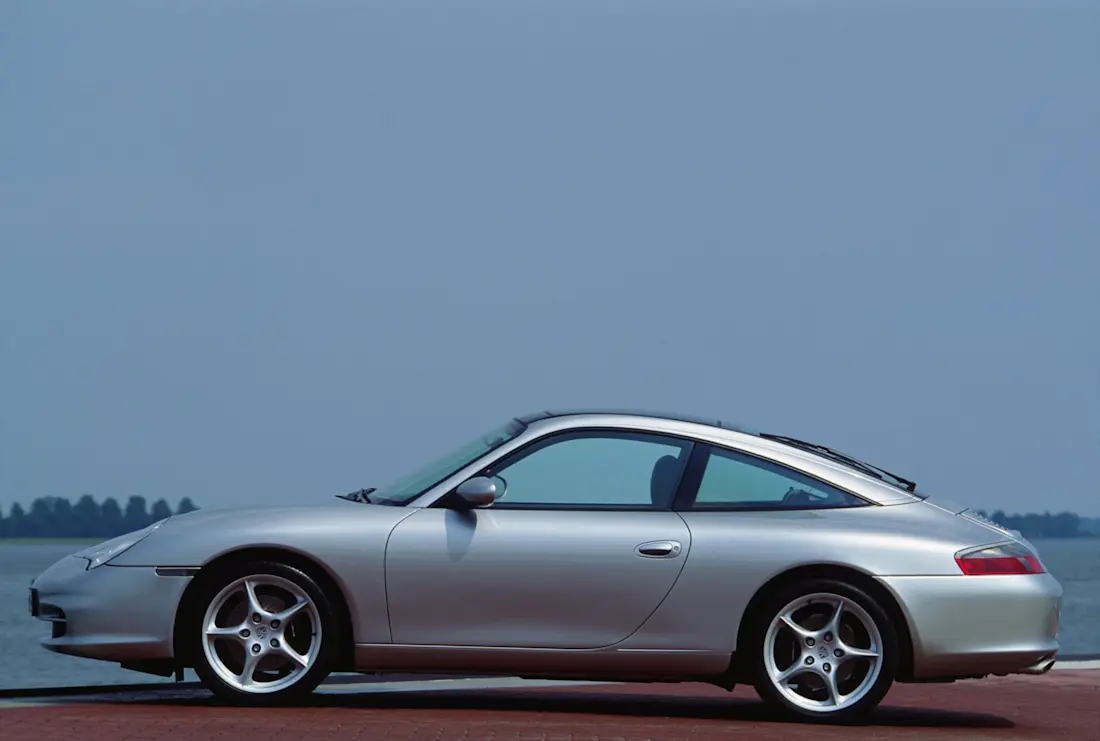
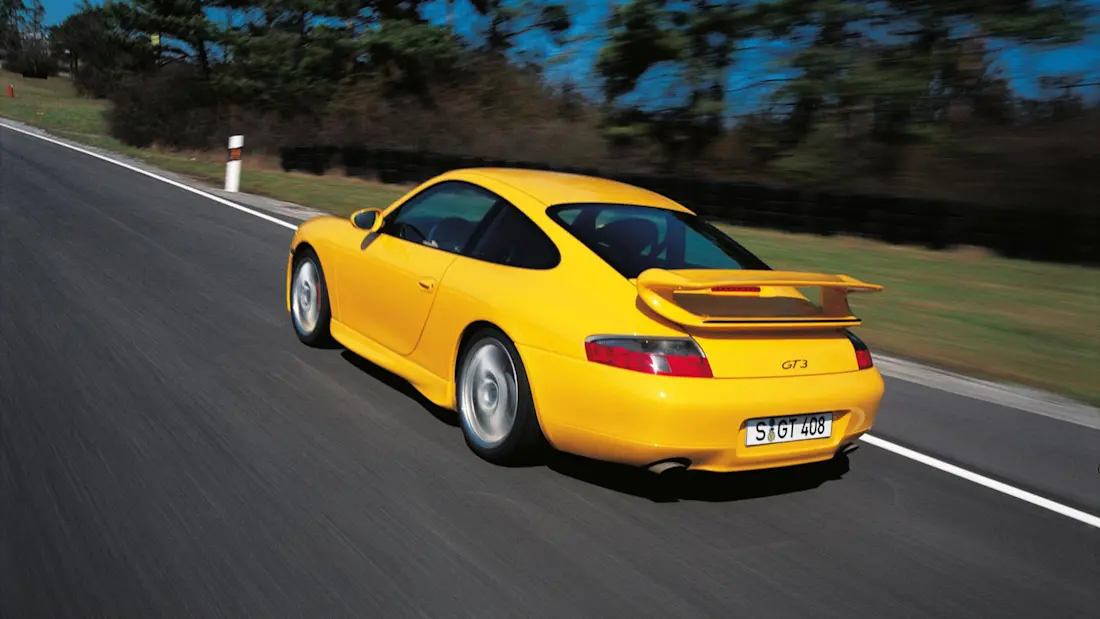
The Porsche 911 is beloved for its timeless silhouette and functional engineering. By staying true to its original 1963 rear-mounted, flat-six engine layout, Porsche has created a distinct, instantly recognizable, and desirable sports car. Yet one generation was initially rejected outright upon its debut at the Frankfurt Motor Show in September 1997: the 996-era fifth generation.
Right off the bat, abandoning the 911’s traditional air-cooled engine for a more efficient water-cooled version upset traditional Porsche enthusiasts. However, it was the 996’s styling that received the most vitriol.
In the early 1990s, Porsche faced financial trouble. To reduce costs, the 996 shared its entire front end with the more affordable Boxster. Up front, Porsche replaced the iconic upright, circular headlights with swooping teardrop-shaped ones. Purists dubbed them “fried eggs.” Out back, buyers paying for a flagship 911 were frustrated that the car resembled the entry-level model from the rear. And the switch from air-cooled to liquid-cooled engines meant larger radiators and front air intakes. Even the 996’s interior fell flat. Critics disliked the cabin’s hard, grey plastics and the new dashboard design, which seemed lower-quality than previous, hand-assembled interiors.
Today, the 996 has not only been accepted as a “real” 911, but is now also celebrated for its sharp handling and engaging driving dynamics.
From an engineering standpoint, the 996 is the last 911 with a cable-driven throttle and minimal electronic assistance, offering a purer, more analogue driving experience than more recent generations, which have evolved into larger grand-touring cars. Externally, the 996’s compact size and sleek design also make it a standout from the latest 911s, offering a vintage look reminiscent of the original 1963 model. Also, let’s not forget the high-performance versions, like the 996 GT3 and 996 Turbo, which are now considered highly collectible.
2019-Present Toyota GR Supra
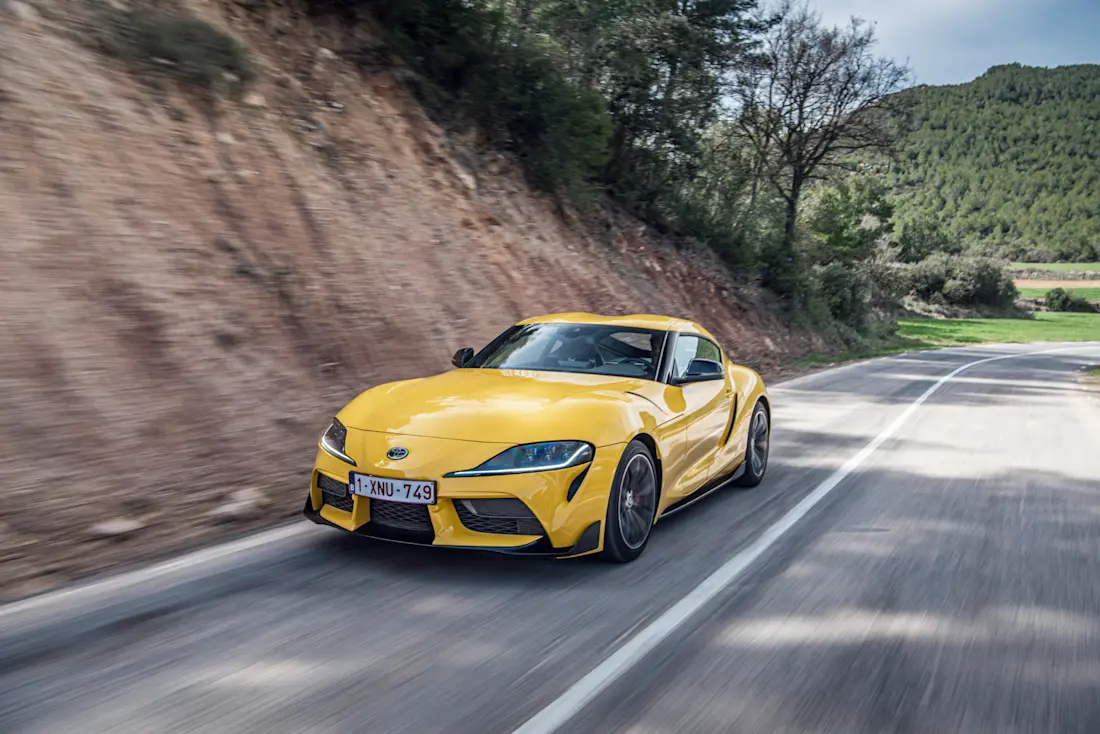
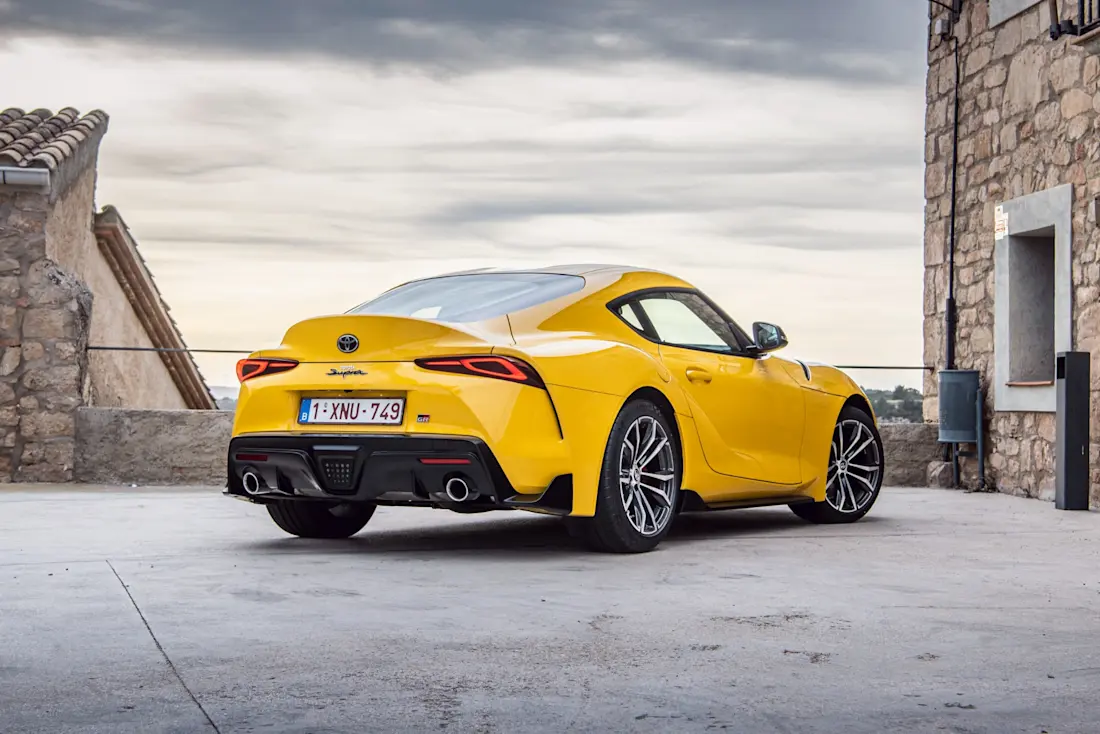
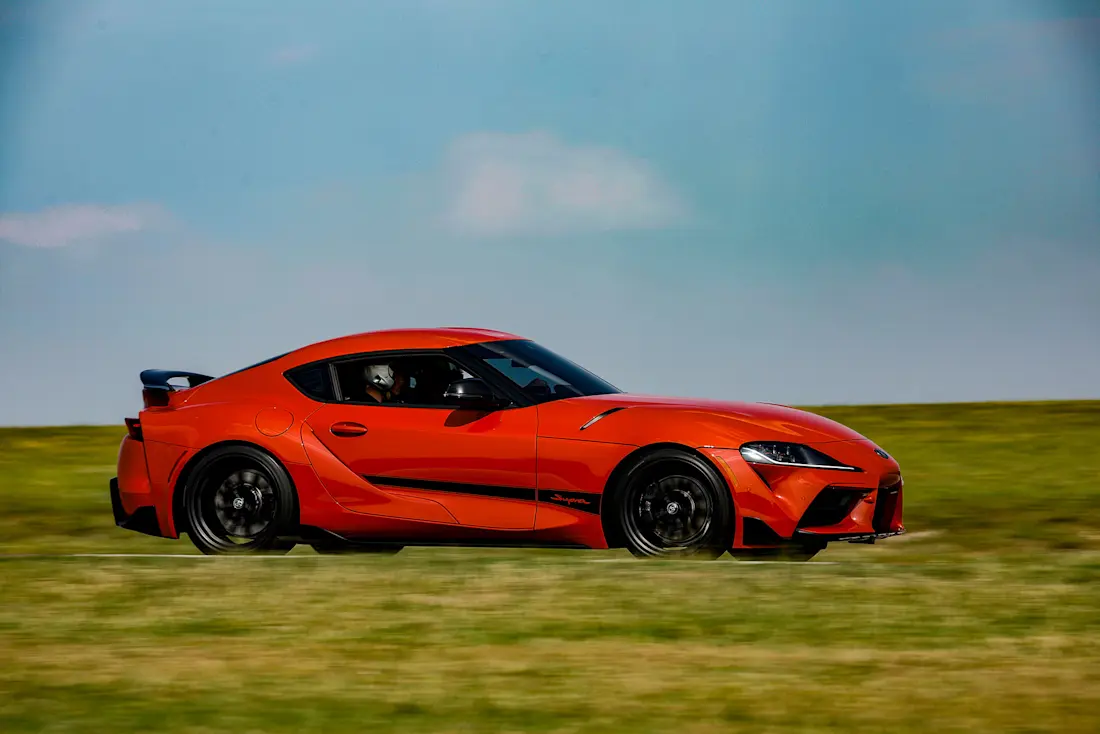
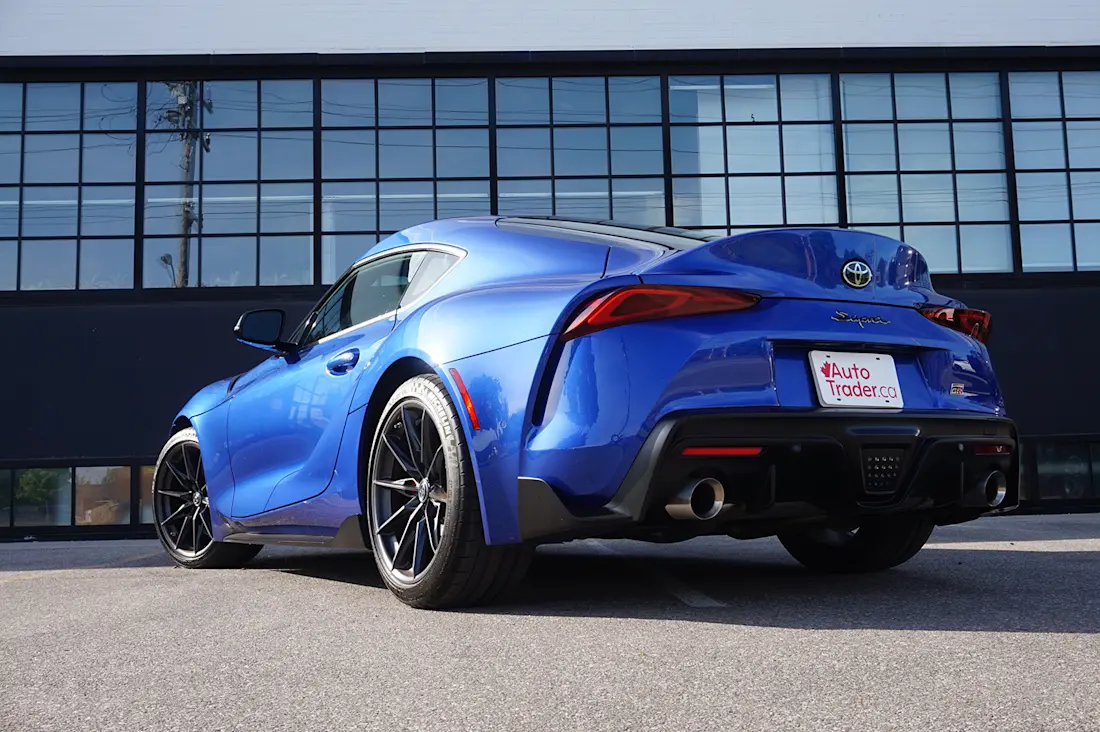
When Toyota unveiled its FT-1 concept at the 2014 Detroit auto show, enthusiasts recognized design cues taken from iconic Toyota sports cars of the past, from the 1960s 2000GT to the 1990s Supra. While the FT-1’s bold styling influenced the fifth-generation GR Supra, released in 2019, the final design was less dramatic than the concept.
Comparisons to the FT-1 concept, with its exotic proportions, hurt the Supra’s reception the most. The car appeared squashed to accommodate the BMW chassis it shared with the Z4 roadster. The production car’s non-functional vents seemed purely cosmetic. Some said they cheapened the design. Critics used terms like “Zupr4” and “BMW in a Toyota party suit.” Furthermore, the interior was largely sourced from BMW, which offered little to fans seeking an authentic Toyota cabin experience.
After the GR Supra and Z4 production ended in March 2026, Toyota’s rear-drive sports car quickly transformed from overlooked to highly sought-after.
The Z4 was a soft-top-only model. In contrast, the Toyota arrived as a hatchback. This led enthusiasts to liken the GR Supra to a modern version of the highly regarded 2006-2008 BMW M Coupe. The BMW co-developed straight-six engine became the heart of the Supra. It was renowned for its reliability and tuning potential. Many regarded it as a worthy successor to the legendary 2JZ (Toyota’s 3.0-litre inline-six gasoline engine from 1991 to 2007). In 2023, Toyota introduced a bespoke six-speed manual transmission for the six-cylinder. This addition won over purists and made these manual Supras highly collectible.
In a market crowded with hybrids and electric vehicles, the GR Supra has ended up one of the last lightweight, rear-wheel-drive, straight-six engine sports cars.

All Articles
See all
Own the Road with AutoTrader, Episode 118: The Backlash Against Touchscreens and Return to Buttons
Safer, easier to use, and better looking, buttons are making a comeback.

Planes, Trains and (Electric) Automobiles: A Race to Determine the Pros and Cons of Each
Discovering the best way from Toronto to Quebec City with the Subaru Uncharted.
 Jeff Wilson

AutoTrader Find of the Week: 2004 Porsche Cayenne Turbo is the Cure For Boring
For when practicality doesn’t interfere with fun.
 Chris D’Alessandro