
5 Powertrains That Never Caught On
 Michael Karant


Despite its numerous innovations, the automotive industry remains relatively conservative with powertrain choices. Electric motors are now commonly used, but internal combustion engines are mostly limited to inline four- or six-cylinder engines or to V configurations with six, eight, or 12 cylinders.
It's rare for an automaker to stray from these tried-and-true designs, as creating a unique powertrain is a large and costly venture. Regardless, there have been multiple attempts to move away from the standard internal combustion engine, whether by adapting a different configuration or ditching the technology entirely. This list highlights automotive propulsion systems that once showed promise but ultimately faded away because they never caught on.
Straight-Eight Engine
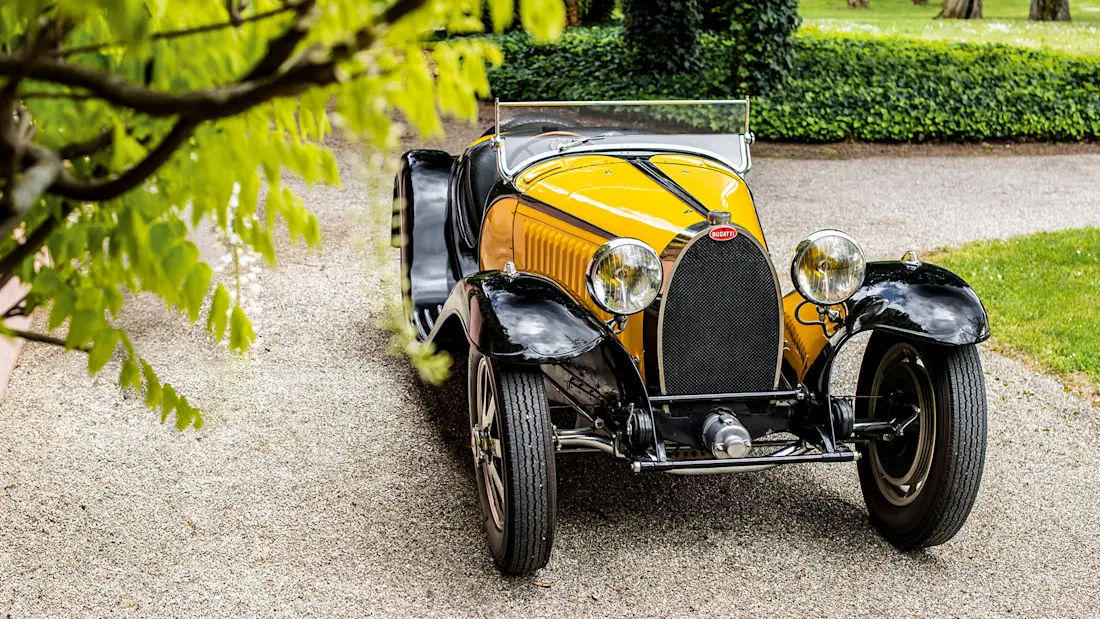
In modern times, the eight-cylinder engine only comes in a V configuration. The V8 engine has been proven to be space-efficient, reliable, and high-torque, making it a popular option in performance cars and larger vehicles. However, the straight-eight cylinder engine is unheard of in modern cars. It was a popular engine layout in pre-WWII cars, used only in the most exclusive and powerful cars, such as Duesenbergs and the Bugatti Type 55 above.
This design seemed natural in the early years of the automobile: when you needed more power, you used a larger engine. Its size, more specifically, its length, was this engine’s inevitable downfall. Lining up eight cylinders requires a very long crankshaft, making it fragile. This layout also limits the compression the engine can handle, which limits the power a straight-eight can produce. There is also the problem of space, as a straight-eight requires a lot of room. These limitations led to the design being phased out in favour of the V8, a more compact design with a shorter crankshaft that can handle more power. This also benefited vehicle packaging, as the shorter V8 engine doesn’t require as long a hood, meaning the car could have a more balanced weight distribution.
V4 Engine
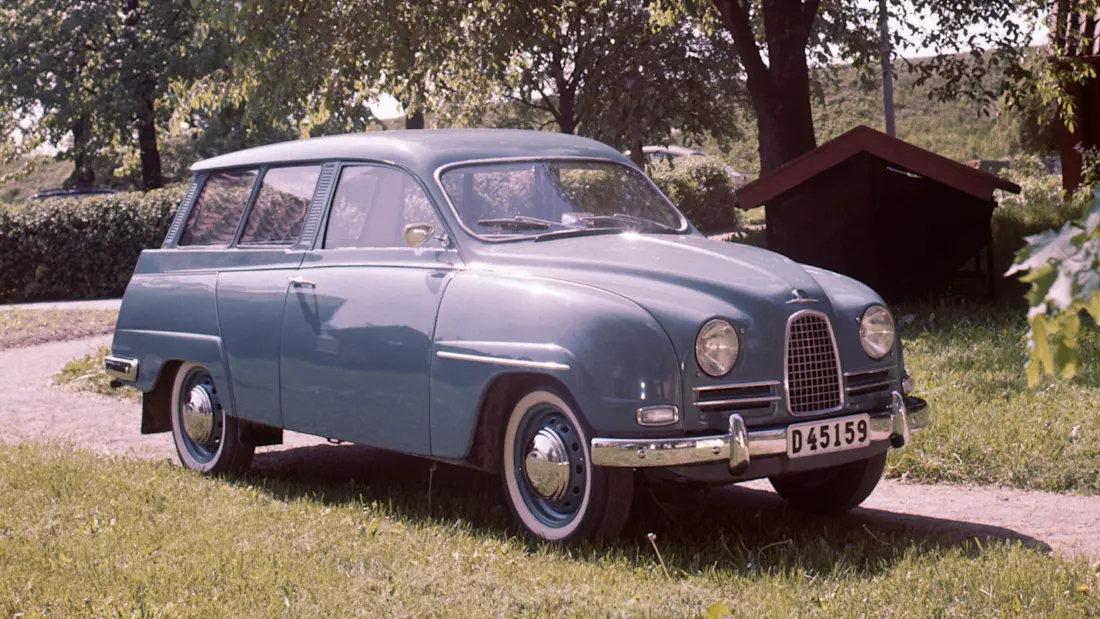
Given the limitations of the inline-eight, it raises the question of why the V4 isn’t more popular, as it's small and compact enough to be used alongside the more popular inline-four. Multiple automakers have produced V4 engines in the past, including Ford of Europe, Lancia, and the Saab 95 above, but no new cars currently use the design. Why? The simplest answer is cost. The inline-four engine is typically found in more affordable cars. When it comes to saving on production costs, an automaker will typically choose the cheapest option to make the final product more profitable. A V4 also has more components than a simpler inline-four, all of which contribute to higher production costs. There are also no packaging benefits, as an inline-four is already a compact design that can fit in most small cars when mounted longitudinally, negating any benefits a V4 may provide.
Wankel Rotary Engine
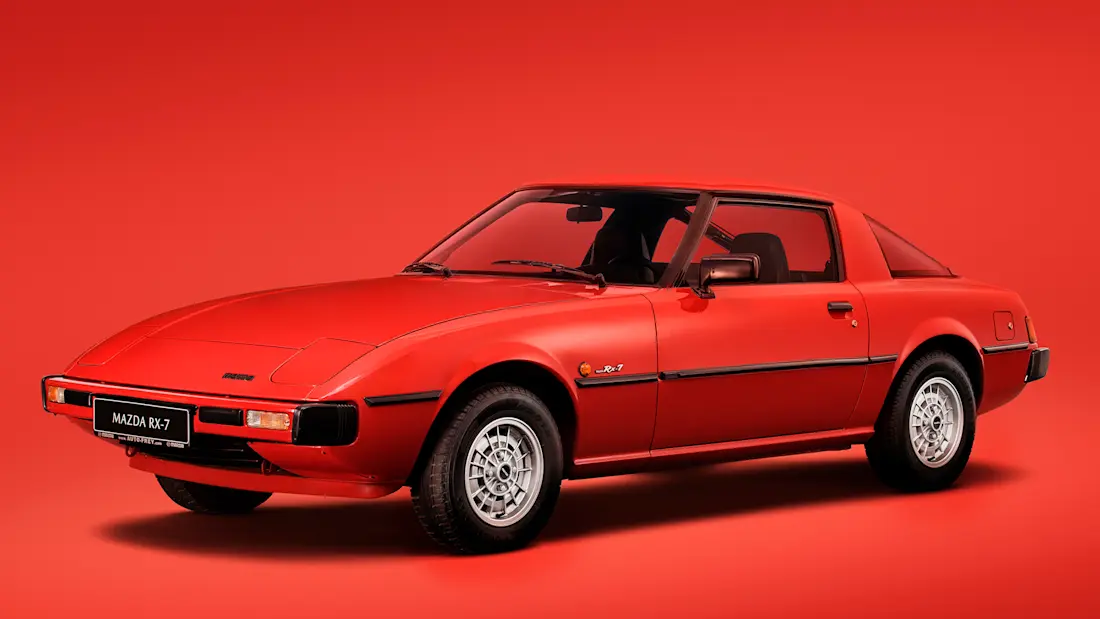
In the 1960s, the Wankel rotary engine was considered the future. This engine design requires fewer parts and takes up less space than a conventional internal combustion engine. It's also a design that offers a far higher power-to-weight ratio than a conventional cylinder, delivering greater power from a small package and with almost no vibration. On paper, it seems great: small, powerful, and compact, with great potential for multiple applications.
To understand the fault in the rotary engine, it is key to recognize that it achieves compression and ignition by rotating a triangle within its housing, rather than the cylinder moving up and down. However, in this process, the engine burns a small amount of oil by design, resulting in unusually high oil consumption. Wankel engines also produce far less torque than cylinder engines, requiring drivers to rev them higher to get up to speed, and consuming more oil and burning more fuel, making them very inefficient. There is also the challenge of properly sealing the engine, as it's subject to varying temperatures throughout the engine bay, which often leads to premature failure and makes the powertrain unreliable.
Many automakers showcased concepts using the powertrain, but one famously put it into production and stuck with it: Mazda. The brand had several famous models with the powertrain, including the RX-7 in the 1980s and 1990s and its successor, the RX-8, in the 2000s. The last model to feature the powertrain was the MX-30, a plug-in hybrid that used the motor as a range extender for the car’s battery. It went out of production only a few years ago.
Steam Engine
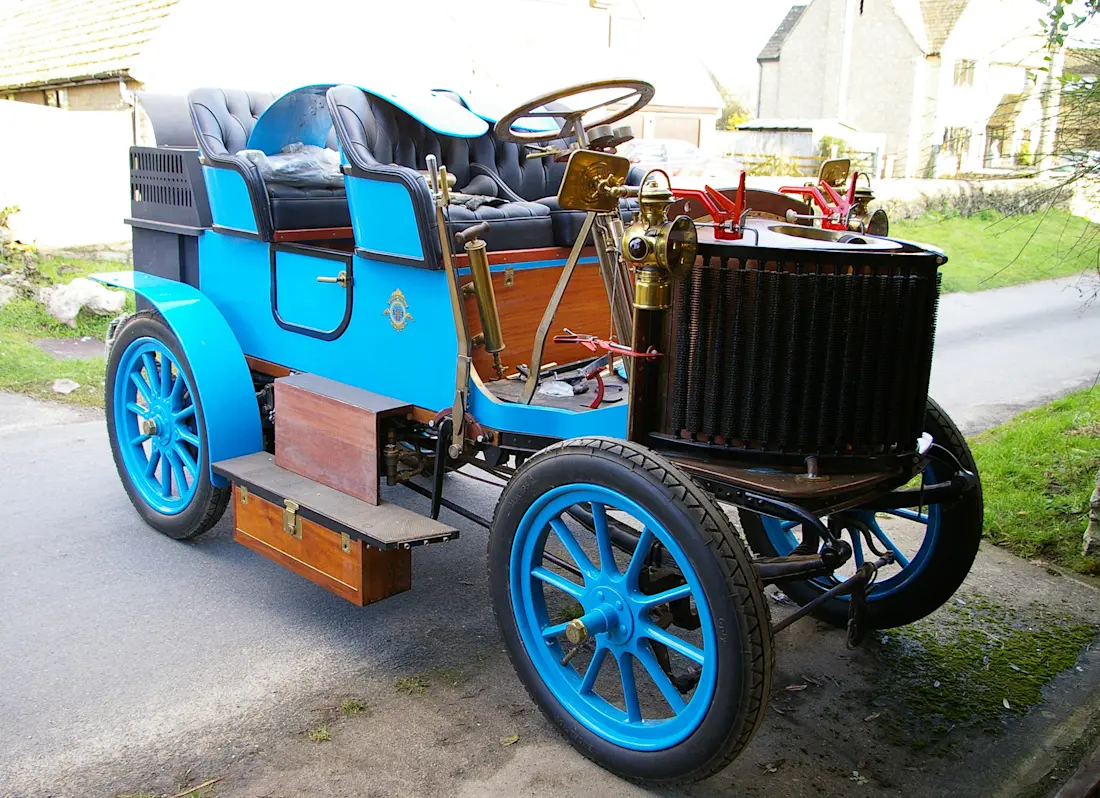
In the early days of the automobile, three propulsion systems were competing for mass popularity: internal combustion, electricity, and steam. While internal combustion eventually won and electricity has seen a major resurgence in the past two decades, steam has been relegated to the history books.
In the early 20th century, steam was a widely used technology and powered locomotives throughout the world. It was very reliable, with the resources needed to operate it being readily accessible in the early 20th century. It also had the benefit of not requiring strenuous hand-cranking to start, as was the case with early combustion engines. Steam engines also had the benefit of being far more environmentally friendly than internal combustion engines.
However, steam was far less thermally efficient than internal combustion. There was also a problem with the boiler that heated the steam, which was very heavy, and the need to carry tanks of water on board made the weight problem worse. Drivers also had to monitor the boiler’s pressure while driving, making them more difficult to operate than internal combustion engines. To accommodate all this equipment, the car would need to be rather large, with the steam components also contributing to its overall cost and weight. Warm-up times were another huge drawback, as drivers had to wait more than 20 minutes for the engine to achieve operating temperature before setting off. The issue of starting gasoline cars was also eventually resolved with the introduction of electric starters, eliminating the need to hand-crank the motor. With internal combustion engines being easier to use and more convenient, the steam engine, with all its limitations, eventually faded away.
Hydrogen Fuel Cell
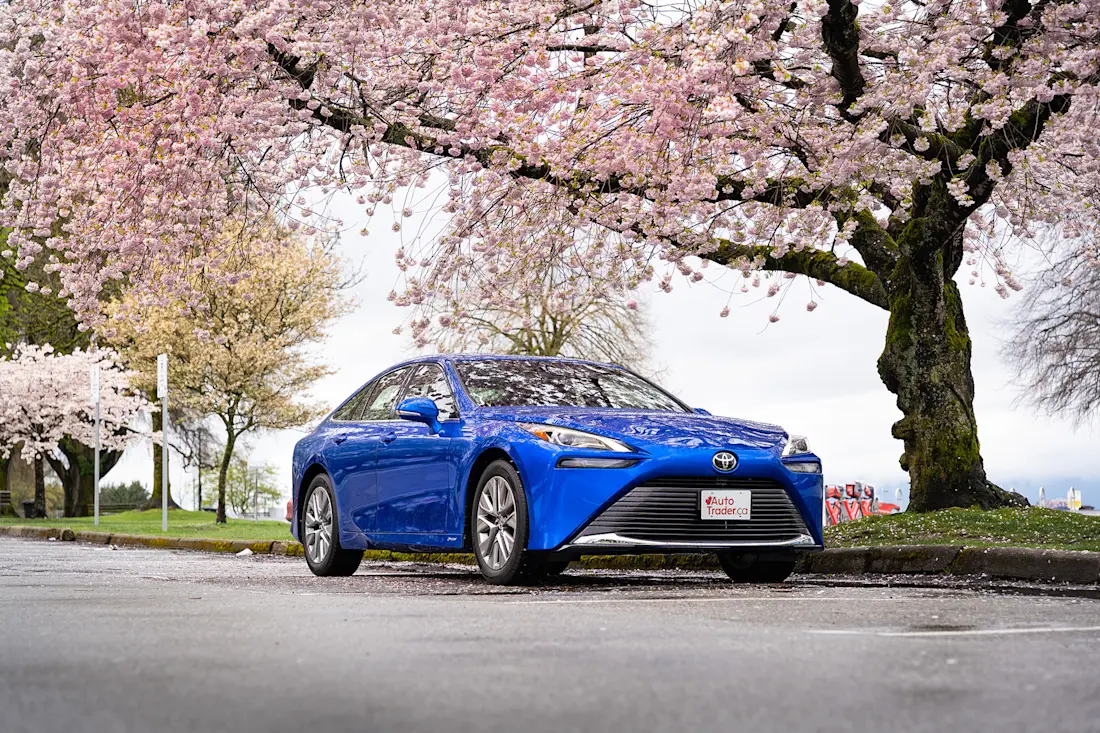
In the early 2000s, hydrogen-fuelled cars seemed to be the future alongside electric vehicles. The technology offered many environmental benefits, including emitting only water from the exhaust pipe and using an extremely abundant resource. Hydrogen cars could also be refuelled with the same convenience as regular gasoline-powered cars, so what went wrong? One of the first issues was that hydrogen powertrains were about a third less energy-efficient than battery electric cars.
Then there was the issue of infrastructure: there are very few hydrogen refuelling stations, and refilling a hydrogen car can cost more than refilling a gasoline car. This is largely due to the problem with hydrogen as a fuel source itself, as the gas takes up much more space than conventional gasoline, even when liquefied. This drives up fuel costs due to high production and transportation costs. But without the proper infrastructure, owning this type of vehicle can be challenging, even though the environmental benefits might outweigh the downsides. As a result, hydrogen ultimately lost its appeal. It was a good idea on paper but a difficult one in practice.

All Articles
See all
Own the Road with AutoTrader, Episode 118: The Backlash Against Touchscreens and Return to Buttons
Safer, easier to use, and better looking, buttons are making a comeback.

Planes, Trains and (Electric) Automobiles: A Race to Determine the Pros and Cons of Each
Discovering the best way from Toronto to Quebec City with the Subaru Uncharted.
 Jeff Wilson

AutoTrader Find of the Week: 2004 Porsche Cayenne Turbo is the Cure For Boring
For when practicality doesn’t interfere with fun.
 Chris D’Alessandro