
4 Things Chinese Cars Just Do Better
 Chris Tsui


You know that moment when you travel to another country and experience high-speed rail, walkable neighbourhoods as a default, or chain coffee that doesn’t suck, then lament how we don’t have it at home here in Canada?
Since they’re coming to Canada soon, we recently went to China to check out the world’s biggest auto show, drive some Geelys, and generally see what’s what when it comes to Chinese cars. And while the country isn’t perfect and neither are its cars, there are quite a few norms about the cars China chooses to make and buy that our market could take some serious lessons from. Here are four that stand out.
Screens That Actually Work
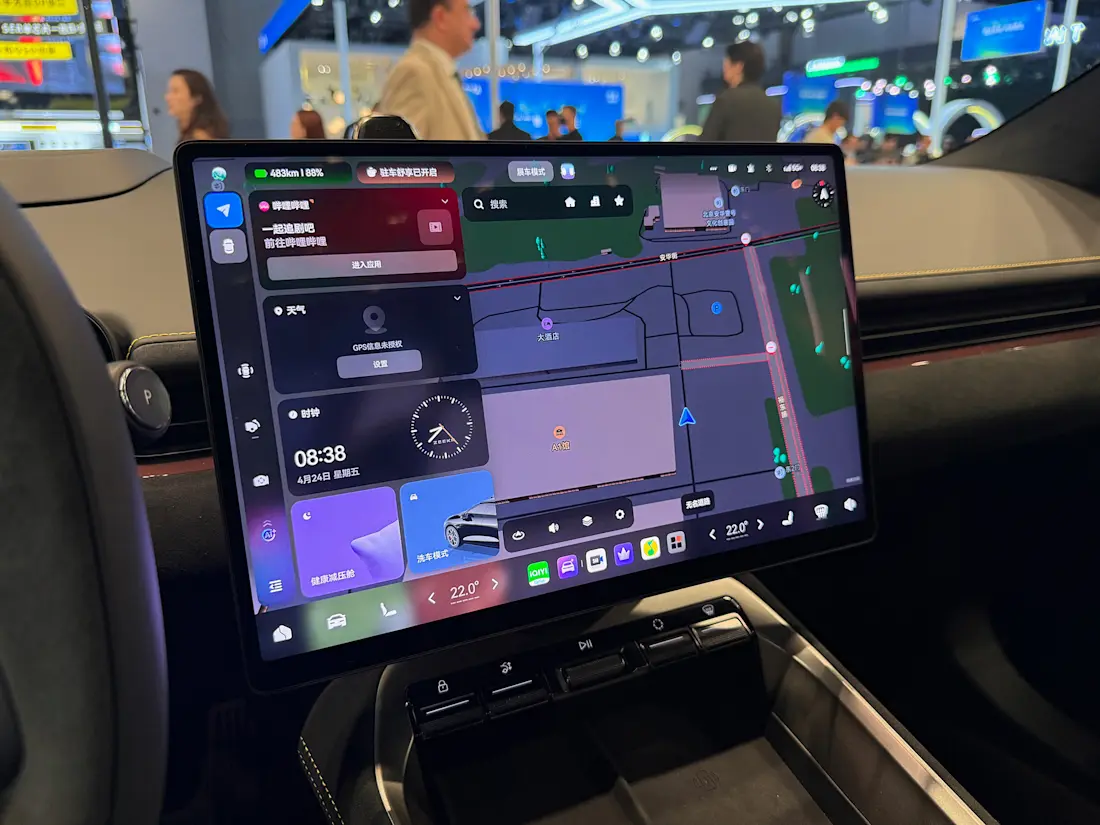
If you’ve driven a new car any time in the past 10 years or so, you’ll know that today’s vehicles are all about the screens. And, chances are, the experience would’ve been subpar. After about an hour of walking around and sitting in the Chinese cars at the 2026 Beijing Auto Show, a theme started to emerge: they all have huge touchscreens inside, but the software they’re running is way better than what most Canadian drivers are used to.
Geely products, for example, use Flyme Auto, a dedicated in-car operating system that frankly makes the infotainment systems in most Western vehicles (even the luxury ones) feel ancient. Just poking around, things are logically laid out, the graphics are remarkably sharp and high-res, and taps are answered with a level of immediacy that most of the systems in cars we have at home simply do not achieve.
And it isn’t just Geely that’s annoyingly good at screens. Chery’s system is similarly competent; Xiaomi and Huawei vehicles, naturally, use car-specific versions of HyperOS and HarmonyOS, respectively, that also power their smartphones, and BYDs (yes, even the entry-level Seagull) have screens that can physically rotate between portrait and landscape modes. OK, that last one is being phased out in Europe because it was more novel than useful, but still. When it comes to touchscreen technology, Chinese cars are generally on another level. And don’t fret: a lot of these screens are still accompanied by a decent amount of physical buttons and knobs for key functions, so you’re not distractedly using the screen for absolutely everything in motion.
A microcosm of the technology delta here is the quality of the 360-degree 3D car model that often pops up when adjusting car-related settings. Many Western cars like modern BMWs get this too now, but those feel like they’re running on a PlayStation 4 at best, whereas Chinese vehicles are already playing PS5 Pro — the game is spiritually the same, but, boy, is it hard to go back after experiencing the SSD load times, silky framerates, and crispy edges of the latter.
The more time I spent in China in general, the less surprising this screen dominance became. As a country that became very advanced very quickly and very recently, a shocking proportion of modern life there hinges around the smartphone, a good magnitude more so than it does in North America. Within that cultural context, a Chinese car that doesn’t have its screen stuff figured out likely wouldn’t survive its home market.
Huge, Comfy, Swiveling Rear Seats
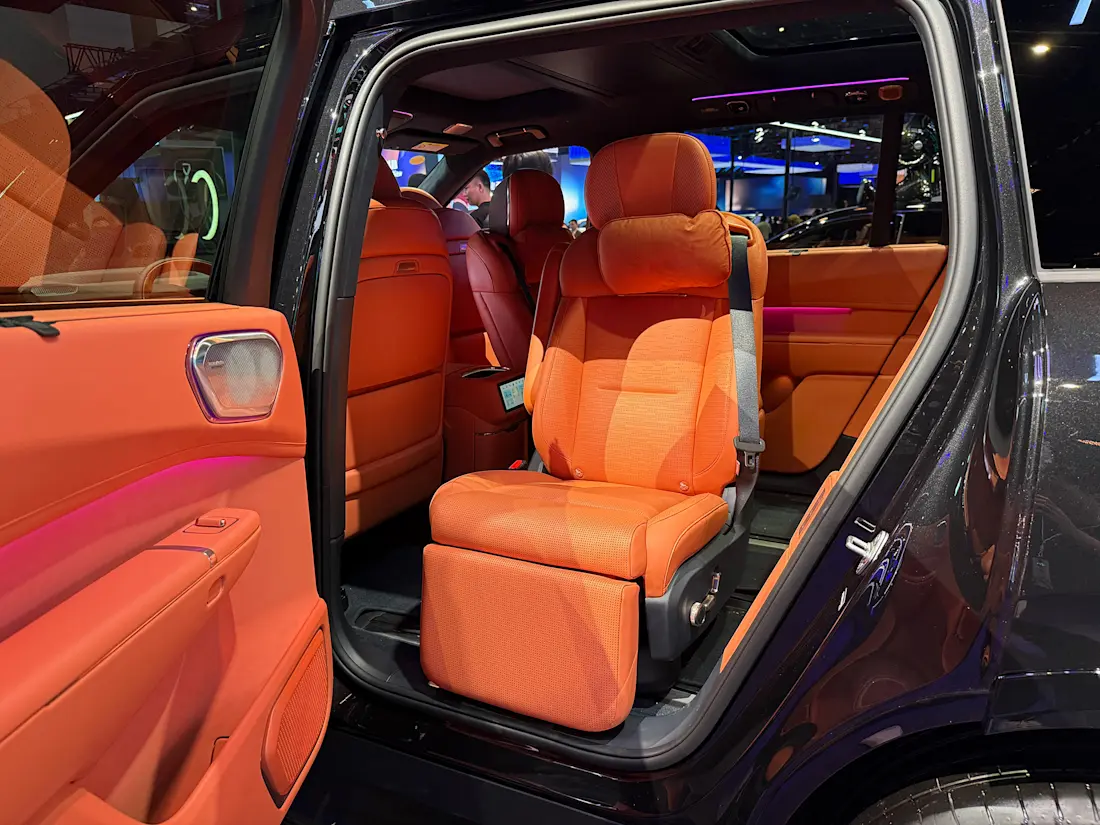
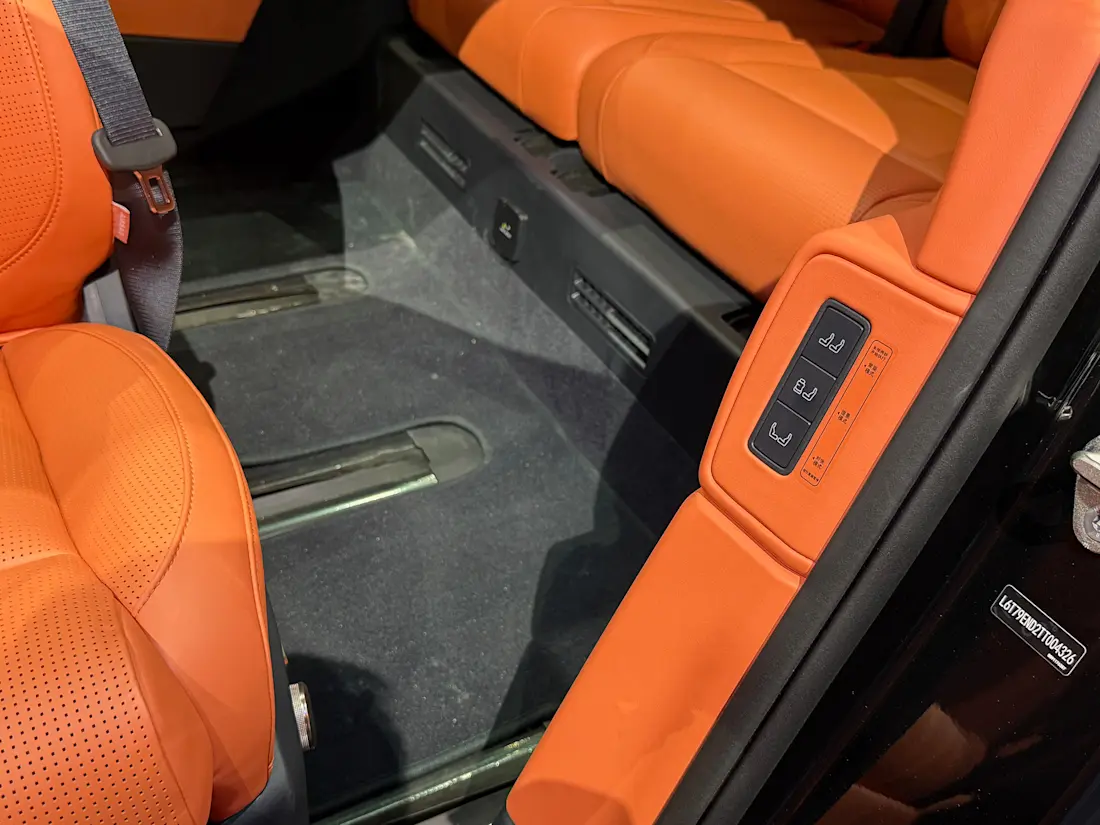
Another Chinese car hallmark that’s emblematic of its culture is the emphasis on backseat space and comfort. Given that a lot of households are multi-generational and the deep-seated sense of filial piety, a lot of Chinese-market cars are made with the mindset that the second row should be the best seats in the house. This isn’t a new phenomenon, as demonstrated by non-Chinese automakers making dedicated long-wheelbase, bigger-rear-seat versions of existing models just for this market for years now. Audi, for example, started building an A4L for 2009, and today it makes longer L versions of a bunch of models, including the current A5 sedan and Q2 crossover, specifically for China.
The modern crop of Chinese cars, however, takes things beyond a couple extra inches of legroom. Take, for example, the Zeekr 7X, which is sized and positioned similarly to the Mercedes-Benz GLC or Lexus NX on the outside, but has a decidedly spacious rear seat that can be optioned with a power-fold-down tray table and big, full-featured touchscreen. Attached to the back of the front passenger seat, these are features you’d only really see in flagships like the GLS or LX, and even then, likely aren’t as well executed as they are in the Zeekr.
Then, there’s China’s interpretation of a flagship SUV like, for instance, the Lynk & Co 900. Sized, shaped, and styled a bit like an alternate-dimension Range Rover, this three-row plug-in hybrid seats six, but the second-row captain’s chairs are on rails and motors that let them spin. You can have them face the third row for a train compartment-style lounge setup or turn 90 degrees toward the open door for easy ingress and egress, a boon for those VIP older passengers in your life. Yes, Dodge once experimented with rotating seats in the Caravan, but it never really took off here beyond that as an aspirational yet widespread feature.
Simply put, whereas a lot of backseat amenities we’re familiar with in Canadian-market cars feel optimized primarily to accommodate children, the ones in Chinese cars feel more like high-tech, adult-oriented luxuries.
Displays On the Outside
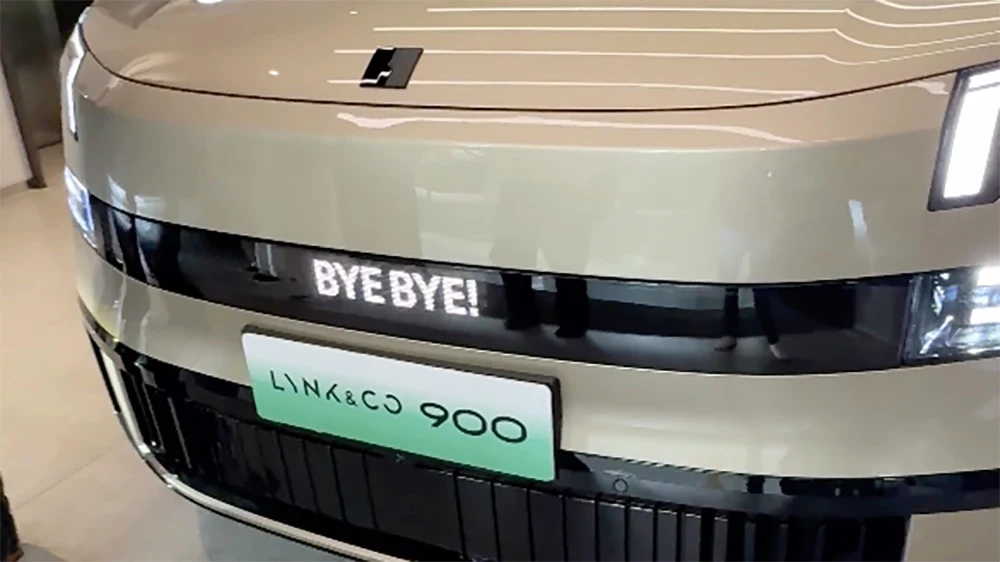
You know when you’re driving at night, spot a driver that forgotto turn their lights on, and wish you could flash a big LED sign at them saying, “YOUR LIGHTS ARE OFF?” Well, China is building cars that can feasibly do just that. In between the headlights of the Lynk & Co 900 sits one long panel of 10,192 LEDs that effectively becomes a huge black-and-white screen. It can display welcome messages, the current state of charge (helpful when the car is plugged into a public charger, and you’re off in the distance somewhere), and yes, custom messages and animations. It’s pretty neat.
Now would be a good time to clarify, though: There’s little to no chance this technology will be coming on the Chinese EVs destined for Canada, at least not any time soon. What cars are allowed to do with exterior lighting is highly regulated in North America, and a huge light bar on the bumper that can potentially be configured to display profanities and distract other motorists (or, at least, meet the legal threshold of “distracting other motorists”) is definitely a non-starter. The aforementioned Zeekr 7X, for example, features a similar “Stargate” light curtain up front in China, but it’s removed when imported to Europe.
Is a massive message-displaying screen on the front of your car the most crucial feature Chinese automakers can bring to Canada? Hardly. But like Apple Stores in Japan that don’t feel the need to lock their products down, this is one of those things you see abroad and immediately recognize why it’d never work in Canada, inevitably invoking the phrase, “This is why we can’t have nice things.”
Wagons, Wagons, Wagons
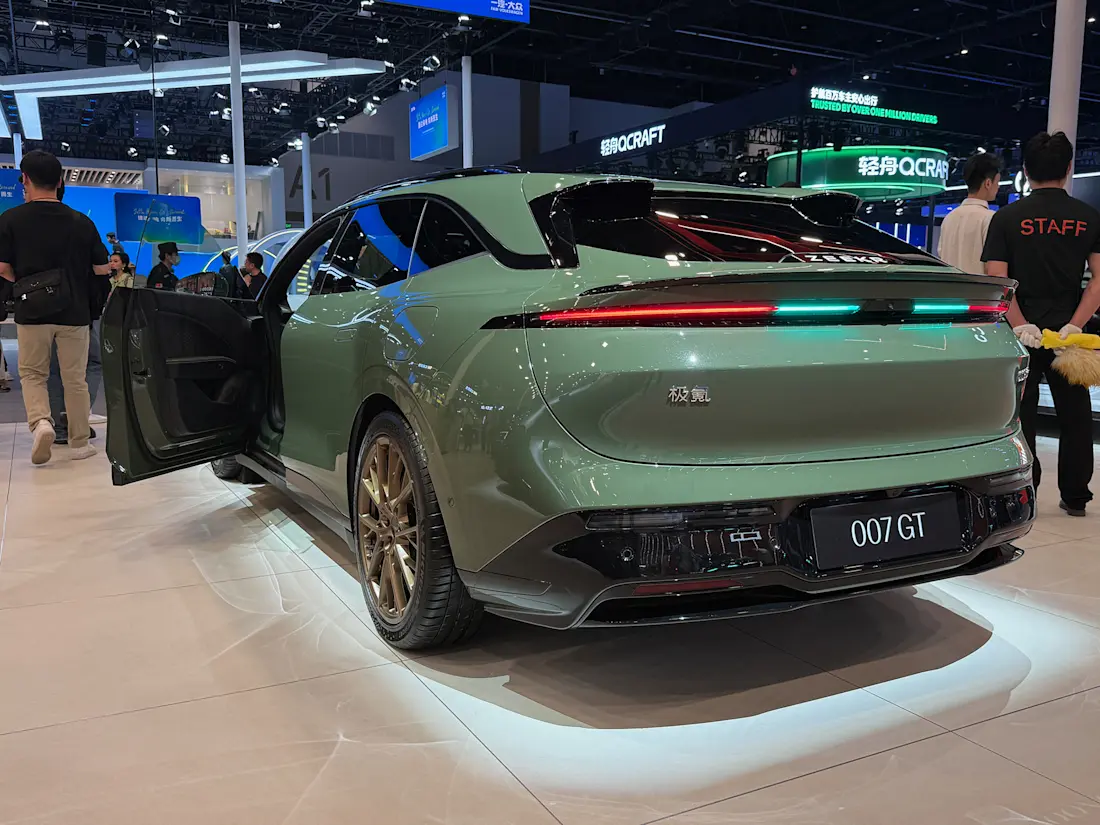
Speaking of nice things, the car enthusiast in me couldn’t help but notice after a week in China that the country loves a good wagon. Whether I was at the Beijing Auto Show, walking around several brands’ retail stores around Hangzhou, or simply looking around at what people were driving out on the roads, there were way more longroofs in China than there are at home. Contrast this with the Canadian market, where the pool of new wagons on sale has basically shrunk to a small handful of luxury, often-high-performance models for rich weirdos. And the Subaru Outback.
I’d like to note that the Chinese car industry has come a long way from the days of shamelessly ripping off the designs of established players. But at the same time, a spade must be called a spade because walking around the Beijing Auto Show floor, it definitely feels like every single EV brand there saw and drove a Porsche Taycan Sport Turismo and went, “Yep, we’re doing one of these.”
On the affordable end, you have cars like the wagon versions of the BYD Seal 6 and MG5 (from, yes, that MG), but then Zeekr alone has both the 001 and 007 GT, with the latter borderline pandering to car nerd types with green paint, orange brake calipers, and 646 horsepower. A Huawei store selling phones sat beside a showroom fronted by the stunningly Porsche Turismo-like SAIC Z7T. And I’m officially admitting that since returning from China, I’ve spent several sleepless nights wondering longingly whether we’ll ever get the gorgeous NIO ET5T here at home.
A couple of years ago, the idea of a China-led wagon renaissance would’ve felt like a pipe dream considering how utterly hooked our market is on crossovers and SUVs. Now, though, the first vestiges of “SUV fatigue” are starting to appear, with younger buyers apparently rejecting them in favour of sedans that are generally more affordable, more efficient, and, most importantly, don’t look identical to the car their parents drove.
Hey, Gen Z, you know what type of car your parents will dislike even more than a sedan? Let me show you the wonders of the wagon…

All Articles
See all
BF Goodrich Winter Tires Compared: Winter T/A KSI vs. All-Terrains
Yes. You need winter tires.
 Jacob Black

New Cars Are Getting Too Complicated — Buyers Are Pushing Back
From frustrating touchscreens to intrusive safety alerts, new car tech is overwhelming drivers. Here’s how automakers are responding.
 John LeBlanc

Subaru’s Uncharted Could Point to the Future of Enthusiast Hatchbacks
This electric Subaru is surprisingly fun, but is it more fun than a Golf R?
 Jeff Wilson