
The Challenges Chinese Car Brands Face Coming to Canada
 John LeBlanc

Despite headlines touting that new models will go on sale sooner rather than later, Chinese car brands are staring down intertwined regulatory, economic, and social hurdles as they enter Canada. While a 2026 trade agreement has significantly reduced initial barriers to importing and selling Chinese-made cars, several major challenges remain.
Canadians Embraced Imported 1970s Japanese Cars
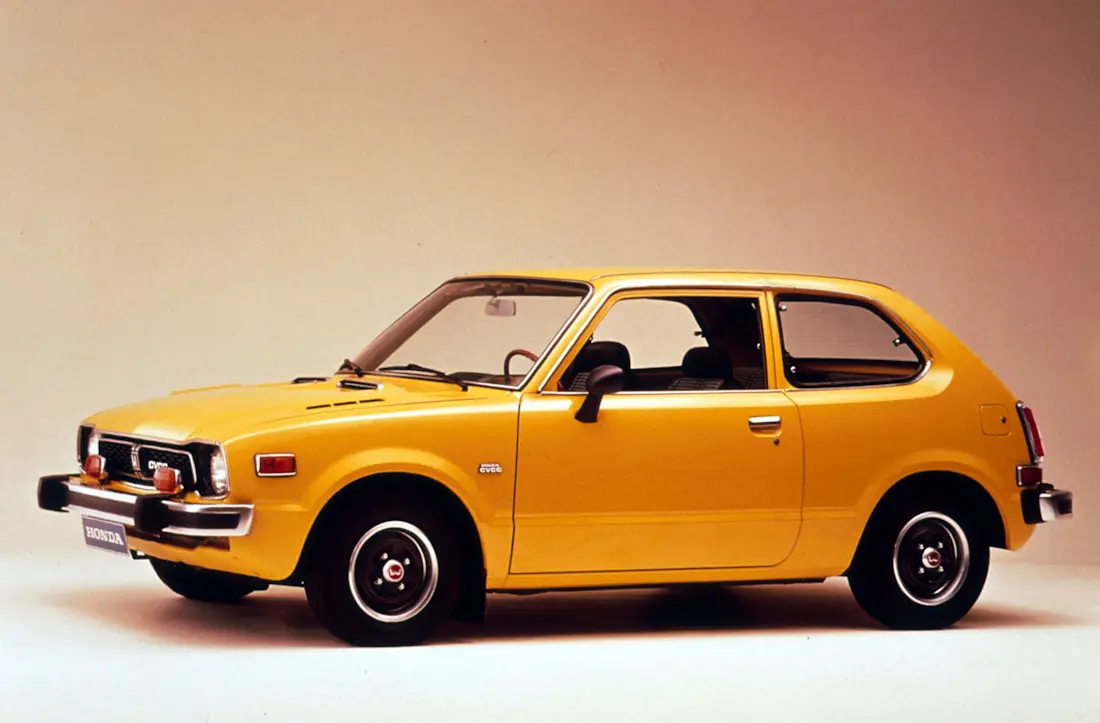
This isn’t the first time foreign automakers have announced ambitious plans to sell cars to Canadians amid tough economic times.
In the 1970s, Canadians flocked to affordable imports. Fuelled by a global energy crisis and a deliberate government strategy to reduce dependence on the American economy, the decade brought what your economics teacher taught as “stagflation.” That’s when higher inflation and unemployment butts heads against stagnant growth. To offset the rising costs of everything from food to televisions to cars, Canadian consumers embraced cheaper imported goods, including cars.
Following Volkswagen’s lead, which was selling over 30,000 imported vehicles from Germany a year in Canada by 1967, Japanese automakers Datsun, Toyota, and Honda entered the Canadian market in the late 1960s and early 1970s, initially with small cars and motorcycles. These early Japanese imports were often dismissed as "cheap junk" or "tin cans on wheels" compared to larger American-made cars. Most early models were not designed for harsh Canadian winters and often suffered from severe, premature rusting, with some completely rusting out within a few years.
“When Japanese cars first came to North America, people thought they were small and terrible and underpowered, and, at that point in time, they were probably right,” says Canadian automotive industry analyst Brian Murphy, Managing Director of Vehicle Vision Advisory Services. “If you took that first Honda Civic and you parked it next to the typical Ford, GM, and Chrysler of the day, it was comical. They were often half the size.”
However, higher gas prices in the 1970s made big, inefficient American cars painful to own. Japanese imports were smaller, cheaper, more fuel efficient, and reliable. They grabbed a massive market share, from under 9 per cent to over 20 per cent in the U.S. by 1980, as car buyers voted with their ever-shrinking wallets.
Can the Chinese Replicate Japan’s Success in the 1970s?

The 2020s economy shows milder echoes amid tariffs, geopolitical tensions, and post-pandemic adjustments. Economists generally view a full repeat of the 1970s as unlikely, though risks persist. The current global energy shock, driven by tensions in the Middle East and Canada’s growing independence from the American economy, is making it feel a lot like the 1970s for car buyers.
In late April 2026, gas prices in Canada soared after the closure of the Strait of Hormuz, jumping more than 20 cents per litre in early March. By late April, average prices hovered between 171.8 and 176.9 cents per litre, despite federal tax relief.
New car prices in Canada have risen dramatically over the past decade, particularly after 2020, with average transaction prices surging by well over 40 per cent to 50 per cent since 2018. As of the end of 2025, the average new-vehicle price in Canada exceeded $63,000, compared with roughly $40,000 five years earlier.
One could argue that Chinese brands like BYD, Geely, Chery, and MG offer value comparable to Japanese brands in the 1970s, with high-tech electric vehicles starting under $35,000, featuring advanced technology, excellent efficiency, and aggressive pricing enabled by large production scale and government subsidies.
Beyond pricing, many have questioned the build quality of Chinese cars and have concerns about data privacy. While China has become a global leader in EV technology, many buyers are still unsure, so the Chinese automakers will have to earn the trust of Canadian car shoppers.
Will 2020s Chinese Cars Face the Same Challenges as Japanese Cars in the 1970s?
If you think today’s scenario will lead to more affordable Chinese cars becoming popular, as Japanese cars did in the 1970s, there are still market and infrastructure obstacles to overcome.
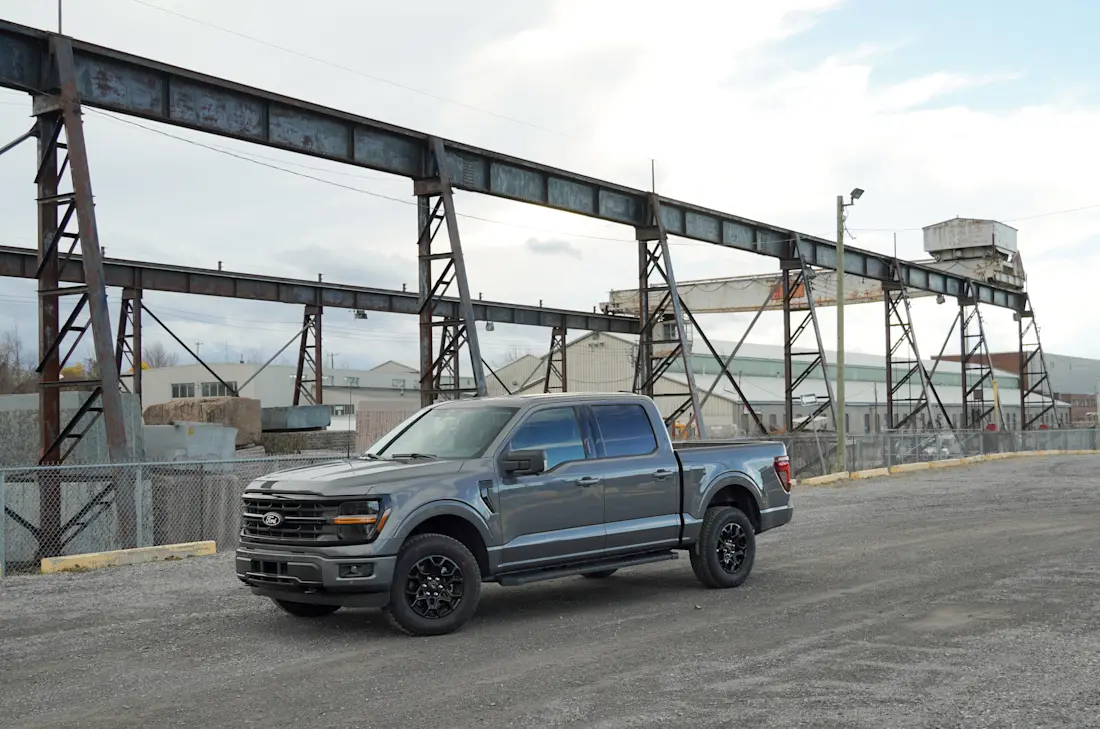
Canadians still buy tractor-trailer loads of big American trucks and SUVs. But when it comes to passenger cars and smaller crossover SUVs, the Japanese and South Korean automakers dominate the sales charts. They are also building more cars in Canada than our friends south of the border. As of early 2026, Japanese automakers (specifically Toyota and Honda) have the largest manufacturing footprint in Canada, producing roughly 77 per cent of all light-duty vehicles assembled in the country.
Unlike the 1970s, the Chinese still face a major roadblock in the form of current tariffs. In January 2026, Canada slashed its tariff from 100 per cent to 6.1 per cent for up to 49,000 Chinese EVs annually (rising to 70,000 over five years), with half required to be priced under $35,000. This was a direct response to American tariffs on Canadian autos/parts. Plus, Canadian federal consumer rebates for EVs (up to $5,000) do not currently apply to vehicles from countries without a free-trade agreement with Canada, such as China.
How Will Canadians Buy Chinese Cars?

Over half of Canadian consumers say they don't care if their next new vehicle is made in China, Ontario, or California. For the remaining buyers, where price isn't everything, the pre- and post-sales experience of any new brand entering the country can also have a big influence on their purchasing decision.
Establishing a nationwide dealership and maintenance network in a country as big and far-flung as Canada is a massive logistical challenge. Some analysts expect Chinese brands to rely on existing franchised dealer models rather than direct-to-consumer sales to mitigate these costs. But questions remain.
“Will the Chinese automakers sell directly? Will they have dealers? Will they have a hybrid? What kind of products are they going to bring to the market? All of those questions need to be sorted out before you have anything that comes close to the rise of the Japanese brands in the 1970s,” Murphy adds.
Chery Automobile Co., China’s third-largest EV maker, recently announced plans to enter the Canadian market, aiming to be here by the end of the year, and has filed trademark applications for a wide range of sub-brands, including Omoda and Jaecoo. BYD, the world's largest EV maker, plans to establish branded dealerships across Canada, with the first locations planned for the Greater Toronto Area (GTA), followed by Vancouver, Calgary, and Montreal. Lotus (owned by Geely) has officially committed to delivery under the new trade rules, with demo vehicles of its Eletre electric SUV expected in Toronto by late summer 2026.
History Doesn’t Repeat, But…
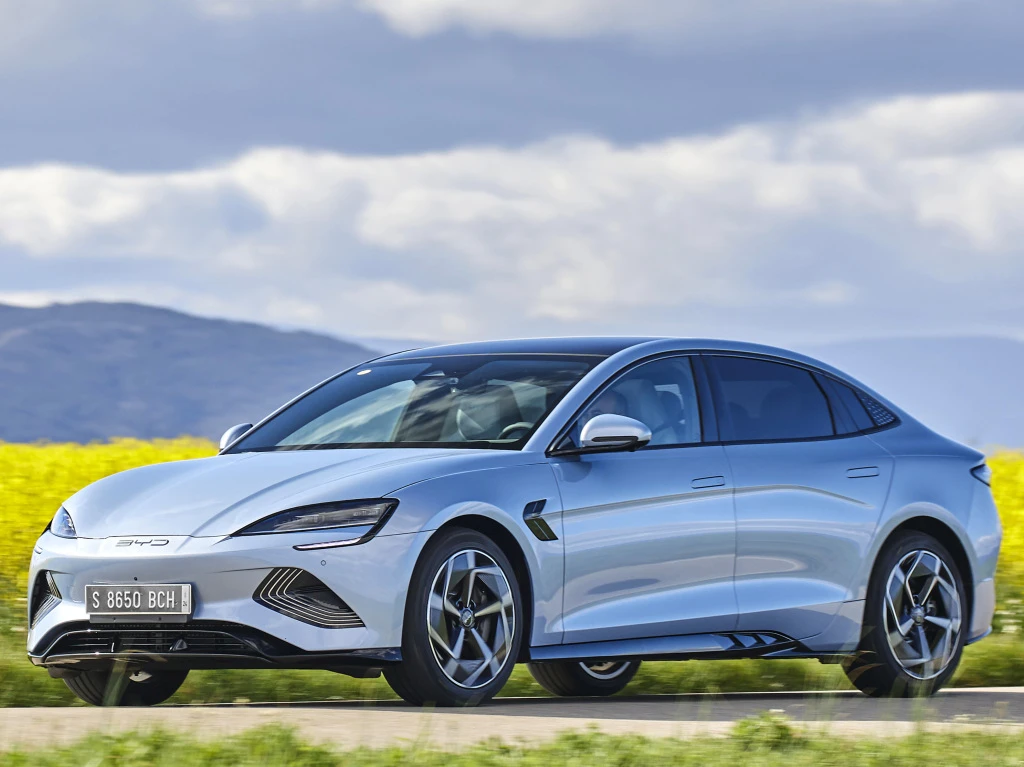
The 2020s are shaping up as a decade of economic pain that feels eerily familiar to the 1970s, accelerating demand for cheaper, more efficient new car choices. Affordable Chinese EVs could spark a wave of interest, much as Japanese cars once did, as recent policy changes and tough economic conditions are opening the door wide.
It’s hard to argue that Chinese brands don't have the goods. Before BYD even arrives on our shores, Canadians have already begun to associate the Chinese brand with EVs. In fact, the manufacturer’s brand recognition for EVs already surpasses that of Nissan, BMW, and Volkswagen, among others. If tariffs drop, or Canadians keep craving sub-$35k cars despite sticky inflation, we’ll see a surge, albeit slower and more hotly debated than the Japanese boom. In the end, lower prices will likely drive the success of Chinese automakers.
“I think Canadians definitely love a deal. We’re very price-sensitive. And it’s not unusual for a customer to leave the showroom over a $20 or $ 30-a-month difference in the payment,” Murphy concluded.

All Articles
See all
Lincoln's Mercedes G-Wagen Fighter is More Likely a Lexus GX Rival — That's Probably a Good Thing
A Ford Bronco-based Lincoln off-roader is incoming. Here’s why aiming lower than the Benz might help.
 Benjamin Hunting

How Long is Too Long for a Car Loan?
Deciding on the best loan length could save you thousands.
John LeBlanc
Why You Shouldn't Drive After Certain Surgeries and Medical Procedures
Why you can't drive for weeks after some surgeries.
 Sami Haj-Assaad