
Pros and Cons of Buying a Vehicle at an Auction

Buying a car at an auction can get you a used vehicle at close to wholesale price, but it’s sold as is, with no warranty and usually no test drive. A public car auction suits buyers who can inspect a car on the lot, know its value, and pay within days. Most other shoppers are better served by a retail purchase.
TV shows depict auctions as a pastime for the rich, bidding a fortune on a Picasso. But dealer auctions are where dealers stock their used lots: buy at wholesale, spruce up, sell at retail. Some are open to the public, so you can skip the middleman.
Key Takeaways
- Price is the main pro. Cars sold at auction trade closer to wholesale than retail, because the buyer carries the risk.
- As is means as is: no warranty, no refund, no guarantee the car passes a safety inspection.
- The hammer price isn’t the final price. Taxes, registration, auction fees, transport, and repairs sit on top.
- Payment comes fast, so arrange your money before sale day.
- Before buying a car at auction, run the VIN and check the title status and liens. In Ontario, only “None” and “Rebuilt” vehicles can be driven.
Who This Guide Is For
This guide is for private buyers trying a public auction or online car auctions for the first time and doing their homework first.
Still weighing the pros and cons of buying new vs used? Settle that first. An auction is a used-car purchase with the safety nets removed.
What to Know Before You Start
Every car auction works the same basic way:
- sellers consign vehicles
- buyers register
- each lot goes to the highest bid that meets the seller’s reserve price.
Here’s how buying at auction compares with the two usual routes.
| Auction | Dealership | Private sale | |
|---|---|---|---|
| Price | Close to wholesale | Retail | Negotiated |
| Test drive | Usually not allowed | Yes | Yes |
| Warranty | None, sold as is | Sometimes | None |
| Ontario UVIP | Ask the auction house | Not required from OMVIC-registered dealers | Seller must provide it |
| Payment | Deposit, then full payment within days | Financing often available | Arranged with the seller |
The Pros of Buying a Car at an Auction
The biggest draw is price. Auction cars often sell below retail because nobody has reconditioned them or backed them with a warranty. Set a budget and bid up to it. No higher. For a handy buyer after a project car, the savings can be real.
Selection and variety come next: a big yard runs hundreds of vehicles through one sale, from commuter cars to classic cars. And it’s quick.
The Cons: Sold as Is, No Warranty and No Test Drive
The risks start here: no warranty and no guarantee your purchase will pass a safety inspection. Everything is sold as is, and a car that’s sold as is for a reason becomes your problem when the hammer falls.
Find out where the cars come from:
- repossessions sold for finance companies
- salvage vehicles
- dealer trade-ins
- fleet cars
- a private seller’s car.
It’s a mixed bag. Some are a great deal. Others are a lemon in good paint.
Buyer beware isn’t a slogan at a car auction. It’s the whole contract.

Public, Dealer-Only, Government and Online Auctions
Who can bid depends on the sale.
| Auction type | Who can bid | Typical vehicles |
|---|---|---|
| Public auction | Anyone who registers | Trade-ins, repossessions, consignments |
| Dealer-only auctions | Bidders with a dealer licence | Wholesale dealer stock |
| Government auctions | Usually the public | Retired and surplus fleet cars, such as police vehicles |
| Online auction | Registered bidders, remotely | Any of the above |
A live auction runs cars past an auctioneer in minutes; an online auction takes bids over days, often on photos alone.
Step-by-Step Process
Knowing how to buy cars at auction comes down to preparation, because the auction process itself moves fast.
Find an Auction and Register to Bid
Search for a public car auction in your area and read its terms: fees, payment deadlines, pickup rules. Many hold a preview in the days before each sale. Arrive early.
To register, expect to show a valid driver’s licence and possibly pay a deposit. You’ll get a bidder badge or number, and you can walk the yard and inspect the cars before sale day.
Inspect the Lot and Run the VIN
Bidders can usually check under the hood and start the engines. You just can’t drive them.
Bring a flashlight and a mechanic for a pre-purchase inspection. Look for rust, leaks, and signs of accidents; hidden damage and mechanical faults are the real risk. Note the odometer, ask for service records, and make sure the vehicle identification number (VIN) matches the paperwork.
Eyeing an EV? Read the pros and cons of buying a used EV first.
Set a Maximum Bid Before the Bidding Starts
Decide your maximum bid at home. Start from a fair price for the same model and mileage at retail, then subtract taxes, fees, and likely repairs. Dealers bid too, and they know the market value of every car.
Check Retail Prices on AutoTrader.ca Before You Bid
Know what the car is worth before you bid. Compare trims and Canadian prices so your maximum bid is based on real numbers.
Research Canadian Prices and Trims
Costs and Documents
The winning bid is only part of the bill.
The Real Cost of Buying a Car From an Auto Auction
When buying a car from an auto auction, budget the total, not the bid:
- Hammer price (your winning bid)
- Any auction fee or buyer’s premium listed in the terms
- Sales tax: in Ontario, 13% retail sales tax on a private-seller purchase, or the HST shown on a business seller’s bill of sale. Confirm with the auction which tax applies.
- Registration fee and plates
- Transport, plus storage if you pick up late
- Repairs needed to pass a safety inspection
If the total nears retail for a comparable car with a warranty, it isn’t a bargain. Ontario taxes a private-seller purchase on the price or wholesale value, whichever is greater, per Ontario’s used vehicle guide.
Payment Deadlines and Financing
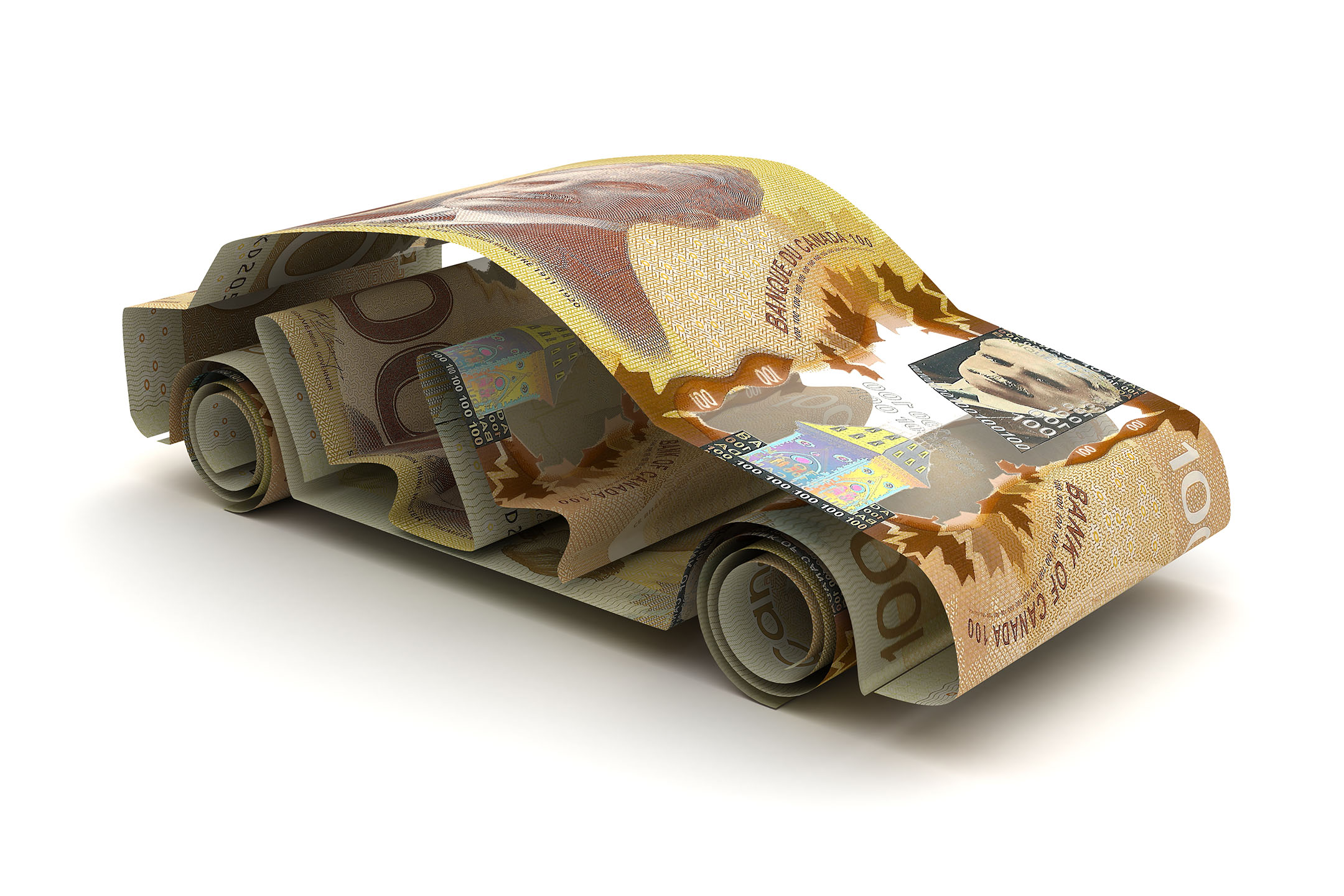
You may owe a deposit to bid, and payment in full is often due within a few days. Don’t count on financing at the auction. If you need a used car loan or personal loan, get pre-approval first; here’s how bank or dealer financing compares.
Some auctions only take debit, a certified cheque, a bank draft, or cash; ask about a wire transfer.
Selling your current car? An Instant Cash Offer can free up funds.
Title, Bill of Sale and Ownership Transfer
After payment, you get the ownership documents and a bill of sale. Check the VIN and title status against the car and listing. In Ontario, you must register at ServiceOntario within six days, with proof of insurance.
For an extra fee, some auctions have an on-site garage that does the safety work, then completes the ownership transfer. Ask before you bid.
Check Your Trade-In Value Before Auction Day
Selling or trading your current car to pay for this one? Get a free estimate so you know your real budget.
Common Mistakes
Bidding Past Your Budget at an Auto Auction
An auto auction is fast and loud. One more bid always feels small. Stick to your budget: write your maximum down, and if the car passes it, let it go. Another lot is coming.
Skipping the History Report and Title Status
A clean-looking car can carry a salvage title or flood damage. The VIN unlocks the vehicle history report, and title status tells you whether the car can legally go back on the road.
Forgetting Transport, Storage and Repairs
A car that fails inspection may need a tow. Check the pickup deadline and storage charges, price extensive repairs, and arrange insurance first.
Canadian Considerations
Registration is provincial, so the rules after you win depend on where you live.
Ontario Car Auctions and the Safety Standards Certificate
At Ontario car auctions, remember that a safety standards certificate confirms a vehicle met minimum safety standards on the day it was issued; it isn’t a warranty. Per Ontario’s safety standards certificate page, you can buy and register a car without one, but you can’t plate it.
See when not to trust a safety certificate.
Liens, Brands and the Used Vehicle Information Package
The Used Vehicle Information Package (UVIP) shows a car’s Ontario registration history, its brand, and any lien. A private seller must provide one; OMVIC-registered dealers don’t have to. ServiceOntario also sells it, per Ontario’s UVIP page.
Insurers, salvagers, auctioneers, and dealers must brand severely damaged vehicles under Ontario’s mandatory vehicle branding program. Only “None” and “Rebuilt” vehicles can be driven. An irreparable car is parts only, and a salvage car must pass a structural inspection to become rebuilt, then pass a safety inspection before it can be plated.
A car branded Rebuilt in another province or U.S. state is registered as Salvage in Ontario, so it can’t be driven until it passes an Ontario structural inspection.
Recalls, CARFAX Canada Checks and Other Provinces
A CARFAX Canada report adds accident and lien history across provinces. Transport Canada runs the Motor Vehicle Safety Recalls Database for open safety recalls.
Outside Ontario, check your province’s registrar (SAAQ in Quebec, ICBC in B.C.) before bidding, especially on a car registered in another province.
See our fraud protection tips too.
Want a Warranty? Shop Used Cars on AutoTrader.ca
Prefer a car you can test drive first? Filter used cars by price, model year, and mileage to see how comparable vehicles are listed.
Shop Used Cars on AutoTrader.ca
FAQ
What Is an Auto Auction?
An auto auction sells vehicles to the highest bidder, with no posted price. Sellers include dealers clearing trade-ins, finance companies selling repossessions, and governments retiring fleet cars. Auto auctions run in person, online, or both.
Cars are generally sold as is, so the buyer takes on the risk of hidden problems.
Can Anyone Buy a Car at an Auction in Canada?
Anyone can buy a car at an auction that’s open to the public, whether it’s an in-person auction or online. Expect to register with a valid driver’s licence, and possibly a deposit, before you can bid.
Dealer-only auctions need a dealer licence. Government auctions are usually open to the public.
How Do You Buy Cars From Auctions if You’re Not a Dealer?
How do you buy cars from auctions without a licence? Stick to public and government sales. Register ahead, attend the preview, run the VIN, and set your maximum bid. Have payment ready, since full payment can be due within days.
Dealer-only sales are off-limits to private buyers, so skip them.
Is It Cheaper to Buy a Car at Auction?
It can be cheaper to buy a car at auction, but not always. The hammer price often lands below retail, but then taxes, fees, transport, and repairs close the gap. Compare the total against listings for the same model and mileage; the AutoTrader Price Index tracks used-price trends each quarter.
Can You Test Drive a Car at an Auction?
Usually not. Most auctions let you inspect a car and start the engine during the preview, but not drive it. A car driven through the lane shows it runs, not how it brakes or shifts.
Bring a mechanic to the preview instead, and check the VIN history before sale day.
What Fees Do You Pay at a Car Auction?
It depends on the car auction, so read its fee schedule before you register. Beyond the hammer price, budget for any buyer’s premium, sales tax, registration, and transport.
In Ontario, a car bought from a private seller carries 13% retail sales tax, paid at ServiceOntario when you register within six days.
Do Car Auctions Offer Financing?
Don’t count on it. Many car auctions expect payment in full within days, by cash, debit, certified cheque, or bank draft. Arrange financing before sale day so your deposit isn’t at risk, and check the brand first: a salvage vehicle can’t be driven until it passes a structural inspection, is rebranded Rebuilt, and passes a safety inspection.
What Happens if a Car Sold at Auction Has Problems?
A car sold at auction is almost always sold as is, so problems found later are yours. A car bought at an auction comes with no warranty and no guarantee it will pass a safety inspection.
That’s why the preview matters: inspect, bring a mechanic, and run the VIN before you bid.
Can You Buy a Repossessed Car at a Bank Auction?
Yes. Repossessed vehicles regularly go through public auctions, sold on behalf of lenders and finance companies. Treat them like any lot bought at auction: condition varies, since an owner behind on payments may have skipped maintenance.
Check the UVIP for a lien, and confirm in writing that you’ll get clear ownership.
Should You Buy a Rebuilt Vehicle From a Salvage Auction?
Only if you know what you’re buying. A salvage auction sells vehicles written off as a total loss. In Ontario, a salvage car must be repaired and pass a structural inspection before it’s rebranded as rebuilt, and then needs a safety certificate to be plated, and the brand shows on the permit and UVIP. Weigh resale value and ask your insurer before you bid.
Sources
Accessed September 22, 2026
- Government of Ontario pages on the Safety Standards Certificate, Used Vehicle Information Package, Mandatory Vehicle Branding Program (updated April 1, 2025) and buying or selling a used vehicle (updated June 18, 2026)
- Transport Canada’s Motor Vehicle Safety Recalls Database
- AutoTrader Price Index and AutoTrader editorial
All Articles
See all
2018 Dodge Charger GT AWD: Specs, Horsepower and Used-Buying Guide
Learn what to check before buying a 2018 Dodge Charger GT AWD, including reliability, common problems, pricing and ownership costs.

What Is a CARFAX Report? What It Shows, Costs and Limitations
CARFAX Canada, the company once called CARPROOF, is a Canadian vehicle history company that turns a used vehicle's VIN into a report of its reported accidents, recalls, service visits and registration history. The Lien Check version also searches for registered Canadian liens.

The Death of Zero Per Cent Financing and What You Can Do About It
A “free” car loan sounds enticing, but there’s a lot more to the story.
 John LeBlanc