
2018 Dodge Charger GT AWD: Specs, Horsepower and Used-Buying Guide

The 2018 Dodge Charger GT AWD is a full-size sedan with a 300-hp V6 and all-wheel drive, and that combination is the whole point of it. For 2018, FCA Canada moved all-wheel drive into the GT trims. Buy one for winter grip and V6 running costs, not V8 thrills, and clear its recalls by VIN before you pay.
Key Takeaways
- FCA Canada rates the 2018 Charger GT AWD’s 3.6 L Pentastar V6 at 300 hp and 264 lb-ft of torque, eight more horsepower than the base rear-drive SXT.
- An active transfer case can disconnect the GT’s front axle when it isn’t needed, which FCA Canada says improves real-world fuel economy.
- Natural Resources Canada rates the 2018 Charger AWD V6 at 12.8 L/100 km city, 8.7 highway and 11.0 combined, on regular gasoline.
- On Oct. 14, 2026, 2018 Charger GT sedans on AutoTrader.ca were asking $15,488 to $23,999, a one-day snapshot of asking prices.
- Transport Canada lists four safety recalls that affect civilian 2018 Chargers, including side curtain airbag inflators replaced under a 2024 recall.
- At 1,920 kg, the GT AWD weighs 97 kg more than the rear-drive SXT, and NRCan’s 2018 ratings make it about 7 per cent thirstier in combined driving.
Overview: Dodge Charger GT Specs and Horsepower
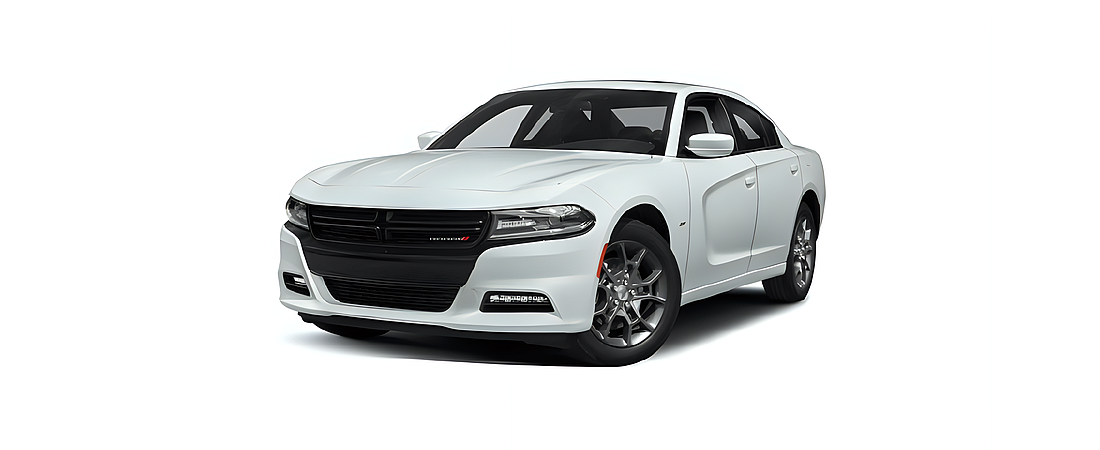
For 2018, FCA Canada (now part of Stellantis) reshuffled the V6 Charger lineup, built at Brampton Assembly Plant in Ontario.
Rear-drive buyers got the SXT, SXT Plus and SXT Premium Plus. All-wheel drive moved to two trims, the Charger GT AWD and the GT Premium Plus AWD. You’ll see U.S. sites call the upper trim “GT Plus.” In Canada, look for Premium Plus.
For a driving impression, read our 2019 Charger SXT AWD test drive, which covers the next model year of this all-wheel-drive V6 sedan.
Charger GT Horsepower and Specs From FCA Canada
| Spec (2018 Charger GT AWD, Canadian market) | Figure |
|---|---|
| Engine | 3.6 L Pentastar V6, regular 87-octane fuel |
| Horsepower | 300 hp at 6,350 rpm |
| Torque | 264 lb-ft (358 N·m) at 4,800 rpm |
| Transmission | TorqueFlite eight-speed automatic |
| Drivetrain | AWD, active transfer case with front-axle disconnect |
| Curb weight | 1,920 kg |
| Trunk | 464 L |
| Fuel tank | 70 L |
| Tires | 235/55R19 all-season performance |
| Max trailer weight | 454 kg |
Sources: FCA Canada 2018 Charger Canadian specifications; NRCan for fuel.
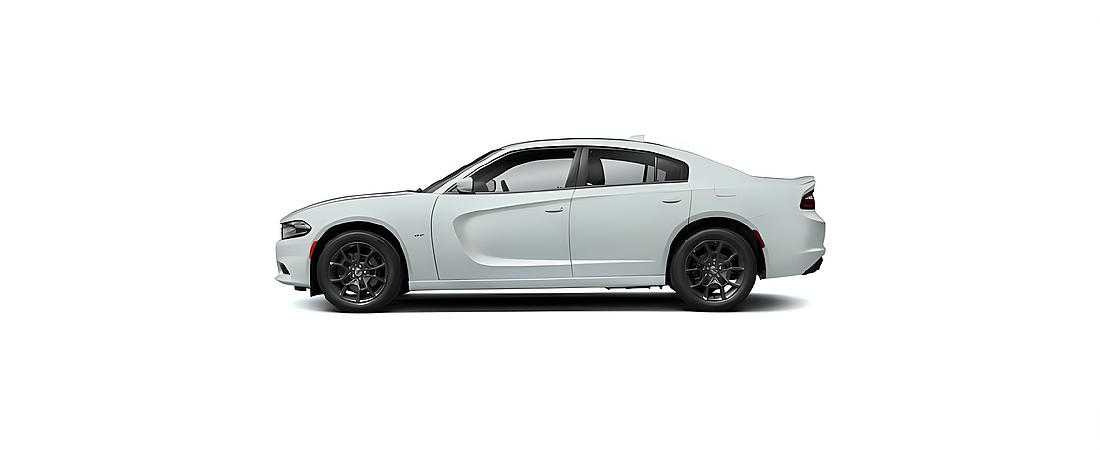
The GT’s extra power comes with extra mass. At 1,920 kg, it weighs 97 kg more than the rear-drive SXT, about 5 per cent, per FCA Canada’s 2018 specs. The SXT makes 292 hp and 260 lb-ft from the same engine. Want a Hemi? FCA Canada fitted the 370-hp 5.7 L V8 to the R/T and Daytona, not the GT.
How the Charger GT’s AWD and Transmission Work
The GT doesn’t drive all four wheels all the time. FCA Canada’s spec sheet lists an active, fully variable transfer case with front-axle disconnect, and the press kit says that disconnect is there to save fuel. You don’t flip a switch. The car decides. Every 2018 Charger also got the TorqueFlite eight-speed automatic transmission as standard.
AutoTrader drove the earlier 2016 Charger SXT Rallye AWD; our illustrated guide to all-wheel drive explains how part-time systems like this one differ from full-time AWD.
GT AWD vs GT Premium Plus AWD: Uconnect, Seats and Safety
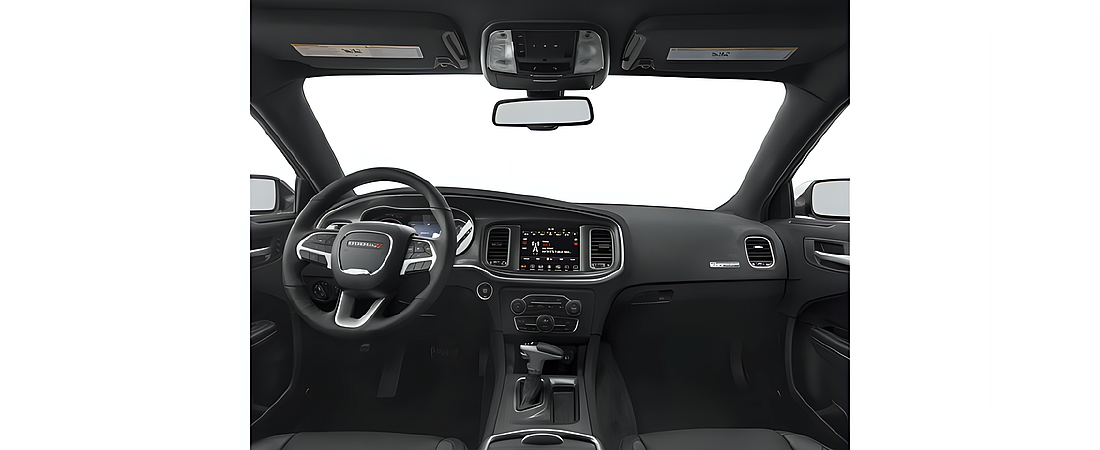
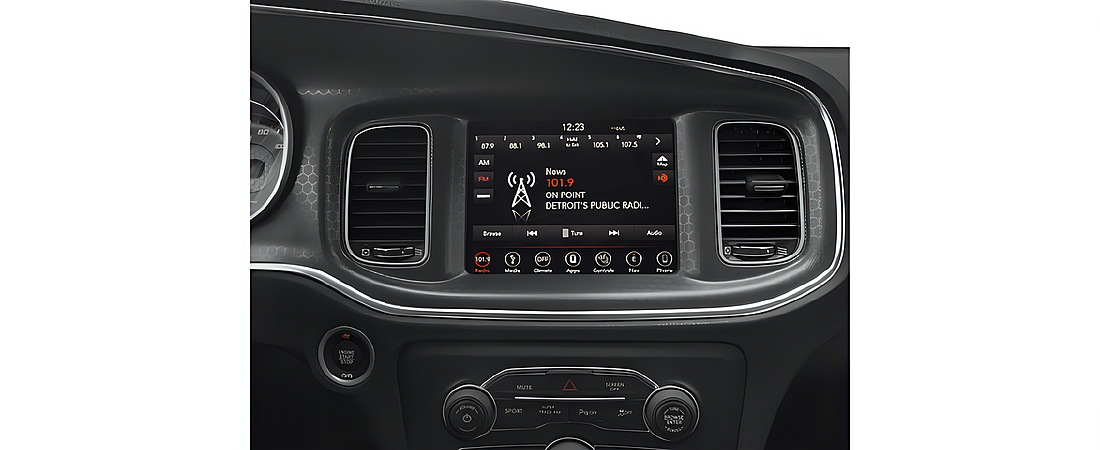
The GT AWD builds on the SXT Plus. That means an 8.4-inch Uconnect 4C touchscreen, heated front seats, remote start and rear park assist, plus GT parts: Dodge Performance Pages, paddle shifters with Sport Mode, performance brakes and a Gloss Black fascia applique. Apple CarPlay, Android Auto and a rear camera are standard across the 2018 lineup.
The GT Premium Plus AWD adds the SXT Premium Plus kit. Expect Nappa leather-faced seats, ventilated front seats, heated rear seats, a heated steering wheel and blind-spot monitoring with rear cross-path detection.
Compare the Charger GT With Other AWD Sedans
Lining up a few used sedans? Check specs and dimensions side by side before you shop.
Reliability: What the Dodge Charger AWD Record Shows
Start with what’s missing. No approved Canadian source scores the 2018 Charger’s reliability. So no rating here. You get the recall record and owner reports instead.
AutoTrader’s used review of the 2011 to 2018 Charger and Chrysler 300 found the V6 and the automatic weren’t flagged often enough to call a widespread problem. Confirm the maintenance records, and ask a dealer to check the VIN for software updates.
Why Service History Matters More Than Kilometres
Many of these cars show big kilometres. A thick folder of oil changes and fluid services tells you more than the odometer, which is the argument in our piece on mileage vs maintenance in a used car.
Common Problems: Recalls on the 2018 Dodge Charger
Four Safety Recalls to Clear by VIN
Transport Canada’s database lists these safety recalls covering 2018 Charger sedans (police Pursuit models aside):
- 2018223: an incorrect park lock rod in some eight-speed transmissions could let the car lose Park. Dealers replace the rod.
- 2018269: an electronic fault could leave cruise control unable to switch off. Dealers check and update the powertrain control module software.
- 2018422: a defective powertrain controller could fail and stall the engine. Dealers replace it.
- 2024168: side curtain airbag inflators on 2018 to 2021 Chargers could rupture. Dealers replace both side curtain airbag modules.
Not every car is affected by every recall. Run the VIN through Transport Canada’s recall database, then read what to do if your vehicle is recalled.
Owner-Reported Wear Points
Our used review flags a few owner complaints on this generation. Some report brake parts wearing faster than expected, felt as a pulsing pedal or grinding noise. Some report door panels peeling or warping. None is a recall, so you have to look.
Pricing and Value: What a Used Charger GT Is Worth
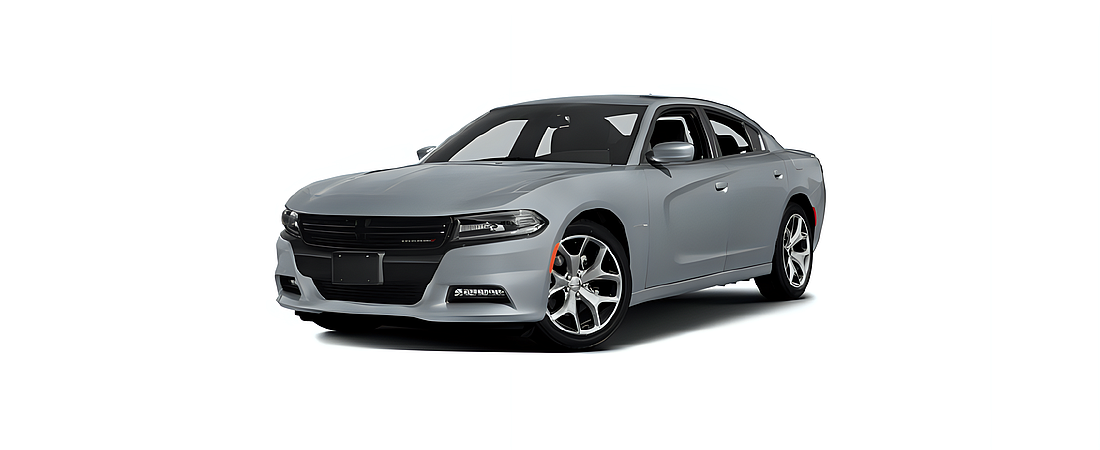
On Oct. 14, 2026, AutoTrader.ca listed 13 Charger GT sedans from the 2018 model year, asking $15,488 to $23,999 with a median of $19,000. Ten of those 13 had more than 100,000 km. The lowest-kilometre 2018 GT, at about 39,600 km, asked $23,995 as of that date.
These are asking prices from one day’s AutoTrader.ca listings, not sale prices or a valuation. Listings change daily, so check current ones before you negotiate.
Kilometres, trim and paperwork move the price most. Missing records or modifications are reasons to offer less.
How to Price a 2018 Charger GT AWD
Filter listings to 2018 Charger AWD and compare cars with similar kilometres. Trading in? Get a number for your current car first so you know your real budget.
Check What Your Current Car Is Worth
Trading in toward a Charger GT? Get a free estimate from your VIN or model details.
Inspection Checklist for a Used 2018 Dodge Charger GT
Steps Before You Buy
- Run the VIN for open recalls, then pull a vehicle history report, such as CARFAX Canada.
- Match service records to regular oil changes and other fluid services.
- Test the brakes from highway speed. Pulsing or grinding means a brake job is coming.
- Check every door panel for peeling, and work the windows and locks.
- Give Uconnect a full test: navigation, a Bluetooth call and the rear camera.
- Set the heat halfway and confirm warm air before the dial reaches full.
- Avoid heavily modified cars, since aftermarket parts can void remaining coverage.
- Book an independent pre-purchase inspection on a hoist.
For more, read what to know before buying a used AWD car.
Shop Used Dodge Charger GT AWD Sedans
Filter by model year, drivetrain and kilometres. Find the GT with the records to back it up.
Ownership Costs: Fuel, Tires and Upkeep
We won’t quote repair prices. No approved Canadian source publishes them, and U.S. shop estimates don’t transfer. Plan around fuel and tires.
Fuel Consumption From NRCan
Natural Resources Canada’s fuel consumption ratings put the 2018 Charger AWD V6 at 11.0 L/100 km combined. The rear-drive V6 is rated 10.3. That’s about 7 per cent more fuel for AWD in the 2018 ratings. Drive 20,000 km a year, and the GT’s combined rating works out to about 2,200 litres of regular gasoline.
Winter Tires for 19-Inch Wheels
The GT left the factory on 235/55R19 all-season performance tires. AWD helps you get moving, but it does nothing for braking. That’s why you still need winter tires even with AWD. Ask whether a second set comes with the car.
If the factory coverage is gone, weigh an extended warranty on a used car against the price of a known repair.
FAQ: 2018 Dodge Charger GT Questions
Sources
Accessed Oct. 14, 2026
- FCA Canada (Stellantis Media): 2018 Dodge Charger/Charger SRT Overview; 2018 Dodge Charger Canadian Specifications
- Natural Resources Canada: Fuel Consumption Ratings
- Transport Canada: Motor Vehicle Safety Recalls Database
- AutoTrader.ca listings: Used 2018 Dodge Charger Listings (asking prices, one-day snapshot)
- AutoTrader editorial:
- Used Vehicle Review: Dodge Charger and Chrysler 300, 2011–2018
- Test Drive: 2019 Dodge Charger SXT AWD
- Test Drive: 2016 Dodge Charger SXT Rallye AWD
- Illustrated Guide: All-Wheel Drive (AWD)
- Opinion: Mileage vs Maintenance – What’s More Important in a Used Car?
- Anatomy of a Recall: What to Do if Your Vehicle Is Recalled
- Everything You Need to Know About Buying a Used AWD Car
- Here’s Why You Still Need Winter Tires Even if You Have AWD
- Should You Get an Extended Warranty on That Used Car?
All Articles
See all
The EV Cool-Off: Why Are Canadians Hesitating to Go Electric?
Hybrids promise fuel savings without the plug. Here’s why that appeals to Canadian car buyers.
 John LeBlanc

Ontario Used Vehicle Information Package (UVIP): Cost, Contents, and When You Need It
Learn the documents, costs, and steps required for the Ontario Used Vehicle Information Package (UVIP) in Canada.

What Is a CARFAX Report? What It Shows, Costs and Limitations
CARFAX Canada, the company once called CARPROOF, is a Canadian vehicle history company that turns a used vehicle's VIN into a report of its reported accidents, recalls, service visits and registration history. The Lien Check version also searches for registered Canadian liens.