
The EV Cool-Off: Why Are Canadians Hesitating to Go Electric?
 John LeBlanc

Along with the end of cheap car loans and the higher overall costs of driving a car, the "paradox of choice" suggests that too many options can lead to stress, anxiety, and difficult decision-making for Canadians buying a new car in 2026.
A decade ago, buyers had fewer decisions to make, as traditional gas-powered internal combustion engines (ICE) were pretty much the only option. Nowadays, though, before deciding which make or model to buy, buyers must consider four propulsion systems: conventional ICE, hybrid electric vehicle (HEV), plug-in hybrid electric vehicle (PHEV), and fully electric vehicle (EV). This paradox of choice in the zero-emission vehicle (ZEV) market is dividing car buyers into two groups: those who plug in and those who won’t.
For Canadians shopping for a new car, going electric involves more than choosing a model. Purchase prices, shifting incentives, access to charging and winter range all complicate the decision. Those concerns are creating an opening for conventional hybrids, which offer a way to cut fuel consumption while keeping familiar driving and refuelling habits.
Have Early Adopters Bought Their EVs?
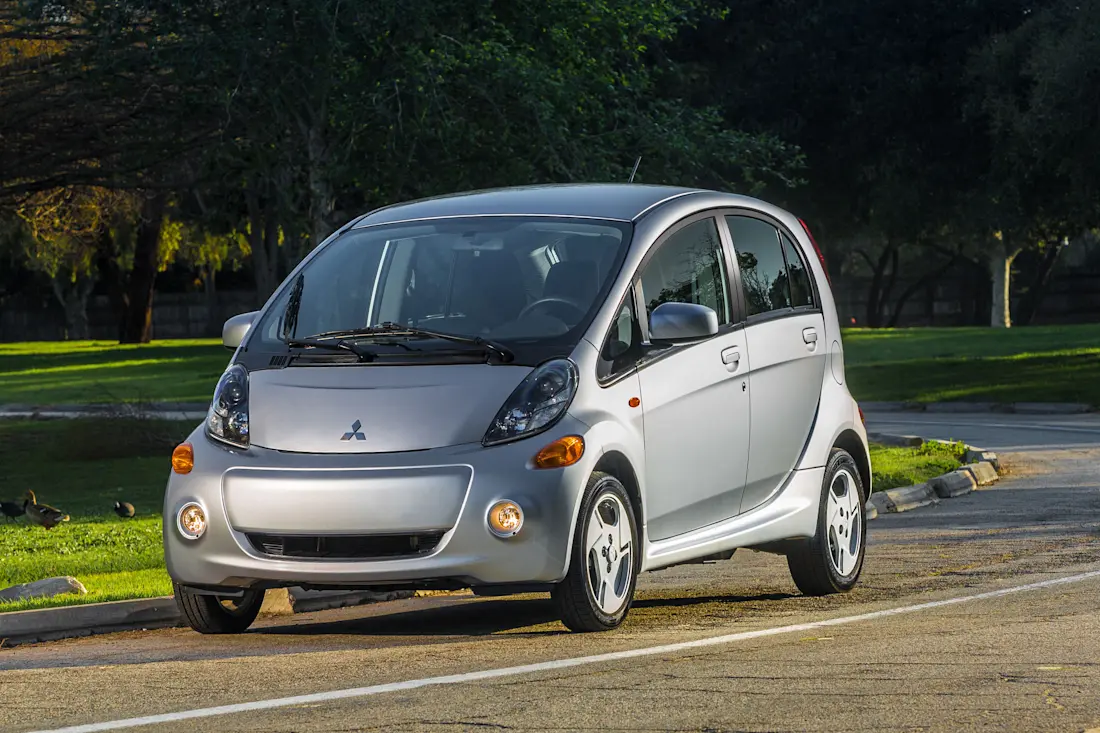
Canada currently has more battery-electric new models on sale than ever before. Competition is driving EV prices down, and the Canadian federal government is once again offering incentives that help make them even more affordable. Still, EVs have not gained wide acceptance among many people who have never owned one before.
While early EV adopters are already on board, the broader market remains highly sensitive to uncertainty about government policy, high interest rates, the continued lack of accessible charging infrastructure, and existing tariff and trade barriers before buying a vehicle that must be plugged in exclusively.
EV Policy Confusion and Regulatory Rollbacks
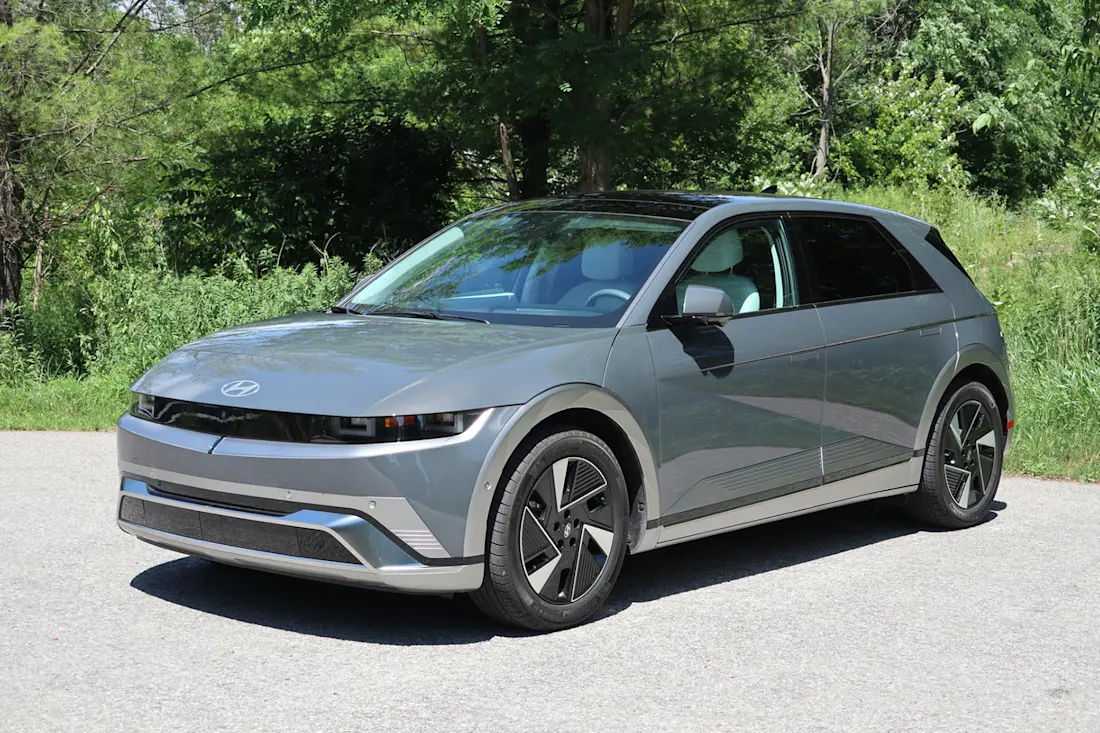
Even if you've heard otherwise, EVs remain popular in other countries. In 2025, global electric vehicle sales increased by 23 per cent. Europe saw the strongest growth among major EV markets, with sales rising more than 30 per cent. China’s electric car sales growth slowed slightly but still rose 22 per cent. North America is the only region where EV sales rose by only 4 per cent in 2025.
In Canada, the situation is even worse, as sales in 2025 fell back to 2022 levels at 8.7 per cent of all new vehicle sales. The public has largely attributed this to the federal government's inconsistent EV rebate policies.
Now that the federal government has resumed providing the rebate, provinces that previously offered the most substantial historical support (such as Quebec) have reduced their local incentives. Because of the decrease in provincial top-ups, the total amount a Canadian buyer has to pay out of pocket is still clearly lower than it was in the years when EV adoption reached its peak in 2024, capturing a market share of approximately 15.4 per cent of all new vehicle sales.
The Combustion Preference
Given the many challenges, it is no surprise that many Canadians still choose a gas-powered car or a hybrid as a practical compromise rather than opting entirely for a battery-only vehicle.
A recent Deloitte Global Automotive Consumer Study found that 56 per cent of Canadians still have a preference for a conventional gasoline-powered vehicle. The study also found that many buyers view hybrids as a balance between environmental concerns, the desire to save money on fuel, and Canada's extensive driving conditions and variable, volatile weather.
Why Hybrids Win Over Pure EVs in Canada
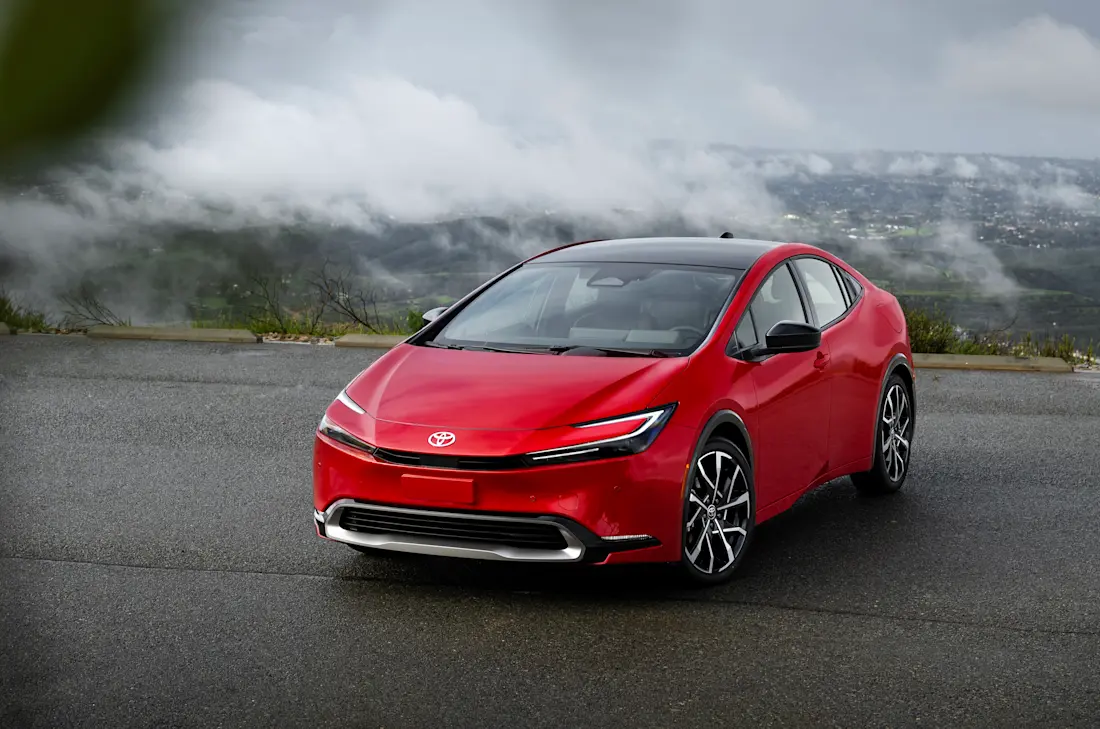
In Canada, hybrid vehicles are gaining popularity over pure electric cars mainly because of their lower prices, their ability to work despite gaps in the charging infrastructure, and their better performance in cold weather.
Pure electric vehicles initially cost about 15 to 20 per cent more than their equivalent hybrid models. Lower purchase prices also mean lower total financing costs and reduced insurance premiums. Traditional hybrids and plug-in hybrids also hold strong resale value over the long term because buyers trust the reliability of hybrid technology, which has been available for decade. EVs depreciate quickly because of rapidly developing technology and the fact that the general public isn’t aware that EV batteries are lasting much longer than originally anticipated. There is still a lot of confusion around EV battery longevity and safety that could be holding drivers back from making the switch.
EV Charging Infrastructure Realities
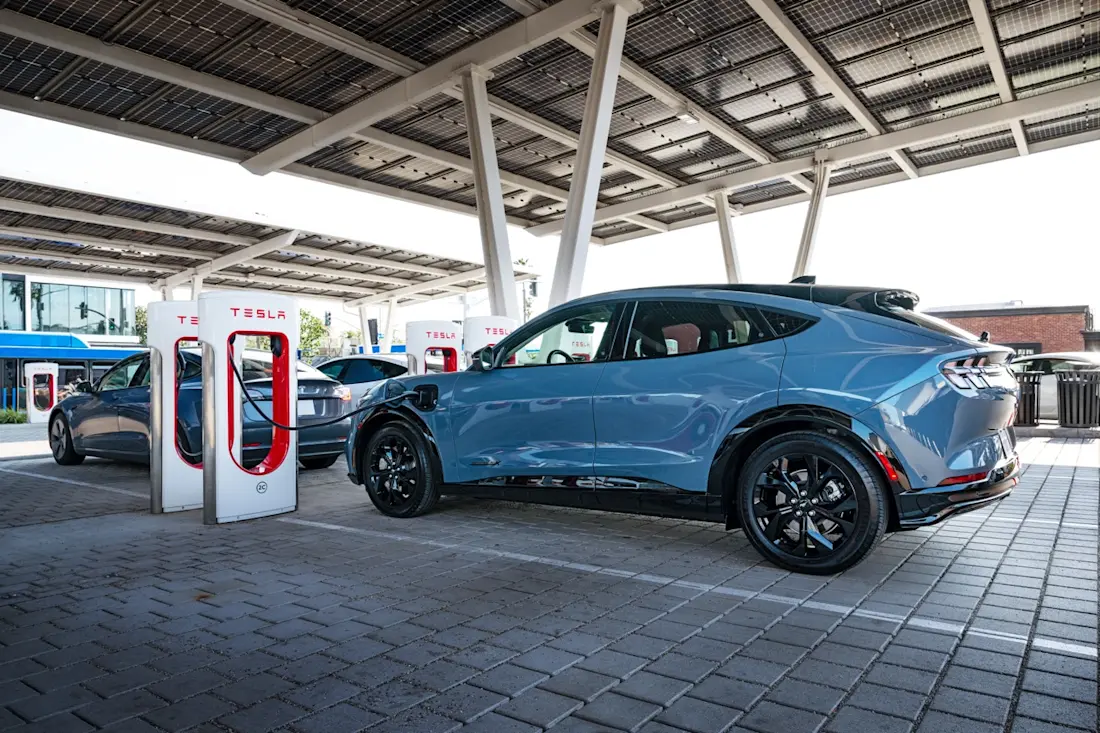
Although most buyers focus on the initial price, they still worry about the slow development of a reliable network of public fast-charging stations outside major metropolitan areas.
Drivers are also addicted to the convenience of being able to drive to any ordinary gas station and fill up in five minutes. And for Canadians who live in apartments or older houses without garage access, installing a Level 2 home charger is either physically impossible or too costly. Because hybrids run on regular gasoline, drivers don't need to worry about where to plug in. Drivers can follow their usual gas station refuelling habits while reducing fuel consumption.
Cold Canadian Winters and Range
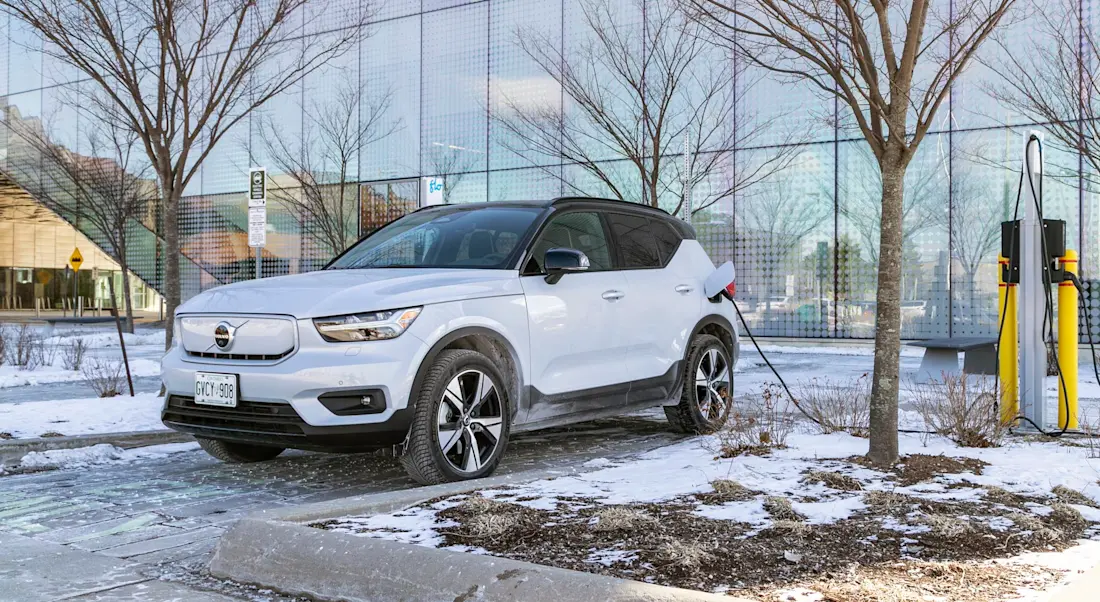
Another problem is Canada's cold weather. It’s a major disadvantage for EVs.
Typical battery range can drop when temperatures fall below -20°C. Unlike a conventional hybrid or a plug-in hybrid, which can use its gas engine in cold weather, heating an EV’s cabin or defogging windows can greatly reduce the distance the car can be driven. Compared to EVs, traditional hybrids still offer significant fuel savings. Many have a fuel consumption rate as low as 4.5 to 5.5 L/100 km under urban driving conditions.
In the end, the habits drivers have built up around owning a car can carry over to a hybrid. They don't need to learn anything new. Buyers have no obligation to download charging apps, plan road trips around fast-charger locations, or check battery levels. It's just like the gas car they have been driving for years, except it has to go to the pump about half as often.

All Articles
See all
Used 2008 Acura MDX: 4WD or AWD, Recalls and What to Check
Let's say you're scrolling used SUVs on a cold January night, and a 2008 Acura MDX pops up at a price that looks like a typo.

Ontario Used Vehicle Information Package (UVIP): Cost, Contents, and When You Need It
Learn the documents, costs, and steps required for the Ontario Used Vehicle Information Package (UVIP) in Canada.

2018 Dodge Charger GT AWD: Specs, Horsepower and Used-Buying Guide
Learn what to check before buying a 2018 Dodge Charger GT AWD, including reliability, common problems, pricing and ownership costs.