
What Insurance Experts Say You Should Do if Your Vehicle is Damaged by a Storm
 Sébastien Bell

This week, southern Ontario was hit with a “hundred-year storm,” according to the Toronto and Region Conservation Authority. More than 100 mm of rain caused flooding, high winds felled trees, and hail caused damage of its own.
For some, the storm was merely inconvenient. For others, the extreme weather led to big headaches as their vehicles suffered damage, whether from water, fallen objects, or hail.
It can be hard to know what to do in the wake of such a storm, as, for many, it’s the first — and hopefully last — time something like this happens. As we’ll discuss, though, it unfortunately may not be the last time a storm like this hits, so it’s worth learning how to handle such an event.
That’s a mission made all the more important since a recent TD Insurance survey found that 61 per cent of Canadians are not confident what their policy does and does not cover, a sign of just how complicated insurance can be. With that in mind, AutoTrader reached out to a number of insurers in Ontario to find out what they recommend.
Coverage Questions
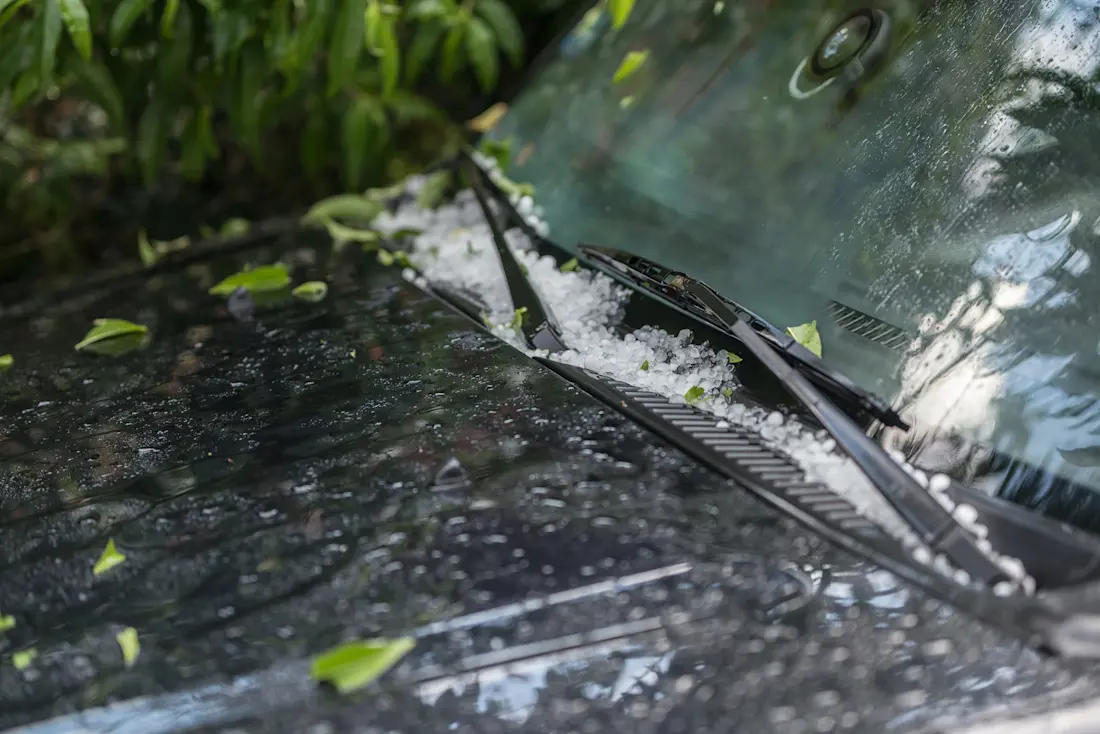
First, it’s important to know what your insurance covers. According to a representative of the Financial Services Regulatory Authority of Ontario (FSRAO), the Ontario agency that regulates the insurance industry, among others, weather-related incidents are not covered under basic liability coverage, but are commonly included in policies with “comprehensive coverage.”
Even if you haven’t selected comprehensive, though, Heather Ardiel, the Associate Vice President of Catastrophe Claims, Claims Response Operations and Claims Enablement at TD Insurance, told AutoTrader via email that damage resulting from weather events may be covered under certain physical damage coverages, though that all depends on what an individual policy holder has opted for.
First Steps When You Discover Damage
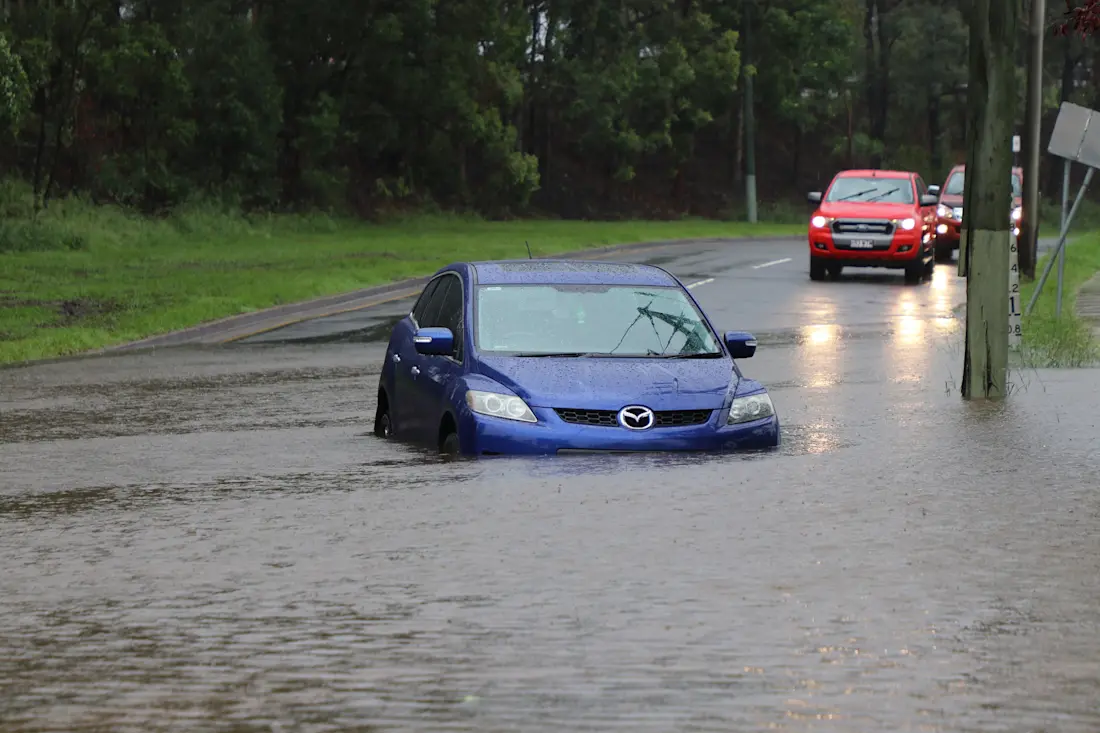
According to Ardiel, if you are covered, the first thing you should do when you discover damage is to make sure everyone is safe.
“If the vehicle is in a dangerous location, or there are downed power lines or floodwaters nearby, keep your distance,” she wrote. “Once it’s safe, take photos or videos of the damage and the surrounding area.”
According to Alex Rafuse, AVP, Product & Underwriting at Definity, it’s also helpful to take reasonable steps to avoid further damage at this point. Naturally, though, it’s important to prioritize safety above all else. Moreover, if you suspect that your vehicle has suffered flood damage, you likely shouldn’t start it. If there’s water in the engine, running it could lead to even more damage.
Once you’ve assessed the situation, contact your insurance provider as quickly as you can, and follow their guidance. Having your policy information, photos, and a description of the event ready can be helpful in streamlining the process.
Next Steps
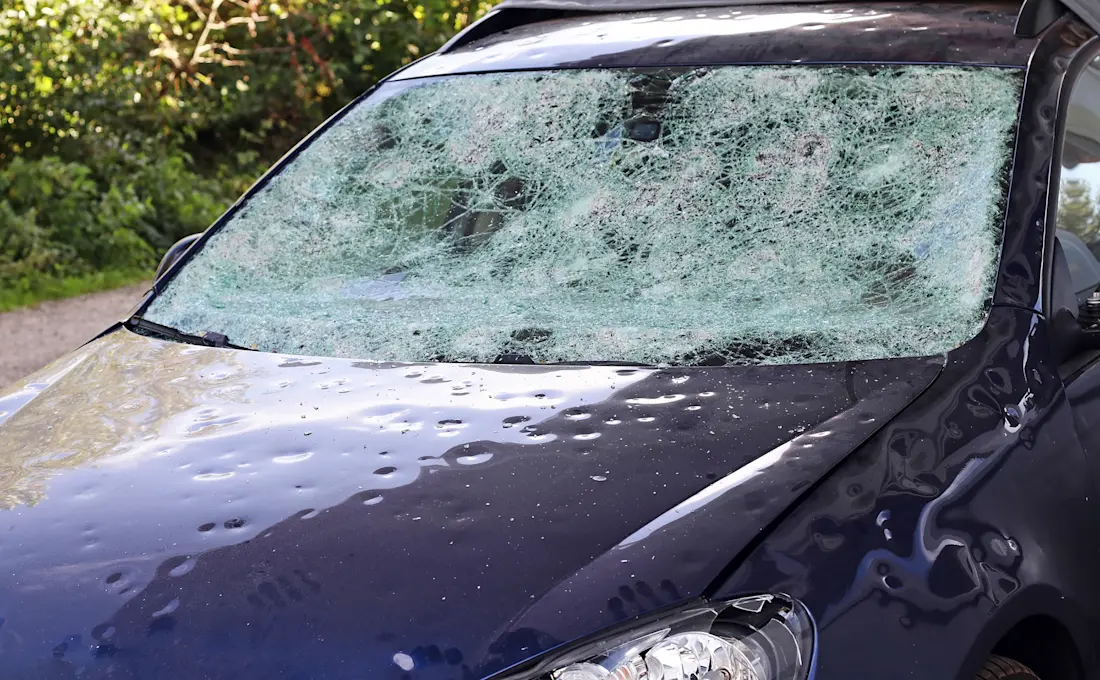
Ardiel adds that once you’ve submitted a claim, the best thing you can do to help everything run smoothly is to keep things organized. Ensuring that photos, repair estimates, and notes from the insurer or repair shop are all kept in one place can help ease the burden of managing the claims process.
It may also be worth re-examining your coverage. Even if your vehicle hasn’t suffered damage, the increasing frequency of extreme weather events caused by climate change may persuade you to reconsider what coverage you decide to buy.
Indeed, the toll of extreme weather is already being felt in Canada. Between 2005 and 2019, the Insurance Bureau of Canada reports that the Greater Toronto Area suffered six weather events that could be considered hundred-year storms (the name is a bit misleading because it refers to the statistical probability of such weather events — there is a 1 per cent chance of experiencing such weather in a given year — rather than the actual rate of occurrence).
Beyond reconsidering your policy, it may be worth working on ways to protect your vehicle, where possible.
"As severe weather events become more frequent, we encourage Canadians to take preventive measures when possible, such as parking vehicles in covered areas, avoiding areas prone to flooding and staying informed through local weather alerts," Rafuse said in an email.

All Articles
See all
Truck Features to Look for if You’re Towing
The towing features that make the job easier. And the ones that might not.
 Benjamin Hunting

AutoTrader Answers: How to Check Your Tire's Tread Depth
Tread depth is a helpful indicator of when you should replace your tires.

AutoTrader Answer: What to if You Get a Flat Tire
It’s not as scary as it might sound!