
Suzuki Jimny AWD Guide: Winter Performance, Fuel Economy and Ownership Costs

If you’ve been searching for a Jimny AWD, here’s the first surprise: the Suzuki Jimny isn’t all-wheel drive. It uses AllGrip Pro, a part-time four-wheel-drive system with a low-range transfer case, so it’s a genuine off-roader, stronger in deep snow than most small crossovers.
The second surprise matters more. Suzuki doesn’t sell the Jimny in Canada, and the current generation can’t be imported until it turns 15, around mid-2033.
Key Takeaways
- The Suzuki Jimny uses part-time four-wheel drive with 2H, 4H and 4L settings, not automatic AWD. You choose when the front axle is engaged.
- Suzuki recommends 2WD on paved roads and 4H for gravel and snow, so the driver decides when four-wheel drive is working.
- Natural Resources Canada has no fuel rating for any Jimny, and its data shows no rated Suzuki car or SUV after the 2013 model year.
- For a Jimny, Transport Canada’s 15-year rule for vehicles from outside the U.S. and Mexico is the only realistic import route, which rules out the fourth-generation Jimny launched July 5, 2018 until about mid-2033.
- If you want Jimny-style hardware sold here, NRCan rates the 2026 Ford Bronco Sport 4WD 1.5L at 8.6 L/100 km combined and the 2026 Jeep Wrangler JL 4X4 2.0L at 11.0.
AWD System Explained: Is the Jimny AWD or a Part-Time 4x4?
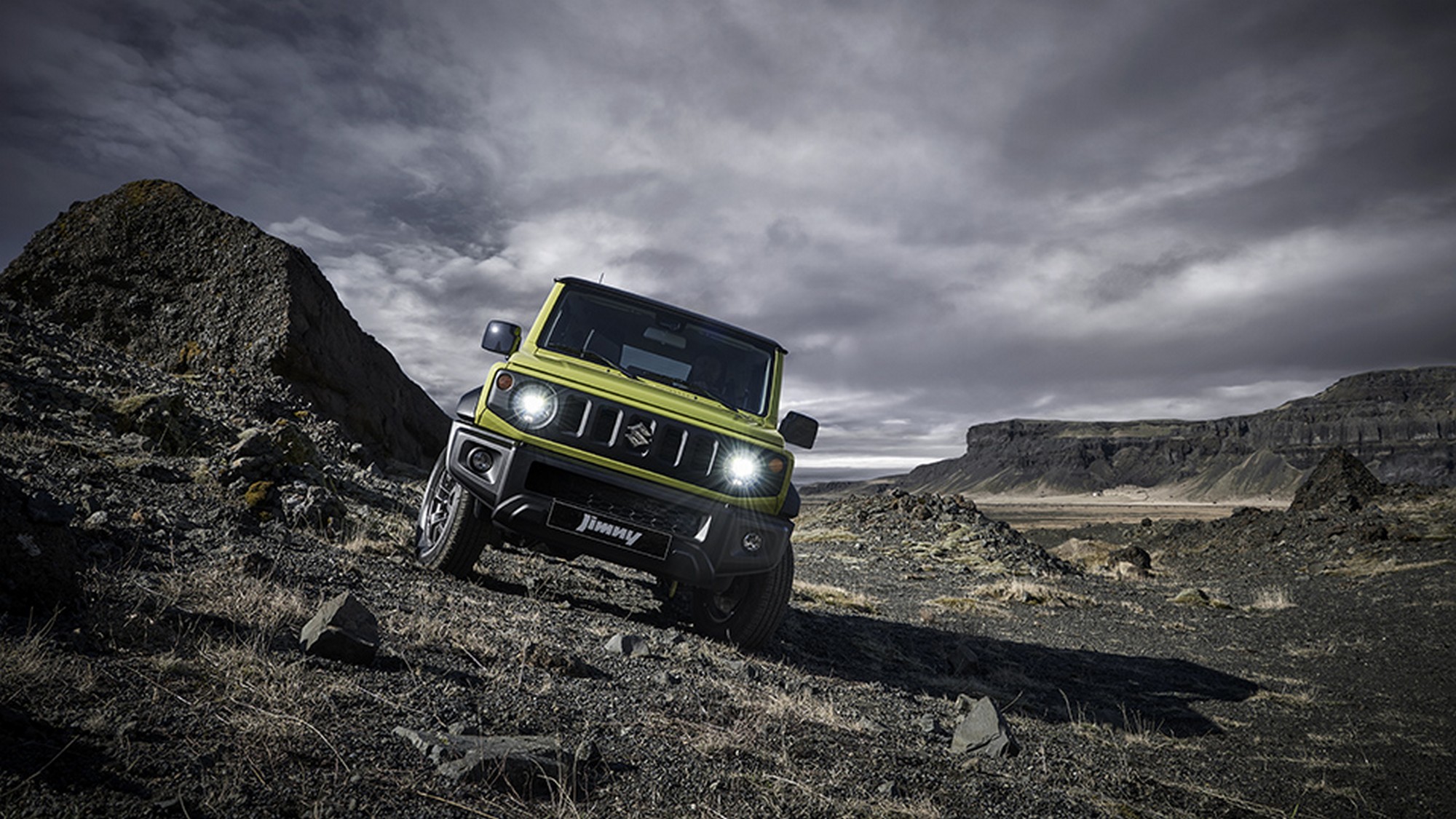
The short answer is no. All-wheel drive engages both axles on its own, with no driver input. The Jimny 4x4 works the other way: you pull a lever, and AllGrip Pro locks the front and rear axles together. Suzuki Australia describes it as a part-time 4WD system that splits power evenly to all four wheels in 4WD mode.
If the jargon blurs together, our explainer on the difference between AWD, 4WD and 4x4 covers it in plain terms.
How AllGrip Pro Works: 2H, 4H and 4L
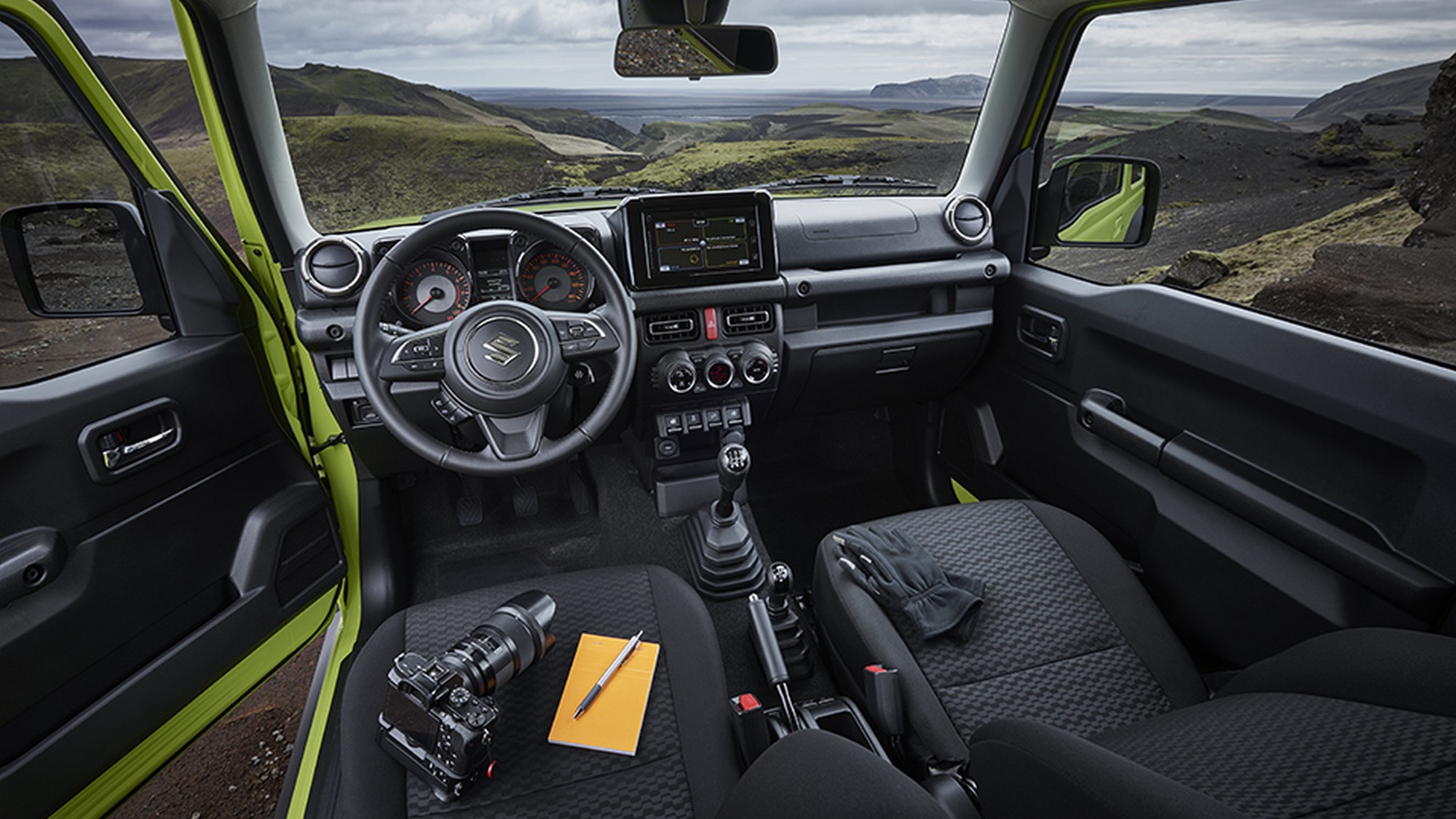
Suzuki New Zealand lists three positions on the Jimny’s transfer lever:
- 2H is two-wheel drive, for smoother, more fuel-efficient driving on sealed roads.
- 4H engages four-wheel drive for extra traction at higher speeds on gravel roads and snow.
- 4L adds low-range gearing for slow, controlled driving with maximum torque on steep, rough terrain.
That’s real off-road hardware, and more work than a crossover. Nothing switches on by itself when the road turns icy.
Ladder Frame, Rigid-Axle Suspension and Brake LSD Traction Control in 4L
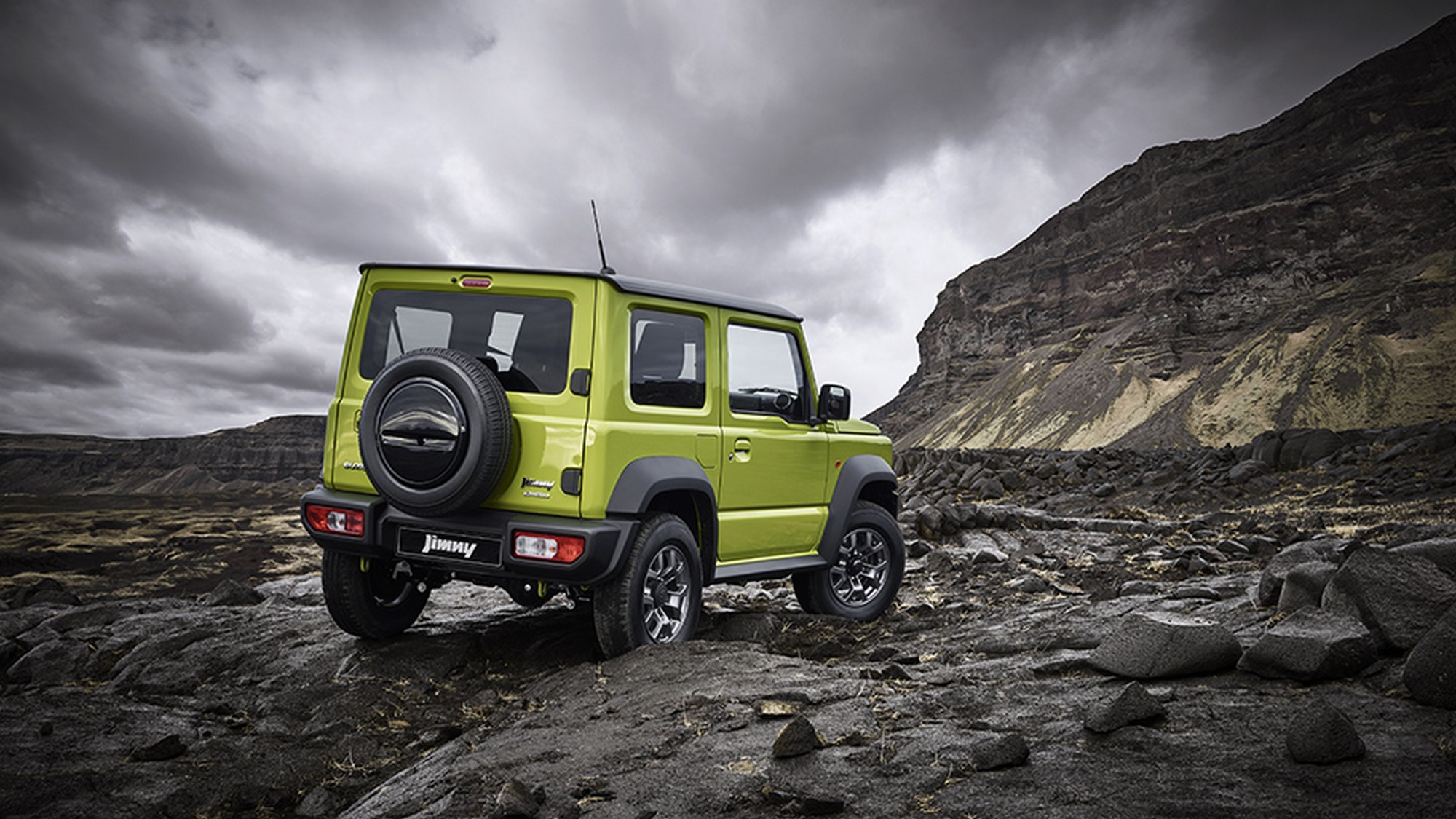
Every Jimny generation has used a ladder-frame chassis, according to Suzuki’s global site, and the current one adds a three-link rigid axle suspension with coil springs front and rear. In 4L, Brake LSD traction control fills in for locking differentials. When two wheels diagonal from each other lose grip, the system brakes the spinning wheels and sends torque to the other two.
Hill Hold Control stops rollback on steep starts, and Hill Descent Control holds a fixed speed on the way down. Both are safety aids for slopes, not for city traffic.
Winter Capability: How the Jimny 4x4 Handles Snow and Ice
Think of the Jimny as a mountain goat. It climbs well, but it’s compact and light.
When to Use 4H on Snowy Roads
On a snow-covered rural road or a fresh-dumped side street, 4H is the right setting, and Suzuki names snow as a 4H surface. On cleared, dry pavement, go back to 2H. Suzuki Australia says 2WD gives a quieter, more comfortable and more fuel-efficient ride on paved roads.
Save 4L for deep snow at walking pace, like an unplowed cottage laneway.
Four-wheel drive helps you go. It does nothing to help you stop.
Engine and Size: Where a Lightweight Off-Road 4x4 Struggles in Winter
The Jimny’s off-road strengths become trade-offs on a Canadian highway. Its 1.5L four-cylinder engine makes 75 kW (about 101 hp) at 6,000 rpm and 130 Nm of torque at 4,000 rpm, per Suzuki New Zealand. That’s modest for passing at 100 km/h. It pairs with a 5-speed manual or 4-speed automatic.
The Jimny 5-door, sold as the Jimny XL in Australia, stretches the wheelbase to 2,590 mm, up from 2,250 mm on the 3-door. In our view, a short, tall, light daily driver can feel nervous on slush.
Learn the basics first. These six ways to avoid critical off-roading errors apply to any small 4x4.
Shop Small 4x4 SUVs Sold in Canada
Filter used listings by drivetrain and body type to find 4WD models with low range.
Tires and Equipment for Winter Driving in a Jimny
No drivetrain fixes the wrong rubber. That’s why you still need winter tires even if you have AWD, and the same logic applies to a part-time 4x4.
Winter Tire Rules in Quebec
In Quebec, winter tires are the law. The SAAQ’s winter preparation rules require four winter tires on vehicles registered in Quebec from Dec. 1 to March 15 inclusive, and the fine runs from $200 to $300, plus costs. Only tires with the three-peak mountain snowflake pictogram, or studded tires, count. Studded tires are allowed on Quebec passenger vehicles from Oct. 15 to May 1 inclusive.
Elsewhere, they’re still smart. Here’s how all-season, all-weather and winter tires compare.
Cold-Weather Safety Checks for an Imported 4x4
An imported Jimny wasn’t built with a Canadian buyer in mind. Before you commit, check:
- Whether a winter tire size you can actually buy here fits the factory wheels.
- Whether the engine has a block heater, or room to add one.
- Whether the transfer lever shifts cleanly into 4H and 4L when cold.
- Whether the underbody shows rust from salted roads in its home market.
Fuel Economy: Jimny Ratings vs Small 4x4s Sold in Canada
Fuel consumption is where this guide hits a wall: the official Canadian number doesn’t exist.
Why NRCan Has No Jimny Rating
Natural Resources Canada rates new light-duty vehicles sold here, as its 2026 Fuel Consumption Guide explains. Its ratings data (accessed Oct. 9, 2026) lists no Jimny for any model year from 1995 to 2026, and no Suzuki car or SUV after the 2013 model year.
The closest official figure comes from Suzuki Australia: 6.4 L/100 km for the manual and 6.9 L/100 km for the automatic, under Australia’s ADR 81/02 test. The Australian test cycle differs from NRCan’s, and a Canadian winter will push real-world use higher.
Jimny vs Bronco Sport, Wrangler and 4Runner
Need a 4x4 SUV you can service here? Try these. NRCan combined ratings, accessed Oct. 9, 2026:
| Model (2026) | Drivetrain | Engine | NRCan combined |
|---|---|---|---|
| Ford Bronco Sport 4WD | 4WD | 1.5L three-cylinder | 8.6 L/100 km |
| Jeep Wrangler JL 4X4 | 4X4 | 2.0L four-cylinder | 11.0 L/100 km |
| Toyota 4Runner 4WD | Part-time 4WD | 2.4L four-cylinder | 11.2 L/100 km |
| Ford Bronco 4WD | 4WD | 2.3L four-cylinder, manual | 12.1 L/100 km |
| Suzuki Jimny | Part-time 4WD | 1.5L four-cylinder | Not rated in Canada |
The Bronco Sport 1.5L is the thriftiest of the group.
Our Bronco Sport vs Crosstrek data comparison and this list of affordable new off-road vehicles under $50,000 widen the field.
Compare Small 4x4s Side by Side
Line up specs and drivetrains in one view. See which small SUV fits your winter and your budget.
Ownership Trade-Offs: Importing a Suzuki Jimny to Canada
Jimny ownership here starts with a problem: there’s no showroom. The Jimny is one of the small off-road SUVs we wish were sold in Canada, and the import rules are strict.
The 15-Year Rule and the Jimny Generations
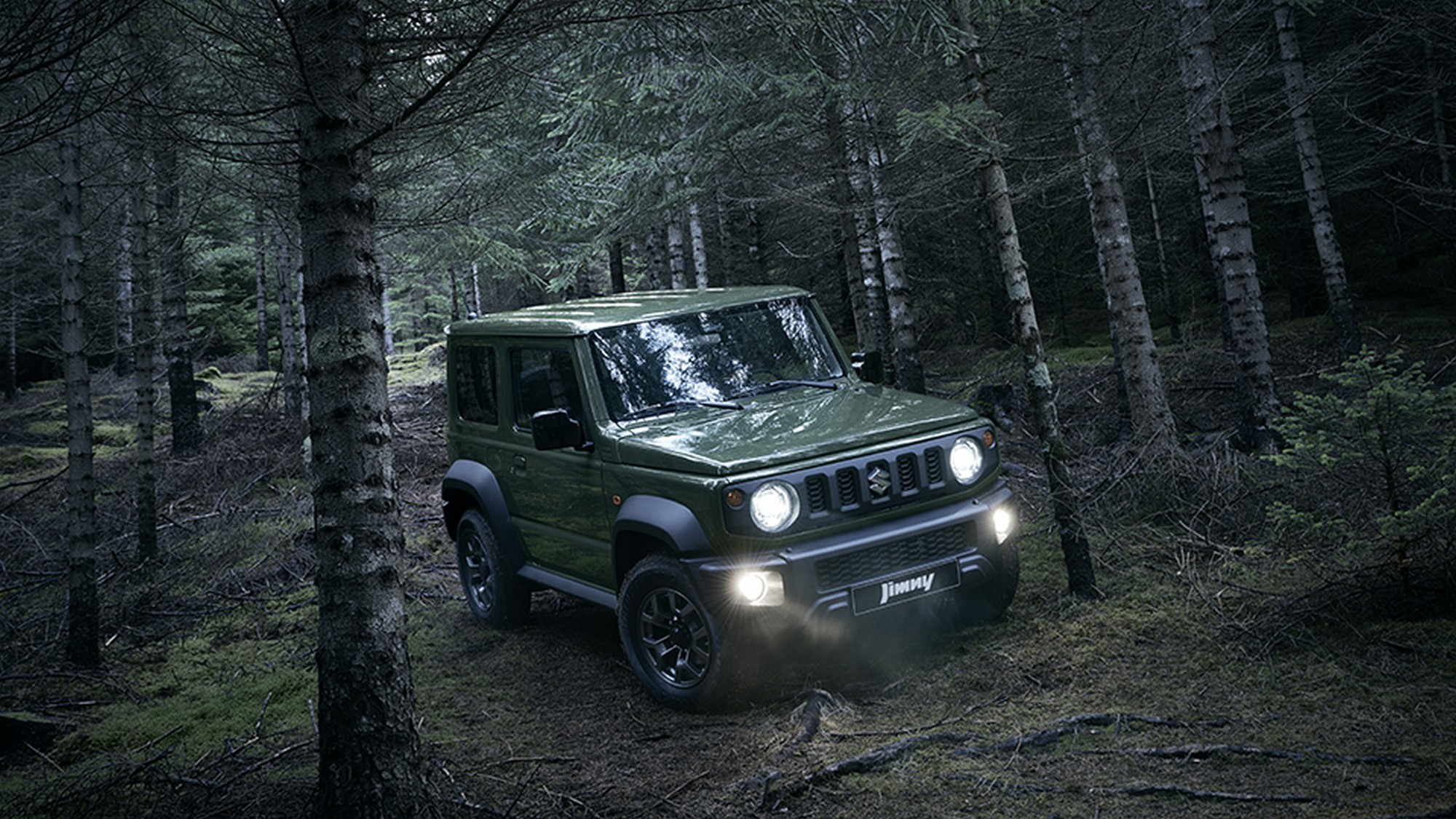
Transport Canada says most vehicles sold outside the U.S. and Mexico can’t be imported into Canada. The main exception is a vehicle 15 years old or older, based on the month and year of manufacture. Importing a non-compliant vehicle is a criminal offence, and the importer pays storage and disposal fees if it’s detained.
Suzuki launched the fourth-generation Jimny in Japan on July 5, 2018, the first all-new model in 20 years. The earliest of those won’t reach 15 until about mid-2033. As of Oct. 9, 2026, a Jimny must have been built in October 2011 or earlier to meet the age rule, which means a third-generation model or older. Those older Jimnys use a different engine and 4WD hardware, so the engine and drivetrain specs in this guide describe the current model, not one you can import today.
Registration, Parts and Insurance Costs
Transport Canada’s guide to importing older vehicles warns that clearing the border doesn’t guarantee you can register and license the vehicle; some provinces won’t license right-hand-drive vehicles. Call your provincial licensing office before you buy, then your insurer. There’s no Canadian cost-of-ownership data for the Jimny, so price parts, maintenance and shipping yourself.
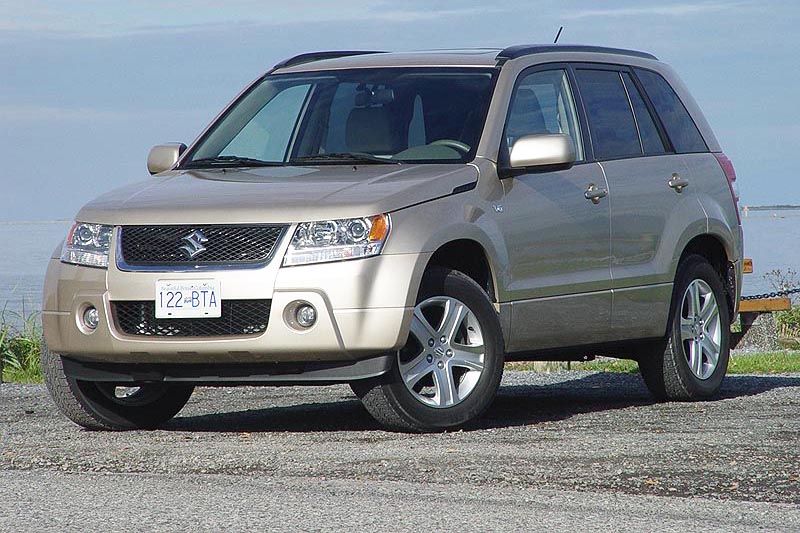
If you want a Suzuki 4x4 already on Canadian roads, the used Suzuki Grand Vitara, 2006 to 2012, is the realistic option. Run through these tips for buying a used 4x4 first.
FAQ: Suzuki Jimny AWD
Sources
Accessed Oct. 9, 2026
- Transport Canada: Importing a Vehicle From Countries Other Than the United States and Mexico
- Transport Canada: Importing Older Vehicles Into Canada
- Société de l’assurance automobile du Québec: Winter Preparation
- Natural Resources Canada: 2026 Fuel Consumption Guide
- Natural Resources Canada: Fuel Consumption Ratings
- Suzuki:
- AutoTrader editorial:
- AWD, 4WD, 4x4: What’s the Difference?
- New to Off-Roading? Here Are 6 Ways to Avoid Critical Errors
- Here’s Why You Still Need Winter Tires Even if You Have AWD
- All-season, All-weather, and Winter Tires Explained
- Data Comparison: Ford Bronco Sport vs Subaru Crosstrek
- 10 Affordable New Off-Road Vehicles Under $50,000
- 5 Fun Small Off-Road SUVs We Wish Were Sold in Canada
- Used Vehicle Review: Suzuki Grand Vitara, 2006–2012
- 6 Tips to Keep in Mind When Buying a Used 4x4
All Articles
See all
Nissan Z MPG and Fuel Economy: Ratings and Running Costs
You found a Nissan Z on AutoTrader and the payment worked. The next question is what it'll cost at the pump, and whether the manual makes it worse.

Tips on EV Ownership and Driving in Canadian Winters
Beat the freezing temperatures, maximize your range, and drive with confidence.
 John LeBlanc

Hyundai Elantra Hybrid Reliability: Recalls, Warranty and Maintenance
Let's say you've found a three-year-old Elantra Hybrid on AutoTrader with sensible kilometres and a fair price.