
Shortest-Lived Car Brands of the Past 50 Years
 Michael Karant


Most automakers have been around for decades, while some have been around for over a century. Even legacy brands that failed often lasted several decades before their eventual demise. Most dead car brands come from the early 20th century, when automakers would pop up and create a few models until eventually going bankrupt. Automakers disappear for all sorts of reasons, but challenging economic conditions, changing regulations, and the complexity of manufacturing and marketing vehicles all play a role.
The following list highlights the 10 shortest-lived brands of the past 50 years that failed in a spectacularly short time.
10. Maybach: 1997 to 2012 (15 years)
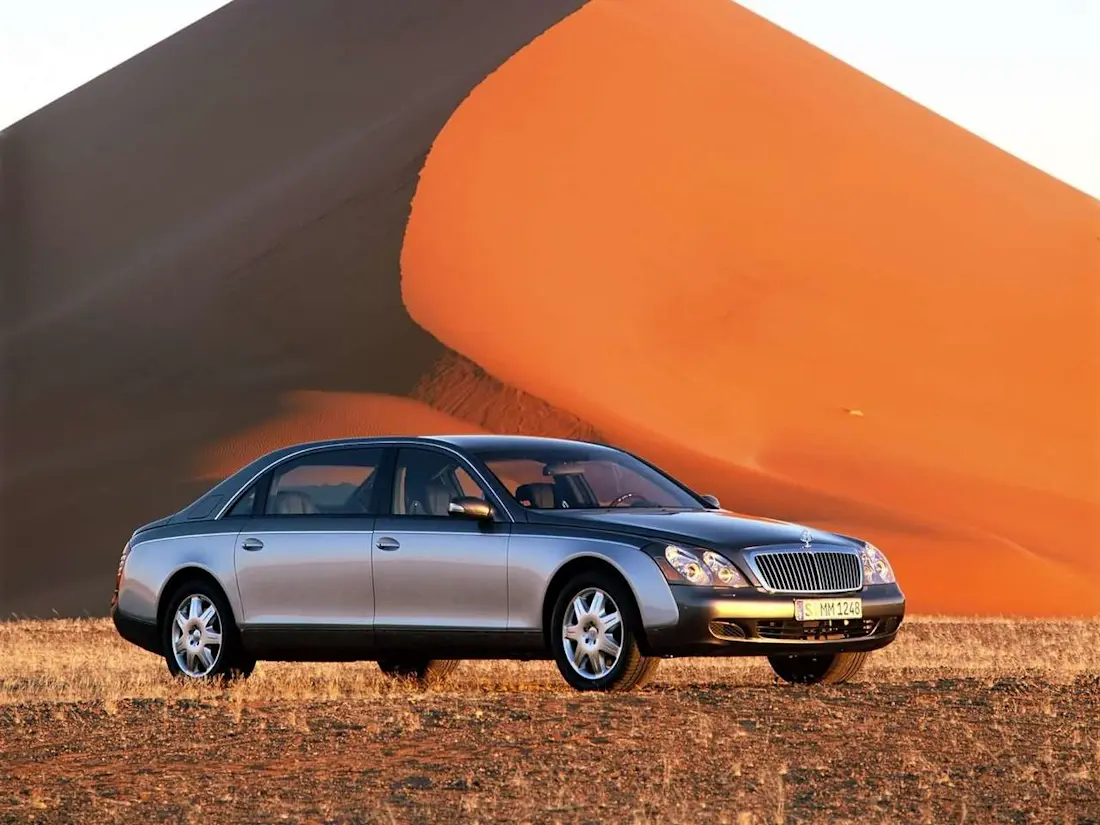
Some readers may question why Maybach is on this list because some Mercedes models still wear the badge today. The modern Maybach brand is deeply tied to Mercedes, with every Maybach model on sale based on a less-expensive Mercedes model. However, this wasn’t the case two decades ago, when Maybach was a completely separate brand with its own bespoke models.
Maybach offered two models from 2003 to 2012, the 57 and 62, each referring to the vehicle's length in decimetres (10-centimetre increments), and both were meant to be the most luxurious vehicles imaginable. The only engines offered were two versions of a twin-turbocharged V12 designed for high-speed cruising. Both Maybach models were extremely well equipped, with no expense spared on materials. However, the brand didn’t seem to have the same cachet or recognition as Rolls-Royce. By the 2008 financial crisis, a car with a base price of almost half a million dollars became less desirable, and Maybach became a Mercedes sub-brand.
9. Scion: 2003 to 2016 (13 years)
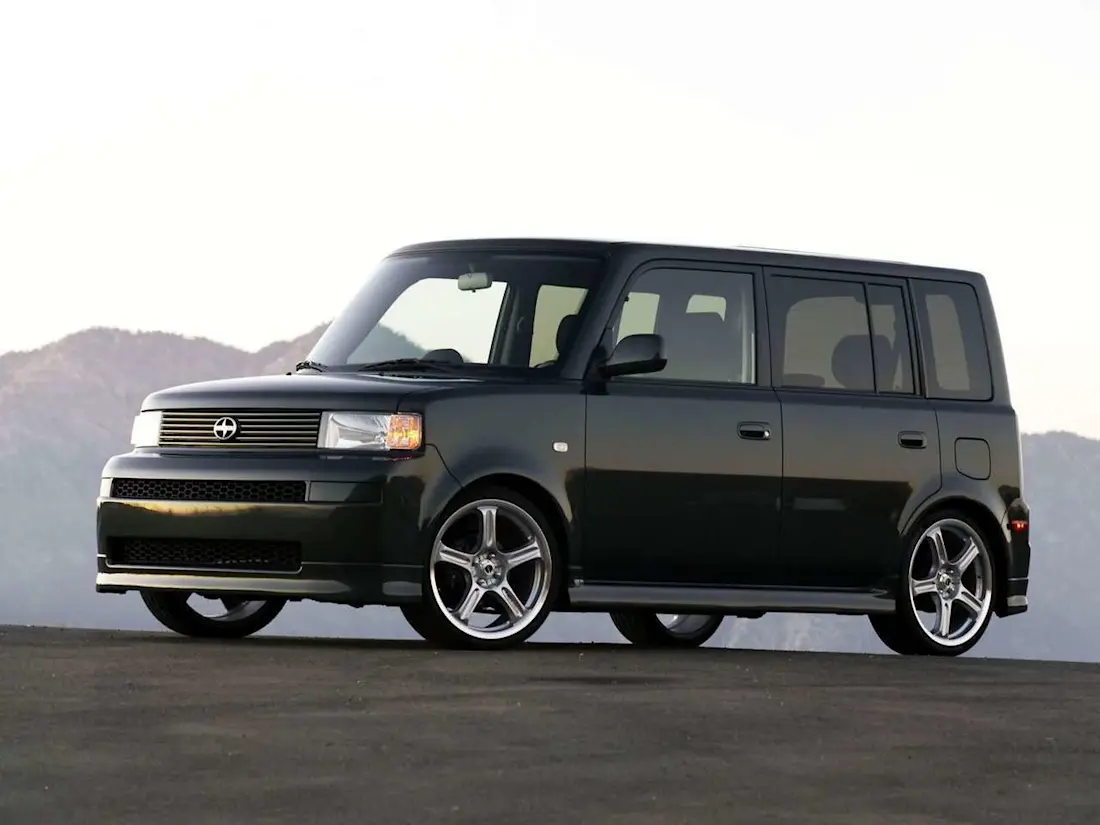
In the early 2000s, Toyota had a problem: its cars were good, but buyers saw them as uncool because the demographic was older. Scion intended to fix this by offering affordable, cool cars that would appeal to younger car buyers. To strengthen this appeal, Scion offered one trim for each model and plenty of in-house accessories so drivers could customize their cars. Scion also offered limited-run models in funky, bright colours to reinforce the brand’s image.
While this initially paid off, Scion began to lose momentum as each new model offered less and less customization, and the models became more boring. By the 2010s, Scion’s lineup mostly consisted of Toyota models sold in other markets, which were affordable and reliable but lacked the brand's initial appeal. The brand ceased to operate in 2016 when Toyota integrated the remaining Scion models into its main lineup.
8. Hummer: 1999 to 2010 (11 years)
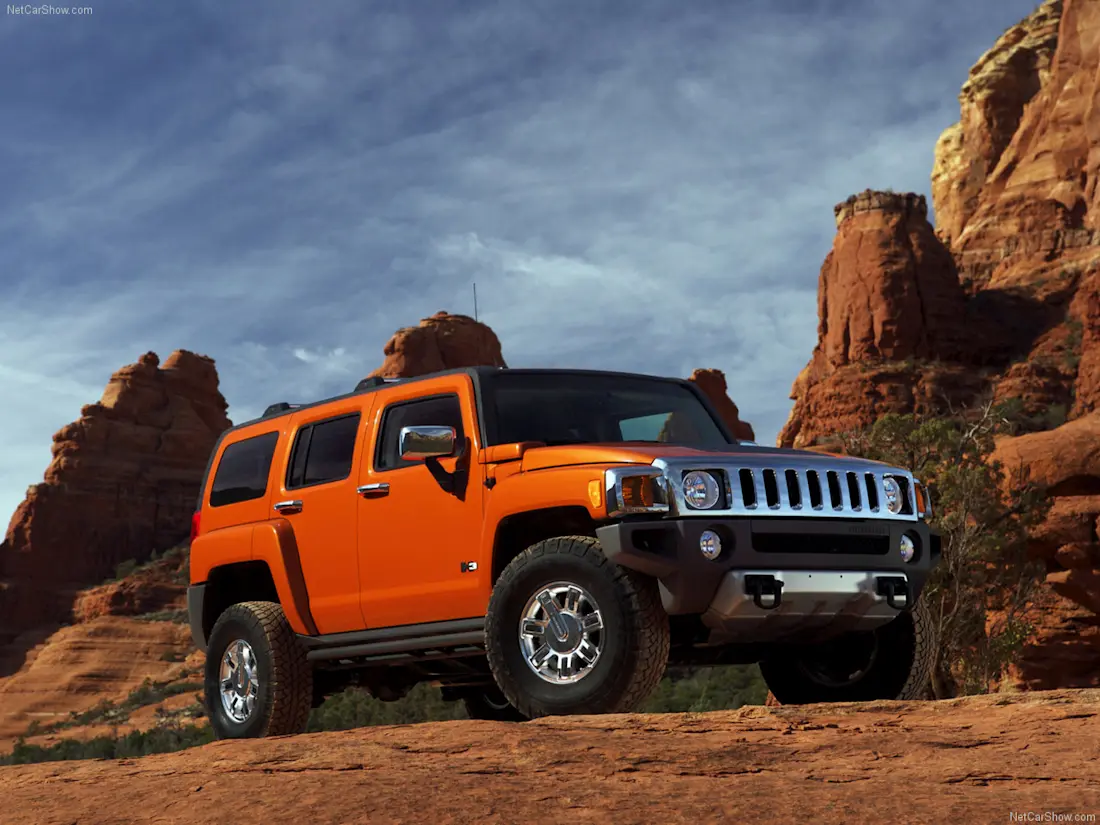
Hummer as a brand originated with the Humvee, the U.S. military’s general-purpose transport introduced in the 1980s. Arnold Schwarzenegger petitioned then AM General to produce a civilian version of the Humvee, resulting in the H1. In 1999, GM purchased the Hummer name and took over manufacturing the H1. However, the H1’s military origins remained evident, largely in its width (designed to fit tracks left by tanks) and its lack of interior space. This led GM to create a more civilian-friendly version of the Hummer, the H2, based on the Chevrolet Suburban platform. A smaller H2 was also later introduced.
Amid the 2008 financial crisis, demand for large, ostentatious SUVs dropped sharply, and GM axed Hummer as part of its bankruptcy, discontinuing it in 2010. GM would revive the Hummer name as an all-electric GMC model.
7. Eagle: 1988 to 1998 (10 years)
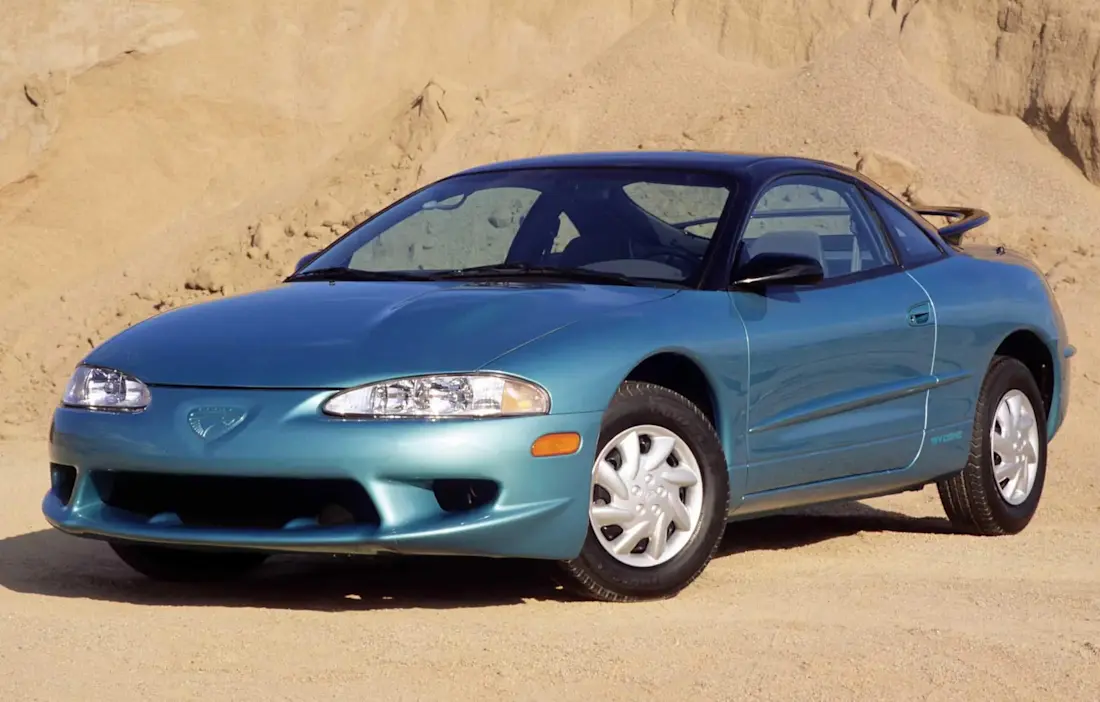
Eagle was an odd brand under the Chrysler umbrella, created after Chrysler acquired the failed American Motors Company (AMC). At the time, AMC had partnered with French automaker Renault to sell some models in North America. Chrysler also partnered with Mitsubishi and sold some of its models here.
These acquisitions culminated in Chrysler creating the Eagle brand, which emphasized fun and exotic models. The result was a brand that sold so many different rebadged models from different automakers that the lineup had little cohesion. Mitsubishi sold the Eclipse and Mirage under the Eagle brand, while Renault also sold models it had worked on, such as the Medallion and Premier. Some Jeep models were even sold under the Eagle umbrella. Overall, it was a mess.
6. Fisker Inc.: 2016 to 2024 (8 years)
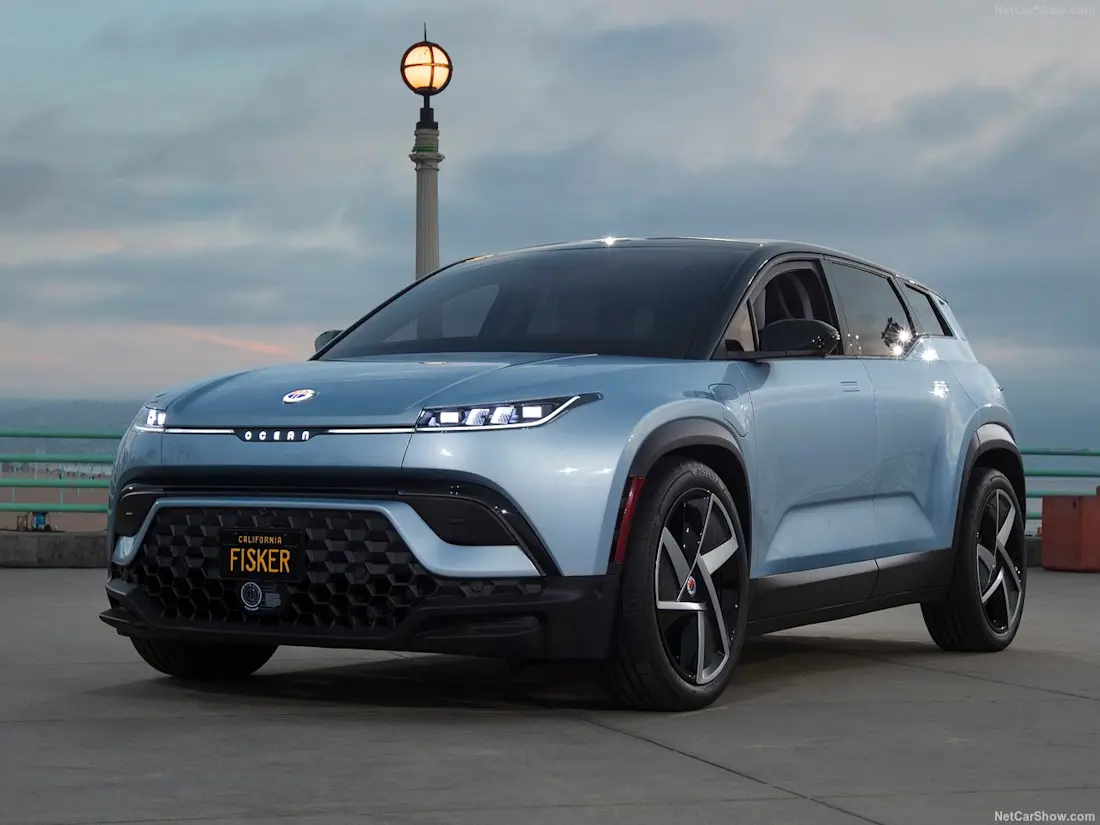
You may recall seeing a vehicle called the Fisker Ocean on the roads not too long ago. The Fisker Ocean had an extremely short production run of just two years, from 2022 to 2024. Fisker Inc. was set up as a second attempt to build an electric vehicle (EV) by automotive designer Henrik Fisker, after initially failing at the same idea a few years earlier.
The Ocean was an attractive car, with cool features and decent tech that could have made a compelling EV, especially as EVs became more widely accepted. However, when customers and media got their hands on the Ocean, negative press quickly followed, as the Ocean was plagued by electrical and software issues that should have been ironed out long before it reached customers. This was not good news for a brand-new automaker, especially since the Ocean cost nearly $100,000 when new. Ultimately, the brand declared bankruptcy in 2024.
5. Fisker Automotive: 2007 to 2014 (7 years)
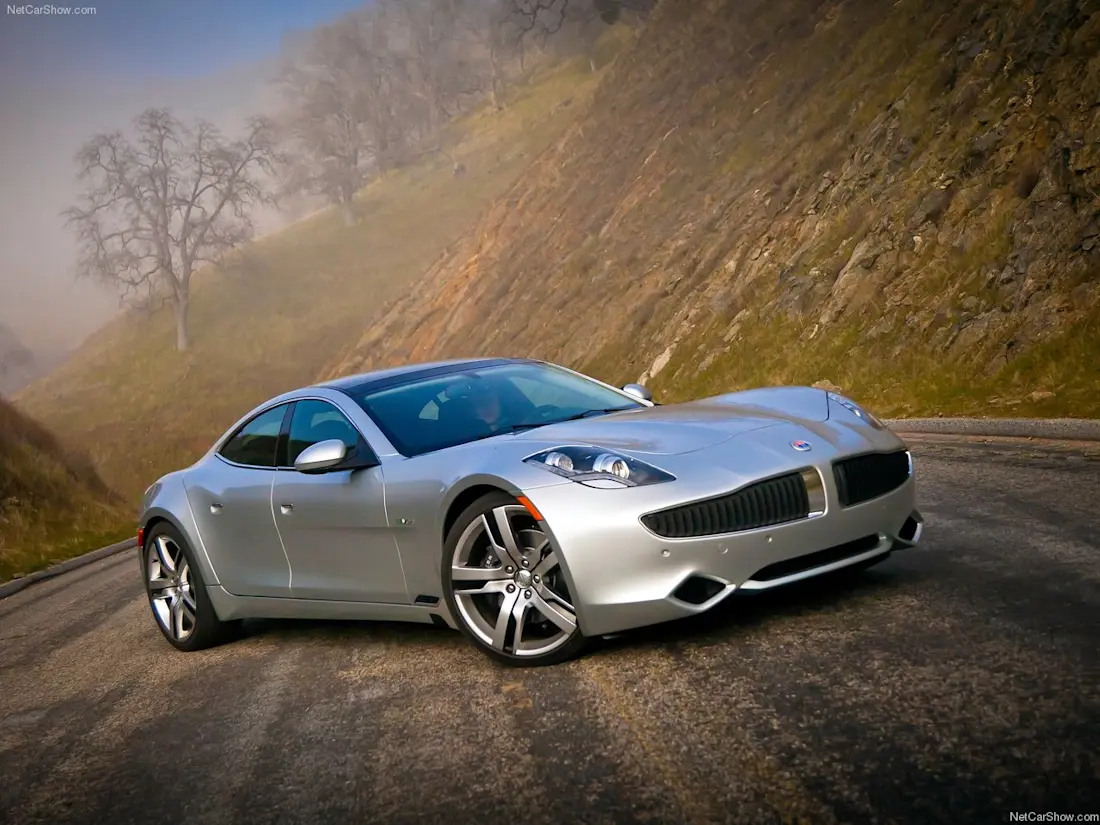
To understand why the Fisker Ocean’s failure was so spectacular, you have to understand that the company had already failed once before in a very similar way. In 2007, Henrik Fisker set out to create a sporty luxury electric car, the world’s first, unveiling the Fisker Karma the following year. The Karma was an early range-extended electric vehicle (REEV) that featured a small gasoline engine as a backup to the electric batteries, meaning you’d never have to deal with the annoyances of recharging.
The public was also very pleased with the Karma’s design, which looked sharp, sleek, and aggressive. What else would you expect from the man who designed the BMW Z8 and Aston Martin DB9? However, problems quickly followed: Fisker struggled with build quality and had issues with suppliers and overall reliability. This hit the new company hard and led to bankruptcy in 2014 after only a few thousand models were produced.
4. Delorean Motor Company: 1975 to 1982 (7 years)
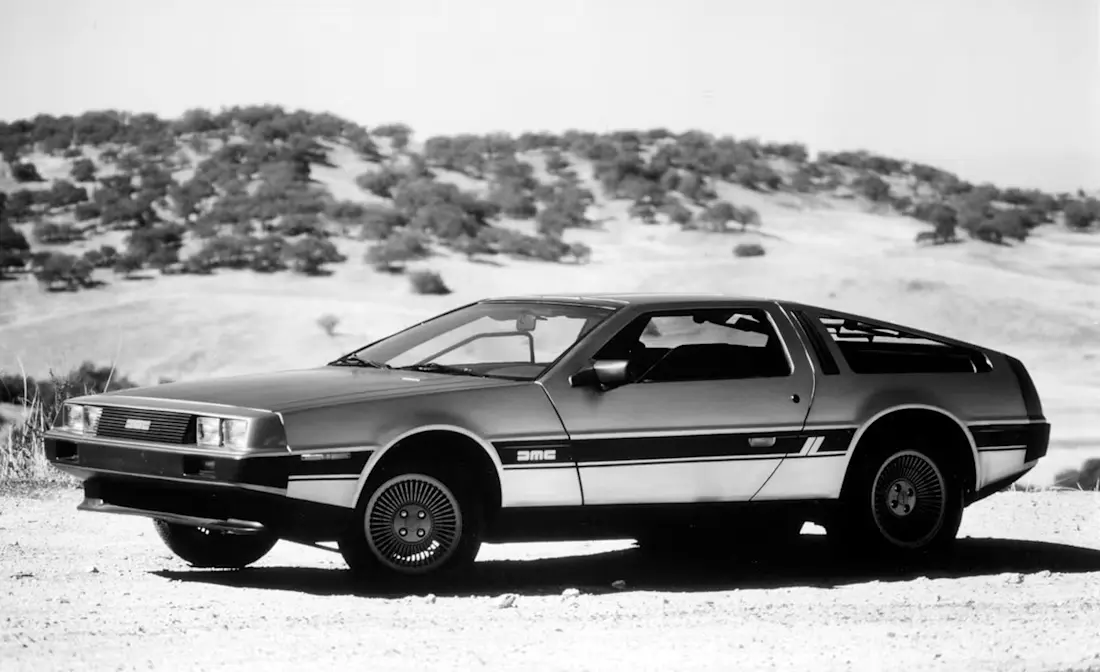
Delorean is likely well known to you for one reason: the Back to the Future trilogy. The DeLorean DMC-12 was famously converted into a time machine for the movie, but by the time Marty McFly first hit 88 mph, the DeLorean Motor Company was already defunct. John Delorean, a former GM executive, started the company after branching off on his own, and the DMC-12 was the brand's sole product.
Public response to the DMC-12 was strong; it was a striking, compelling sports car that saw decent initial success. However, this led DeLorean to overproduce the DMC-12, resulting in thousands of unsold vehicles that were hard to move with its US$25,000 price tag in 1981. The DeLorean also suffered from quality-assurance problems that led to multiple recalls, which became costly. The final nail in the coffin came when John DeLorean was arrested for smuggling illicit substances, resulting in the DeLorean Motor Company declaring bankruptcy within a few weeks.
3. Merkur: 1983 to 1989 (6 Years)
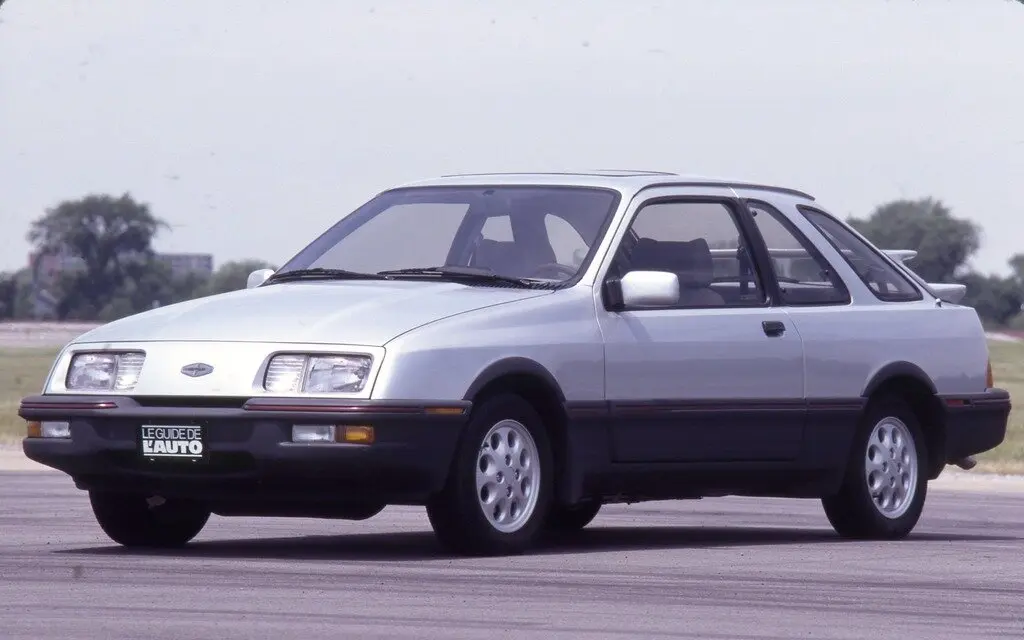
You may have forgotten the Merkur brand or never even heard of it. Ford created it in response to the growing popularity of European imports such as BMW and Mercedes-Benz. Ford created Merkur (German for Mercury) to import European Ford models, particularly the Scorpio and the Sierra, sold here as the XR4.
The problem was that these Merkur models were marketed as premium vehicles that were far from BMW or Mercedes-Benz rivals. In terms of pricing, the larger Scorpio was priced similarly to the Lincoln Town Car, the brand's then flagship. Unsurprisingly, the brand underperformed against sales expectations, with buyers confused about what Merkur was supposed to be and by the high price tag. Merkur was ultimately cancelled in 1989.
2. Sterling: 1987 to 1991 (3 Years)
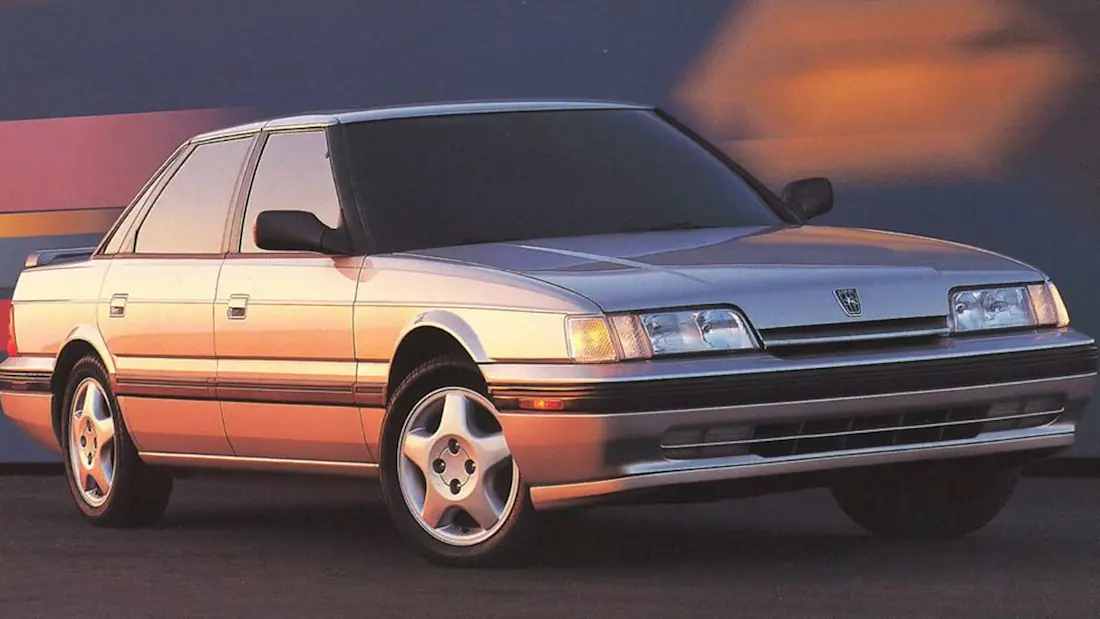
A massive automotive group called British Leyland once owned nearly every U.K. automaker. To sum up a complicated story, the group was a disaster, leaving every brand under its umbrella underfunded and stagnating against more modern competition. British Leyland was dissolved in 1986, with each marque going its separate way or being bought by other automakers. Rover, once one of Britain's household names, was now independent and lacking the funds of a major auto group. Rover needed a new model, so it partnered with Honda to create a new brand to sell luxury cars in North America called Sterling.
From this partnership, Honda developed its first Acura, the Legend, which would become the basis for the Sterling 825 and 827. The two cars were nearly mechanically identical, but each had a unique body and interior, which is where the Sterling suffered compared to the Legend. While the Acura proved reliable and well finished, the Sterling was anything but, with reports of trim falling off and hood latches breaking within a few months of delivery. While quality eventually improved, this initial bad press severely damaged Sterling’s reputation, and the company was discontinued in 1991 with under 20,000 vehicles sold.
1. Asuna: 1992 to 1994 (2 years)
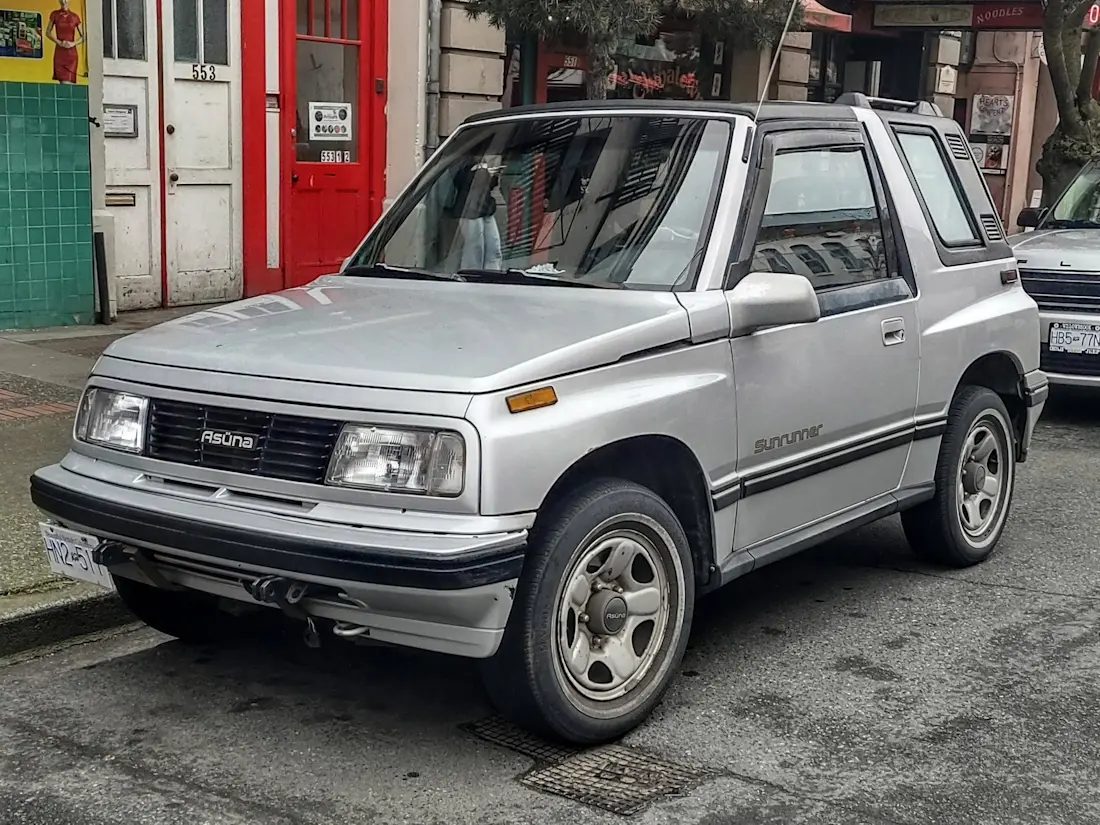
Canadians can be proud to claim the shortest-lived car brand of the past 50 years: Asuna. In the U.S., General Motors launched the Geo brand, an outlet to sell some of GM’s global cars from brands such as Suzuki, Isuzu, and Toyota. This was due to the rising popularity of Japanese imports, which grew faster than domestic models.
Canada’s version of Asuna similarly served as an outlet to sell some of GM’s international models, such as the Asuna Sunrunner, a branded Suzuki Sidekick, or the Asuna Sunfire, a rebadged Isuzu Impulse. Asuna never matched the success of its American counterpart, and the brand lasted just over two years. All Asuna models were later integrated into other GM brands, like the Sunrunner, which became the Pontiac Sunrunner. American Geo would meet a similar fate, as GM instead tried to develop its own domestic compact models.

All Articles
See all
6 Facts About Bricklin You Probably Didn’t Know
Learn more about this quirky chapter in Canadian automotive history.
 Jil McIntosh

Cars That Came With Strict Rules
To buy one of these exclusive cars, you had to play by the rules.
 Sami Haj-Assaad

AutoTrader Find of the Week: 1970 Plymouth ‘Cuda 426 Hemi is Rarer Than Rare
There’s nothing else in the world quite like this special muscle car.
 Chris D’Alessandro