
Cars That Came With Strict Rules
 Sami Haj-Assaad


Cars come with many rules, mainly around licenses, insurance coverage, and traffic laws.
But for some automakers, those rules aren’t enough. Many high-end brands and rare vehicles carry an aura of exclusivity, so they come with special rules about purchasing or ownership. Here are a few examples of cars that came with rules for purchasing or even driving.
2011 Lexus LFA: Lease only
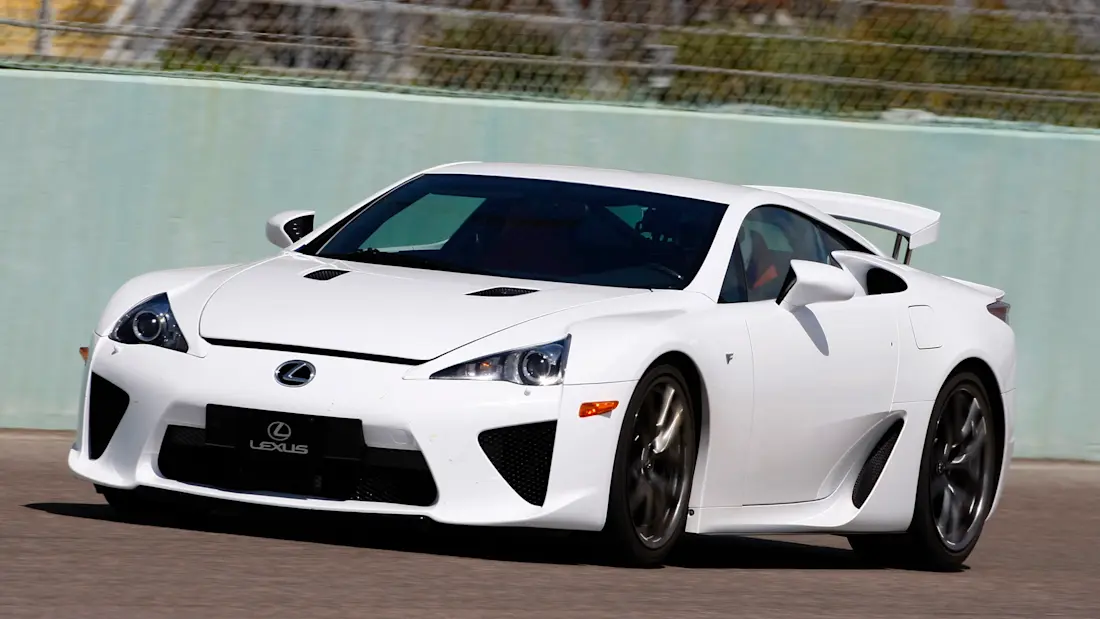
In 2009, Lexus was getting ready to release its first supercar. The sweet-sounding, 552-hp F1-inspired LFA came in with an eye-watering asking price of $375,000 and one significant catch. Owners had to lease the vehicle from Lexus for two years. This move is typically reserved for Ferrari and is designed to discourage quick resales for higher profits, known as flipping.
Despite the lease-only purchasing process, owners were supposed to personalize each LFA, possibly creating such a strong bond that they’d never be inclined to sell it. In 2011, the LFA finally hit the market, and 500 units were supposed to be flowing into customers' hands. However, it took a long time for all 500 units to reach their owners, and some were still lingering in 2020. By 2023, the last one was finally sold.
Ferrari’s No-Sale and No-Modification policy, Plus Right of First Sale
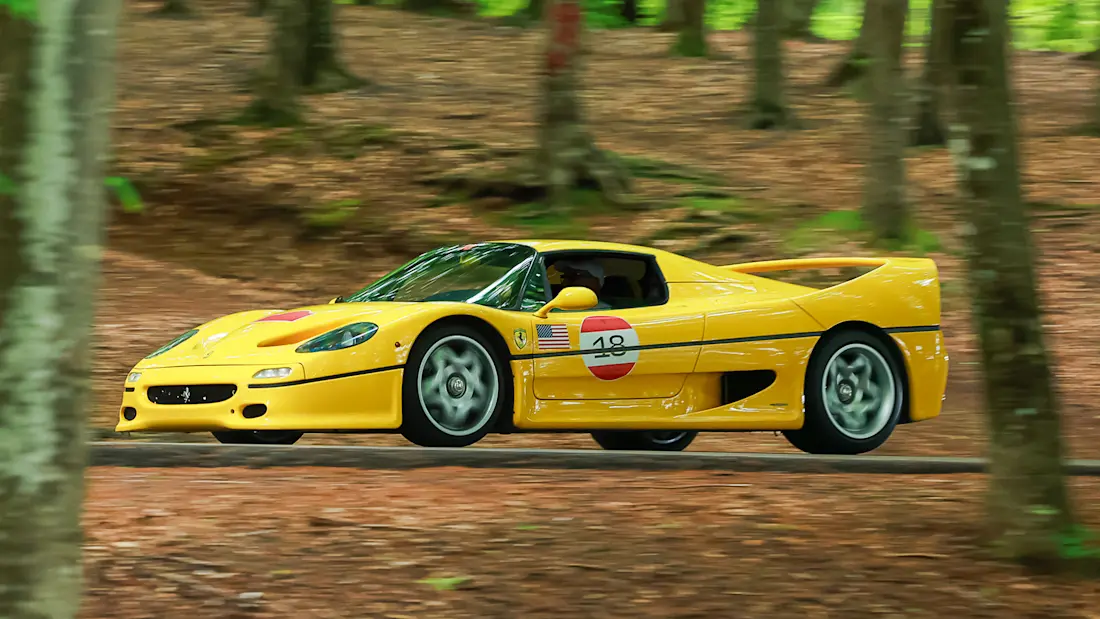
Lexus followed Ferrari's lease-only move, which the Italian brand applied in the 1990s to the F50 supercar. The goal was the same: stop rampant flipping and fluctuation of the vehicle’s market value. The rule was met with significant pushback at the time, and Ferrari has since changed its policy.
For starters, any purchasing rule typically applies only to the brand's most exclusive or limited-run vehicles. Ferrari usually has a no-sell rule for new owners, though the length of that period varies from one to two years.
Additionally, with the most exclusive vehicles, Ferrari reaches out to customers first, rather than taking orders from buyers. Cars are often sold out by the time they’re revealed to the public. How does one get that call? It helps to be a VIP or someone who has a long history of buying Ferraris.
You also have to be the right kind of Ferrari owner. Some influencers and celebrities are blacklisted from the brand. Owners are discouraged from modifying their vehicles, as seen in the cease-and-desist letter Ferrari sent to Canadian electronic-music superstar Joel Zimmerman, better known as Deadmau5, who wrapped his 458 in a vibrant Nyan Cat motif and customized all the badges. The final straw in Zimmerman’s issues with Ferrari came when he tried to sell the car on Craigslist, rather than going through the brand’s Right of First Sale process, which encourages owners to sell their car back to their dealer, who can then manage the vehicle’s next ownership journey to a deserving customer.
Ford GT and Mustang GTD Require an Application, No Reselling, a Special Trailer, and a Huge Deposit
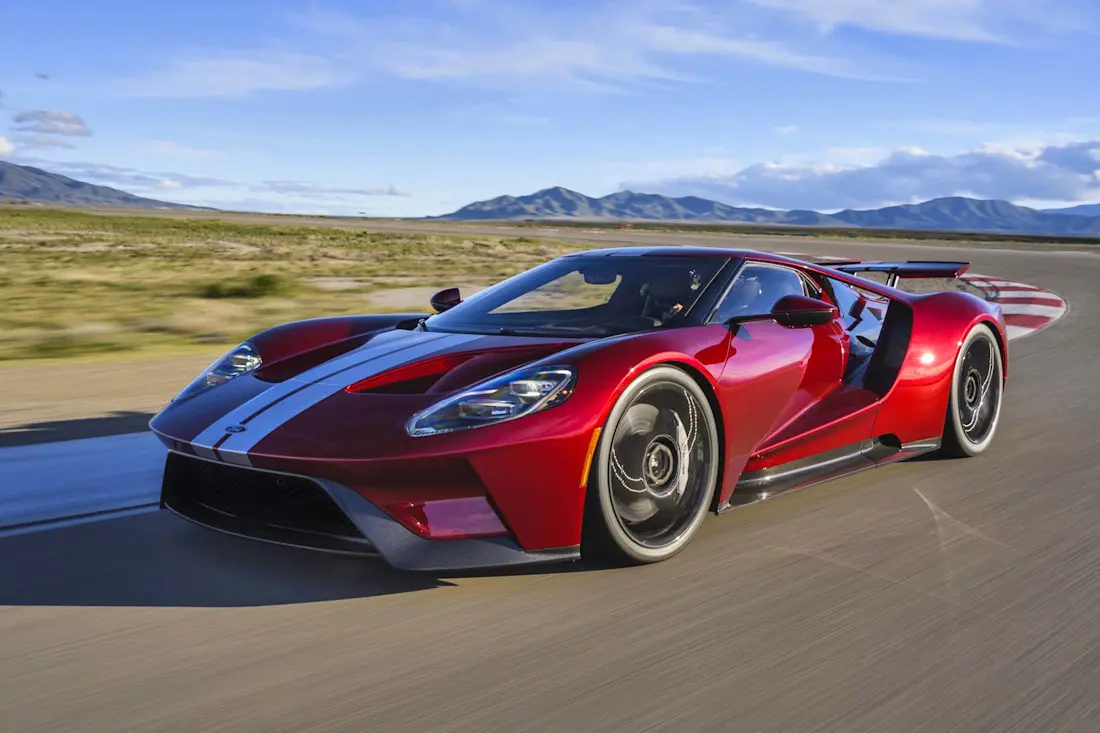
Ford isn't Ferrari, though it does make some pretty impressive, rare, and limited performance cars like the Ford GT. Multimatic built the mid-engine supercar in Ontario from 2017 to 2022, and it featured an unbelievable design that modernized the look of the original GT40 from the ‘60s and the 2005 revival model. Packed with an engine that made around 650 hp, it was a beast on the road and track.
Getting one wasn’t easy. Prospective owners had to fill out a comprehensive online form that included questions about their social media following and previous Ford purchases. If you were selected to buy a GT, you couldn’t negotiate the price or sell the car for two years. If you owned a previous Ford GT, your chances of getting a new one increased.
If you were one of the rare people selected to buy a Ford GT, you had even more rules to follow. For example, the car could only get certain services in one place: its birthplace, Markham, Ont., where Multimatic could perform collision repairs, reverse transportation damage, and fix major powertrain issues. If you had to trailer the supercar, you were required to use a handmade JIMGLO Elite trailer.
How serious are these rules? Wrestling legend and big-screen superstar John Cena broke one of the car's cardinal rules by selling his Ford GT just weeks after taking delivery, putting him in breach of the early resale rule. The automaker sued him, and the two parties settled in 2018.
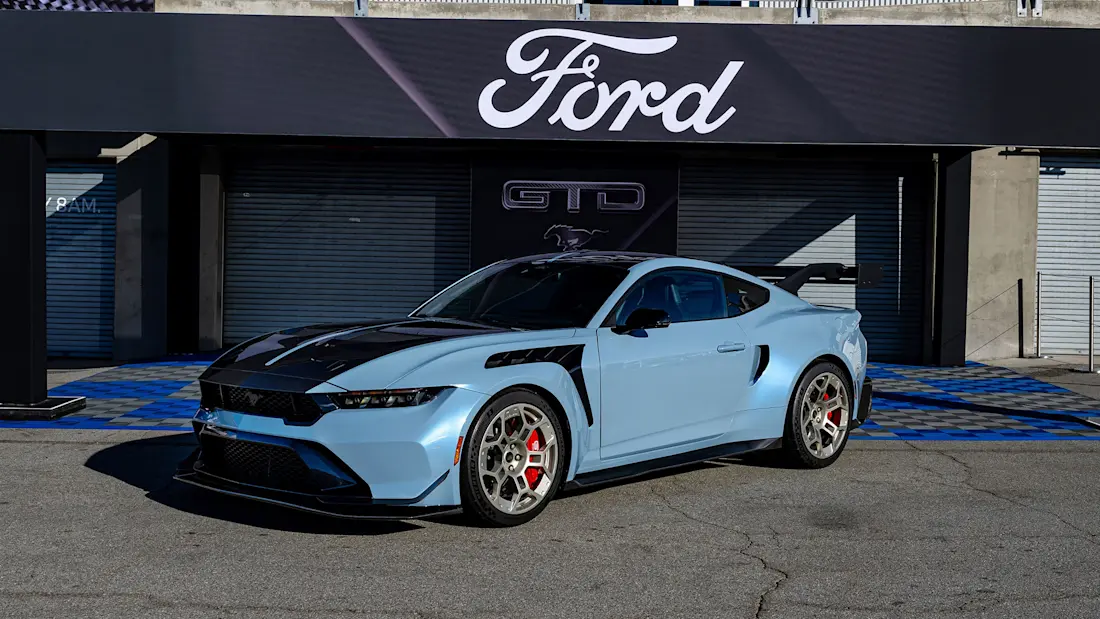
Many of these rules returned when the automaker unleashed the Mustang GTD, which is a supercar-spec version of the mainstream pony car. It features fancy suspension, incredible grip, and a supercharged 5.2-litre V8 with over 800 horsepower. It lapped the famous Nürburgring racetrack in under seven minutes, making it one of the first American production cars to do so.
With that legacy in mind, the Mustang GTD required hopeful buyers to fill out a thorough application again, agree to a two-year no-reselling clause, and drop a huge 50 per cent deposit, of around USD$160,000.
Mercedes-AMG One: Invite-Only

Speaking of the Nurburgring, buying an example of Mercedes-AMG’s ‘Ring-conquering AMG One supercar wasn’t easy. The automaker sent invites to customers before the reveal, meaning all 275 units sold out before the car became public knowledge. The automaker said it received interest that was more than four times larger than the number of vehicles they were planning, which is wild to think about when you consider the vehicle cost €2.275 million and wasn’t even road legal in the U.S. Like other vehicles on this list, it has a two-year no-sale clause, and some used examples are now showing up on luxury brokers or auctions like RM Sotheby's.
Shelby Eleanor Tributes Need Another Name, or There’s Going to Be Legal Issues
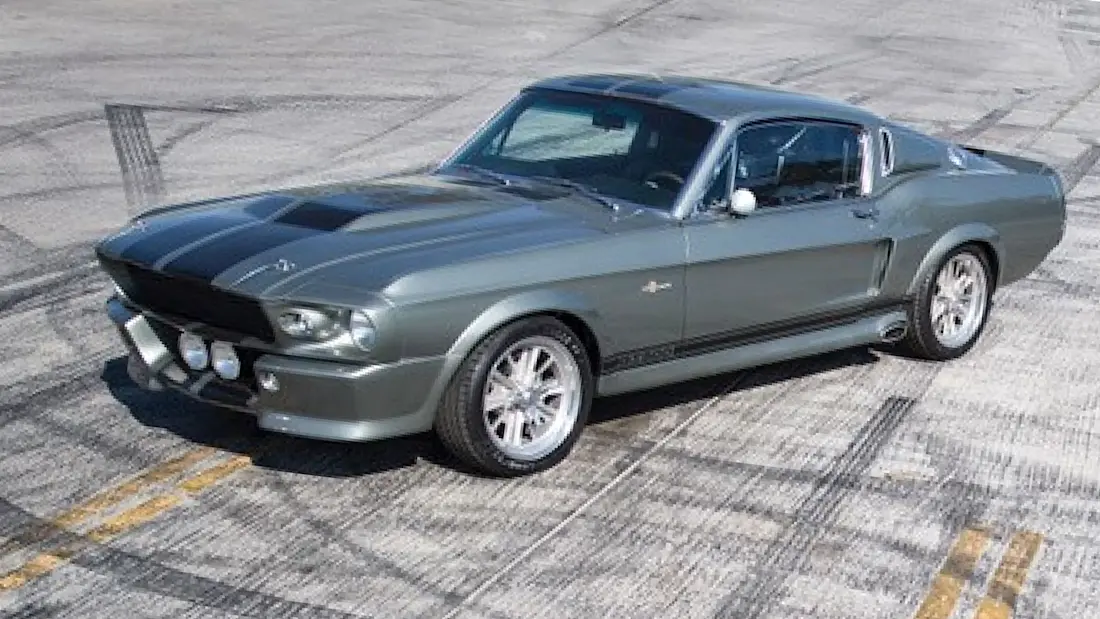
Many car and film enthusiasts fell in love with the Mustang known as Eleanor in the blockbuster car film Gone in 60 Seconds. However, getting one of your own is tricky. Though the film used as many as 12 vehicles, only a few remain today, passing through collectors and auction houses.
If you couldn’t get your hands on the original Eleanor, you could commission a custom build from a couple of garages that specialized in these special Mustangs, but be warned: don’t call it Eleanor.
Eleanor was an original character created by H. B. Halicki for the original 1974 movie Gone in 60 Seconds. Though Halicki died in 1989, his widow licensed the rights to use Eleanor in the 2000 Disney remake. This led the Halicki estate to believe it owned the rights to the Eleanor Mustang look, design, and name.
So when Carroll Shelby started selling his own versions of Eleanor, he got sued. In 2008, Halicki won a copyright case against Shelby and Classic Recreations for creating unlicensed versions of Eleanor. In 2020, Chris Steinbacher, a YouTuber known for his channel "B is for Build," began documenting his 1967 Shelby replica, which he dubbed Eleanor. Halicki’s lawyers filed a case against him, won, and he gave up the car in the process. Ouch. In 2022, Halicki tried again to take a garage full of Eleanor-themed Shelby GT500s to court to stop selling these recreations, but this time, Carroll Shelby Licensing got involved and filed a case against Halicki. This time, a California Court invalidated Halicki’s claims, concluding that the car wasn’t "entitled to standalone copyright protection as a matter of law." Halicki tried to appeal the earlier rulings, and the latest news in 2025 is that Eleanor isn't eligible for copyright protection because the car is a prop, not a character. Still, several years of legal issues have made getting your own Eleanor a challenging process. Best to have a lawyer on hand if you want your own iconic Mustang.
Dodge Challenger Demon: Don’t Drag Race This Drag Racer
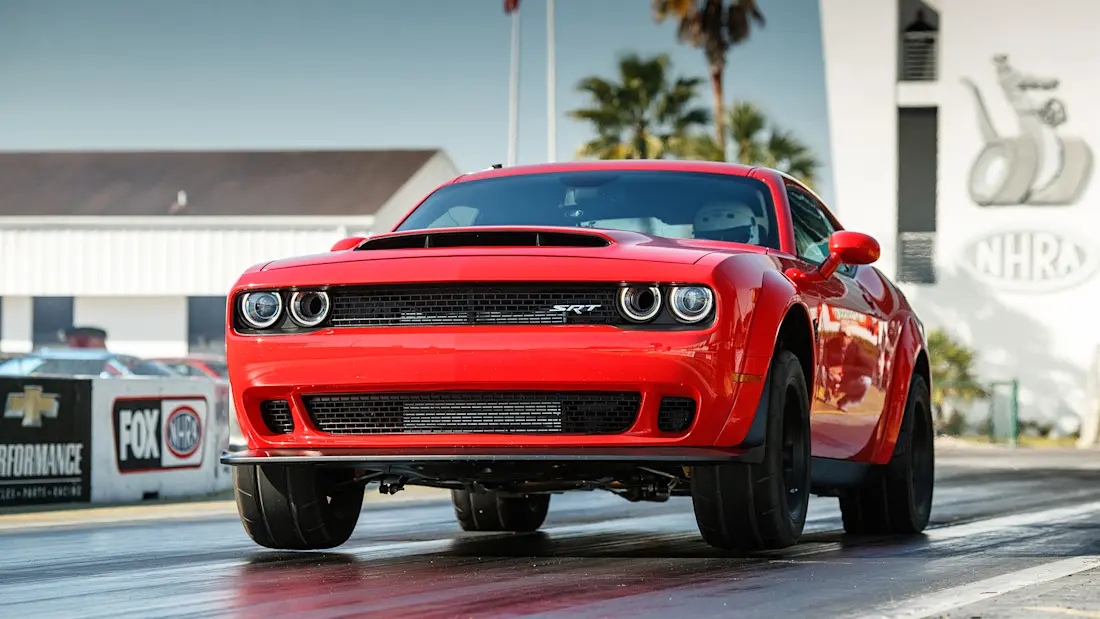
The Dodge Challenger Hellcat packs over 700 horsepower into a rear-wheel-drive muscle car. Available from 2015, the Hellcat models could sprint to 100 km/h from a standstill in under 4 seconds. It was a dream for the occasional trip to the drag strip, but Dodge outdid itself in 2018 with the Demon model. The Demon built on the Hellcat, peaking at 840 hp and using special NT05R tires from Nitto, basically racing slicks with just enough tread to make them street legal.
This made the Demon a drag-strip special, and it also featured a crazy transbrake launch control feature that helped it go from zero to 100 km/h in around 2 seconds. Beyond that, the car could complete the quarter mile drag in 9.65 seconds at 225.45 km/h. It boasted amazing times, but unfortunately, it was deemed illegal for competition. The National Hot Rod Association (NHRA), which governs drag racing events, imposed a safety rule for its Street Legal class that stated any vehicle that could complete the quarter mile in under 10 seconds and over 135 mph (217 km/h) required a roll cage, which the Demon didn’t get straight from the factory. So buyers had this wildly capable drag car that they couldn’t win with.
The fine print is worth noting: the NHRA bans only cars that break the 10-second limit, so anyone who can run 10.01 or slower can still race. With the introduction of even quicker electric vehicles (EVs), the NHRA walked back this requirement in 2022, allowing cars to compete as long as they still have stock safety features like ABS and airbags. While that’s a win for Demon owners, the proliferation of EVs that can easily finish the quarter mile in nine seconds, like the Tesla Model S Plaid, Lucid Air, and Porsche Taycan Turbo GT, means the Demon may not be as competitive as it was in 2018.

All Articles
See all
5 of the Coolest Chinese Cars From the 2026 Paris Motor Show
From hypercars to off-roaders, Chinese cars are bringing the heat.
 Chris Tsui

AutoTrader Find of the Week: 1959 Mercedes-Benz 300 SL Has Transcended Being Just a Car
This classic is epically beautiful, exceptionally rare, and very, very expensive.
 Chris D’Alessandro

Own the Road with AutoTrader, Episode 116: Learn Something from these Impossible Car Questions
The answer to the meaning of life is simple by comparison to these questions.