
6 Facts About the Ford Model T You Probably Didn’t Know
 Jil McIntosh


While it wasn’t the first mass-produced car, the Ford Model T was the one that essentially switched Canada, the U.S., and many other countries from horses to automobiles. More than 15 million of them were built between late 1908 and early 1927, a record that stood until the Volkswagen Beetle broke it in 1972. Here are six cool facts about this fascinating car that you might not have known.
There Was Nothing Special About Its Name
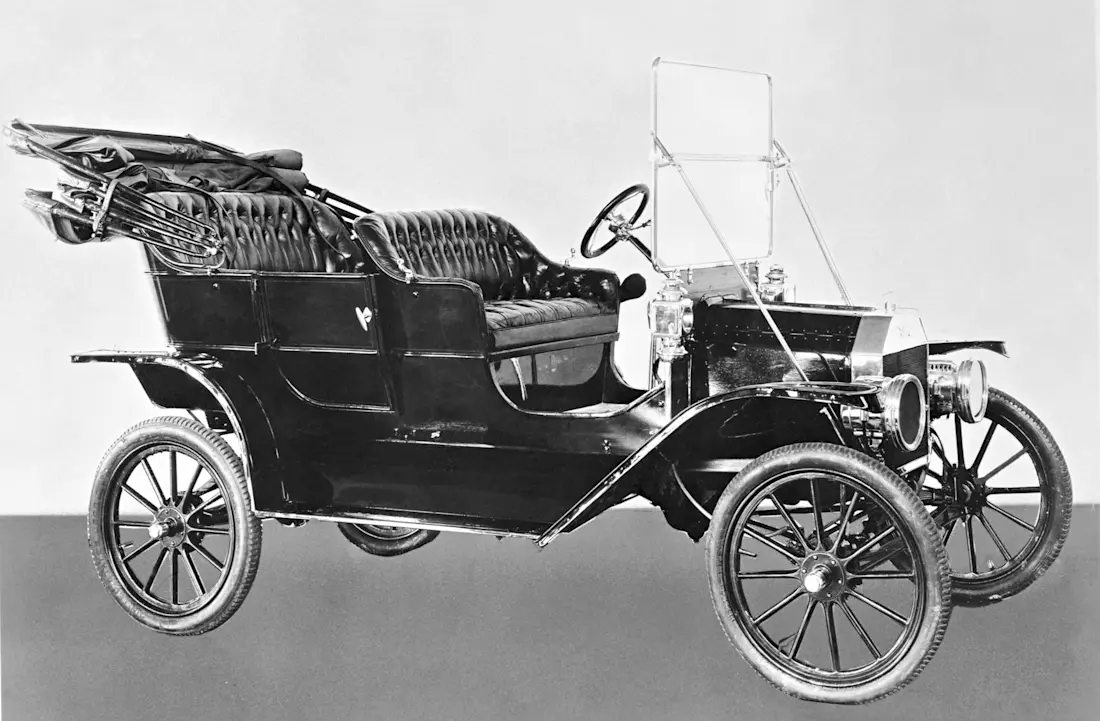
Early automakers often used letters for their car names, moving through the alphabet with each new model, and Ford did the same. His first production car was the 1903 Model A, followed by the Model B, Model C, and so on. Introduced on October 8, 1908, the Model T simply followed the Model S.
Ford Risked Everything on the Model T
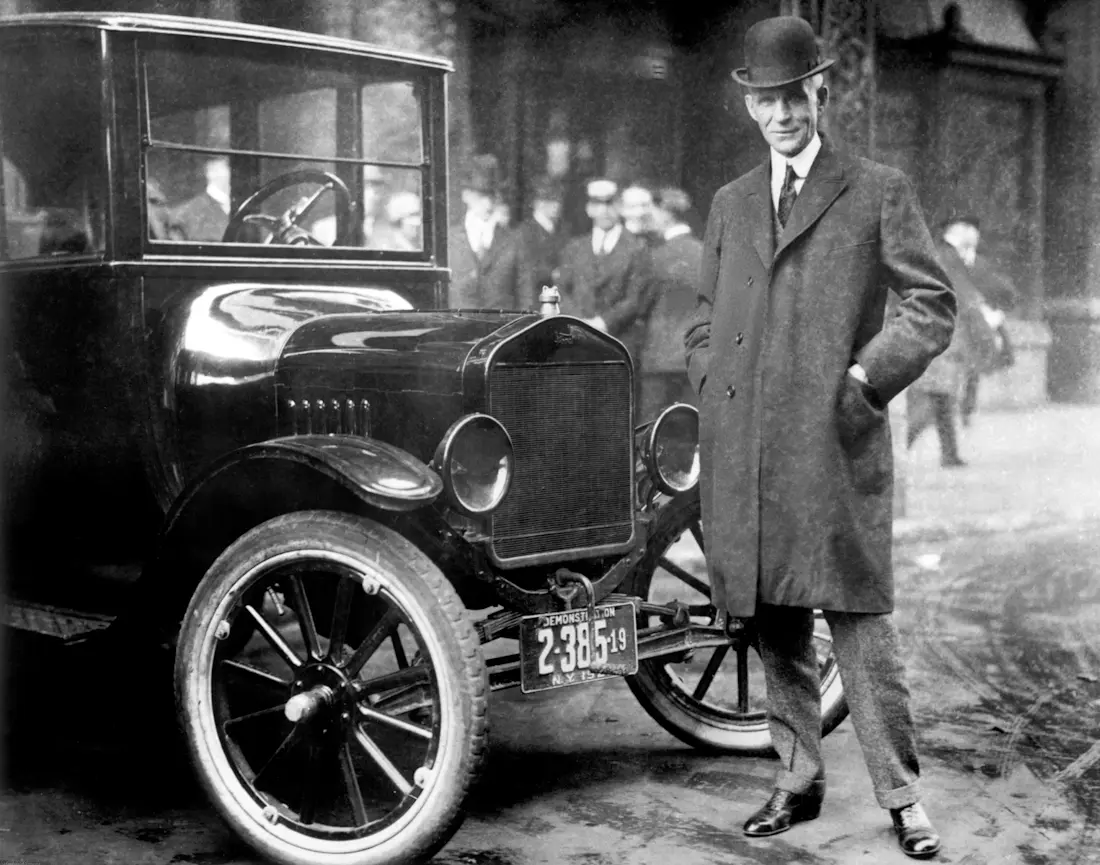
Many of Ford’s earlier models were large and expensive, primarily because his investors preferred the returns on higher-profit luxury cars. Henry Ford wanted to build a simple, inexpensive car that many people could afford. He bought out his creditors, gaining control of the company, and started work on what he nicknamed his “Universal Car.”
Once the Model T went into production, Ford discontinued everything else he’d been making. If it had failed, it likely would have taken the whole company down with it. Of course, it didn’t fail, and until its run finally ended in 1927, every Ford factory worldwide produced nothing but the Model T and the heavier-duty Model TT truck. At the height of its production, more than half the cars in the world were Model Ts.
It Eventually Put All Drivers on the Left
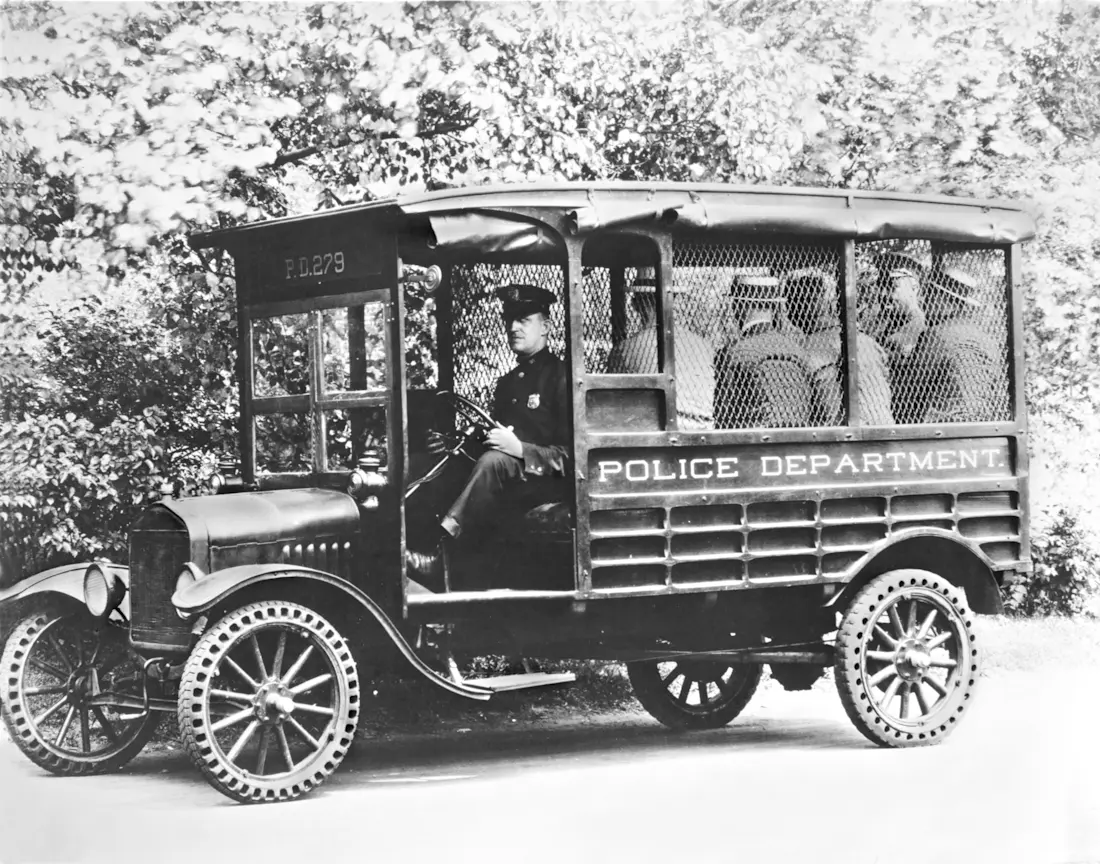
Prior to the Model T, American-built cars had the steering wheel on the left or right, depending on the brand. Ford’s earlier cars were right-hand drive, but the Model T was on the left – and while there are a few theories, no one really knows why. With the Model T so prevalent, all other automakers eventually put their steering wheels on the left as well.
In the U.S., most roadster and touring models lacked a driver’s door – apparently because there were two control levers on the left side and it was difficult to squeeze past them, and so the driver entered on the passenger side and slid across the seat. But some Model Ts built in Canada were shipped to countries in the British Empire that needed right-hand drive, and it was easier to make them all with two front doors – a quick way to spot a Canadian-made car at a show.
Not Every Model T Was Black
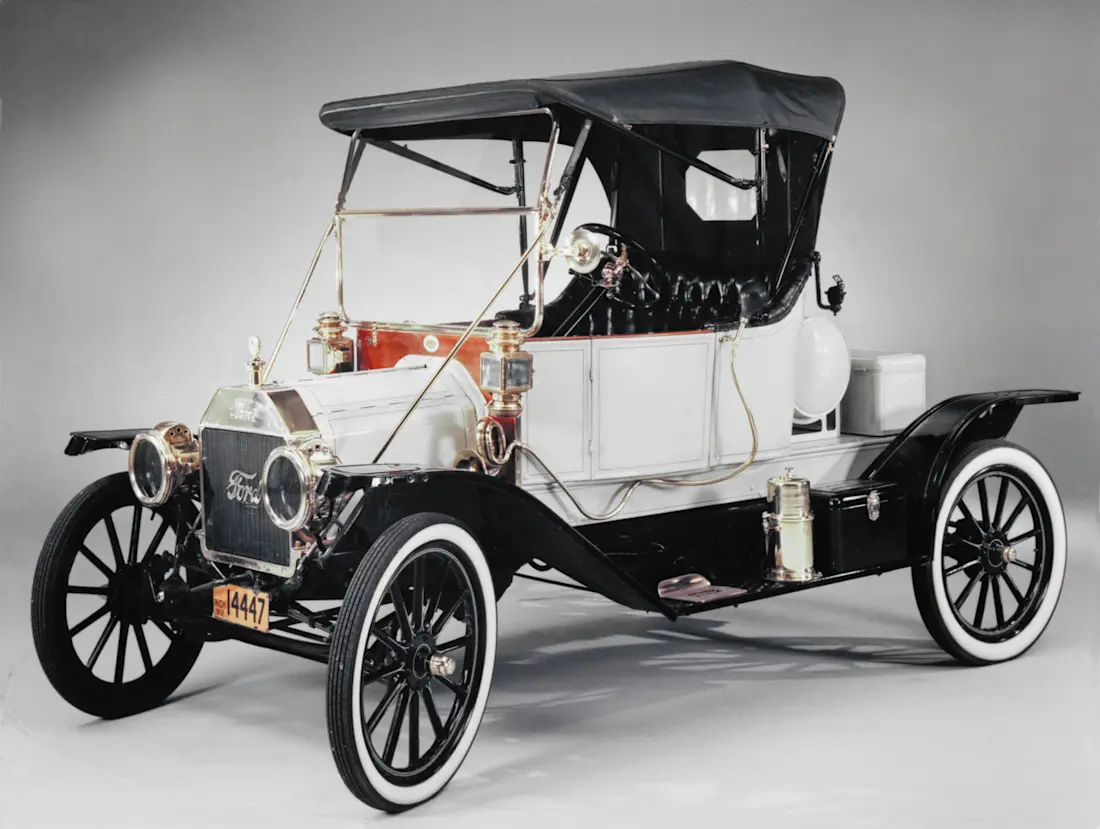
You know that famous quote: “Any colour the customer wants, as long as it’s black.” But it seems Henry Ford never actually said that – and for that matter, not every Model T was black.
Ford was as much of a celebrity as any movie star or sports hero, and newspapers reported on pretty much everything he said; but no independent source appears to have mentioned this. Instead, it’s found only in his autobiography, published in 1922, where he described a meeting with his sales staff in 1909: “…we were going to build only one model, that the model was going to be ‘Model T,’ and that the chassis would be exactly the same for all cars, and I remarked, ‘Any customer can have a car painted any color that he wants so long as it is black.’ I cannot say that any one agreed with me.”
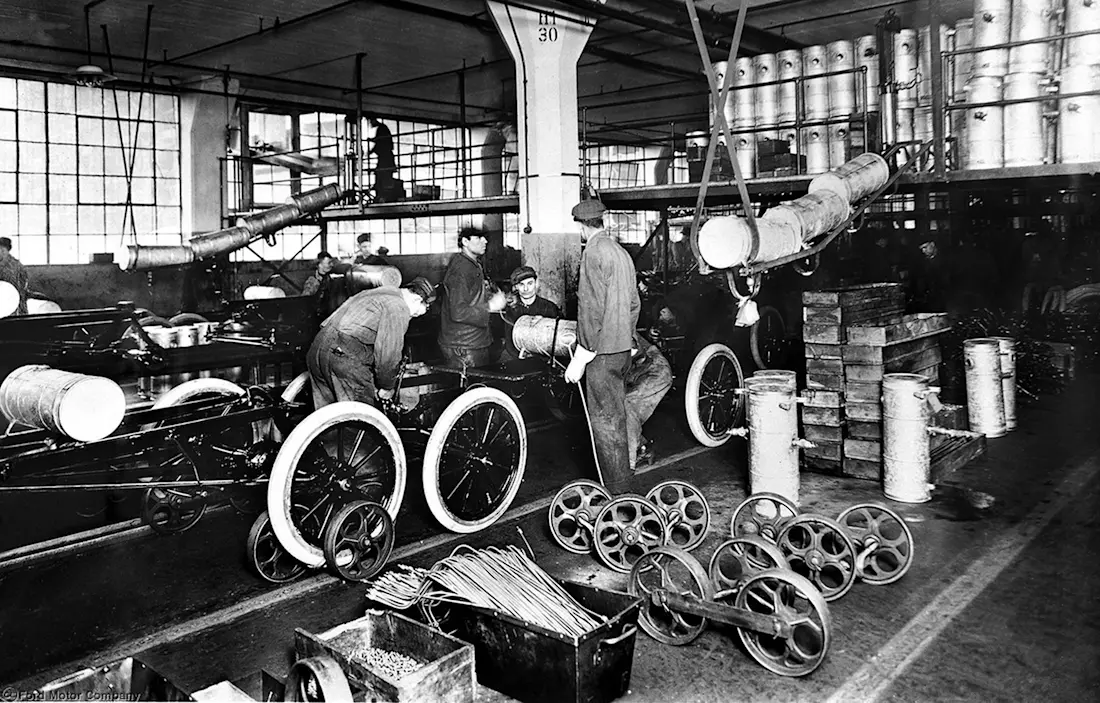
It’s a neat story, except that in 1908 and 1909, you could only get green, red, or grey cars. In 1910, all Model Ts were green, and then for two years, they were all blue – although, starting in late 1912, optional black paint could be substituted. Black-only began in 1914, when Ford introduced his new integrated assembly line, which reduced each car’s build time from 12 hours to 90 minutes. Black paint was cheap and dried quickly, which kept the company’s costs down. It was the standard until 1926, when buyers could also order green, grey, maroon, or blue. Henry was known to rewrite history when it suited him, and it looks like that was the case with the quote in his book.
It Was Only Updated When Necessary
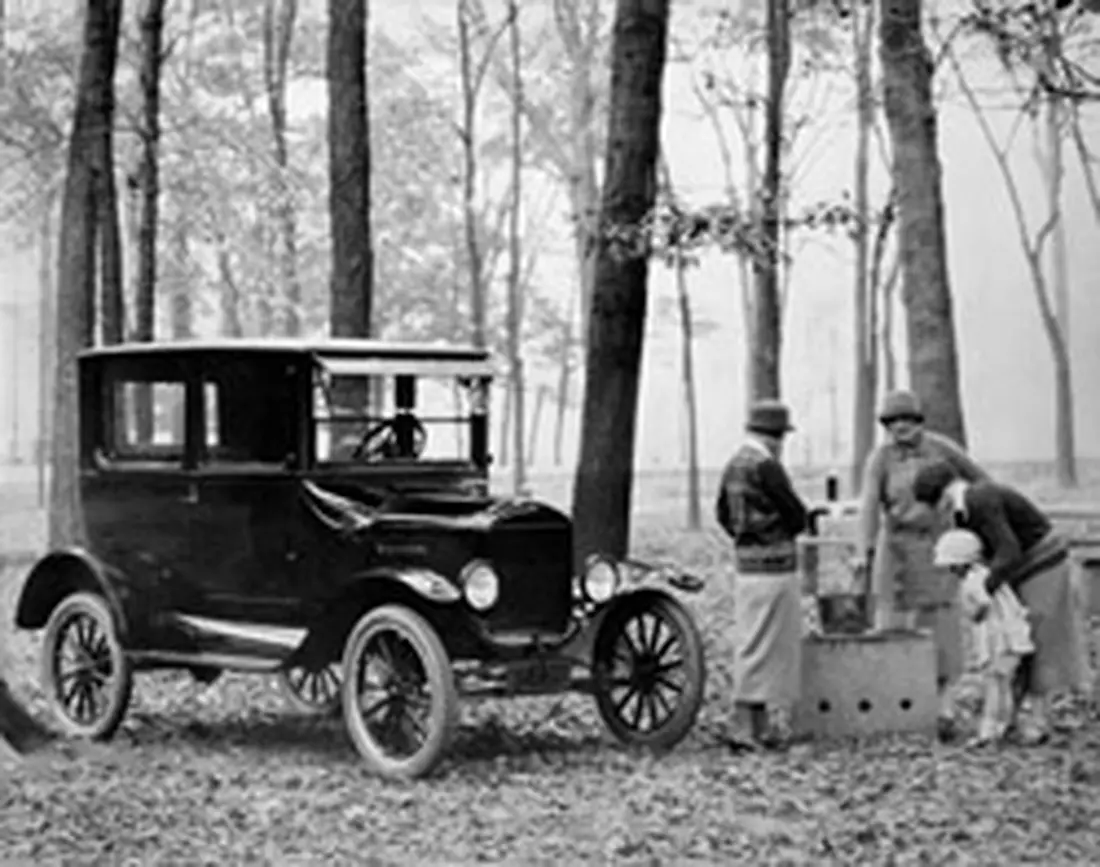
As cars became increasingly popular, many large auto companies introduced mechanical or styling changes with each new model year. Ford generally did not. If something needed improvement, he simply worked it into production as a running change. The Model T did get a bit of a makeover for 1917, when the front-end styling was updated and its brass radiator was switched to painted steel. Brass was getting expensive – it was needed to make ammunition for the First World War – and Ford’s primary goal was to make the Model T affordable.
In 1909, the least-expensive Model T was $850, but you didn’t get a windshield or fabric top for that – although the price rose by $50 the following year when the windshield became standard. With volume production and cost-cutting, the entry model went as low as $260 by the mid-1920s, when a comparable Chevrolet was $525.
When Production Ended, There Was Nothing to Replace It
Henry Ford firmly believed his Model T was all the car anyone would ever need or want, so it wasn’t necessary to give it any major updates. But as time went on, many competitors were more powerful, had better ride and handling, more features, and modern styling, and Ford’s low price was no longer enough. Model T sales were still far ahead of rivals, but they were slowing and profits were falling. It was time to start planning a successor, but Henry wouldn’t listen.
When he finally did, it was strictly on his terms, as bizarre as they were: On May 25, 1927, he simply shut all the factories down. They stayed closed until December, putting some 60,000 employees out of work in Detroit alone, and leaving his 10,000 dealers with nothing to sell but used cars and parts.
He and his son Edsel worked on a new car during the shutdown, and went back to the top of the alphabet for it: the 1928 Model A. It sold very well, but nothing ever came close to what the Model T had done. Those 15 million copies, while not always clad in black, were essentially what changed transportation forever in much of the world.

All Articles
See all
AutoTrader Find of the Week: 1970 Plymouth ‘Cuda 426 Hemi is Rarer Than Rare
There’s nothing else in the world quite like this special muscle car.
 Chris D’Alessandro

How to Prepare a Car for a Vehicular Beauty Pageant
Here are the ins and outs of how to get into a Concours show and impress the judges.
 Jeff Wilson

5 of the Coolest Chinese Cars From the 2026 Paris Motor Show
From hypercars to off-roaders, Chinese cars are bringing the heat.
 Chris Tsui