
5 Crazy Things Less Powerful than the Porsche Cayenne Electric
 Jeff Wilson


We’re in the middle of a global arms race. I don’t mean the serious political situations happening around the world, but the struggle among electric vehicle (EV) manufacturers to constantly one-up each other on power output.
It used to be (and not very long ago) that a very quick and powerful car would have a monumental 500-horsepower output. Then the bar was raised to 600. Then 700, and before we knew it, a handful of supercars costing millions of dollars crested the four-digit power threshold. That meant anyone with the means could cruise our streets in vehicles with nuclear-grade power; sufficient driving skill optional.
Now, a growing number of accessible EVs are surpassing that thousand-horsepower plateau, the latest of which is the Porsche Cayenne Electric Turbo (“Turbo” being a trim level and not the mechanical device that boosts power since this fully electric machine has no such thing). This machine is well suited to quietly transport a happy, well-heeled family from the horse show to Whole Foods, and then to a long weekend away at the cottage.
If the driver needs to get somewhere in a big hurry, they can summon Sport Plus drive mode, hold the car with their left foot on the brake pedal, floor the accelerator, and wait for Launch Control to engage. Then, with the brake released, the family wagon Porsche will leap to 100 km/h in 2.5 seconds, thanks to an over-boost of 1,139 hp and 1,106 lb-ft of torque.
Those are just numbers on a page, but here are some real-world reference points.
10 Fiats
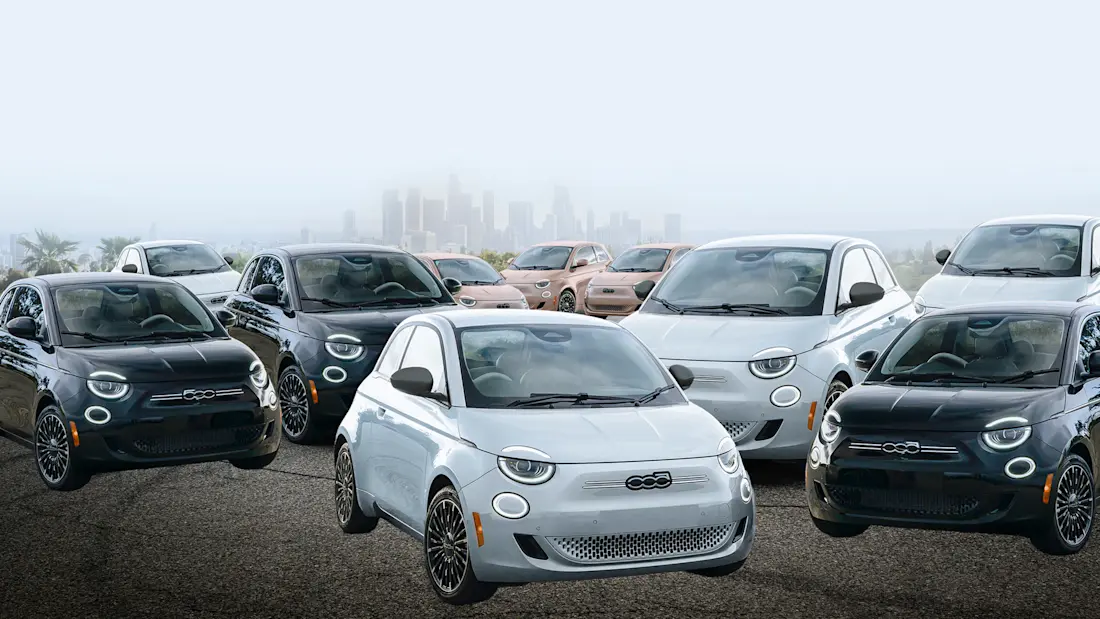
Fiat’s 500e EV produces 117 hp, so it would take 10 of them to match the horsepower of one Cayenne Electric Turbo. Considering 10 Fiat 500es would cost nearly $300,000, it makes the Porsche a relative bargain at just over $200,000, especially since none of the 10 Fiats would be as quick as the Porsche, though combined, they could carry more cargo than the Cayenne’s 1,644 L of cargo capacity in both the rear and front trunks combined.
Excavator
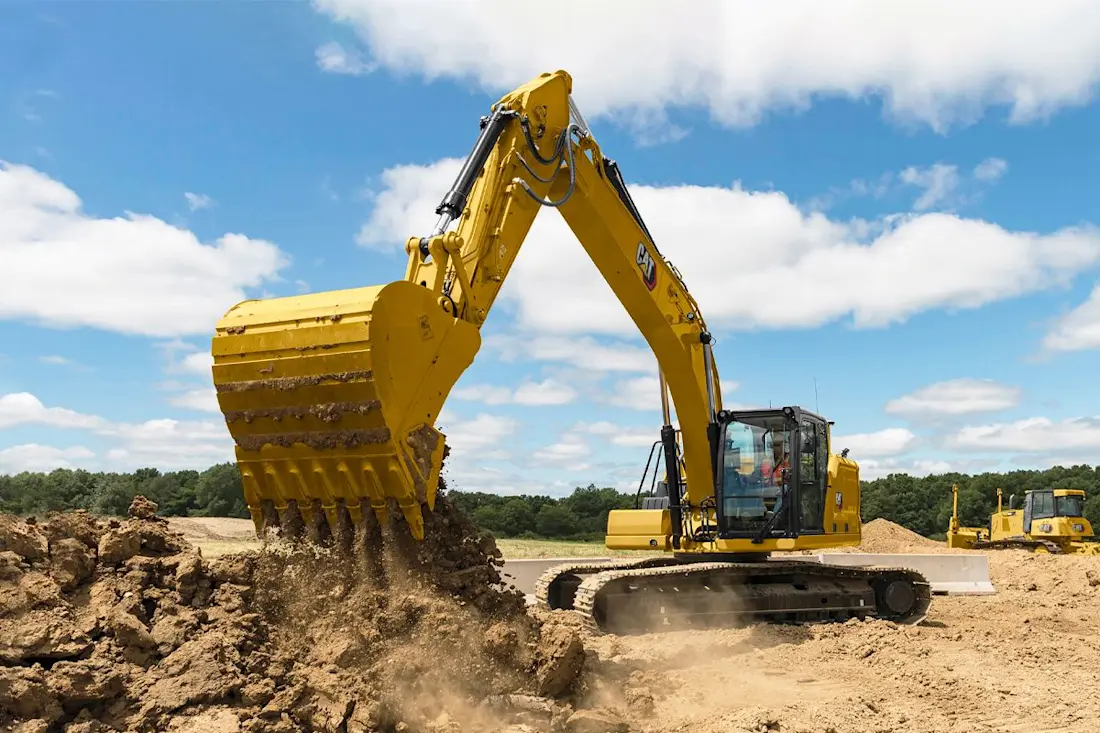
The Caterpillar C13 is a 12.5-litre six-cylinder diesel engine, which in its lower spec delivers around 1,100 lb-ft of torque. It’s used in a range of applications, from highway coaches to articulated dump trucks and combine harvesters, and it also powers the Caterpillar 345C L excavator, which weighs 44,970 kg and can move 382 cubic metres of earth an hour.
Battle Tank

Britain’s Challenger 2 battle tank uses a 26.1-litre V12 diesel engine that generates nearly the same horsepower as the Cayenne Electric Turbo. With armour, the Challenger 2 can weigh upwards of 74 tons, making its top speed of 59 km/h considerably slower than the Porsche’s terminal velocity of 260 km/h.
Rail Locomotive
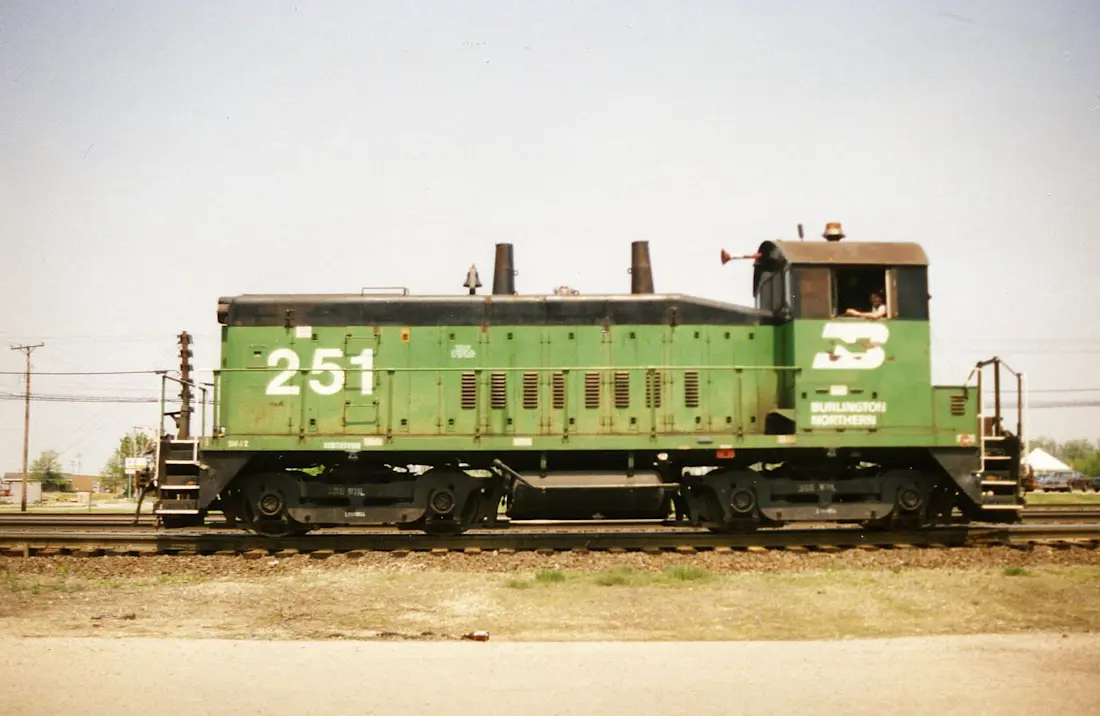
The EMD SW1200 was built by General Motors Electro-Motive Division in the 1950s and ‘60s. Some 287 of these locomotives were built for Canadian railroads, serving primarily for shunting duties around rail yards, rather than long-hauls, some of which are still in use today. Their 12-cylinder engines generated 1,200 hp, so just slightly more than the Porsche.
Cargo Ship

The Yuchai YC6C1100 is a Chinese-built marine engine displacing nearly 40 litres that’s rated at 1,100 hp. It’s primarily found in cargo vessels up to 7,000 tons, commercial fishing boats between 30 and 50 metres in length, or tugboats designed to help push around massive ocean-going cargo vessels. Unlike the Porsche that will require you to go to a dealership to purchase, a YC6C1100 can be ordered from the comfort of your kitchen table through Alibaba.com for considerably less than the cost of the Porsche.
Household and Hospital Wing
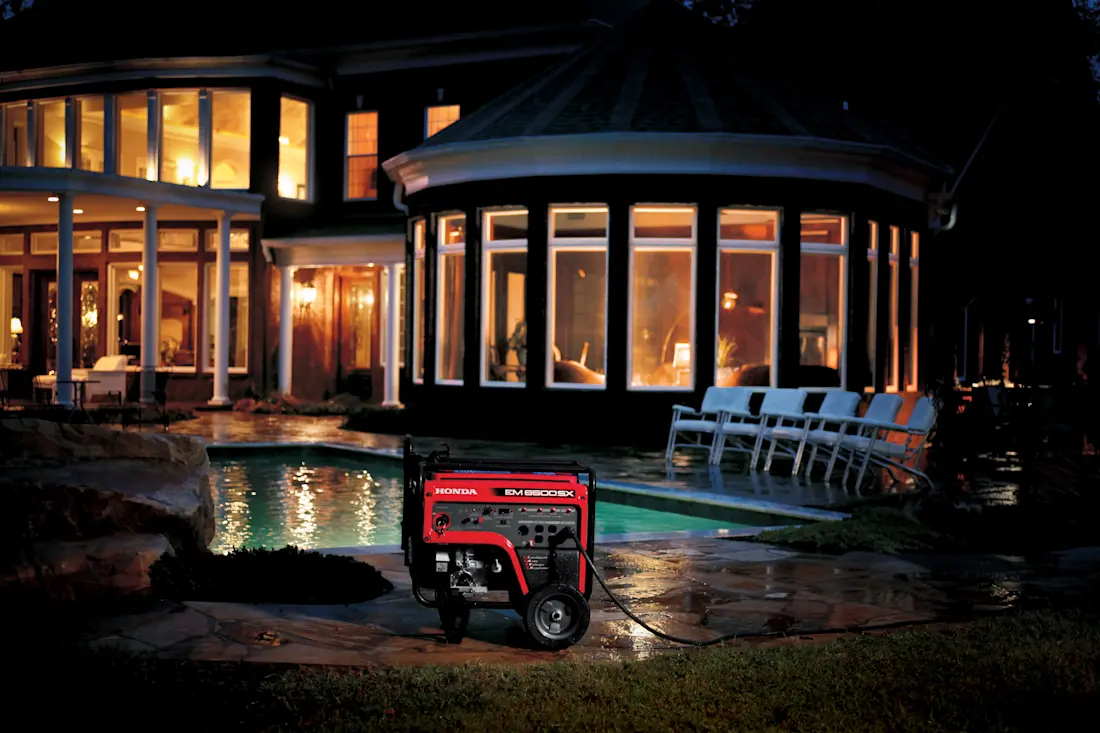
Considered another way, the Cayenne’s output is approximately 840 kW of energy, which as a diesel generator, would be enough to power an entire hospital wing during an emergency.
The Porsche’s floor is comprised entirely of a battery pack with a capacity of 113 kWh. That’s enough energy to power a typical North American household for between three and five days with ordinary usage of lights, fridge, cooking, and household electronics.
It would also be enough juice to keep 10 10W LED light bulbs ablaze for five hours a day for seven months. A high-efficiency washing machine could clean more than 200 loads of smelly clothes, while an efficient oven could do upwards of 55 hours of baking, which is surely enough to start selling banana bread professionally. It could also keep the fridge humming along for a full season.
Fighter Jet

Of course, all of those numeric bragging rights pale in comparison to the fact that when taking off, an F-16 fighter jet accelerates down a runway to approximately 400 m (1/4 mile) from a standstill in anywhere from 10 to 15 seconds, travelling at about 200 km/h when it crosses that threshold. With its launch control employed, the Cayenne Electric Turbo would eclipse the same distance in 9.5 seconds and be travelling at 235 km/h. A few seconds later, the jet would leave the pavement – and the Porsche – behind, but that’s cheating.
House
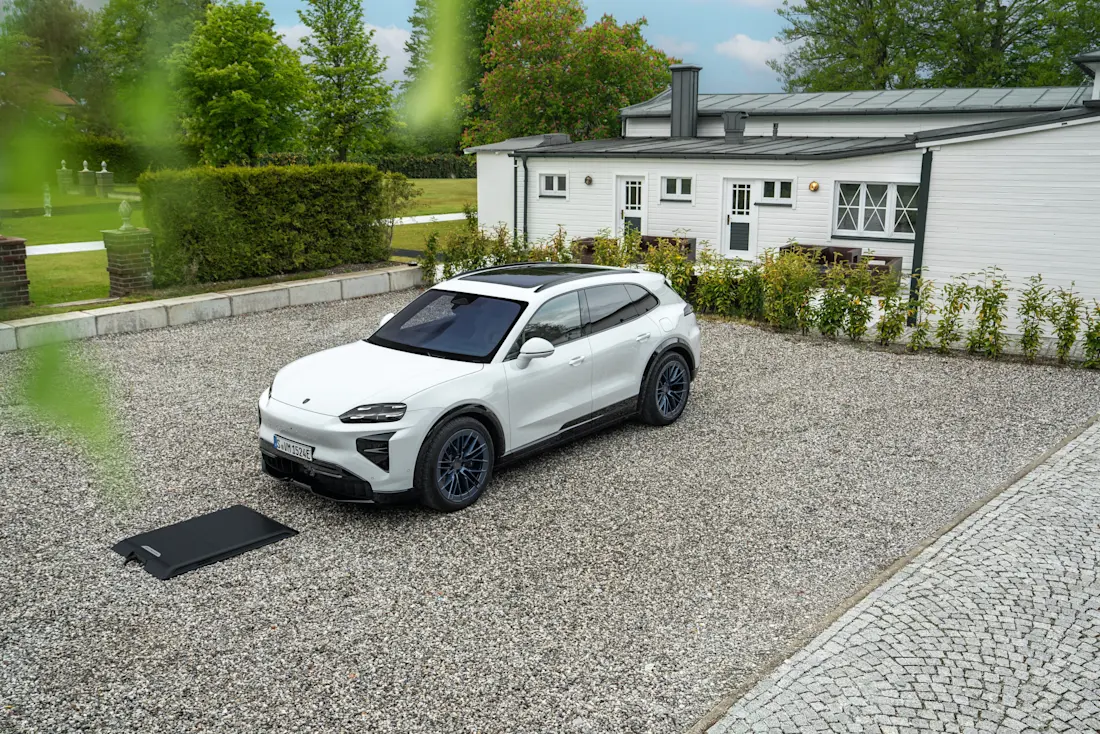
The Porsche Cayenne Electric Turbo starts at $200,000 with the requisite destination charges applied, but not accounting for the tens of thousands of dollars in options available, nor the sales and luxury taxes that would also apply. At the time of writing, there were 1,349 fully-detached, freehold, three-bedroom homes for sale in Canada listed on Realtor.ca that cost less than $200,000. Some 32 of them are in Southern Ontario – a region notorious for high housing costs. Add in condos or lease-hold homes, and there would be thousands more. None of those houses can roll up to the valet at your favourite restaurant, though.
As impressive as all those numbers are, perhaps the most remarkable aspect of the Porsche Cayenne Electric Turbo is that it achieves all of the above while still being comfortable, capable, and capacious cruising the carpool lane and doing daily-life errands with ease. In the electric vehicle power war, this Porsche is a superhero in street clothes.

All Articles
See all
AutoTrader Find of the Week: 2015 Mitsubishi Lancer Evo GSR Was the End of an Era
The Evo X Final Edition marked the end of a JDM legacy and an entire era of sports car philosophy.
 Chris D’Alessandro

Own the Road with AutoTrader, Episode 117: Geely is Coming to Canada – Here's What We Know
One of China's biggest automakers is coming to Canada. Here's what that means for you.

6 Facts About Bricklin You Probably Didn’t Know
Learn more about this quirky chapter in Canadian automotive history.
 Jil McIntosh