
2028 Volvo XC60 and XC90 PHEV First Drive Review + Video
 Dan Ilika
Volvo is a brand that knows where its bread is buttered.
That doesn’t mean it’s giving up on the electric vehicle (EV) market. Far from it, in fact. And its latest emissions-free model, the EX60, is off to a hot start, with exceptionally strong European demand in its first months on the market. But the existing models that have been key to Volvo’s success in recent years aren’t being cast aside entirely, with major updates to a pair of plug-in hybrid (PHEV) sport utilities that not only add range but change their fundamental makeups, too.
Subtle Styling Tweaks


The 2028 Volvo XC90 in particular doesn’t look different from the one before, and that’s because it isn’t. While its smaller sibling, the 2028 Volvo XC60, gets a handful of visual tweaks inside and out, the brand’s three-row SUV carries on unchanged — and it didn’t need an update anyway. After all, it was overhauled just a couple years ago, however slightly that was (and that’s fine). Timeless and tasteful, the XC90 is aging gracefully and gorgeously.
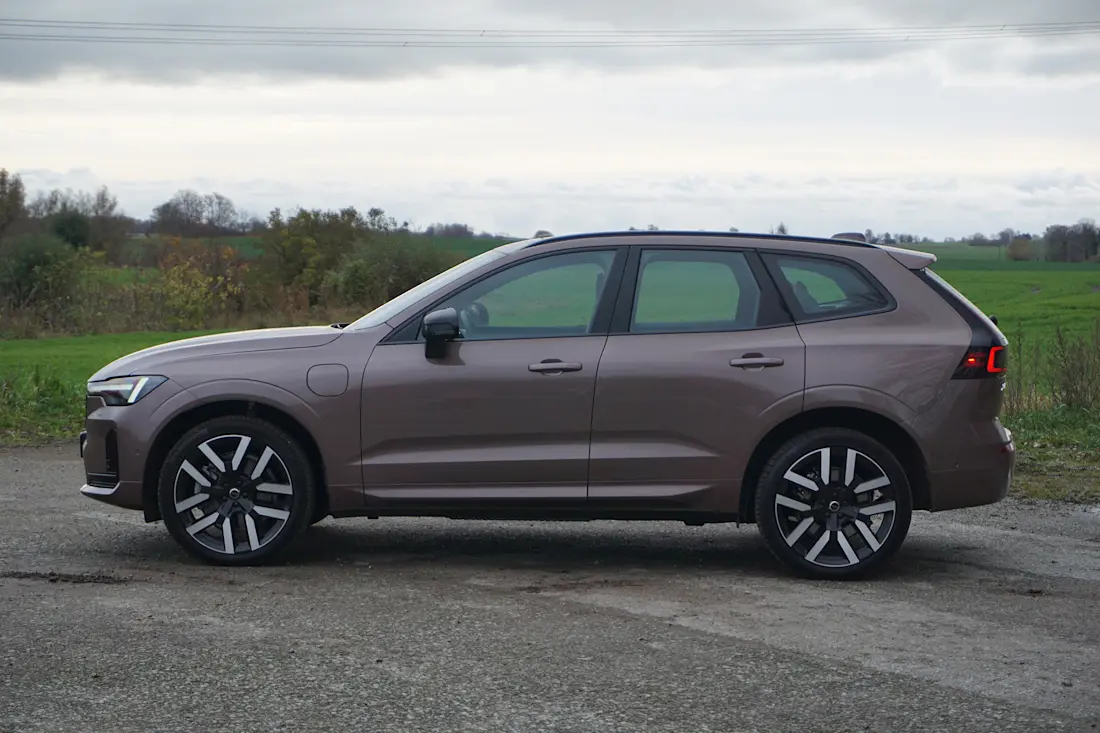
By contrast, the XC60 was updated just last year. Yes, that makes its situation a little strange, since it didn’t really need an update either, but it’s stylish nonetheless. The grille has been swapped from the same intersecting pattern as the XC90’s, but they’re strikingly similar overall otherwise. The only other difference of note up front is the interpretation of the Thor’s Hammer headlight treatment Volvo has been using for years.
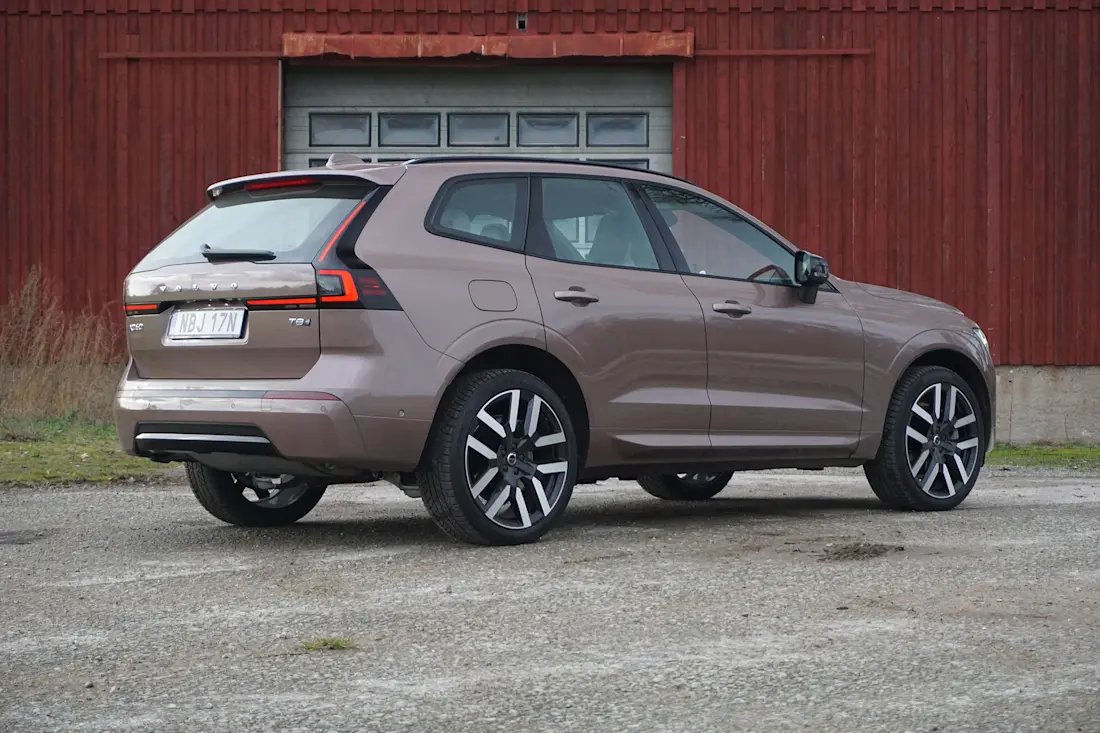
The XC60’s rear lights are different this time around, plus a new shade of Heather Bronze paint (pictured here) has been added to the lineup. There’s a new colour available inside, too, plus the passenger-side dashboard has been tweaked, but that’s about it for the visual changes. These SUVs have long been among the most stylish around, and that’s surely going to continue to be the case for years to come.
Big Changes Underneath
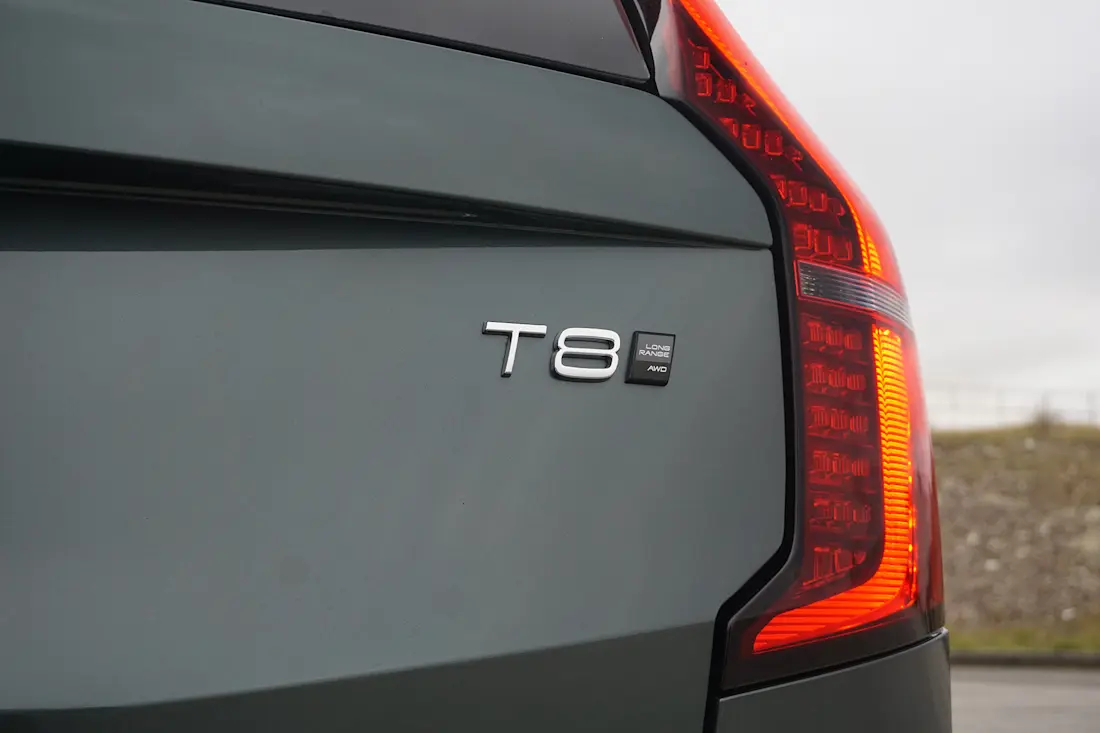
Beyond the way they look, the T8 PHEV versions of both the XC60 and XC90 have been overhauled in meaningful ways. The changes start with the battery pack they share: its capacity has more than doubled to 41.2 kWh (from 18.8 before), which sees the distance they can travel on nothing but electrons jump to class-leading levels. In the case of the smaller and lighter XC60 PHEV, Volvo estimates it can cover 126 km on a full charge compared to 56 km before.
Meanwhile, the XC90 PHEV is estimated to go 117 km, whereas the last one was rated for 53 km on a full charge. In the case of both so-called “long-range” PHEV models, those estimated figures are based on North American testing standards instead of the more generous European ones. And during this initial encounter, a fully charged XC90 had an indicated electric-only range of 145 km on a cold and dreary day in Denmark’s capital of Copenhagen.
Volvo achieved such drastic jumps by fitting the bigger battery under both SUVs’ floors as opposed to where they were before — centrally in the tunnel that would otherwise house a driveshaft. It’s not exactly a novel solution, since most of the rest of the industry has been doing the same for years, but it was the only reasonable place to put the bigger pack.
Less ideal, at least for Canadian drivers, is the way Volvo’s PHEV system functions. That’s because the gas engine — which, in the case of both SUVs, is a turbocharged 2.0L four-cylinder — is responsible for driving the front wheels, while the electric motor is at the back and motivates those ones. The system is fine when both power sources are working in unison, but it means electric-only operation is entirely rear-wheel drive.
That’ll surely sap some confidence during wintertime, where four-wheel traction is preferred by plenty of Canadians; and while letting the powertrain run in combined gas-electric hybrid mode solves the issue by enabling all-wheel drive, benefitting from that big new battery pack only part of the year sort of defeats the purpose of a PHEV in the first place. (In reality, a good set of winter tires means electric mode will work just fine most of the time.)
Properly Premium PHEVs
No matter the mode, the placement of the battery is noticeable while driving — not that it does anything to disrupt the existing serenity in either SUV, but all that extra weight down low is hard to hide. Whereas before it was all about balance, this time the XC60 and XC90 feel like more classically premium PHEVs. Coupled with their available air suspension systems, both glide around like the properly luxurious vehicles they are.
But don’t be fooled by their emissions-free focus: both of them are adequately quick with a heavy foot on the throttle (and both halves of the powertrain working together). That’s because they generate 455 net hp along with 560 lb-ft of torque, both of which are big numbers that benefit from how quickly electric output is spun up. There’s no waiting for the turbo to spool — just impressive quickness at a moment’s notice.
Volvo claims the XC60 PHEV can hit 100 km/h from a standing start in just 4.5 seconds, while the XC90 PHEV takes slightly longer at 4.9 seconds. Either way, those times are enough to shock occupants and onlookers alike. (For what it’s worth, the similarly sized — though two-row — Mercedes-Benz GLE 500e can do the same sprint in a claimed 5.6 seconds.)
Keen-eyed readers will note that the power figure is the same as it was two years ago before dipping to 455 net hp last year. According to Volvo’s spokespeople, more stringent emissions regulations were responsible for the initial change, but with certain markets easing restrictions the company was able to bring back a bit more power this time around.
A Few New Features
The big battery these two SUVs share can be topped up using a new 7.2-kW onboard charger. So while the previous 3.7-kW unit could replenish the battery entirely in about five hours when hooked up to a Level 2 charger, the new one needs a little less than six hours — but don’t forget, that’s to boost a battery with more than twice the capacity as the outgoing version.
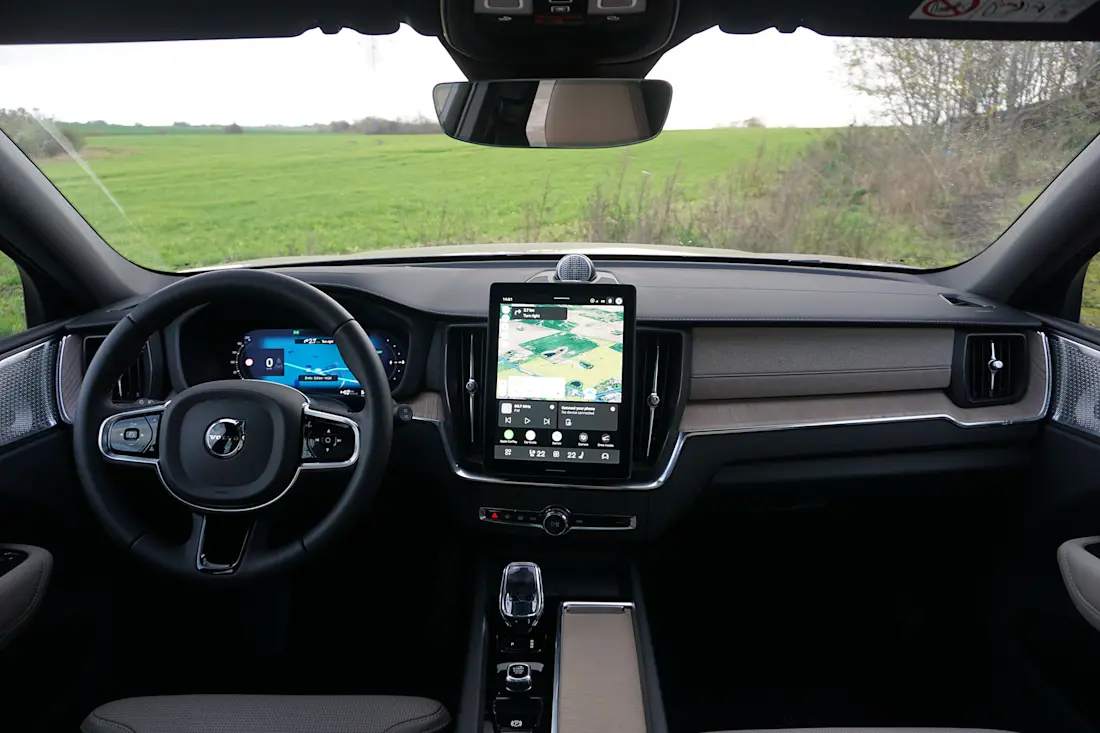
Beyond that PHEV-specific stuff, the XC60 gets a few new features this year. Among them is a four-zone automatic climate control system that was previously reserved for the mild-hybrid model that carries on alongside this one, while the Google-based infotainment system now has that company’s Gemini artificial intelligence (AI) assistant. And the same is true of the XC90.
Interestingly, they also feature wired Apple CarPlay and Android Auto interfaces instead of the wireless connectivity offered elsewhere — including in the all-electric EX60. Volvo’s people don’t have a good explanation for why those smartphone-mirroring services weren’t updated, although the infotainment system works well regardless, with built-in Google Maps and more familiar services like Spotify housed within the 11.2-inch touchscreen they share.
Otherwise, all sorts of good features can be had in both the XC60 and the XC90, including heated, ventilated, and massaging front seats. And then there’s the look and feel of the spaces themselves, which is satisfying and chic in that classically Scandinavian way. Few vehicles offer such uniquely luxurious experiences as Volvos — a trend that continues with these SUVs.
Final Thoughts
Pricing wasn’t announced as of this writing; however, it’s conceivable that Volvo could add thousands of dollars to the cost of both models. Doing so would be justified, too, considering the genuine value that’s been added, some of which comes through increased material costs. (Let’s not forget about that bigger battery, after all, which has a legitimate price associated with it.)
But then the existing XC90 PHEV already touches $100,000 to start — that’s before options and taxes, but including the requisite fees like freight — which means pushing into luxury tax territory from the jump. And while the smaller XC60 PHEV costs comparatively less, it would be harder to make sense of with a starting price of more than $80,000. That’s especially true when factoring in the pricing of a rival like the Mercedes GLC 350e, which starts at about $70,000.
As Volvo pivots from its aggressive strategy to make its lineup entirely electric, it has an opportunity to own a space it already dominates. Ultimately, the answer lies in how it prices both these new PHEV models, which is something of a tightrope walk between profitability and providing value. There’s no question their added emissions-free range makes these impressive SUVs even better than before, but there’s a limit to how much that greatness is worth.

All Articles
See all
2026 Volvo EX30 Review
In some ways, it’s impressive that a vehicle with this many red flags is still charming.
 Sébastien Bell

2027 Volvo EX60 First Drive Review + Video
The EX60 is an impressively well-rounded EV that makes up for Volvo’s past missteps.
Dan Ilika
2026 Volvo V60 Cross Country Review
It’s the end of the road for Volvo’s wagons.
 Jeff Wilson