
5 Car Features We Never Want to See Again
 John LeBlanc

You don’t need to be a car historian to know modern cars are better in almost every way than earlier models. They offer superior fuel efficiency, unprecedented safety, and excellent reliability while keeping you seamlessly connected.
But like making an omelet, automakers have broken a few eggs and have missed the mark on a few features that end up being more irritating than helpful. Here are the most annoying car features drivers want gone now.
Electronic Retractable Door Handles

While car stylists and aerodynamicists love the sleek, aerodynamic benefits of electric retractable door handles, they can pose significant safety and mechanical challenges.
For Canadians who need to drive in the winter, ice or hard snow can coat door seams, overwhelming the small electric motors and impeding access. Many drivers, including those with 2012-2016 Tesla Model S sedans, report being stranded during winter.
Besides freezing you out of your car, electronic door handles have additional quirks.
Since the doors need electricity, a dead 12-volt battery or power loss after a collision can disable the release. Occupants who panic or are unconscious may be unable to find or use the manual backups. Even if help arrives, external buttons or flush handles can confuse bystanders or rescuers.
Additionally, microswitches and motors can glitch or fail. Fixing them often costs more than replacing a regular mechanical door latch.
These safety concerns and severe electronic door entrapment incidents have prompted regulators to act. In the U.S., the National Highway Traffic Safety Administration (NHTSA) began probing thousands of vehicles for this risk. Chinese authorities have already banned new cars from using concealed, power-dependent handles, forcing automakers to redesign electronic-only handles.
Fake Exhausts and Vents
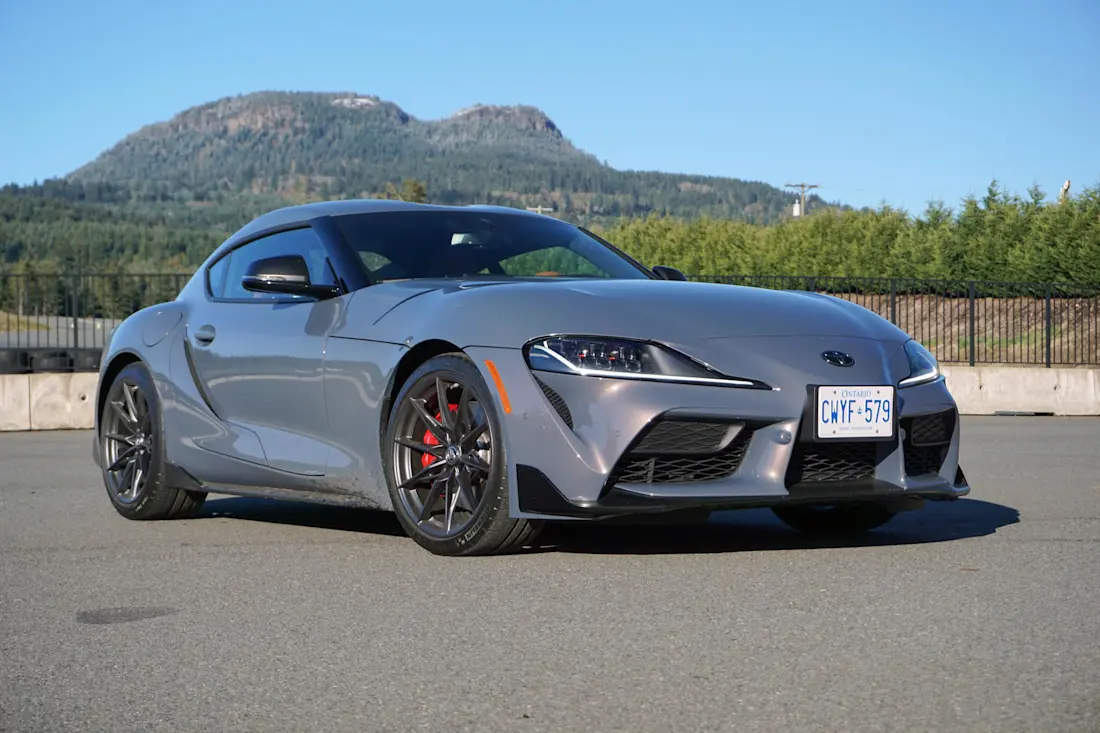
Automakers admit that fake exhaust openings mainly achieve design freedom and reduce manufacturing costs. They let designers create cleaner rear styling without routing hot pipes to align perfectly or dumping exhaust onto the road, which would blemish the bodywork.
Plastic trim pretending to be dual exhausts is easy to spot at a glance. But fake exhausts are just one of many deceptive features on modern cars. Non-functional scoops and vents block cooling airflow, increase aerodynamic drag, and reduce fuel economy.
Certain cars have gained a reputation for these over-the-top fake vents. Just look at the 2017 to 2021 Honda Civic Type R with its fake, solid honeycomb intakes, the current Toyota Supra’s fender slits, or the latest Subaru BRZ/Toyota 86, which feature non-functional fender garnishes. Especially on performance cars, if a vent or intake doesn’t have a real purpose beyond aesthetics, it shouldn’t be there.
In-Car Subscriptions
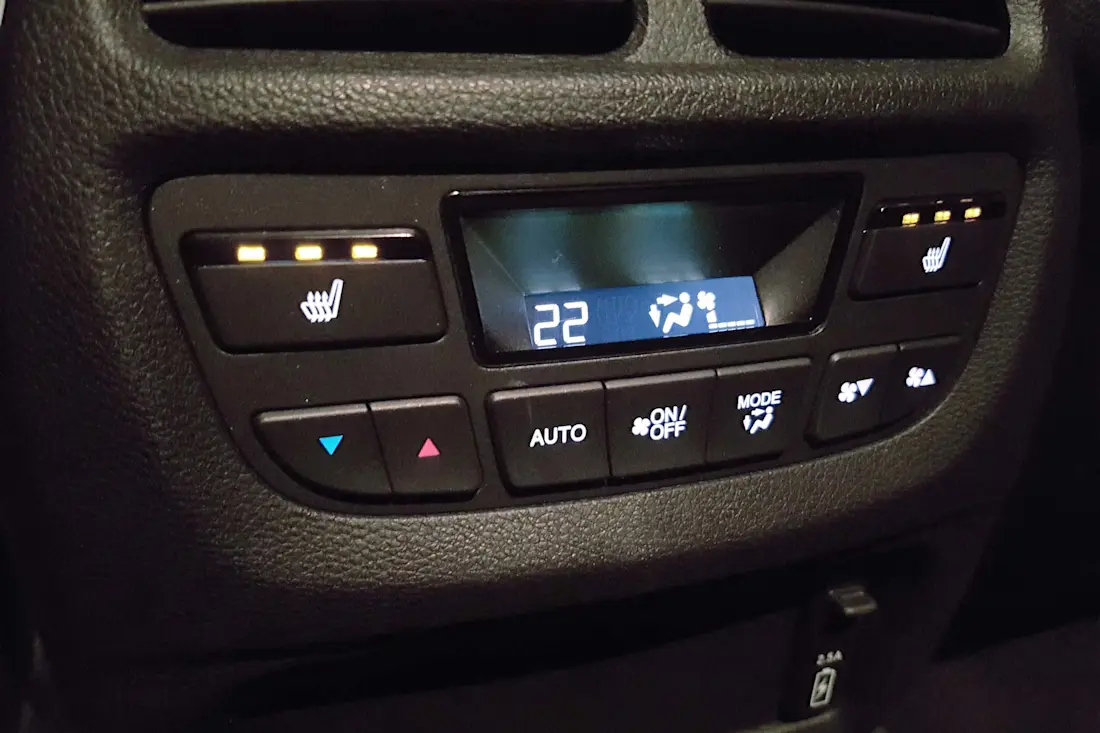
In-car subscriptions require owners to pay recurring fees to access features already built into their vehicles, such as heated seats or navigation. Automakers first experimented with this approach in 1996 with General Motors’ OnStar telematics, which offered safety and navigation features.
On the surface, these services seem like progress, but most subscription services have failed to gain traction. Over time, fees for navigation or remote start can exceed the costs of traditional upgrades. The subscription model also raises concerns about automakers' ongoing data collection, including privacy risks, data sales, and hacking threats.
For used-car buyers, subscriptions are particularly problematic as many features reset or expire with a change in ownership, requiring resubscription. Unlike buying a vehicle outright or with traditional financing, subscriptions do not add to the car’s value, so consumers cannot recoup their costs when reselling.
A great example of in-car subscription failure was BMW’s 2022 "Functions on Demand" program. It charged buyers a monthly fee to activate the built-in heated seats. The brand tried this program with other features, such as adaptive headlights, but severe backlash led BMW to dial back the program.
Finicky Gear Selectors
In the mid-1950s, automakers attempted to replace old-fashioned gear levers with push-button and dash-mounted selectors that used complex mechanical cables. Reliability issues led automakers to abandon the technology by the early 1960s, before government legislation mandated the more familiar “PRNDL” (Park, Reverse, Neutral, Drive, Low) standard.
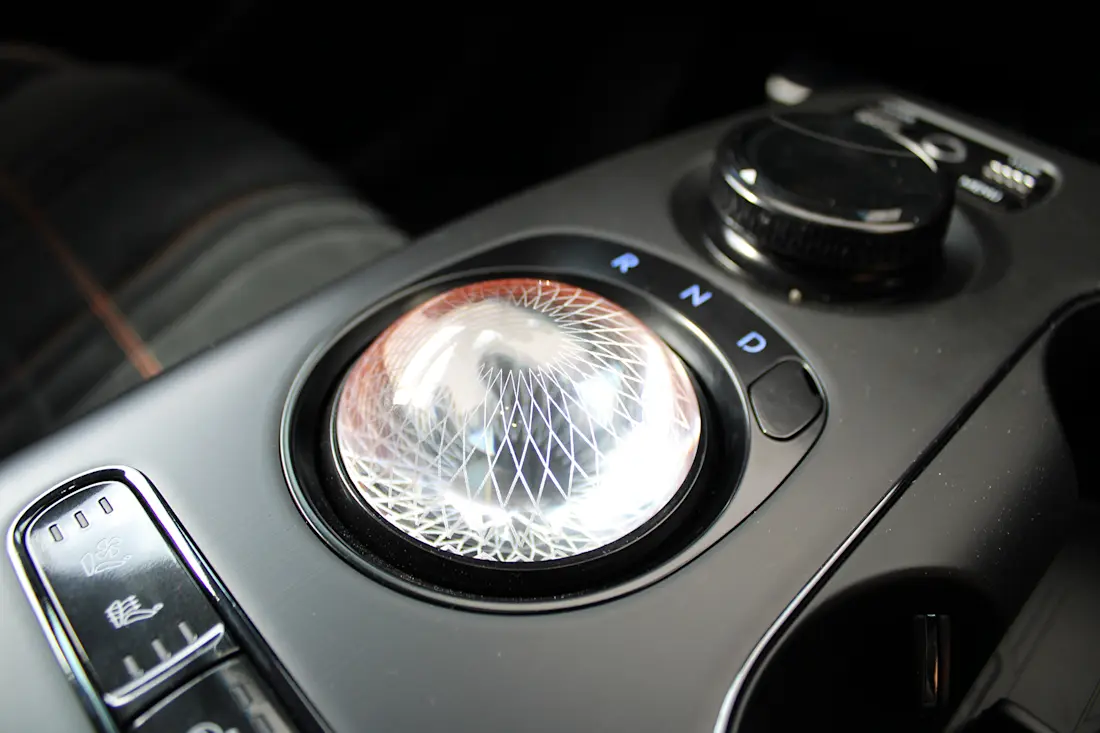
Apparently not learning that lesson from the past, non-traditional gear selector designs returned in the 2010s and 2020s as electronic "shift-by-wire" technology let designers introduce non-traditional shifters like rotary dials, toggles, or buttons to save space.
However, many manufacturers placed the new, bulky dials or complex "crystal orbs" right in the middle of the console. This negates the space-saving benefit.
A lack of intuitive operation is another problem. Traditional shifters offer a tactile "click" as they move into position. Finicky gear selectors lack physical linkage and feedback, raising the risk of roll-away accidents due to confusing interfaces. Without the traditional front-to-back motion, there's no resistance or instant cue, so drivers may mistake Reverse for Park or exit the car while still in gear.
Some of the most notorious and heavily criticized examples of finicky gear selectors span several major automakers.
Take Tesla as an example. The automaker completely removed the physical gear stalk from the steering column. To shift into Drive or Reverse, the driver must swipe up or down on the edge of the central infotainment touchscreen. If the touchscreen freezes, lags, or suffers an electronic glitch, the driver is virtually locked out of shifting gears. The only fallback is to use tiny, hidden emergency physical backup buttons located on the roof console or hazard panel.
Fake Engine Sounds

Modern engineering trends, such as turbocharging gas engines and the shift toward electric vehicles (EVs), have led to incredibly quiet cars. For drivers who relish the authentic mechanical sounds of a naturally aspirated engine, fake engine sounds restore the auditory thrill enthusiasts expect while complying with noise and pedestrian safety regulations.
Despite the pros, these fake engine noise systems can present several cons.
By masking warning signs and authentic vehicle feedback, artificial sound design can make driving less safe and less connected. Aggressive digital noise can also interfere with a car’s sound system quality.
Volkswagen introduced its Soundaktor (German for "sound actuator") feature in 2011 to amplify fake engine noise inside the cabin of various performance models, such as the Golf GTI, Golf R, and Jetta GLI. While Soundaktor adds a sporty growl, owners cited its main drawbacks as artificial sound quality, frustrating dash rattles, and a masking of the car's true mechanical feedback. Many user groups started posting how to disconnect it.

All Articles
See all
Here's What It Takes to Break a Speed Record in the Desert
BYD’s electric hypercar is now the fastest car in the world — again.
 Chris Tsui

Mercedes Wants You to Talk With Your Rear Window
Micro LEDs embedded in the glass allow drivers to express themselves
 Sébastien Bell

AWD or FWD for Canadian Winters: Which Drivetrain Is Better?
Let's say it's a February morning, your street hasn't seen a plow yet and the hill at the end of it is glazed with packed snow.