
Why Buying a Used EV Makes a Lot of Sense
 John LeBlanc


If you’re a Canadian new-car buyer, the recent high gas prices might have you considering an electric vehicle (EV). But even after factoring in the savings from cheaper electricity compared to fossil-fuel energy, new EVs in Canada remain more expensive than gas-powered equivalents due to the high cost of raw battery materials, limited North American production capacity, and lingering post-pandemic supply chain challenges.
Used EVs offer many of the same benefits as new EVs, plus the added advantage of being more affordable. Here’s why buying a used EV can make a lot of sense.
Avoid Unpredictable Gas Prices
Energy costs are lower for an EV than for a comparable fossil-fuel car. Typically, charging an EV at home in Canada will cost between $400 and $800 per year, whereas an equivalent gas car averages $1,800 to $2,400 annually.
Canada's residential electricity rates are generally stable and among the lowest in the Western world. That’s due to our country's massive hydroelectric power capacity. Plus, generating electricity from hydropower requires long-term, fixed-cost investments, which protect users from unpredictable spikes in global energy markets caused by geopolitical events or supply shortages, as seen with fossil fuels, which, in extreme circumstances, can cause shortages or government rationing policies.
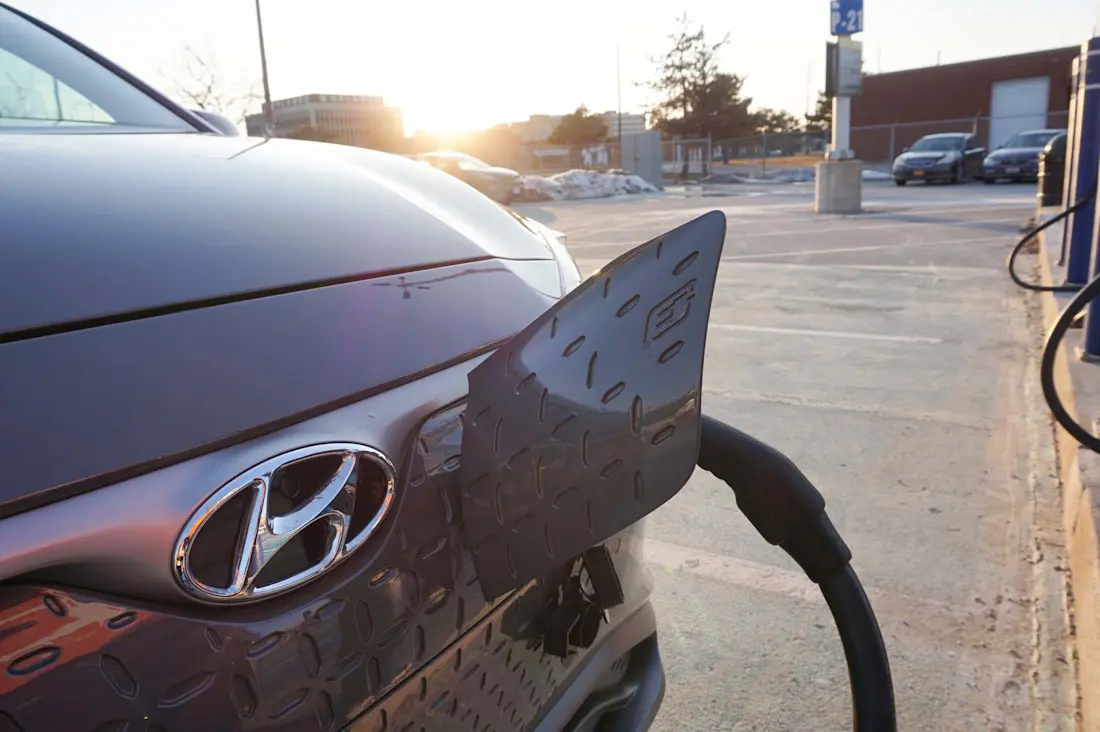
Spend Less Time (and Money) on Maintenance
Whether new or used, EVs have fewer moving parts than gas-powered cars. Their simpler engineering will likely lower your maintenance and repair costs.
And if battery longevity concerns are making you think twice about buying a used EV, you can forget that worry right now.
The major battery components of EVs typically come with a warranty of at least eight years or 160,000 kilometres, protection that far exceeds the usual gas-vehicle drivetrain warranty of five years or 100,000 km. Plus, many 2022 and 2023-model-year EVs feature “active liquid thermal management,” which further helps minimize battery degradation.
EV batteries are also lasting longer and degrading much more slowly than initial estimates. Ultimately, automakers discovered that battery life was up to 40 per cent longer than expected, and it’s statistically very rare for an EV to require a full battery replacement.
Even so, we recommend asking the seller of a used EV for a battery "State of Health" (SOH) report. This shows how much energy and performance the battery can still store and deliver compared to when it was brand new.
Targeted Used EV Incentives
Along with warranty coverage, incentives can further improve the value equation for used EV buyers. While the Canadian federal government’s Electric Vehicle Affordability Program (EVAP) only applies to new EV purchases, regional and nonprofit organizations may offer rebates on pre-owned models.
For example, Plug'n Drive offers cash-back rebates and scrappage bonuses. In Ontario, drivers can receive stackable rebates for used EVs, combining a $1,000 used purchase rebate with a $1,000 scrappage bonus for recycling an old gas-powered vehicle.
Take Advantage of Heavy Depreciation
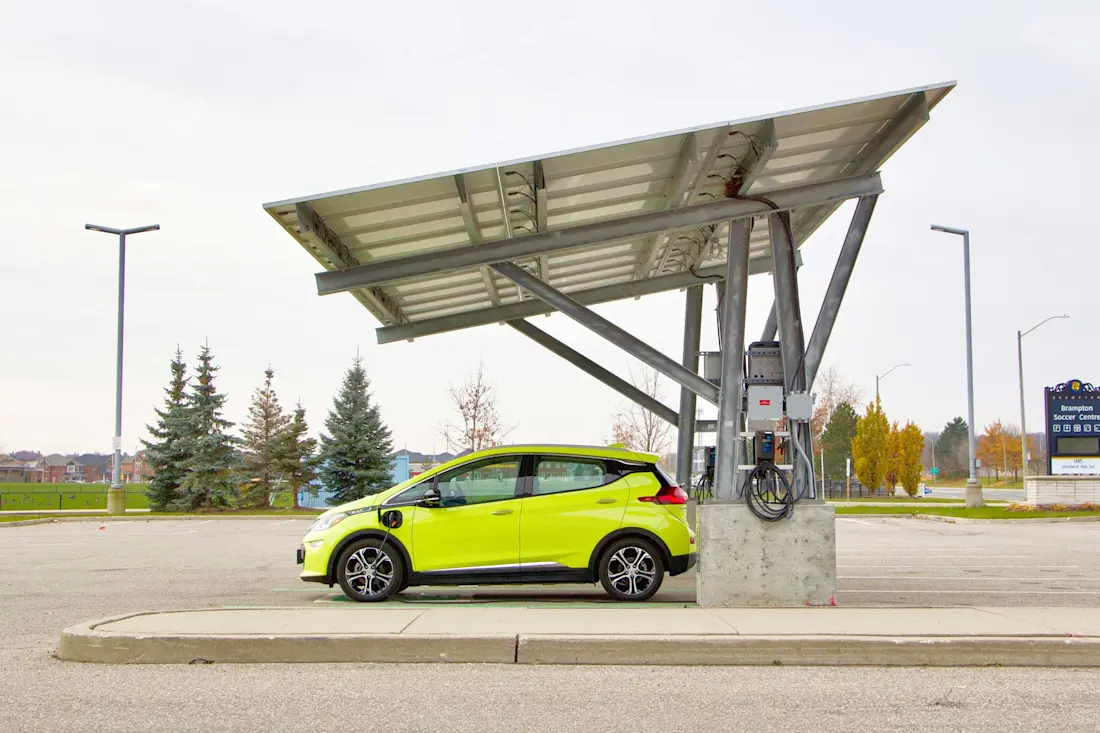
One major reason used EVs offer such strong value is their heavy depreciation. New EVs depreciate rapidly in the early years, partly because of rebates and incentives for new purchases, but also because the general public misunderstands EV longevity and battery life, lowering their perceived value.
The rapid advancement of EV tech can also be blamed. It makes older models with less driving range or longer charge times feel outdated. This means you can often find a late-model EV with advanced features at a lower cost than a similarly equipped gas model.
Buying a used EV means someone else had already paid for and taken the hit for depreciation and you can benefit from it, saving a lot of money in the process.
Growing Used EV Inventory
A surge in 2022 and 2023 models coming off lease has created a surplus, leading to price drops. As a result, used EVs are among the most affordable vehicles available. This supply-demand imbalance is putting buyers in the driver’s seat, with more than half of used EVs now priced under $35,000.
With greater inventory and more models to choose from, here are four standout used EV buys in Canada to consider.
2017 to 2023 Chevrolet Bolt
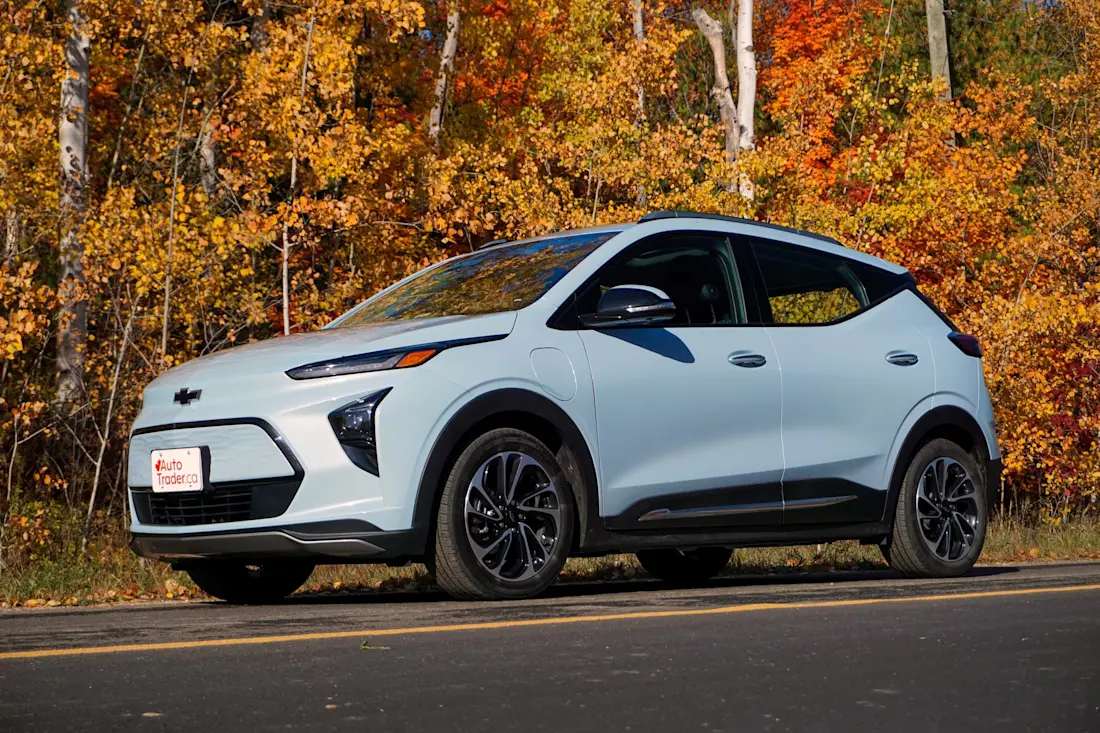
The Chevrolet Bolt EV/EUV is recognized as one of the best-value used EVs, in some models, delivering a real-world range of up to 417 km. Thanks to recent brand-new battery replacements due to a recall (2017 to 2019) and an eight-year factory warranty, it also ensures longer-term confidence. Keep in mind that the electric Chevy’s 55-kW DC fast charging is slower than rivals like the Tesla Model 3 or the Hyundai Kona EV, making the Bolt more suitable for home charging.
2017 to Present Hyundai Kona Electric
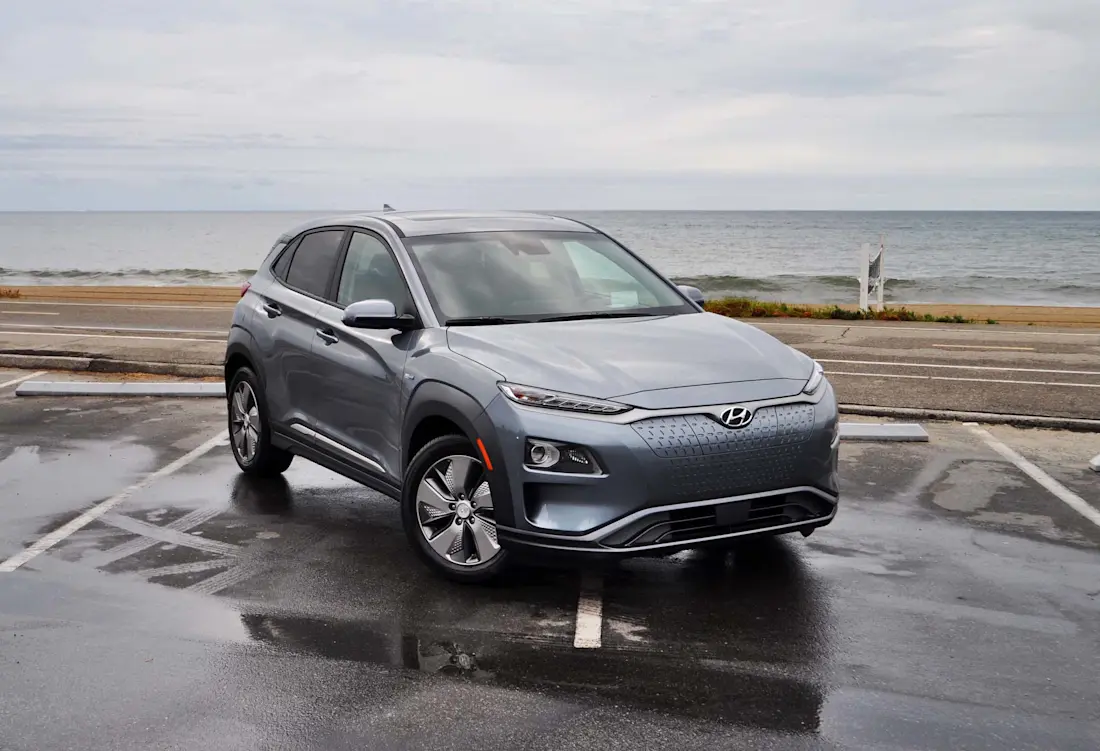
A used Hyundai Kona Electric appeals to those valuing SUV proportions and cold-weather range. With up to 420 km of real-world driving range and agile handling, it rivals the Bolt EV while adding cold-weather capability. Unlike the Bolt, select 2021+ Konas offer a built-in heat pump for superior winter range retention, giving it an edge in Canadian winters.
2017 to Present Tesla Model 3
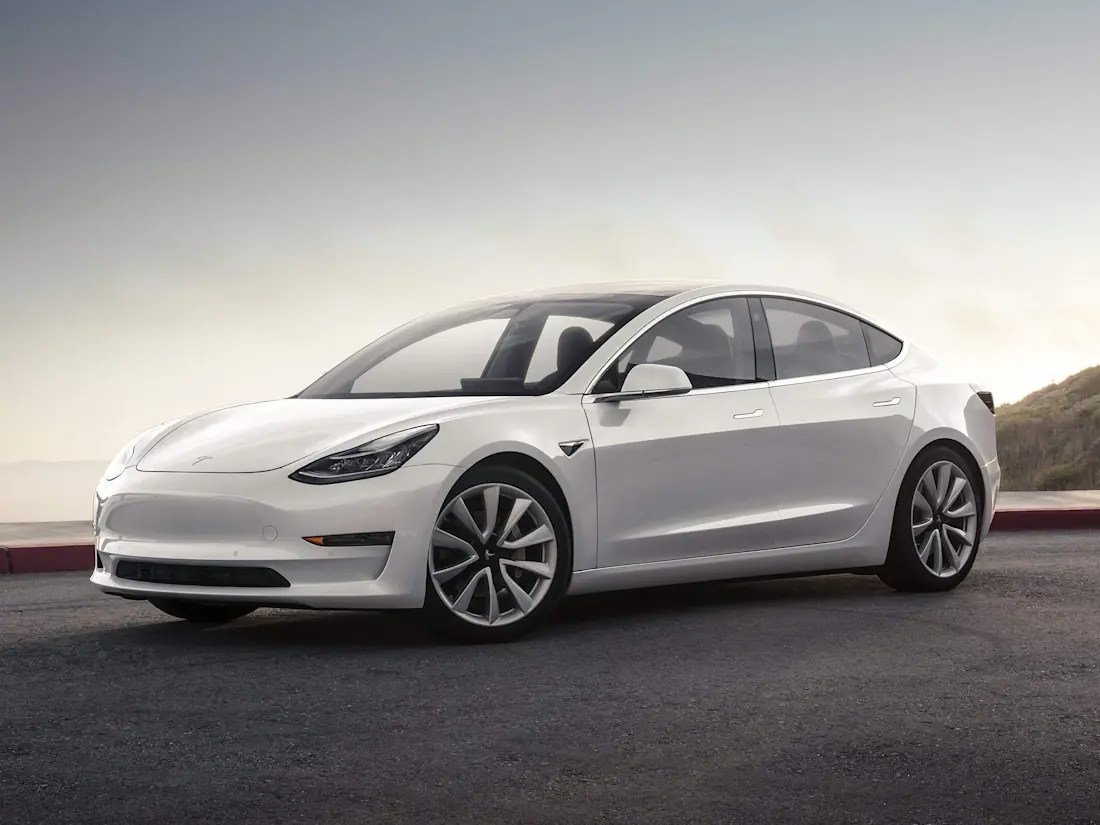
With up to 584 km of range, the Tesla Model 3 is the best used EV option for frequent road-trippers or those without home charging. While depreciated Model 3s have become price-competitive with the Bolt and Kona, Tesla offers widespread, fast Supercharger access and robust winter features such as heated rear seats and remote preconditioning.
2011 to Present Nissan Leaf
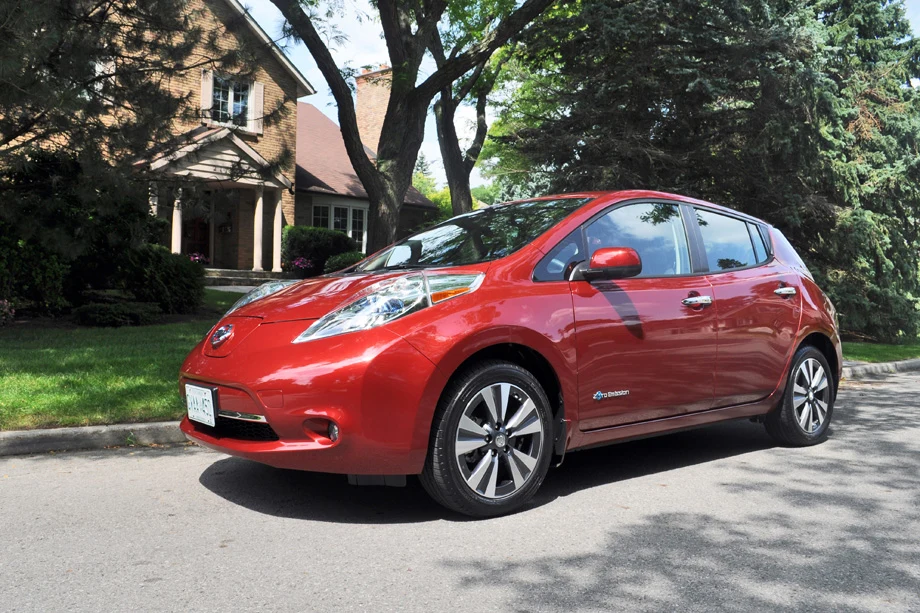
The Nissan Leaf is one of the lowest-cost used EVs available in Canada. It’s also been around the longest, first going on sale for the 2011 model year. The Leaf's range on a full charge has steadily increased from 160 km to 488 km through larger battery packs and several minor improvements. Unlike the Bolt, Kona, or Model 3, the Leaf does not include active thermal battery cooling. It's best reserved for short commutes where value outweighs the winter performance limitations.
Is a Used EV the Perfect Second Car?
For buyers seeking value, practicality, and lower running costs, a used EV can be a smart choice. Used EVs can also be an excellent option as second cars for families or daily city commutes. Even older, less expensive models with slight battery degradation can easily handle typical daily driving, and most drivers can recharge overnight using a standard 110V outlet.

All Articles
See all
Used 2008 Acura MDX: 4WD or AWD, Recalls and What to Check
Let's say you're scrolling used SUVs on a cold January night, and a 2008 Acura MDX pops up at a price that looks like a typo.

The EV Cool-Off: Why Are Canadians Hesitating to Go Electric?
Hybrids promise fuel savings without the plug. Here’s why that appeals to Canadian car buyers.
John LeBlanc
Ontario Used Vehicle Information Package (UVIP): Cost, Contents, and When You Need It
Learn the documents, costs, and steps required for the Ontario Used Vehicle Information Package (UVIP) in Canada.