
CUV vs SUV: Which One Is for Me?
 Evan Williams

A CUV, or crossover, is built like a car: one unibody shell. A traditional SUV bolts its body to a separate truck frame. That one difference decides most of the CUV vs SUV question. Pick a crossover for fuel efficiency, ride quality and easy parking; pick a body-on-frame SUV if you tow heavy or drive rough terrain.
Key Takeaways
- A crossover utility vehicle uses unibody construction; a traditional sport utility vehicle such as the 4Runner sits on a separate frame shared with pickup trucks.
- The 2026 Toyota 4Runner, a body-on-frame SUV, is rated to tow 2,722 kg, about 71 per cent more than the 1,588 kg of most 2026 Toyota RAV4 grades.
- NRCan rates the 2026 RAV4 AWD LE at 5.5 L/100 km combined; the gas 4Runner 4WD uses 11.2, more than double.
- NRCan files the 2026 Honda CR-V AWD as a sport utility vehicle but the front-drive CR-V as a station wagon, so the badge tells you less than the frame does.
- In Quebec, crossovers and SUVs both need four winter tires from Dec. 1 to March 15; all-wheel drive is no exemption.
Who This Guide Is For: Shoppers Weighing Crossovers vs SUVs
The line between a wagon and an SUV used to be pretty clear. Not anymore. Toyota Canada calls the RAV4 a compact SUV, and NRCan files it under “Sport utility vehicle,” even though it’s a unibody crossover. Shoppers end up stuck between two labels.
Commuters and Small Families
Most shoppers fall here: commuting, errands and a road trip or two a year. A compact crossover adds practicality, with an elevated ride height and a hatch that swallows a stroller.
If you’re also eyeing a truck, our pickup truck vs crossover comparison lays out that trade.
Towers, Cottagers and Trail Drivers
The other group hauls things. A boat, a camping trailer, firewood up a gravel road. These buyers need towing capacity, ground clearance for off-roading and four-wheel drive with a low range. That’s where a rugged, truck-based SUV still earns its place.
What to Know Before You Start: Unibody vs Body-on-Frame
First, a bit of history. The station wagon came first: a sedan with a box on the back instead of a sloping roofline. Then came early sport utility vehicles: trucks with a covered box. Rather than being a car with a box, they were a truck with a box. The crossover arrived when automakers put SUV styling on a car platform.
The origin of the first crossover is still debated.
How a CUV Is Built
A CUV uses unibody construction: the body and frame form one structure, the way a sedan or hatchback is built. Toyota builds the 2026 RAV4 on its TNGA-K platform, the unibody architecture the previous RAV4 also used. Toyota Canada lists the 2026 RAV4 LE at 1,699 kg, about 500 kg lighter than the gas 4Runner.
How a Traditional SUV Is Built
A traditional SUV uses body-on-frame construction. Toyota Canada describes the 2026 4Runner as a body-on-frame SUV on its TNGA-F truck platform, which it shares with the Tacoma, Tundra, Land Cruiser and Sequoia. Toyota Canada says that platform boosts strength. The gas 4Runner’s turbocharged four-cylinder makes up to 317 lb-ft of torque.
Where the Wagon Fits
Even then, it can be tough to define wagon or CUV. Subaru Canada now calls the redesigned 2026 Outback an SUV, and NRCan’s 2026 ratings file both the Outback AWD and the Forester AWD as small sport utility vehicles. With the same 2.5L engine, NRCan rates the Outback AWD at 8.5 L/100 km combined and the Forester AWD at 8.3. Buy what you like.
Step-by-Step Process: Choosing Between an SUV vs Crossover
A few questions narrow it down fast:
- Weigh what you tow. Add the trailer, the boat and the gear, then compare it with the published tow rating.
- Count the seats. Five people point to a two-row crossover; seven need a third row.
- Map your roads. Pavement and snowplowed streets suit a crossover; washed-out trails call for a low-range transfer case.
- Price the fuel. Compare NRCan combined L/100 km ratings, not brochure adjectives.
Towing Capacity and Payload
Towing is the clearest split. Toyota Canada rates the gas 2026 4Runner at 2,722 kg. Its product information lists 1,588 kg for every 2026 RAV4 grade except the LE, which is rated for 794 kg. Light trailers are fine behind a crossover, and here’s how to tow with your crossover safely. Heavier hauling is where you’re choosing a tow vehicle, not a commuter. Passengers and cargo eat into payload.
Cargo Space and the Third Row
Cargo capacity follows no real rule. Toyota Canada’s spec pages list 1,269 litres behind the second row of the gas 2026 4Runner and 1,070 litres in the 2026 RAV4, about 19 per cent more.
Toyota Canada lists the RAV4 as a five-seater, while the 4Runner SR5 is a three-row, seven-passenger model. A sloped roof can also shrink a crossover’s cargo area. Larger crossover vehicles add seating for seven, as our three-row crossovers comparison test shows. The only guideline: boxy is usually bigger, so check the measurements, starting with SUVs with the most cargo room.
Shop SUVs and Crossovers on AutoTrader.ca
Filter by body type, drivetrain and kilometres to see crossovers and SUVs near you.
Costs and Documents: Fuel, Price and Paperwork for CUVs and SUVs
In Toyota’s lineup, the body-on-frame SUV costs more to buy and fuel. At launch in January 2026, Toyota Canada priced the 2026 4Runner SR5 from $55,270 MSRP and the 2026 RAV4 LE AWD from $37,500 MSRP, about 32 per cent less. Prices may have changed; check Toyota Canada for current pricing.
Fuel Consumption in L/100 km
Use NRCan’s fuel consumption ratings to compare. For 2026, NRCan rates the RAV4 AWD LE hybrid at 5.5 L/100 km combined. The 2026 4Runner Hybrid 4WD rates 10.0, about 82 per cent more, and the gas 4Runner 4WD rates 11.2. Both use four-cylinder engines (2.5L in the RAV4, 2.4L turbo in the 4Runner), and the gap holds hybrid to hybrid, so engine size isn’t what separates them.
Documents to Check Before You Buy
Before you sign:
- Read the owner’s manual or the manufacturer’s spec sheet for the exact tow rating and whether it needs a hitch or tow package.
- Run a vehicle history report, such as CARFAX Canada, on any used crossover or SUV.
- Search Transport Canada’s recall database, then enter the VIN on the automaker’s website to see if that vehicle is affected.
- Learn how to read a used crossover ad before you call the seller.
Compare Crossover and SUV Specs Side by Side
Line up towing, cargo and fuel ratings in one view. Pick two models and see where they differ.
Common Mistakes When Comparing CUVs and SUVs
The biggest mistakes come from labels, not vehicles.
Reading the SUV Badge as Body-on-Frame
Automakers use the terms interchangeably. A “midsize SUV” in an ad can just as easily be a unibody crossover. If you need body-on-frame strength, confirm the construction in the manufacturer’s specs instead of trusting the name.
Treating All-Wheel Drive as Off-Road Capability
Every 2026 RAV4 sold in Canada comes with all-wheel drive standard, according to Toyota Canada. All-wheel drive adds traction when you pull away on snow. It doesn’t add ground clearance, skid plates or a locking rear differential. Knowing what to do when things go sideways in an all-wheel drive vehicle matters more than the badge on the tailgate.
All-wheel drive helps you go. Tires help you stop.
Canadian Considerations: Winter Tires, Kilograms and NRCan Labels
Shop in metric: tow ratings in kilograms and fuel use in L/100 km keep brands comparable.
Winter Tires Matter More Than the Body Style
The SAAQ’s winter tire rule requires four winter tires on Quebec-registered vehicles, heavy vehicles aside, from Dec. 1 to March 15 inclusive, crossover or SUV. The fine in Quebec is $200 to $300, plus costs. The SAAQ notes that summer and all-season tires harden and lose grip below 7°C, so fit winter tires elsewhere too.
We’ve also answered nine questions about winter tires.
Why the Minivan Still Wins Some Families
So which should you buy? Unless you’re pinching pennies on fuel or hauling serious weight, it doesn’t matter much. But if you need maximum cargo space or a real third row, buy a minivan. It does both of those things better than either.
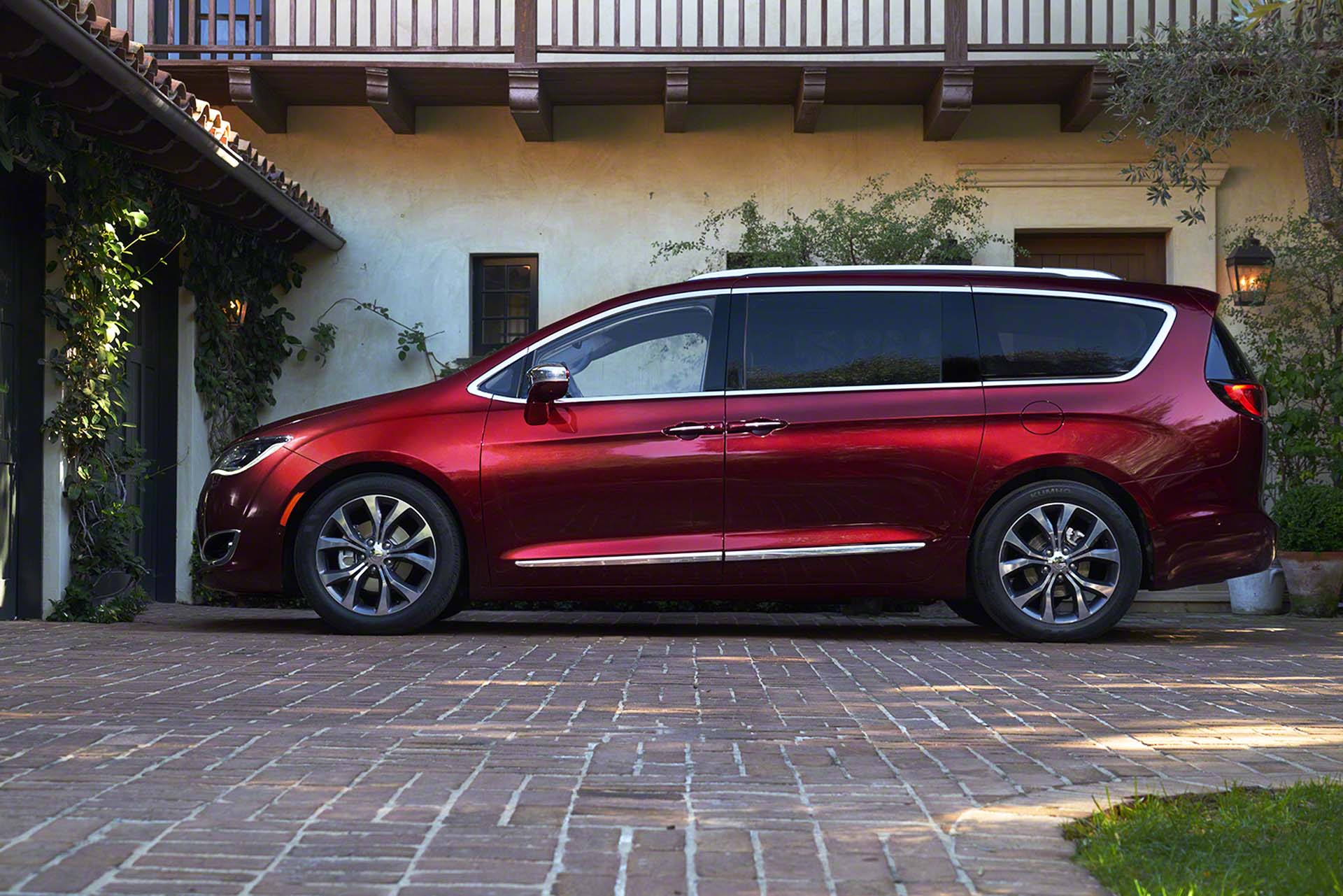
The dark horse winner? Still the minivan.
Find Out What Your Current Vehicle Is Worth
Get a free valuation before you shop. Knowing your trade-in number makes the crossover vs SUV budget easier.
FAQ: CUV vs SUV
Sources
Accessed Oct. 14, 2026
- Natural Resources Canada: Fuel Consumption Ratings
- Natural Resources Canada: Understanding Fuel Consumption Ratings
- SAAQ: Winter Preparation
- Transport Canada: Stay Informed About Recalls of Vehicles, Tires and Child Car Seats
- Toyota Canada:
- 2026 RAV4 Specifications (toyota.ca)
- 2026 4Runner Specifications (toyota.ca)
- Now on Sale: 2026 Toyota 4Runner (media release, Jan. 26, 2026)
- The Canadian-built RAV4 is all-new for 2026, and offered at suggested prices that deliver excellent value (media release, Jan. 5, 2026)
- Toyota Motor North America: Five Things To Know About the All-New 2026 Toyota RAV4 (Aug. 27, 2025)
- Toyota Motor Corporation: All-New 2019 Toyota RAV4 Serves Up a Breakthrough Debut at New York International Auto Show (March 28, 2018)
- Subaru Canada: Subaru Canada Reveals Pricing of Value-Packed 2026 Outback (media release)
- AutoTrader editorial:
- Pickup Truck vs Crossover: Which is Best for You?
- What Was the First Crossover Ever? The Evidence is Unclear
- Who Needs a Truck? Here’s How to Tow with Your Crossover
- Choosing a Tow Vehicle: Want vs. Need
- Comparison Test: Three-Row Crossovers
- Top 5 SUVs with the Most Cargo Room: 2023
- How to Read a Used Crossover Ad
- What to Do When Things Go Sideways in a Front-, Rear-, or All-Wheel Drive Vehicle
- Answering 9 Questions About Winter Tires

All Articles
See all
Used 2008 Acura MDX: 4WD or AWD, Recalls and What to Check
Let's say you're scrolling used SUVs on a cold January night, and a 2008 Acura MDX pops up at a price that looks like a typo.

The EV Cool-Off: Why Are Canadians Hesitating to Go Electric?
Hybrids promise fuel savings without the plug. Here’s why that appeals to Canadian car buyers.
 John LeBlanc

Ontario Used Vehicle Information Package (UVIP): Cost, Contents, and When You Need It
Learn the documents, costs, and steps required for the Ontario Used Vehicle Information Package (UVIP) in Canada.