
Unexpected Costs to Consider Before Buying a Car
 John LeBlanc

Budgeting for your next new or used car is about more than just the purchase price or monthly payment. While most buyers take into account car ownership costs like gas, insurance, and maintenance, be careful not to overlook the ongoing or hidden costs lurking beneath the surface that might turn a great deal into a pain in your wallet. Read on to discover the sometimes hidden costs of buying a car so you’re not hit by any surprises.
The Advertised Price is Just the Start
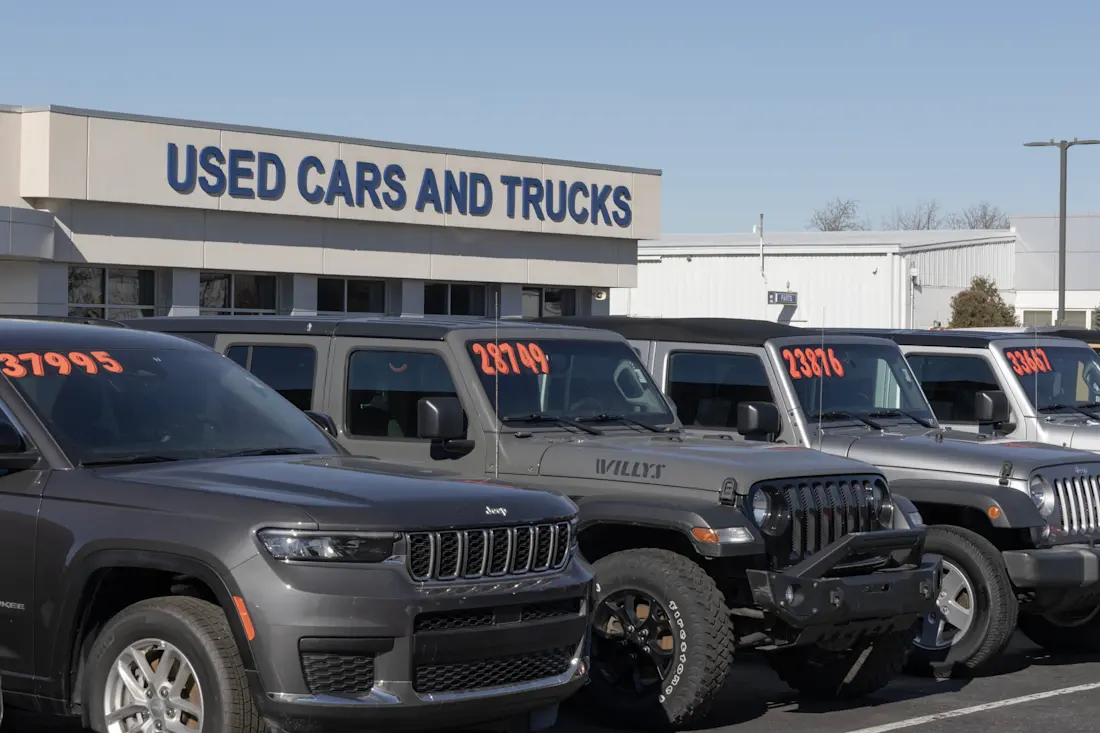
Many buyers can justify the cost of a new or used vehicle based solely on the advertised sale price. Used vehicles come with fewer upfront costs, however, shrewd buyers already know that a new car’s MSRP (Manufacturer’s Suggested Retail Price) is just the first line item on a long list of fees that can quickly add up.
As an example, let’s break down the numbers on Canada’s top-selling new car, the 2026 Honda Civic.
Based on current Ontario pricing, the least expensive 2026 Civic LX sedan has an MSRP of $28,340. First, you’ll need to add freight and pre-delivery inspection ($1,830), the federal air conditioner fee ($100), a tire duty ($22.50 to fund authorized recycling and disposal programs), the Ontario Motor Vehicle Industry Council charge ($22.50), an environmental fee ($1), a dealer fee ($1,000, which is vastly variable), and a provincial registration fee (in Ontario, $32 but $59 if you need licence plates for your car).
Add it up, and the Civic’s price is sitting at $31,407, or about 11 per cent over the base Civic’s advertised MSRP.
But don’t put away your calculator just yet.
Now add in HST ($4,071).
Finally, the price of a 2026 Honda Civic LX rings in at $35,342, roughly 25 per cent more than the original MSRP.
After agreeing to a price with the salesperson, you’ll be shuffled off to finalize your deal with someone in the dealer’s Finance & Insurance department. While the sales department focuses on the price of the car, the F&I team focuses on the monthly payment, and here’s where you might get hit with more costs through extended loan terms and expensive, optional products, including VIN etching (a theft-deterrent process that permanently engraves a vehicle’s identification number onto its windows and windshield), paint protection, or extended warranties and service contracts. While sometimes useful, these extras are often overpriced. You can usually buy them later or skip them if buying a reliable used car or a new vehicle with a comprehensive manufacturer's warranty.
You’ve Paid for the Car, Now You Have to Pay (More) to Drive It
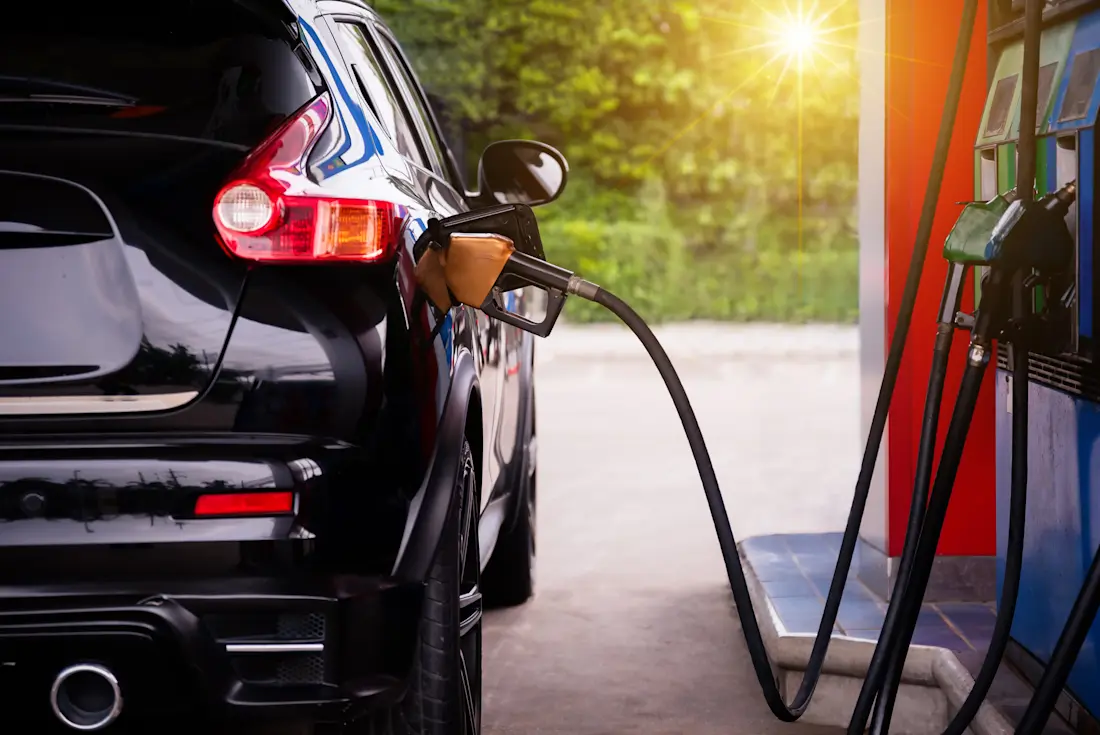
Now that you’ve sussed out any hidden costs in the initial purchase of your vehicle, it’s only a fraction of the total expense of owning a car over time. Ongoing costs (fuel, insurance, maintenance, highway tolls, and parking) can easily add up to thousands of extra dollars annually.
First, gasoline prices at the pumps are rising, so it’s becoming more important to consider how much or how little your new car consumes, especially if you have a long commute. Plus, many vehicles have engines that require more expensive premium fuel. For the Civic, expect to budget around $2,000 for annual fuel costs if you drive about 20,000 km a year.
If the rising price of fossil fuels is making you consider an electric vehicle (EV) as your next car, the premium price of EVs generally makes financial sense when operating costs are factored in, particularly over a five- to seven-year ownership period. While upfront costs are often $5,000 to $8,000 higher than comparable gas models in 2026, the lower cost of electricity and maintenance can offset those costs, resulting in a lower total cost for owners. Keep in mind that this depends heavily on your ability to charge at home.
Next, don’t forget to include the ongoing costs of insuring and registering your vehicle with your province. Anyone who’s recently renewed their car insurance would likely have been shocked by how much their premiums have increased. A newer, faster, or more expensive car could drastically increase insurance rates and provincial registration fees.
Additionally, depending on how far you drive your car, you may need to pay tolls to cross bridges, ferries, or use pay-per-use highways. For 2026, the average driver's annual cost for Ontario’s Highway 407 ETR depends heavily on usage. But daily commuters can pay up to $1,700 per month ($20,000 per year), depending on the distance travelled.
Finally, one budget item many car owners overlook is parking costs. Whether for a spot where you live or work or at a sports or entertainment event, parking fees can add up fast. And don’t forget about potential parking tickets or traffic fines.
Maintaining and Caring for Your Car Costs Money, Too
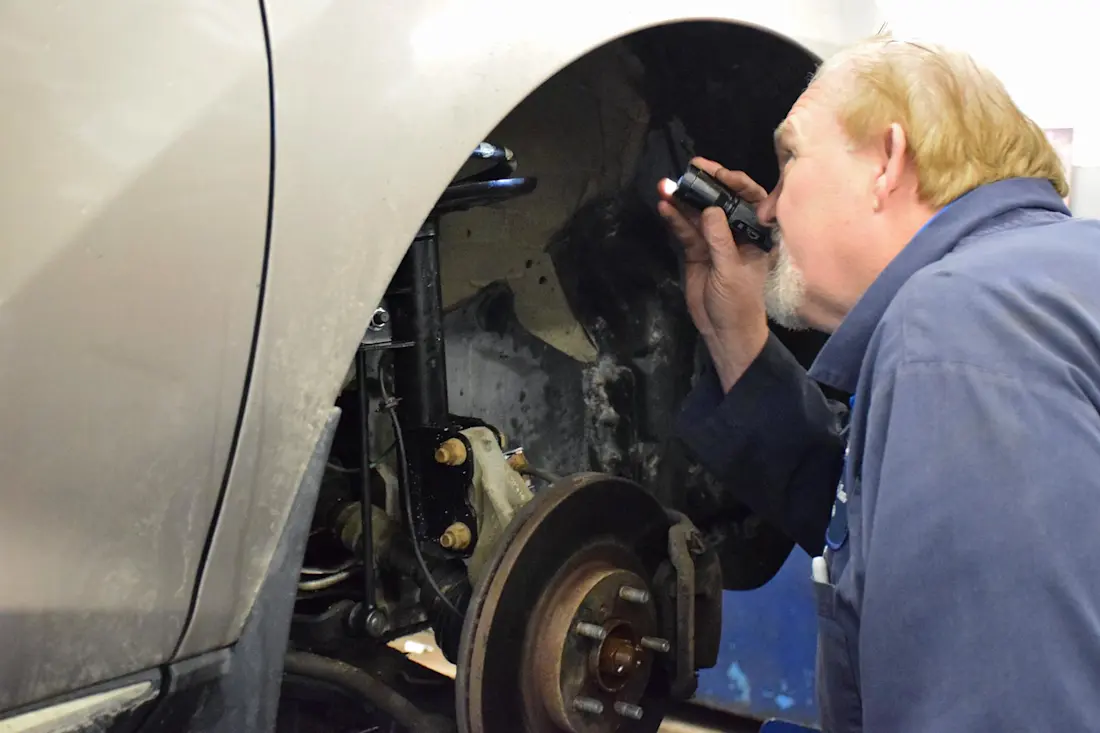
When it comes to scheduled maintenance costs, luxury brands often have higher routine maintenance costs (oil changes, filter changes) than mainstream brands. They may also require special synthetic oils or transmission fluids, or have specialized suspension systems that are more expensive to repair.
High-performance cars have expensive brake pads and rotors that wear out more quickly. The same goes for what the industry calls “the big wheel penalty.” Larger, low-profile wheels and tires look great but cost far more to replace than standard tires. Larger wheels also negatively impact fuel economy, and larger winter tires also cost more.
Higher-end cars often require more meticulous care, premium car washes, or detailing to maintain their value. And while EVs may save on your energy bills, their torque-rich electric motors can wear out their tires faster than comparable gas models.
Then there are the Black Swan intangibles of owning a car.
Once the manufacturer's warranty expires, unexpected repairs can cost thousands of dollars. Or, if you get into a collision, your insurance deductibles might be higher than you anticipated.
Do Your Homework to Avoid Hidden Car Ownership Costs
On average, it costs Canadians approximately $16,500, or about $1,400 per month, to drive a vehicle. But you can prepare in advance to avoid unexpected or hidden costs. Start by ensuring the vehicle’s final purchase or monthly payment costs are comprehensive and clear before signing on the dotted line. Next, get an insurance quote for the car’s specific VIN. Then, research the five-year maintenance cost of that make/model, including the vehicle’s consumable items, like fluids and tire replacements, online. Finally, verify the fuel type (premium vs. regular) and whether going electric makes financial sense.

All Articles
See all
Used 2008 Acura MDX: 4WD or AWD, Recalls and What to Check
Let's say you're scrolling used SUVs on a cold January night, and a 2008 Acura MDX pops up at a price that looks like a typo.

The EV Cool-Off: Why Are Canadians Hesitating to Go Electric?
Hybrids promise fuel savings without the plug. Here’s why that appeals to Canadian car buyers.
John LeBlanc
Ontario Used Vehicle Information Package (UVIP): Cost, Contents, and When You Need It
Learn the documents, costs, and steps required for the Ontario Used Vehicle Information Package (UVIP) in Canada.