
Is It a Good Idea to Buy a Car That’s Being Discontinued?
 Benjamin Hunting

Maybe this has happened to you. You’re at a dealership looking at new cars and SUVs, and you see a current model year vehicle with a serious discount showing on its window sticker. When you ask why, the salesperson tells you that it’s being discontinued, and that they’re very motivated to get that car out the door.
Cars are discontinued for many reasons. Sometimes, the model is replaced by a newer version built on a different platform, or it represents a trim level that’s been sliced off the order sheet. Slow sales can also doom a vehicle, which might be out of step with the direction the automaker is heading, or with what’s popular among buyers at that particular moment. A car is rarely cancelled specifically because it’s “bad” — more often, it’s due to a combination of business decisions, market realities, and cost calculations that convince an automaker to move on.
Is it a good idea to buy a car that has been cancelled? Or are you setting yourself up for future problems? Here’s a look at the advantages and potential downsides of shopping for a discontinued model.
Pro: You Can Usually Score a Decent Deal
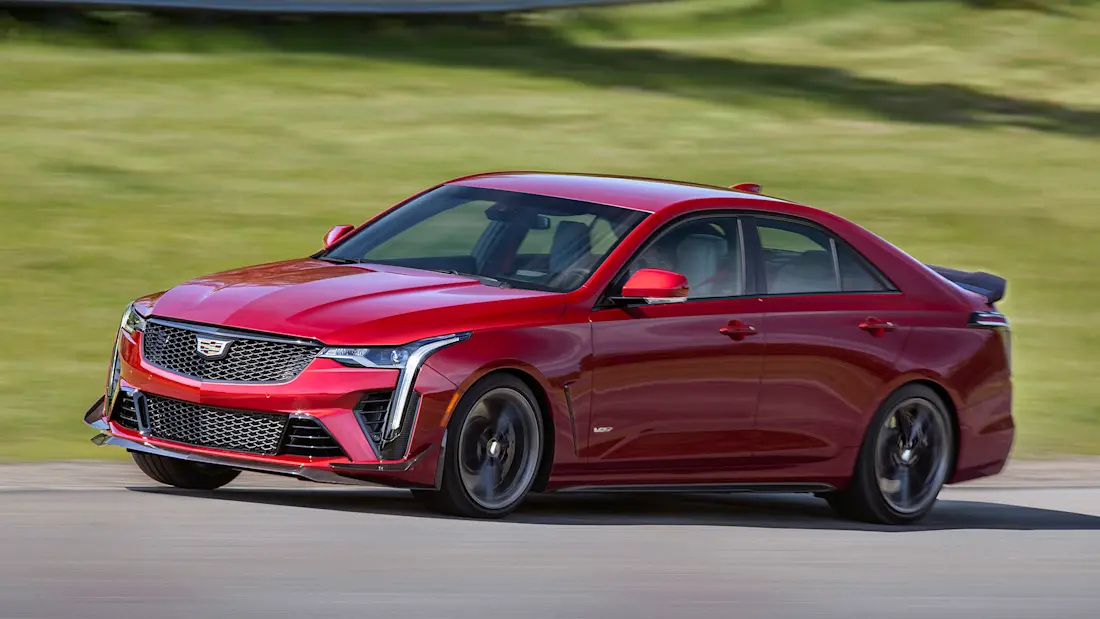
Often, when it is announced that a vehicle is being discontinued, dealers work hard to clear any remaining inventory from the lot as quickly as possible.
There are a couple of reasons for this. The longer a cancelled car sits in the showroom, the harder it becomes to sell, as the brand dials back any advertising associated with the vehicle and it fades from customers' consciousness. Then there’s the need to free up the physical space these autos occupy once replacement models start pouring in.
This means savvy shoppers can typically score much better deals on a discontinued vehicle. In addition to being open to aggressive discounts — sometimes as much as 20 per cent lower than the advertised price — dealers are often willing to be much more friendly with financing terms, with low or even zero per cent financing in the cards to help get these models out the door.
This is occasionally combined with cash incentives from the manufacturer itself, designed to reduce prices further and push these vehicles off the lot (while also placating potentially disgruntled franchisees forced to liquidate stock).
Con: Those Savings Might Be Balanced Out at Resale Time
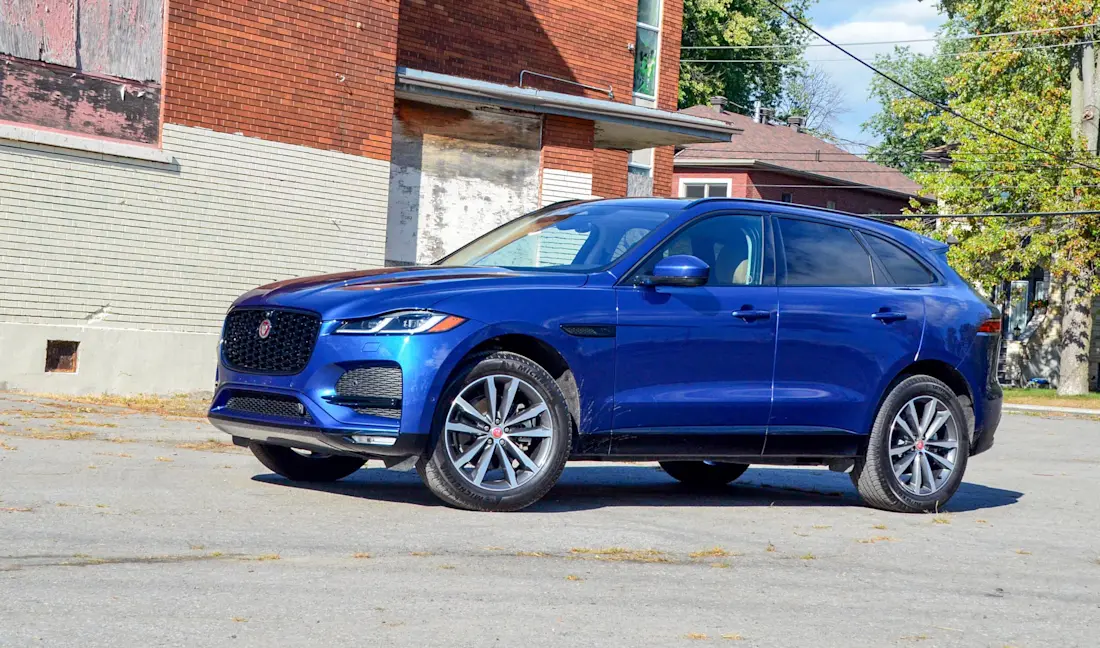
There’s a flipside that balances out that great deal on the initial purchase of a discontinued car, but it’s one that’s typically delayed until many years down the road.
When it comes time for you to move on from the vehicle, you may encounter a used market that isn’t all that interested in it. Some of this stems from the same problem the dealer was trying to avoid when they unloaded the car on you: the vehicle in question has largely faded from potential buyers' minds because, once it was discontinued, all advertising associated with that particular nameplate disappeared. This shrinks the pool of potential shoppers actively searching for what you have.
Even buyers who are aware of your vehicle’s existence might be wary for other reasons. Some might have ill-informed ideas about why the vehicle was removed from the lineup, thinking it was somehow problematic or unreliable. Others might be concerned about how well that model is still supported after it has been off the docket at the corporate mothership for so long (more on that below).
Either way, you could be looking at higher depreciation and a lower-than-expected resale value attached to these types of vehicles.
Pro: Parts Won’t Be a Problem for a Good Long Time
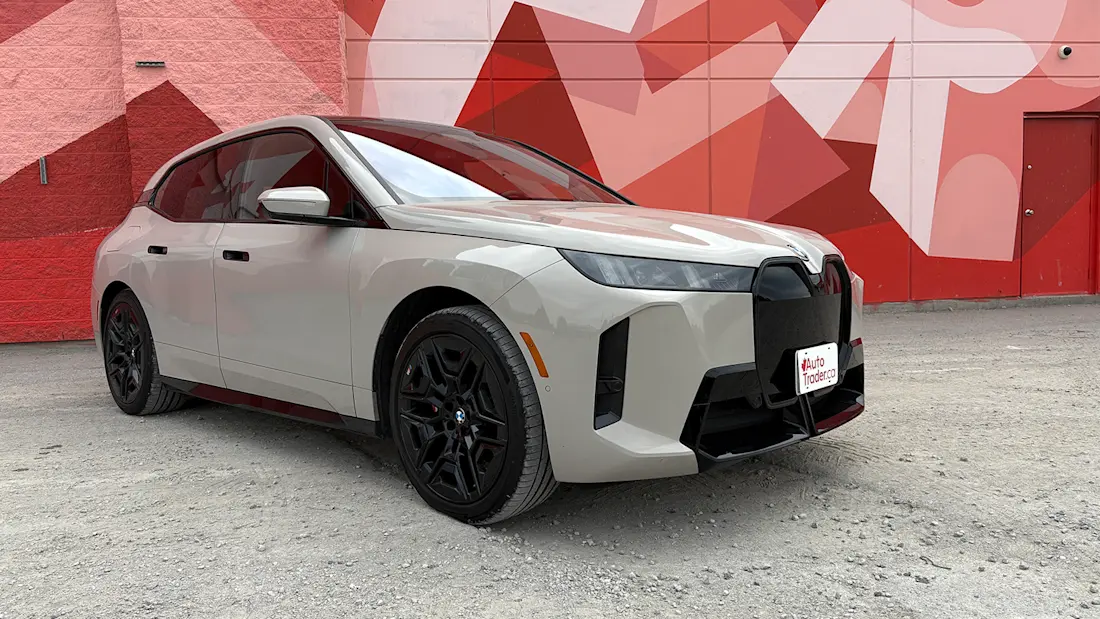
Perhaps the single biggest worry when buying a cancelled car is the fear that parts will become increasingly difficult to find over time.
There’s a kernel of truth at the core of this concern (which we’ll address in the next section), but in the medium term, you have nothing to worry about. While there’s no specific number of years codified into law that requires an automaker to keep replacement parts available after a vehicle has been sold, several pieces of legislation — such as the Magnuson-Moss Warranty Act in the United States — do dictate the rules governing warranty repairs.
As warranties get longer and longer for certain components, parts availability often remains strong for up to a decade after the date of sale. That’s been the general interpretation of the “reasonable amount of time” verbiage embedded in the Act concerning warranty items, and it has bled over to other parts that might not have initially been covered by a lengthy warranty, becoming an industry norm.
Think of it this way: if you purchased the last model year of a vehicle just before it was completely redesigned, would you have the same fears about being able to source parts in the future? Probably not, even if the vehicle that replaces it shares almost nothing with its predecessor.
Con: Eventually, Parts and Service Might Be a Problem
Time is undefeated, and not just in the boxing ring. Over a long enough period, there’s a chance that a discontinued vehicle’s parts supply shrinks more quickly than that of one that’s still on sale. You may also have difficulty finding a mechanic with direct experience working on your specific vehicle, especially at a dealership that’s mostly focused on servicing late-model machines.
How long are we talking here? Think 15 to 20 years. If you don’t plan to own the vehicle for that long, you have nothing to worry about. As mentioned above, however, these kinds of worries can affect resale value, so you might want to consider moving on before this period hits.
There are also a few mitigating factors to take into account that could keep parts flowing for your vehicle well past when most supply lines start to shrink. Most cancelled cars don’t leave the market because they were popular, but if your model had a very strong and established ownership base, then there’s a good economic argument for both the automaker and the aftermarket to keep producing parts.
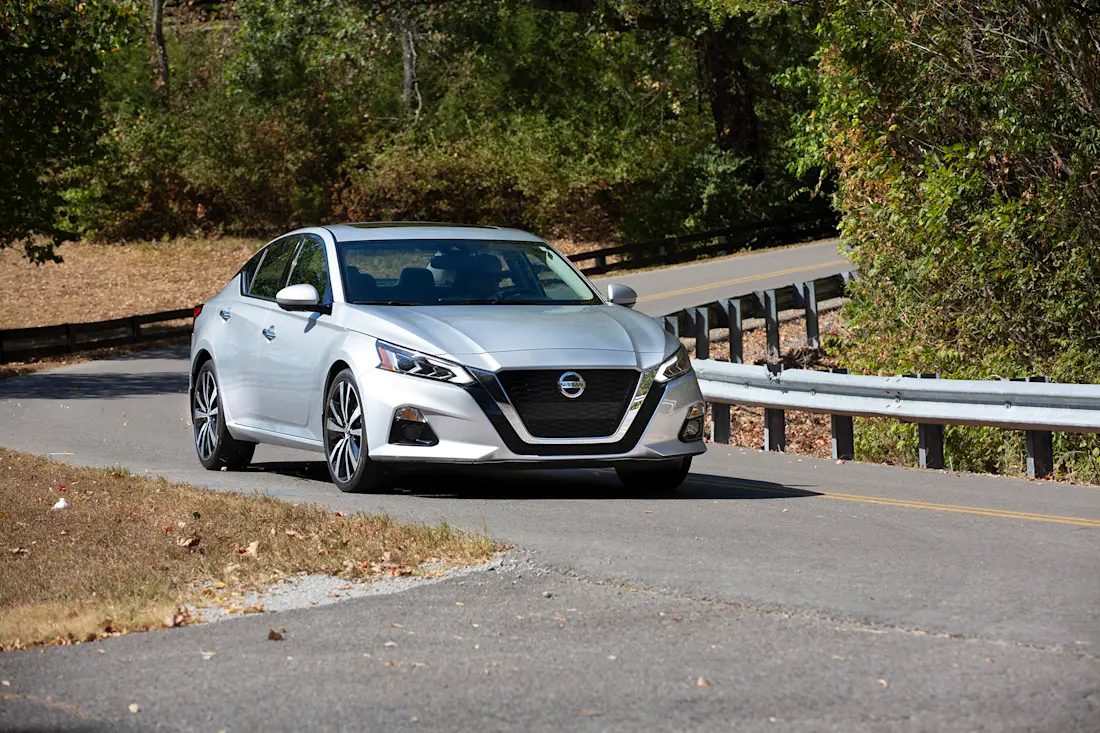
How can a car have hundreds of thousands of owners, yet still get sliced from the showroom? Most of the time, it’s because they had very strong fleet sales. Models like the Ford Crown Victoria (a paragon of the taxi industry), Lincoln Town Car (the same, but more upscale), and the Nissan Altima (a rental counter stalwart) were purchased in huge numbers by corporate customers who needed (or still need) parts to keep them on the road.
Cars that share their platforms with models that kept moving forward into the future also have a better chance of at least some parts outlasting the typical draw-down. It’s worth investigating potential parts swapping with other vehicles if you’re concerned about running out of options as time goes on.
Do Your Diligence, But Generally, You Have Little to Worry About
Buying a discontinued car gives you the benefit of a big discount up front, which is definitely appealing at a time when new vehicles are increasingly expensive.
Depending on how long you plan to own that automobile, you may have to deal with lower resale value down the road, or you might run into difficulties sourcing certain parts over a very long timeline. It’s up to you to determine whether that will impact your purchase decision, and whether there are any mitigating factors specific to the vehicle you are looking at that might soften those risks.

All Articles
See all
The EV Cool-Off: Why Are Canadians Hesitating to Go Electric?
Hybrids promise fuel savings without the plug. Here’s why that appeals to Canadian car buyers.
 John LeBlanc

Ontario Used Vehicle Information Package (UVIP): Cost, Contents, and When You Need It
Learn the documents, costs, and steps required for the Ontario Used Vehicle Information Package (UVIP) in Canada.

2018 Dodge Charger GT AWD: Specs, Horsepower and Used-Buying Guide
Learn what to check before buying a 2018 Dodge Charger GT AWD, including reliability, common problems, pricing and ownership costs.