
Is a Cheap Used Luxury Car Worth Your Money?
 Michael Karant

Let's say you’re browsing for a used car on AutoTrader and you have a budget of around $20,000, or about the same amount you’d spend the cheapest new car on sale today. You’re not brand-conscious, but after setting the budget filter, you’re astonished by how many pre-owned BMWs, Porsches, Audis, Lexuses, and many other luxury cars are available at relatively low prices. Perhaps you can’t help but wonder if you should consider buying one of these heavily depreciated used luxury cars instead of something more sensible.
Luxury cars suffer from greater initial depreciation in their first few years compared to other models, meaning you can buy a used one for roughly the same price as a mainstream model, which is an enticing proposition. As someone who’s owned nothing but cheap used European luxury cars, here’s what I’ve learned.
Why Consider a Used Luxury Car?
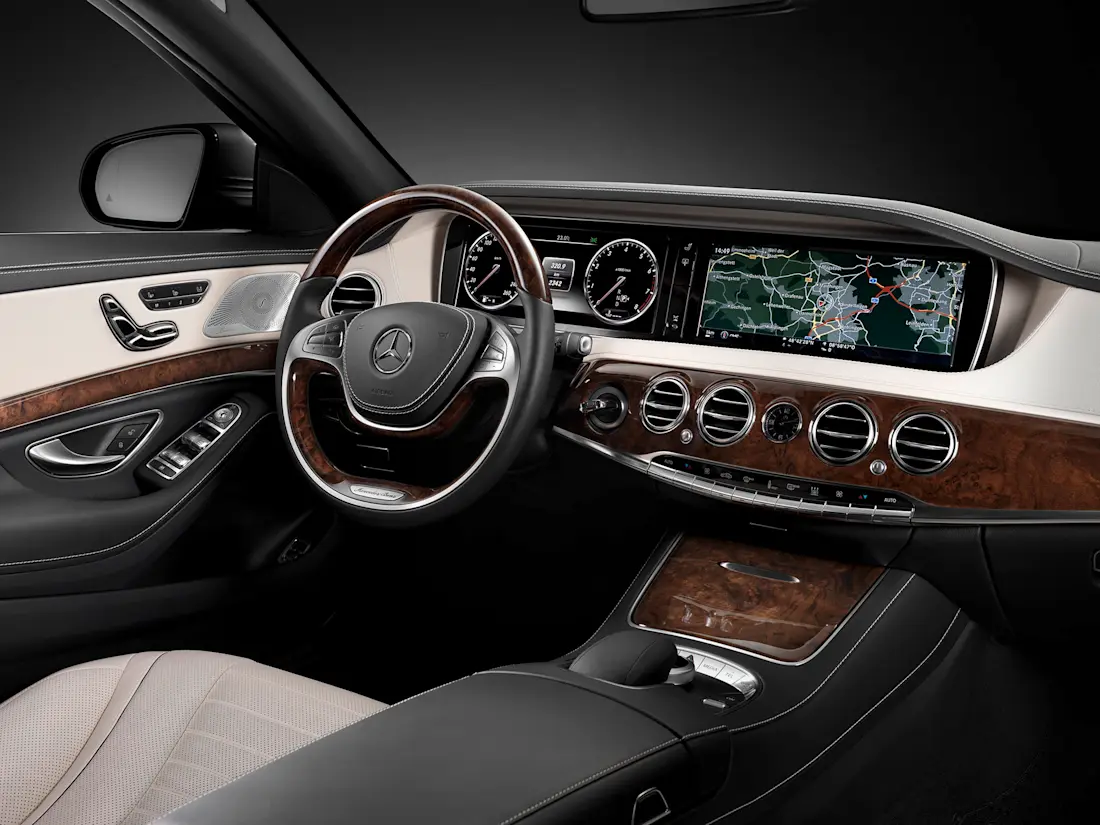
A used luxury car can be a big draw. Luxury models typically offer greater performance than mainstream vehicles as well as greater levels of interior refinement, comfort, and more features. Then there’s the driving experience, with a smooth ride that makes these cars feel more effortless.
There is also the question of badge, with models from premium brands typically associated with prestige. For the money, a used luxury vehicle can simply be more interesting than something from a more mainstream brand. Would you rather pull up to your next function in a Mercedes or a Chevrolet?
Flagship or Entry-Level?
Not all luxury cars are built equal; premium brands offer a broad range of models that differ significantly in the experience they provide. For example, an entry-level Mercedes A-Class will not deliver the same experience as the flagship S-Class. The caveat is that while you can get examples of both cars for about $20,000, the S-Class will likely be older — likely more than 10 years old — and have higher mileage than a similarly priced A-Class that’s about five or six years old.
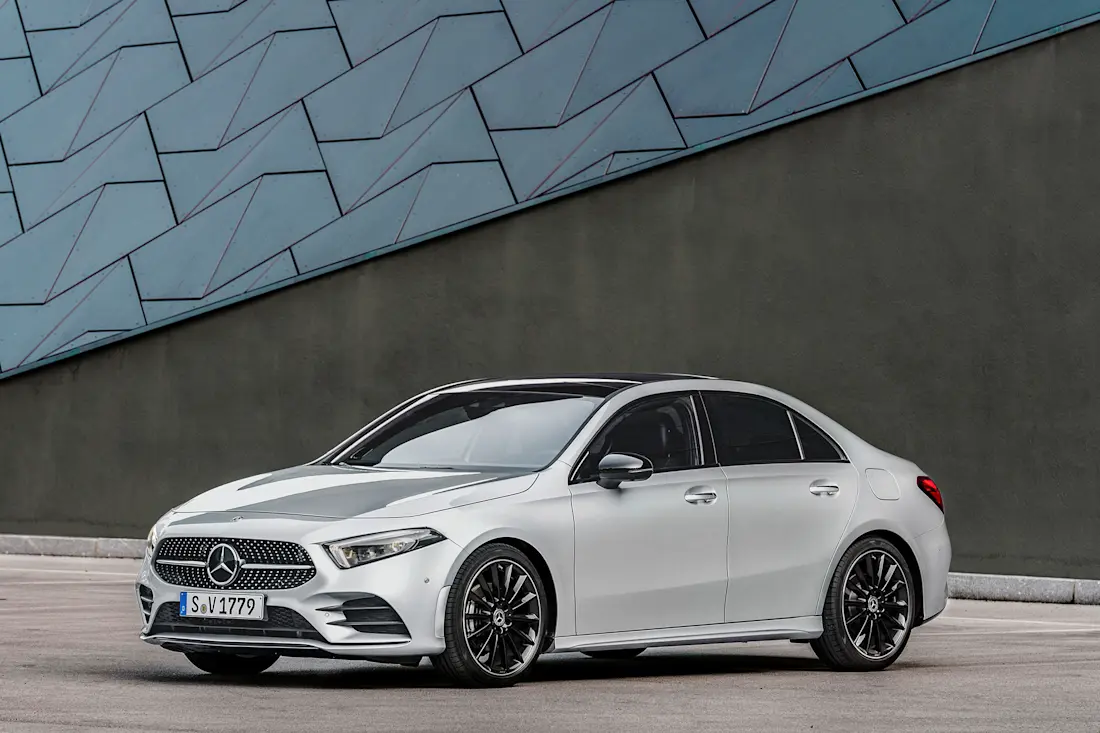
Both wear the same badge, but if you’re seeking a truly luxurious experience, then the older S-Class will be more impressive. The materials used and the powertrain still hold up, delivering exceptional performance despite the vehicle's age; after all, they once had a six-figure price tag. Meanwhile, the A-Class will feel like a nicer economy car, with more conventional features and perhaps a bit more performance than a mainstream model, but still delivering a more upscale experience.
What About Reliability?
Naturally, the S-Class is a far more complex vehicle, and while its price tag matches the A-Class, its required maintenance does not, as complex systems like air suspension, soft-close doors, and electronics can fail and are still expensive to fix. The rule is simple: the more bells and whistles a car has, the more can go wrong.
It's important to understand that while a luxury car may be “cheap,” its maintenance is not, especially when compared to far simpler mainstream cars. The higher a car’s initial price, the more expensive its maintenance will be, as parts and labour costs don’t depreciate the same way a car does.
Considering luxury cars come from many different manufacturers and in all shapes, sizes, and prices, reliability largely depends on which model you buy. Any car can be made reliable with the right amount of maintenance, however, you don’t want the money spent on maintenance to exceed the cost of the vehicle.
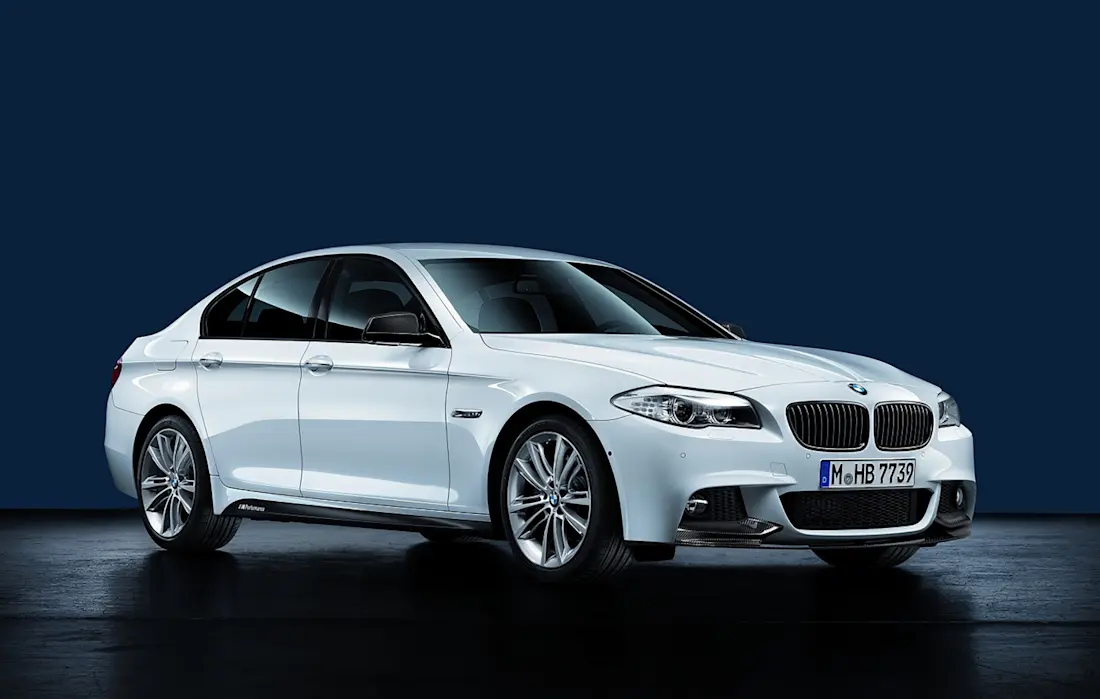
This is why research is key. If a certain model interests you, do your due diligence and find out what common problems to watch for beyond basic upkeep, as well as how much they’ll cost to repair. It's also important to look for a vehicle with service records to confirm whether it was regularly maintained.
If a car is known to be difficult to maintain, you can simply avoid it and look for a vehicle with higher reliability ratings. A good indicator of reliability is the median mileage you see in secondhand examples; if there are plenty of listings with over 200,000 km, then there is a good chance the vehicle is generally reliable.
Higher-trim compact or midsize models often strike a balance between reliability and luxury, as they are widely popular and share many components across the brand’s lineup, meaning parts should be readily available.
Is It Actually Worth It?
The choice to buy a depreciating luxury car can be tough and depends on your financial stability and what you prioritize in a vehicle. If you want something with personality, a cushy ride, and a well-appointed interior, it can definitely be worth it. But it's important to understand that cheaper luxury cars require more funds to operate, from maintenance to regular expenses like premium fuel.
Committing to a depreciated luxury car doesn’t necessarily mean buying the cheapest Bentley on the market and going bankrupt trying to maintain it, as there are plenty of affordable luxury vehicles worth considering that aren’t a headache to own.
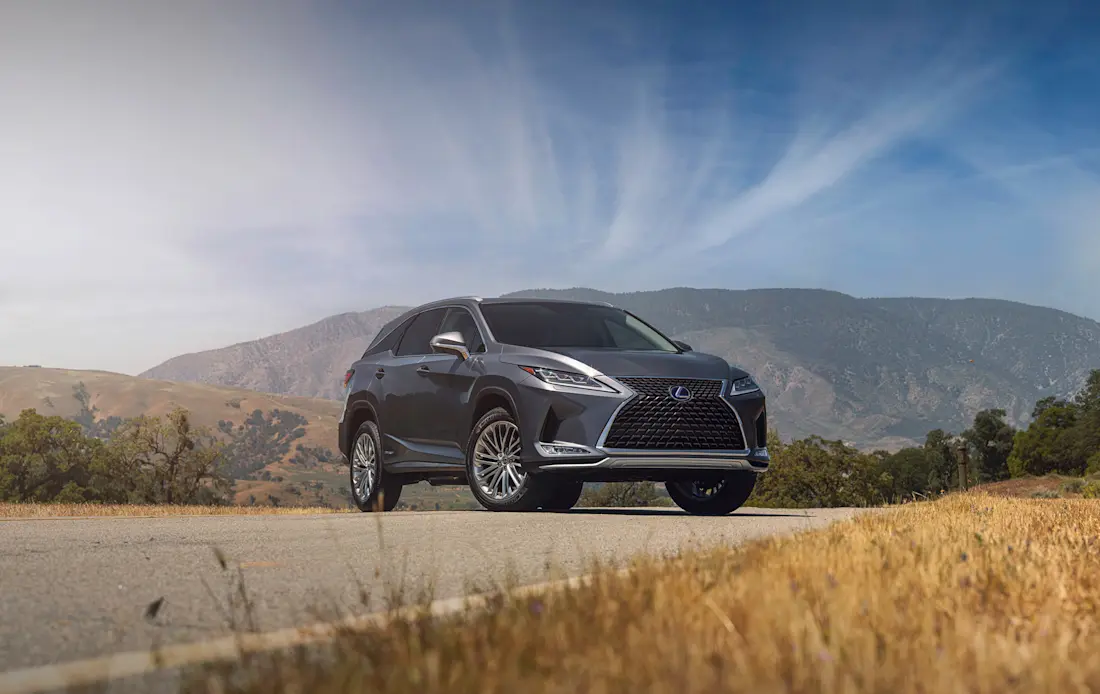
Japanese luxury brands use their mainstream platforms to create luxury models, meaning their highly prized reliability ratings remain; think the Toyota RAV4 and Lexus RX, which are built on the same platform. Driving a model like this may not deliver the highest levels of luxury or innovation, but it still offers a far nicer interior and a more refined drive compared to the model on which it's based. Models from Lexus and Acura are excellent choices for cheap used luxury cars, as they largely avoid the pitfalls of being unreliable.
Opting for a German luxury vehicle is generally a riskier venture, as German automakers sell luxury models with no cheaper counterparts on which they’re based. This makes parts more expensive by default and, in turn, increases maintenance costs. These models also take luxury to the next level with more innovative technology and a far greater emphasis on performance inside and out. Cars like this can be a considerable gamble: the probability of higher repair bills is much higher, but the driving experience might be worth it.
Generally, avoiding both very cheap and very high-end models is a strong approach. Getting into a Range Rover for $15,000 may seem like the deal of a lifetime, but remember, repair bills for a once-six-figure car don’t change.
I have owned two Mercedes models, both over 20 years old, a taste for which I developed from my dad, who has also owned a hoard of older German luxury vehicles. The cost of ownership is definitely expensive for these types of vehicles, with the highest potential costs coming from the powertrain. Finding a model with a tried-and-tested powertrain is the secret: one with ample parts availability and a reputation for going the distance when well-maintained.
Doing thorough research into a vehicle's reliability and common problems is extremely important, as that will help you avoid — or at least prepare for — those expensive repair bills in the long run. If you are prepared to deal with that and you budget smartly, a cheap used luxury car can be a huge source of pride and joy for you.

All Articles
See all
Used 2008 Acura MDX: 4WD or AWD, Recalls and What to Check
Let's say you're scrolling used SUVs on a cold January night, and a 2008 Acura MDX pops up at a price that looks like a typo.

The EV Cool-Off: Why Are Canadians Hesitating to Go Electric?
Hybrids promise fuel savings without the plug. Here’s why that appeals to Canadian car buyers.
 John LeBlanc

Ontario Used Vehicle Information Package (UVIP): Cost, Contents, and When You Need It
Learn the documents, costs, and steps required for the Ontario Used Vehicle Information Package (UVIP) in Canada.