
Do Plug-In Hybrids Make Sense For Rural Canadians?
 Benjamin Hunting


Plug-in hybrid vehicles (PHEVs) tantalize with the promise of being the best of both worlds: a large enough battery to handle a substantial amount of daily driving on electric power alone, backed by a gas engine that can kick in to power longer trips. Effectively, PHEVs beat back range anxiety among the EV-curious by offering fuel-station fill-up capability when venturing far from home.
What happens, however, if you live in a more rural area where most of your driving takes place across distances that most urban drivers don’t have to deal with — and that might tax the electric driving range built into the typical PHEV battery? Are plug-in hybrids a class of vehicle best suited to city dwellers who can take advantage of short-haul itineraries and ample recharging opportunities, or can they also benefit owners who live far away from the nearest metropolis?
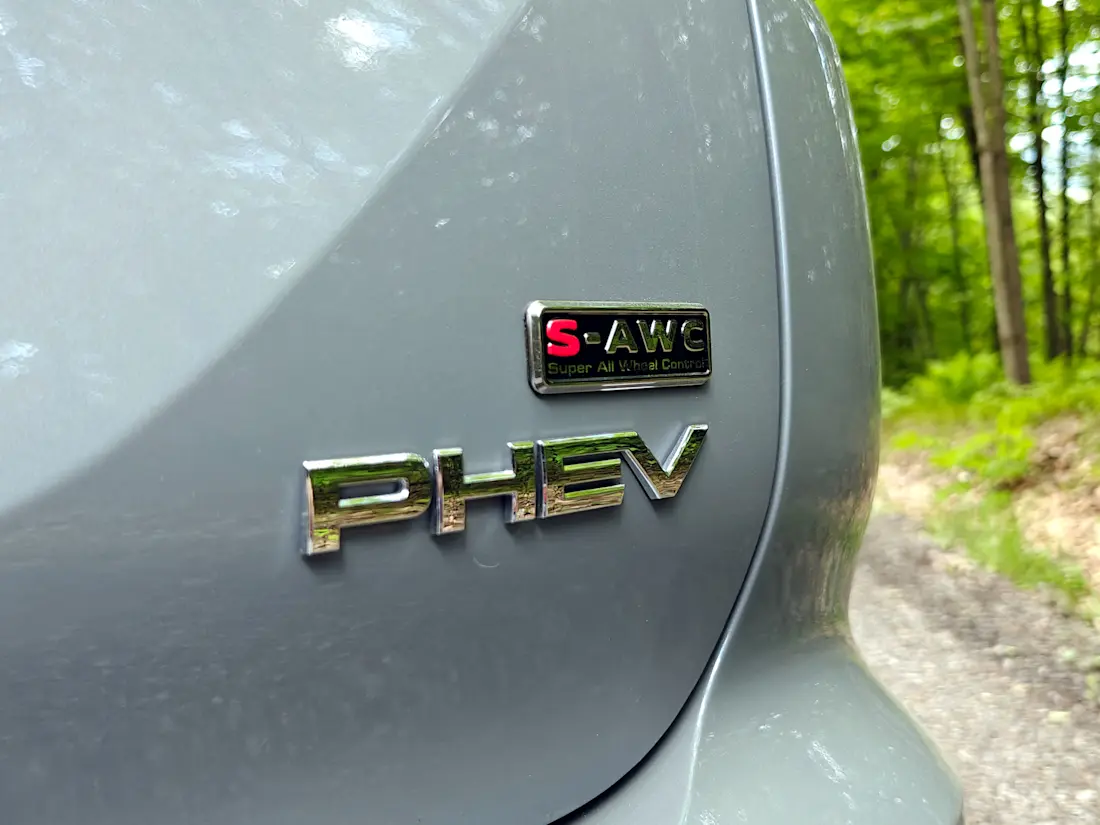
With a larger battery and a more efficient electric drivetrain, the revised 2026 Mitsubishi Outlander PHEV is now one of the most potent plug-ins outside of the luxury world. I spent a week with the new Outlander PHEV at my home, nestled in the mountains of Quebec’s Eastern Townships, to see how a plug-in hybrid fits into a more pastoral setting.
Mitsubishi Outlander PHEV Boosts Its Battery for 2026
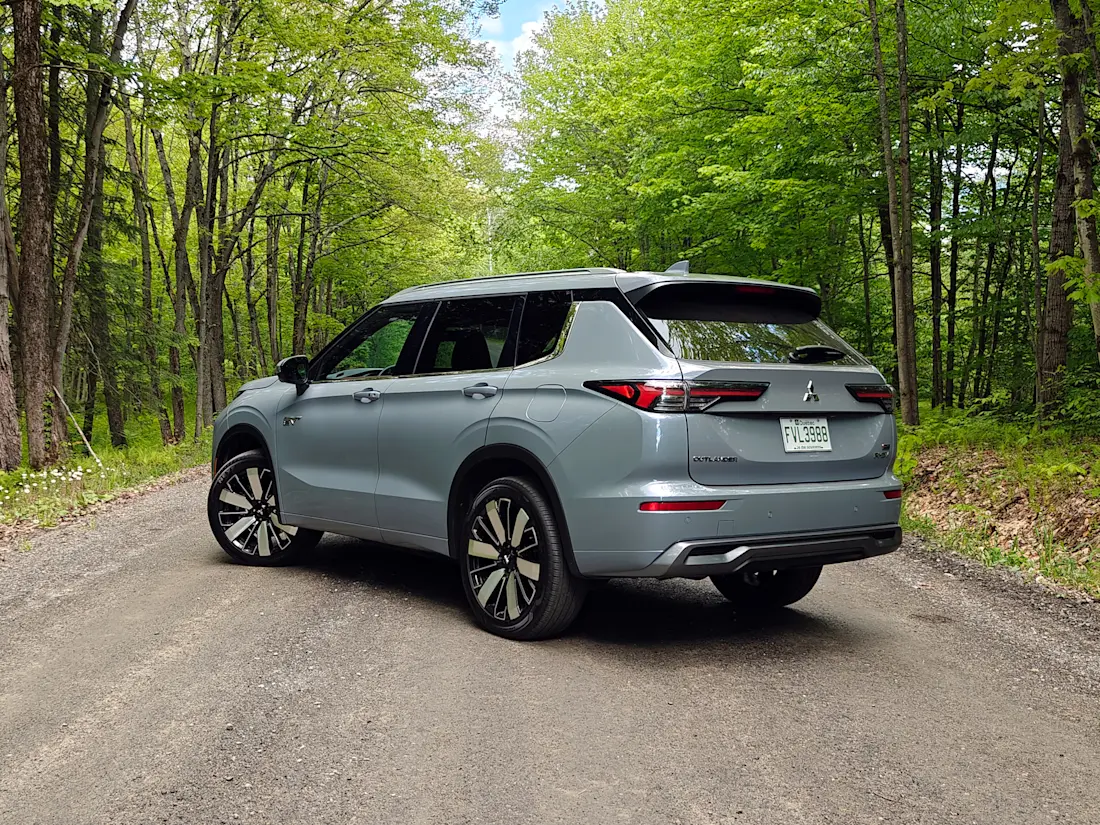
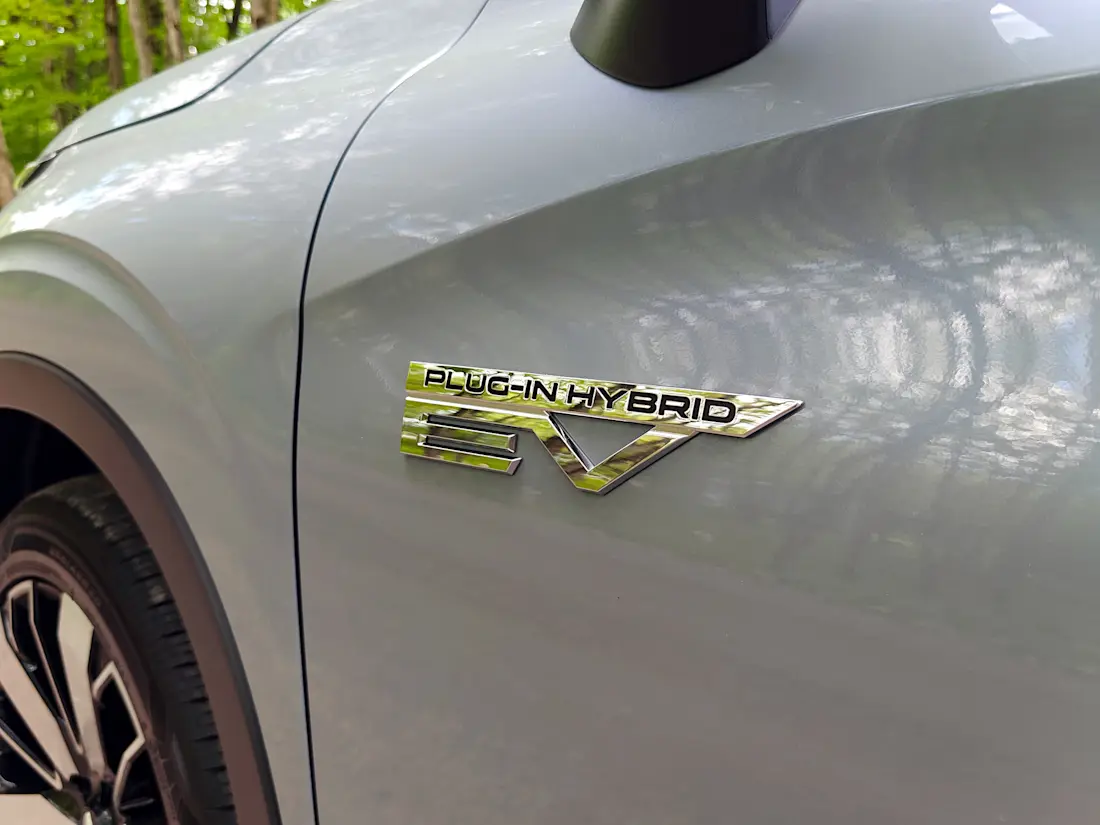
A primer on what the 2026 Mitsubishi Outlander PHEV brings to the table. Its battery capacity has been increased to 22.7 kWh, which is enough to give it an advertised 72 kilometres of driving range in EV mode. That larger power pack also pushes power up to 297 hp, which is a respectable figure for a compact hauler that verges on the larger and heavier side of “compact.”
If that level of electric-only operation raises your eyebrows, you’re not alone. You’d have to move up to a Mercedes-Benz or a Range Rover to find an SUV that outperforms the Mitsubishi in terms of electron-sipping. In fact, the Outlander PHEV’s 72 km rating is a match for the considerably smaller Toyota Prius plug-in, and very close to the popular Toyota RAV4 PHEV compact SUV that is rated for between 79 and 89 km of EV range depending on trim.
You don’t need perfect conditions to match Mitsubishi’s claims, either. I was able to beat the Outlander PHEV’s EV range by 6 km, even after driving at higher speeds where aerodynamics tend to spoil the efficiency party.
Real-World Fuel Sipping, As Long As You Actually Plug In
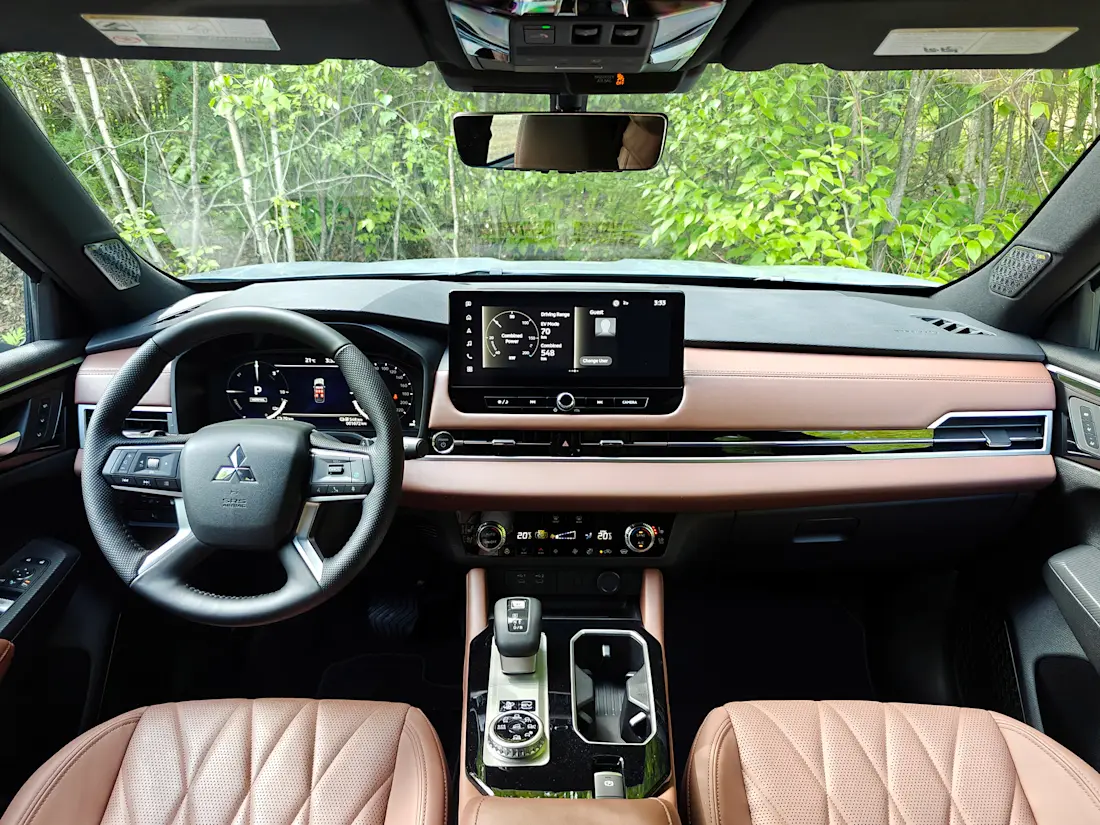
With just under 80 km of battery-only operation available, the Mitsubishi Outlander PHEV was incredibly effective at leveraging its EV capabilities and keeping its gas engine dormant during our time together. Over the course of nearly 270 kilometres of driving — almost all of it on two-lane highways, twisting gravel roads, or divided autoroutes — the vehicle consumed less than 10 litres of fuel, with a final efficiency rating of 3.5 L/100 km.
That’s a very impressive figure for any hybrid, let alone a three-row sport-utility vehicle with the kind of slab-sided styling that suggests the slipperiness of brick when cutting through the atmosphere.
The secret to squeezing the most out of a plug-in hybrid outside of a city setting turns out to be identical to that when plying stop-and-go streets: charge as often as possible. A PHEV’s party trick is at its most effective when its battery is topped up, because once that big battery is empty, you’ll be using extra fuel — compared to a non-plug-in model — to haul along its weight.
For most rural residents, this is actually easier to do than for city residents, at least at one end of a given journey. Most folks who live in the country have a driveway, and many also have a garage, which means plugging in using a standard household outlet (110-volt Level 1 charging) is never a problem. Contrast that with the street-parking challenges facing those in larger cities, or the apartment-living hassles of convincing a landlord to install a series of power posts in a shared parking lot.
Level 2 charging at home, which the Outlander PHEV (and every plug-in hybrid) also supports, is also much simpler to access in the countryside, for similar reasons. Paying for an L2 charger in the 7.2 to 11.5 kW range seriously cuts down a PHEV’s charge time from an overnight session to 6.5 hours or so for a model with a battery as large as that in the Mitsubishi.
Skip the Fast Charging
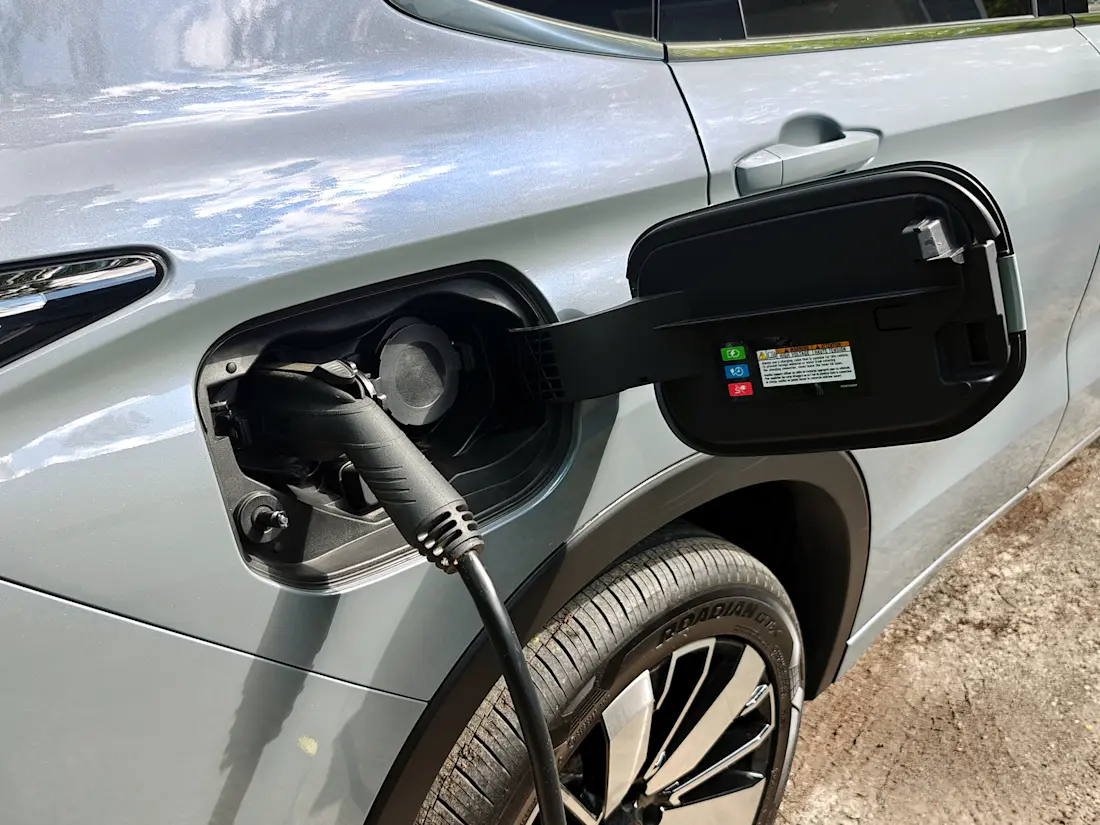
There’s an additional wrinkle offered by the Outlander that few other plug-in hybrids can match, and that’s the ability to use a DC fast charger. This boosts charging speeds to 50 kW, or roughly five times what you can expect from the quickest home charging setup. In theory, that could top up the SUV’s battery in half an hour or so, but even though the area I live in is littered with fast chargers (thanks to Quebec’s extensive investment in EV infrastructure), I only ever charged at home for two reasons.
The first is cost. Commercial fast charging comes at a much higher price than the 7 cents per kWh or so I pay in my driveway. Then there’s the inconvenience. Treating the Mitsubishi Outlander like a pure EV would mean stopping to charge every 78 km, which would quickly become tedious, and, if you are diligent about keeping the vehicle plugged in at home, likely unnecessary. It’s more of a gimmick than anything else, because its gas engine means there’s no situation where you’d be caught stranded in the Mitsubishi by an empty battery, which in turn means there’s no compelling reason to pay a price premium or waste time waiting at a DC faster charger.
I Didn’t Have To Change My Driving Habits
What kind of driving did I get done in the Outlander PHEV? That impressive fuel efficiency I mentioned above, where the vast majority of my outings were completed under battery power, didn’t require me to change anything about how I normally drive.
The nearby village is only 6 km away and then 6 km back. The nearest true town to me is a 40-kilometre round trip, or just under half the Mitsubishi’s battery range. Longer trips, like going to Montreal, push past the Outlander PHEV’s brilliant battery, but only just, with 78 kilometres of that 120-kilometre journey accomplished in EV mode. That’s with the air conditioning on and the cruise control set to a modest 100 km/h, a speed I’ve adopted even in my gas-only vehicles due to the current price of fuel. Regenerative braking was also a boon in the hilly terrain, where I was able to recapture much of the energy used while climbing on the way down the other side.
I want to clarify that I didn’t ever plug in at my destination, either, simply relying on regular home charging to keep the battery happy. If your workplace offers a plug, then it’s not at all difficult to keep the Outlander’s battery full at all times — or at the very least, full enough to get you home again at the end of the work day.
Bigger Battery is Nice, but Almost All PHEVs Are Worth a Look
It might seem like the answer to living rural with a PHEV is to pick one up with the biggest possible battery. After all, the electrified Outlander is close to being a class leader. Longer trips would appear to favour vehicles that deliver a stronger EV-only range, making them the best fit for owners who spend more time on the road.
While a larger battery certainly doesn’t hurt, I’ve had similarly eye-opening experiences with models that feature more modest power packs, like the previously mentioned Toyota Prius PHEV and the Chrysler Pacifica PHEV. The latter only claims 51 km of electric-only driving, but thanks to exceptional energy management and hyper-aggressive regenerative braking, I was able to spend nearly 320 km of the 800 km I put on the minivan (fully loaded, moving from one house to another), on battery power alone.
That’s a full 40 per cent of my time behind the wheel with the gas V6 shut off. You don’t have to constantly be driving in EV mode to benefit from this technology, as taking a sizable bite out of the length of time a vehicle’s engine is fired up translates into a significant drop in the monthly fuel bill.
While the use cases might be different, with more trips or commutes that extend past the electric-only range compared to city drivers, PHEVs can still deliver considerable fuel savings to owners who are willing to commit to plugging them each and every time they park at home. This simple habit, once formed, goes a long way towards getting the biggest benefit out of a PHEV, regardless of whether your daily scenery consists of bumpers and brake lights or leafy trees and rolling hills.

All Articles
See all
The EV Cool-Off: Why Are Canadians Hesitating to Go Electric?
Hybrids promise fuel savings without the plug. Here’s why that appeals to Canadian car buyers.
 John LeBlanc

Ontario Used Vehicle Information Package (UVIP): Cost, Contents, and When You Need It
Learn the documents, costs, and steps required for the Ontario Used Vehicle Information Package (UVIP) in Canada.

2018 Dodge Charger GT AWD: Specs, Horsepower and Used-Buying Guide
Learn what to check before buying a 2018 Dodge Charger GT AWD, including reliability, common problems, pricing and ownership costs.