
Considering a Used Hybrid? Here’s What to Look Out For
 John LeBlanc

Buying a used gasoline-electric hybrid electric vehicle can be a highly practical purchase for many buyers in Canada. A hybrid’s extra electrical power provides fuel-saving advantages over gas-only cars without requiring the lifestyle adjustments, home charging infrastructure, or range anxiety often associated with battery electric vehicles (BEVs or EVs). The depreciation has also already been paid for by someone else, so used hybrid buyers might be able to get some great deals.
That said, before you run out and buy a used hybrid, here are a few checks to go through.
Evaluate the Health of the Hybrid’s Battery
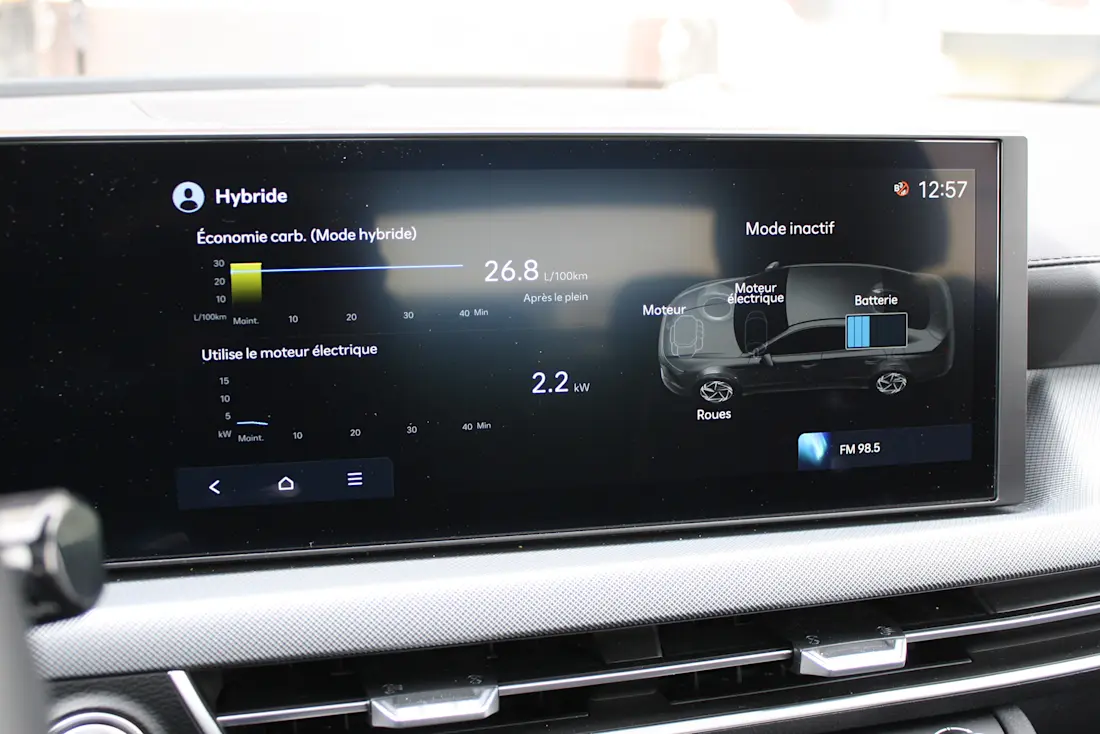
The first mass-market hybrids, like the Toyota Prius, introduced globally over a quarter of a century ago, helped establish the modern marriage of gas and electricity in cars, paving the way for future plug-in hybrids (PHEVs) and EVs.
While a battery electric car relies solely on its electric battery and motors for propulsion, a hybrid’s powertrain depends less on its batteries. The battery and electric motor engage automatically and take over power from a complete stop, during low-speed cruising (typically under 40 to 50 km/h), when coasting, and during light braking, parking, or reversing.
Most modern hybrids use nickel-metal hydride or lithium-ion batteries engineered to withstand long-term use. Despite all this built-in durability, a common question is how long a hybrid’s batteries last. Hybrid battery technology has improved significantly, with batteries typically lasting eight to 15 years, or roughly 160,000 to 300,000 km — up to 40 per cent longer than previously expected.
Still, checking a used hybrid battery’s State of Health (SoH) is crucial, especially to ensure timely replacement or servicing while still under warranty. As the battery also powers the vehicle’s stop-start system and assists the engine during acceleration, when degraded, it forces the gas engine to work harder, reducing fuel economy and straining the alternator and 12-volt system, potentially leading to costly repairs.
Request Specialized Hybrid Inspections
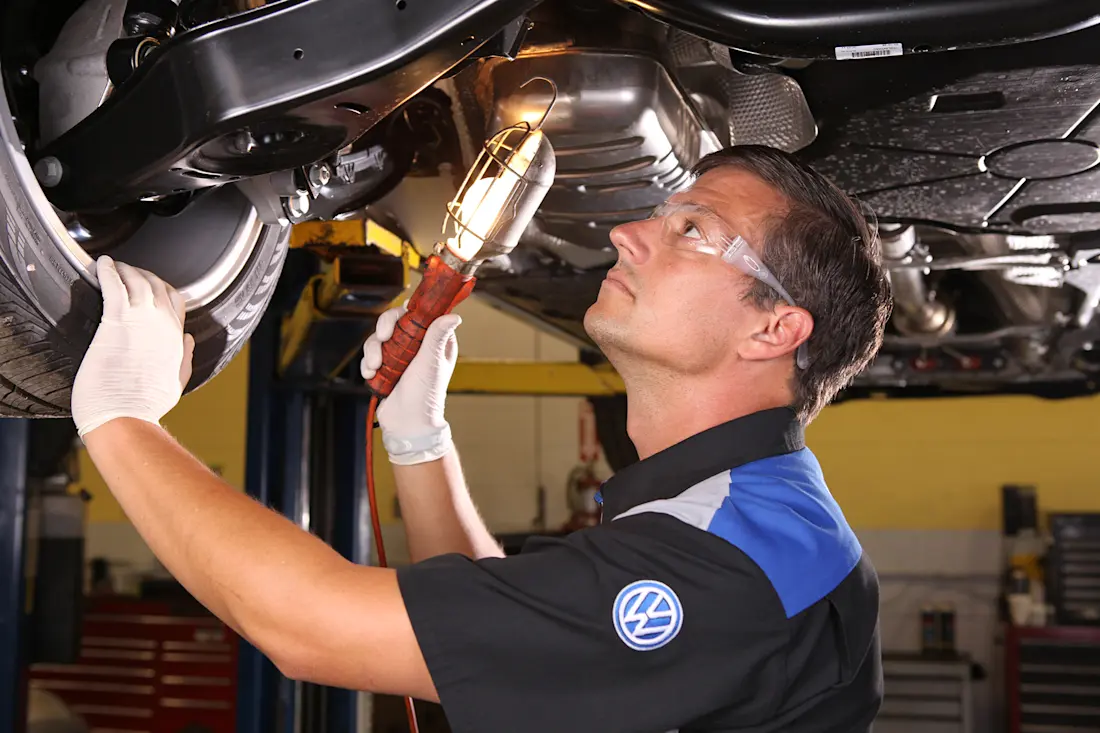
A used hybrid should not only have its battery’s SoH reviewed but also undergo a pre-purchase inspection by a hybrid-trained technician. They’ll have specialized diagnostic tools and apps designed to inspect the vehicle, check for common issues, and verify that all systems function properly.
Beyond confirming SoH of a hybrid’s battery, have the vehicle’s regenerative braking systems checked out. Certain older hybrids have potentially expensive, complex brake actuator systems that can fail or leak over time. The hybrid’s inverter (the two-way bridge between the vehicle’s high-voltage battery and its electric starter-generator) should also be looked at. Last but not least, because hybrids use sophisticated computer-controlled drivetrains, you should ensure that any factory software or recall notices are up to date.
Evaluate All the Regular Automotive Components
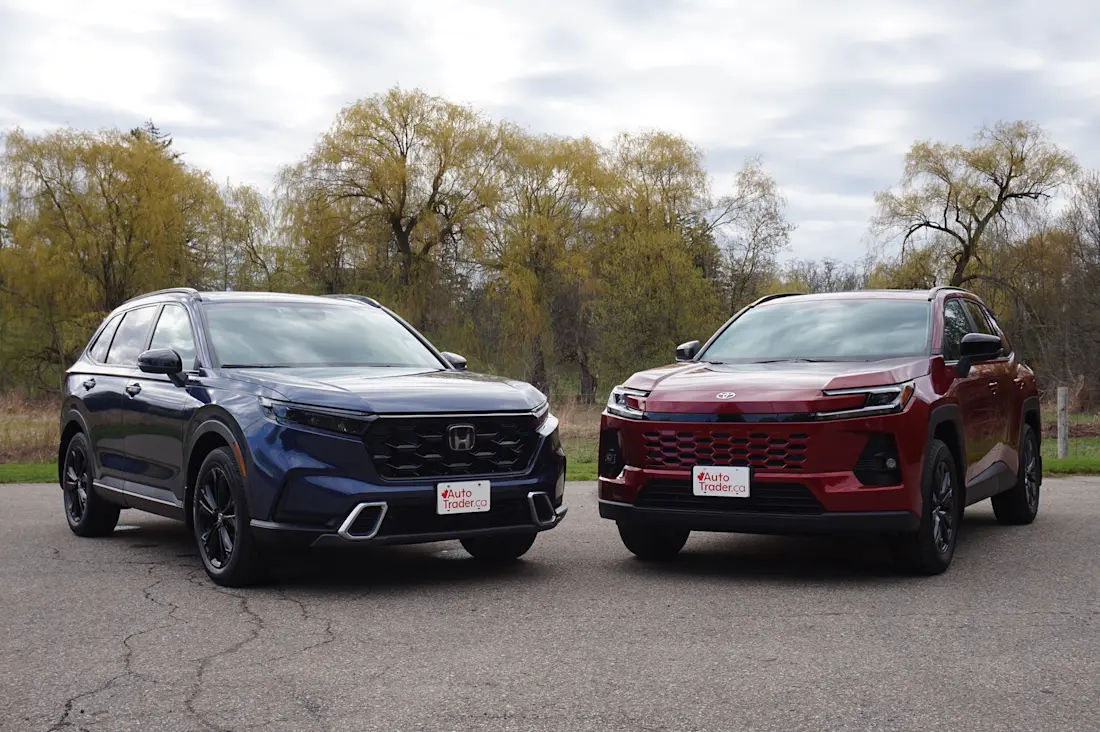
While hybrids have unique components, many parts, such as tires, brakes, suspension, body panels, fluids, and electronic accessories, also require the same maintenance and checks as gas-only cars and should be included in the pre-purchase inspection.
Also, make sure the technician checks the condition of the tires, brake pads (which often last longer on hybrids due to regenerative braking), suspension, and the standard 12V accessory battery.
What to Look for When Test Driving a Used Hybrid
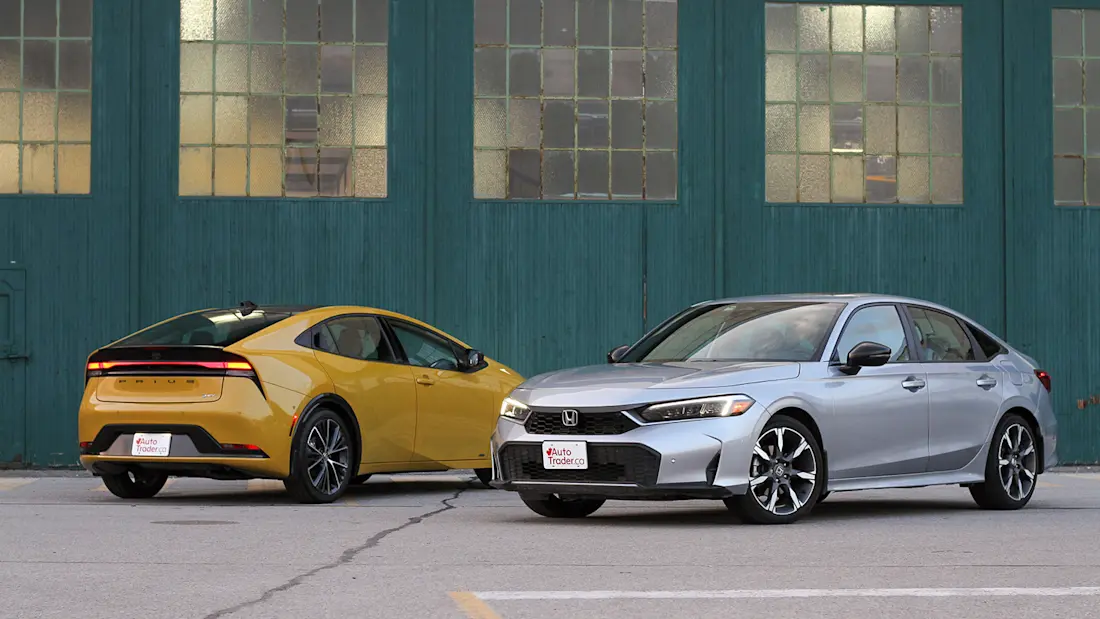
Regardless of what kind of car you’re buying, a test drive is the best way to assess whether it's the right vehicle for you. In addition to the usual checks, pay attention to a few hybrid-specific factors.
The switch between electric power and the engine should be smooth and barely noticeable. Harsh jolts or unusual noises may indicate an issue. Watch for battery warnings or error messages on the dashboard. The battery level should change gradually and predictably, especially in stop-start traffic.
Because hybrid cars use regenerative braking, they can feel slightly different from a regular car. When on the test drive, the brakes should feel consistent and responsive, not grabby or overly soft. At low speeds, some hybrids can run on electric power and should feel quiet and refined. Excessive engine noise at low speeds may signal a problem.
Finally, don't forget to check that trunk and cargo flexibility is sufficient for your needs, as many older hybrids have battery packs or motors that eat up varying amounts of cargo space.

All Articles
See all
Used 2008 Acura MDX: 4WD or AWD, Recalls and What to Check
Let's say you're scrolling used SUVs on a cold January night, and a 2008 Acura MDX pops up at a price that looks like a typo.

The EV Cool-Off: Why Are Canadians Hesitating to Go Electric?
Hybrids promise fuel savings without the plug. Here’s why that appeals to Canadian car buyers.
John LeBlanc
Ontario Used Vehicle Information Package (UVIP): Cost, Contents, and When You Need It
Learn the documents, costs, and steps required for the Ontario Used Vehicle Information Package (UVIP) in Canada.