
Can Canadians With Chinese EVs Drive into the U.S.?
 Matt St-Pierre

Canada’s decision to allow Chinese-built electric vehicles (EVs) into the market raises several practical questions for future owners, including this one: Will these vehicles and their owners be allowed to cross into the United States?
The question matters because millions of Canadians drive across the U.S. border every year, even after cross-border travel declined sharply following the tariff war and the widespread broader boycott of U.S. travel by many Canadians. Land travel to the United States had recovered to roughly 30 million trips in 2024 before falling to about 19 million the following year. Current projections suggest 2026 could remain near the 2025 level, meaning nearly 20 million land crossings may still take place this year.
Canadians considering a Chinese EV, especially those who often cross the border by car, could face a not-so-warm reception from U.S. Customs and Border Protection. An American anti-Chinese car position could become an ownership consideration rather than a political abstraction.
Canada Has Opened the Door
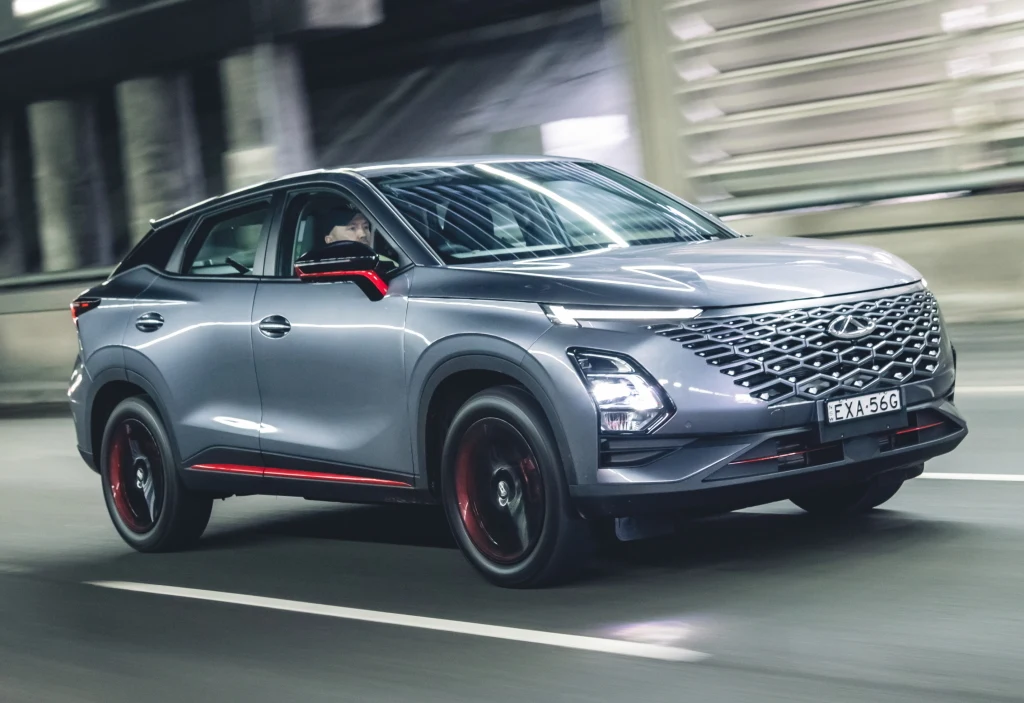
Canada’s new framework, announced in January and implemented through a permit system that opened on March 1, allows up to 49,000 Chinese-built EVs into the country annually. The first allocation covers 24,500 permits through August 31, and the annual quota could eventually rise to 70,000 vehicles within five years.
In practical terms, Chinese-built EVs are expected to become available to Canadian consumers shortly. These vehicles could appeal to buyers seeking lower prices, advanced technology, and greater EV choice at a time when affordability remains a major issue in the new-vehicle market.
The challenge is that Canada’s position appears to differ sharply from Washington’s.
The U.S. Position Remains Unclear for Canadian Owners

The United States imposed a 100 per cent tariff on Chinese EVs in May 2024. Canada followed with similar measures roughly three months later. Earlier in 2026, Canada changed course by creating a controlled framework for Chinese-built EV imports, while the United States has maintained a much harder line.
Rules finalized by the Biden administration in January 2025 effectively restrict Chinese-connected vehicle software and hardware from U.S. roads on national security grounds. Washington’s concern is that modern connected vehicles can collect, transmit, and expose sensitive data related to drivers, passengers, infrastructure, and travel patterns.
Those restrictions remain under President Donald Trump. A recent statement from a U.S. Trade Representative indicated that the rules are considered effective and that no changes are currently expected, even for Chinese automakers that may want to build vehicles in the United States.
The same official also said Washington does not yet have a final answer on whether Chinese-made EVs registered in Canada will be allowed into the U.S. for personal use.
That unresolved point is a potential core issue for Canadian consumers.
The Situation
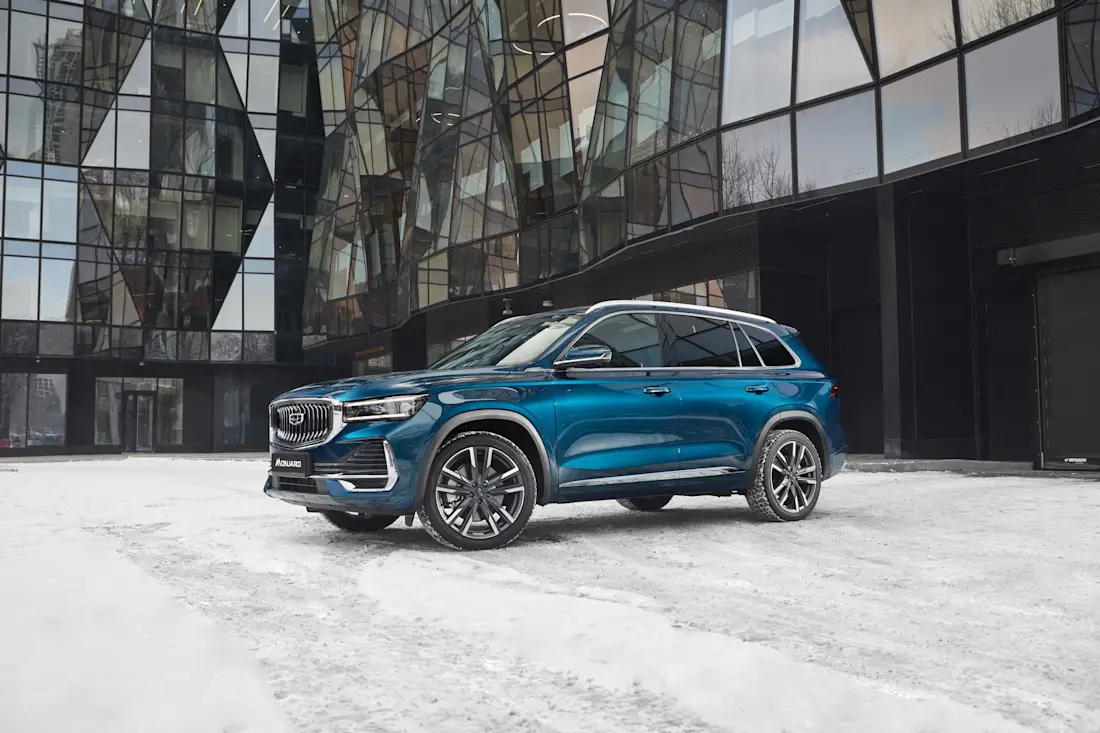
If a Canadian citizen buys a Chinese-built EV that is legally sold, registered, and insured in Canada, will that person be allowed to drive it into the United States? Only a month ago, the answer was quite unclear.
The issue is different from importing a vehicle into the U.S. permanently. Canadian travellers routinely enter the United States in Canadian-registered vehicles for temporary personal use. What was uncertain was whether Chinese-built EVs, or vehicles using Chinese-connected software or hardware, could face unique restrictions at the border.
That uncertainty could create confusion for buyers who assume that any legally registered Canadian vehicle can cross the border with the proper travel documents, proof of ownership, insurance, and registration.
We Asked CBP for Clarification

To seek clarification, we contacted U.S. Customs and Border Protection (CBP). The first response was general and did not directly answer whether a Canadian-registered Chinese-built EV would be allowed to enter the United States for temporary personal travel.
The information provided instead referred to vehicle importation rules, EPA-related requirements for certain vehicles, and guidance for entering the U.S. with a vehicle that does not belong to the driver.
We contacted CBP again for a more specific answer. This time we got a clear answer, and it’s a reassuring one.
A CBP spokesperson responded two weeks after receiving the enquiry with the following:
“U.S. Customs and Border Protection enforces the temporary entry of foreign-registered vehicles for personal use by non-residents, including Canadian citizens. Generally, a Canadian citizen holding all proper and required documentation for both themselves and their vehicle will be allowed to temporarily cross a land border into the United States with a street-legal, Canadian-province-registered and insured vehicle, regardless of its country of manufacture, strictly for personal use. Key points for temporary entry of a vehicle by a non-resident include the purpose of the visit, duration of stay, proper documentation, and safety and emission standards.”
They also emphasized the importance of distinguishing “temporary entry for personal use” from “permanent importation,” which is subject to stricter requirements.
No Walls for Chinese EV owners
For visiting family and friends in the U.S., shopping, or vacationing temporarily, Canadians can safely assume that crossing a land border in their Chinese-built, Canadian-province-registered vehicle will not be stonewalled at the U.S. border.

All Articles
See all
Used 2008 Acura MDX: 4WD or AWD, Recalls and What to Check
Let's say you're scrolling used SUVs on a cold January night, and a 2008 Acura MDX pops up at a price that looks like a typo.

The EV Cool-Off: Why Are Canadians Hesitating to Go Electric?
Hybrids promise fuel savings without the plug. Here’s why that appeals to Canadian car buyers.
 John LeBlanc

Ontario Used Vehicle Information Package (UVIP): Cost, Contents, and When You Need It
Learn the documents, costs, and steps required for the Ontario Used Vehicle Information Package (UVIP) in Canada.