
What We Lose — and What We Gain — When Sports Car Brands Make SUVs
 Benjamin Hunting


Of all the sports car manufacturers in the world, Lotus is probably the last name you’d expect to add a sport-utility vehicle (SUV) to its showroom — let alone a fully electric one that weighs 2.6 tonnes. The brand built its reputation on the philosophy of its founder, Colin Chapman, whose “simplify and add lightness” strategy has been quoted ad infinitum by performance purists dedicated to unfettered automotive joy.
And yet, the market realities of 2026 have little regard for tradition. The Lotus Eletre SUV is here, and it’s unlike anything that has ever worn the automaker’s badge. Large, electrified, and heavier than half the starting grid at a Lotus owner’s club track day, the Eletre is exactly the kind of vehicle that instigates the gnashing of teeth at your local cars and coffee, while simultaneously kicking off an online discourse that makes you want to slam your laptop shut.
Given the history of some of the world’s most storied performance brands, you’d think we’d be used to this by now. Names as illustrious as Porsche, Lamborghini, Aston Martin, and even Ferrari currently have big-boned haulers just as far removed from the roots of their respective builders as the Eletre is from Lotus’ origins.
Certainly, something is lost when a company’s focus shifts, even if slightly, from the core mission of building uncompromising sports cars towards more mainstream aspirations. At the same time, something is also gained — and not just for an automaker’s bottom line, but for customers, too.
The View from the Top
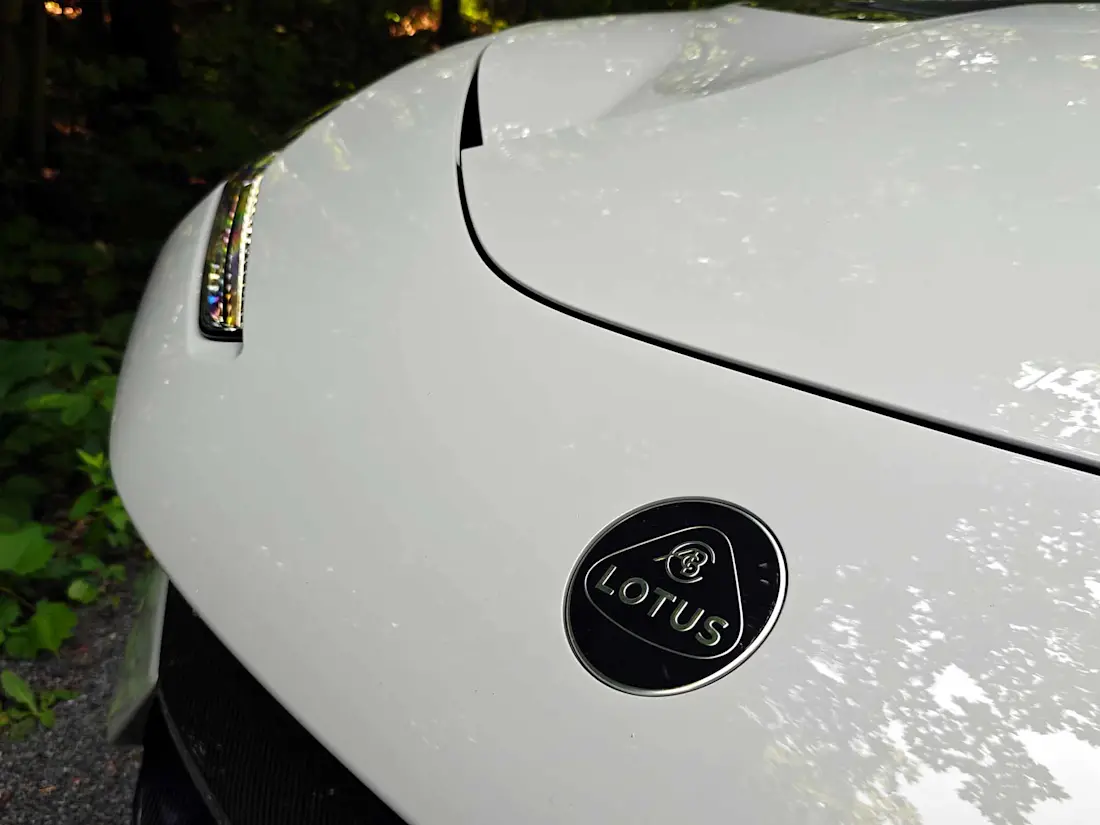
Selling cars is a difficult business, especially if you’re flogging small batches of automotive exotica at brain-busting prices to the global elite. There are only so many hypercar hopefuls out there, and producing more than a handful at any given time works against the exclusivity required to maintain their must-have status.
Traditionally, this business model was supported by a phalanx of still hot, but somewhat lesser supercars and sports cars that functioned as a ladder up the side of Prestige Mountain, allowing customers to simultaneously get absorbed into a brand’s ecosphere while supporting the research and development costs attached to either funding big-ticket racing programs or churning out top-tier, record-breaking machinery.
For every Porsche 911 sold, there were a half-dozen Boxsters padding out the numbers. Each Jaguar XJ220 stood on the shoulders of a brace of XJS coupes. Even Ferrari funded its Formula 1 aspirations and F40 dreams with more affordable fare like Magnum’s 308 and, of course, the more “pedestrian” Mondial.
A New Foundation for the Sports Car Future
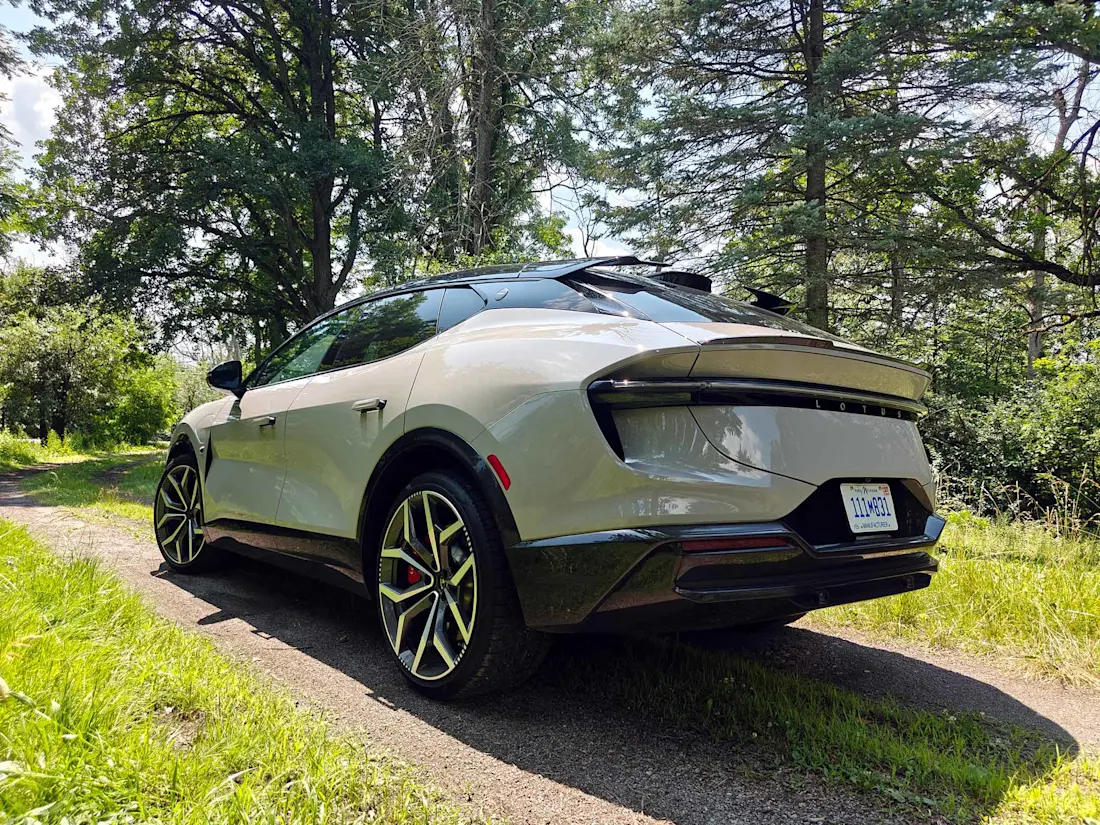
About 30 years ago, however, something changed. Rather than park a sports car in the driveway to celebrate a big promotion, folks began to invest their disposable income in SUVs instead. Call it size over substance, or the desire to balance conspicuous consumption with the day-to-day realities of family obligations, but, one by one, Corvettes and 911s that some households used to rely on for weekend fun were replaced by Escalades and Navigators, and then X5s and M-Classes.
The balance of the universe had shifted, and canny performance players moved right along with it. Porsche’s Cayenne SUV was the first domino, and it proved to be a smash despite the company’s reputation for easy-to-upset traditionalists. Not only did the Cayenne push BMW and Mercedes-Benz to expand their list of M and AMG-branded SUVs, but it laid the groundwork for the previously mentioned group of British and Italian sports car builders to do the same.
The key takeaway here is that none of these companies actually stopped building sports cars whenever they debuted a new SUV. Instead, high-margin sport-utilities became the new financial bedrock on which the enterprise of hypercar and supercar production now mostly rests. That’s a huge win for performance fans across the board, as it ensures a continued stream of jaw-dropping models free from the threat of future insolvency.
Electrification is an Outlier, but Also an Opportunity for Lotus
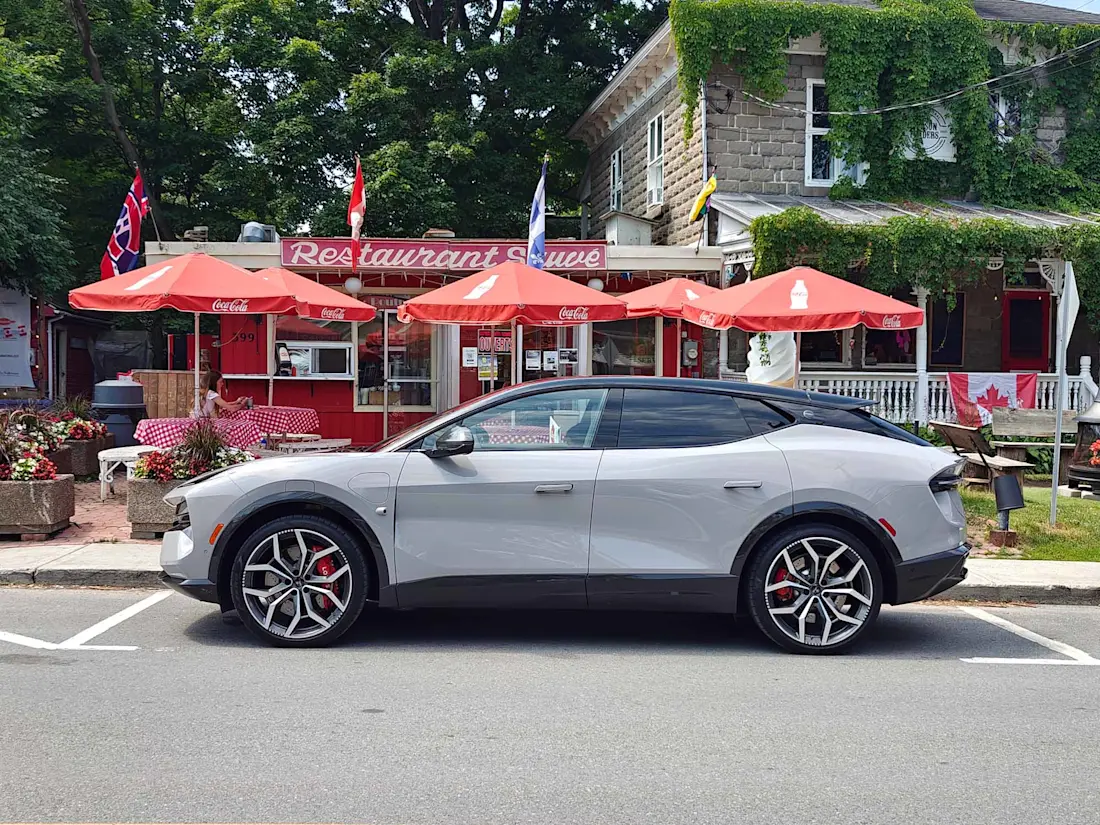
Lotus is fully cognizant of the optics attached to the plus-sized Eletre, especially given its battery-powered platform provided by current corporate parent Geely. This detail further sets the Eletre apart from rivals like the Lamborghini Urus and the Aston Martin DBX, which can at least count on the sturm und drang of their internal combustion antics to keep past fans interested.
“Lotus has always been known and famous in the world for sport coupes. That’s what Lotus has always done the best,” said Massimiliano Trantini, President and CEO of Lotus Americas. At the same time, Trantini explained that Lotus saw the opportunity to take some of its existing design DNA and produce a more versatile vehicle that could sit alongside sports cars not just in the brand’s showrooms, but in the garages of its owners.
Electrification was a key aspect of making that happen.
“We have always believed that technology is at the service of the product. So we don’t run after technology — we pick the one that we believe satisfies the customer the best. For an SUV the size of the Eletre, with the performance, versatility, and sustainability we wanted to have, we thought our electric powertrain was the perfect solution,” he said.
Trantini makes no bones about the weight penalty attached to the Eletre’s battery-driven approach.
“We have one of the top technologies in terms of batteries, but still the density of energy doesn’t allow us to reduce the weight beyond a certain number,” he said. “So in other words, we create an environment around the constraint of the battery that still provides the feeling and the performance of a real Lotus.”
The Electric Disconnect
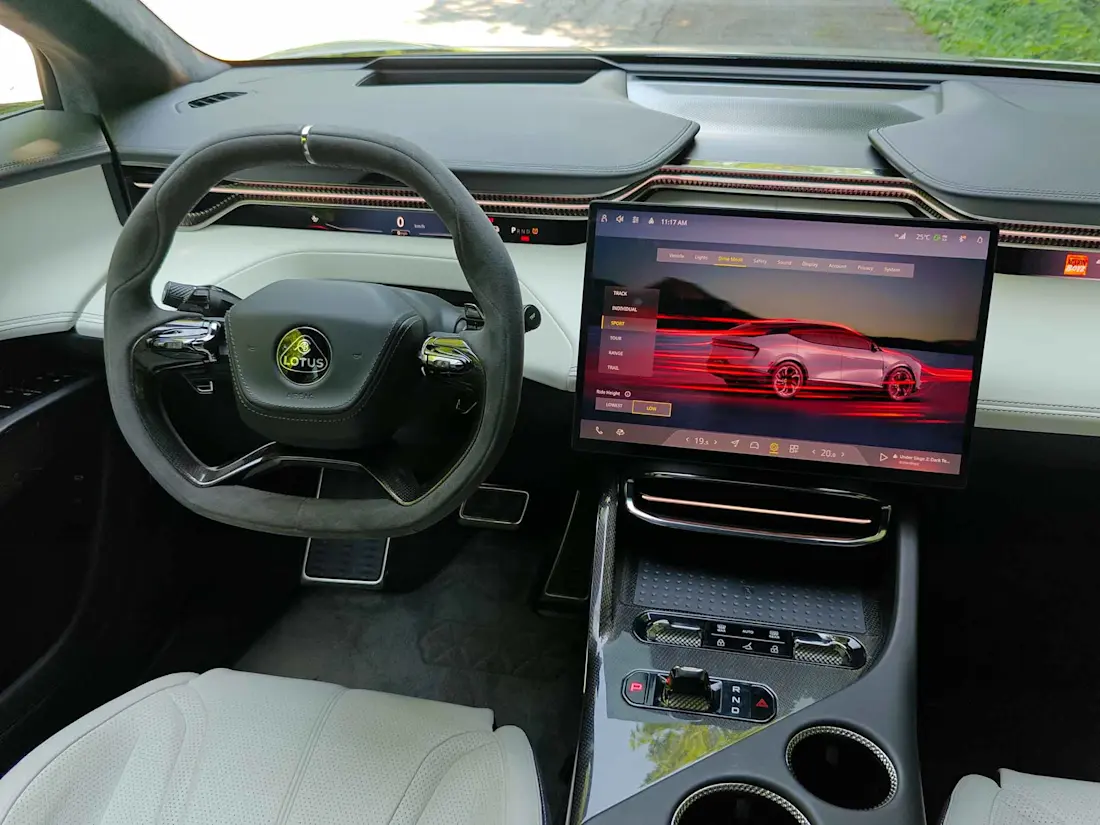
Trantini mentioned a recent experience he had driving the Eletre in a pack of the brand’s sports cars — a situation akin to dumping a basking shark into a tank of makos — and described it as an “eye-opening experience” to those owners who couldn’t believe the supersized sport-utility was keeping up.
I believe him. When driving the Lotus Eletre on the kinds of roads that would plaster a smile all over the faces of any sports car fan, I discovered the SUV’s heft is expertly elided wherever possible by the exceptional grip and a surprisingly calm character. It’s an altogether different experience from the more raucous character of, say, the Aston Martin DBX, helping the Eletre carve out its own identity amongst the cadre of similarly-priced halo haulers (all of which are easily overpowered on the spec sheet).
More importantly, the decision to pursue electrification with the Eletre also distances it from any other Lotus, past or current.
Drive the Urus, and its turbocharged V8 soundtrack and high-revving character invites comparison to other Lambos with similar soundtracks and characters. The silent Eletre, with its instant-on power delivery, instead attempts a spiritual rather than mechanical link with its lineup mates, and the psychology of that difference is key. It allows the SUV to be something else, something apart, from the expectations of existing Lotus fans, while seeking its own path towards connection with the brand’s heritage.
The Realpolitik of Super SUVs

Trantini underscores that the Eletre is intended as a complementary vehicle, one that expands the fan base of the brand by offering a different interpretation of Lotus’ DNA.
That perspective provides perhaps the most useful lens when examining the current crop of super SUVS. None of these vehicles are intended to replace either an automaker’s heritage or the thrill of driving a purpose-built sports car. Instead, they provide the kind of business bedrock required to thrive in the current automotive economy, while extending the reach of a given badge to potential buyers who may have felt frozen out of the showroom due to their more-than-two-seat driving needs.
Does the existence of something like the Eletre truly subtract from Lotus in a meaningful manner? If your focus is strictly on the idea that there’s only so much research, development, and manufacturing money to go around, then yes, perhaps a hulking SUV in some sense deprives long-time fans of one more lightweight sports car on the order sheet.
Zoom out, and it’s much easier to see how the profits generated from models like the Lotus Eletre, Aston Martin DBX, and Ferrari Purosangue feed the very same accounts that guarantee an unending stream of future fun rides that can comfortably sit beside a sport utility rather than fear it as an eventual replacement. That’s the true gain for both customers and corporate coffers.

All Articles
See all
7 Cool Cars to Consider Importing Into Canada in 2026
It just became legal to import these cars.
 Michael Karant

8 Automotive Redesigns That Dramatically Improved on the Original Model
Automotive glow-ups that changed everything.
Benjamin Hunting
Nissan Isn’t Going Anywhere — And the Automaker is Out to Prove It
Nissan-related news hasn’t been positive lately, but its execs have a plan to fix that.
 Dan Ilika