
5 Cars From the Beijing Auto Show We’d Love to See in Canada
 Chris Tsui


Earlier this year, Canada announced it would bring 49,000 Chinese electric cars into the country each year with a massively reduced tariff, but no announcements have been made yet on exactly which cars will show up on Canadian roads. The Geely-built Lotus Eletre has dropped, Chery confirmed cars for sale by the end of the year, and a few manufacturer-plated mules were recently spotted in the Greater Toronto Area, but that’s pretty much it for now.
To get a clearer picture of the Chinese car landscape, we went to the Beijing Auto Show. This is, for the record, the largest auto show in history: 380,000 square metres, 17 separate exhibition halls, and almost 1,500 cars on display. Nevertheless, we sifted through the haystack of interesting Chinese-made SUVs, trucks, supercars, and everything in between and pinned down five we’d like to see brought over to Canada.
GAC Yue 7
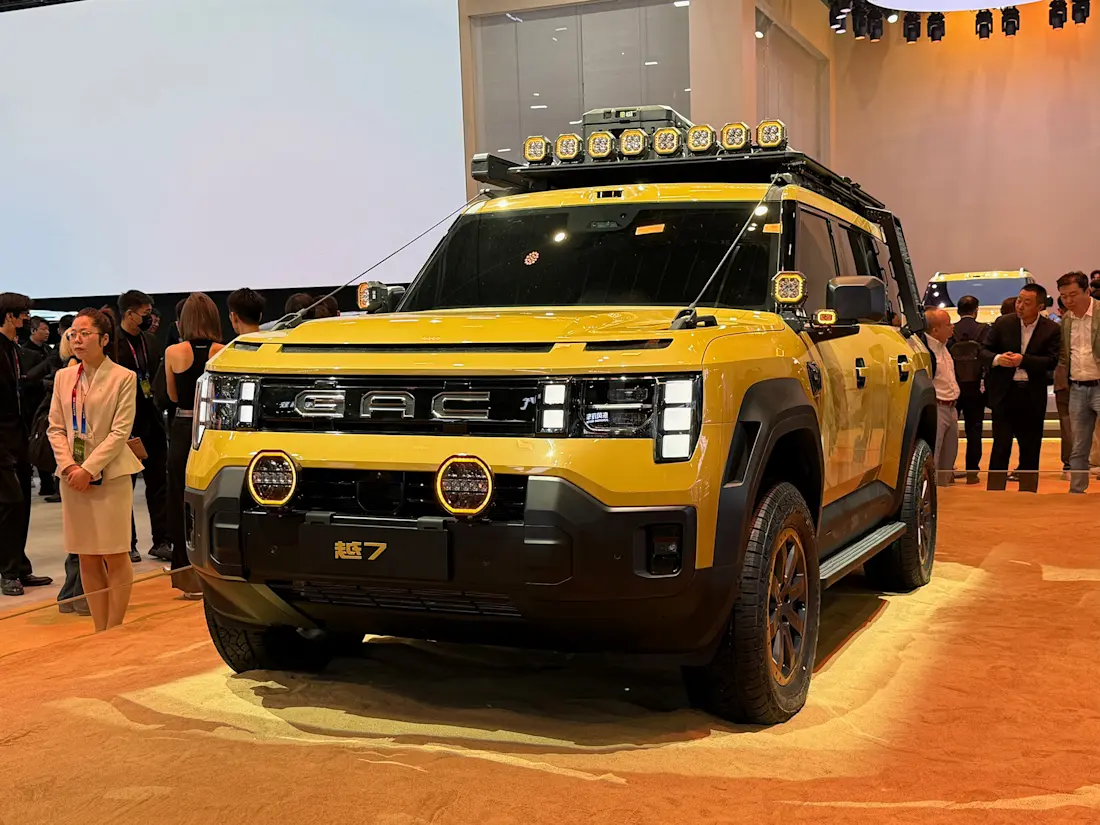
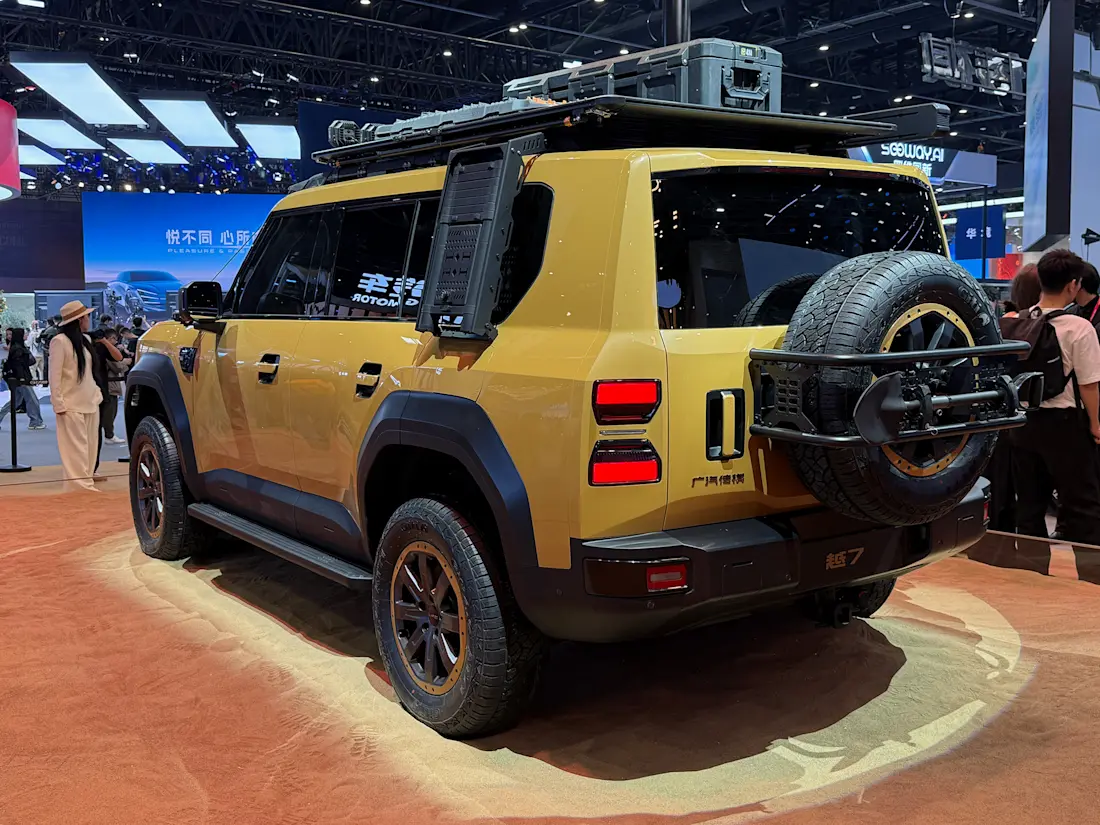
If we could pluck one vehicle from the 2026 Beijing Auto Show and airdrop it onto Canadian roads, the one that would fit in the most seamlessly may just be the GAC Yue 7 — Yue is directly translated from 越, a Chinese character meaning “to cross” or “to traverse.” Big but not enormous, rugged but not intimidating, it’s an off-roader from the Guangzhou automaker seemingly built in the same vein as the Toyota Land Cruiser but presumably without the Toyota tax. It is, however, a plug-in hybrid (PHEV), so it’s not eligible under the new tariff deal, but it's still a vehicle worth watching if Canada’s import rules around Chinese cars expand.
This hero vehicle pictured is decked out in overlanding accessories like lights, limb risers, a rooftop cargo box, and a little ladder on the side, but behind it sat a much more normal-looking example that absolutely would not look out of place in any Canadian suburb. This being a brand-new unveiling, GAC did not show the interior or confirm any technical details, but Australian media expect it to use the same 2.0-litre plug-in hybrid powertrain found in many of its other cars. Purely based on exterior design, though, this is very much up our alley.
Lynk & Co 900
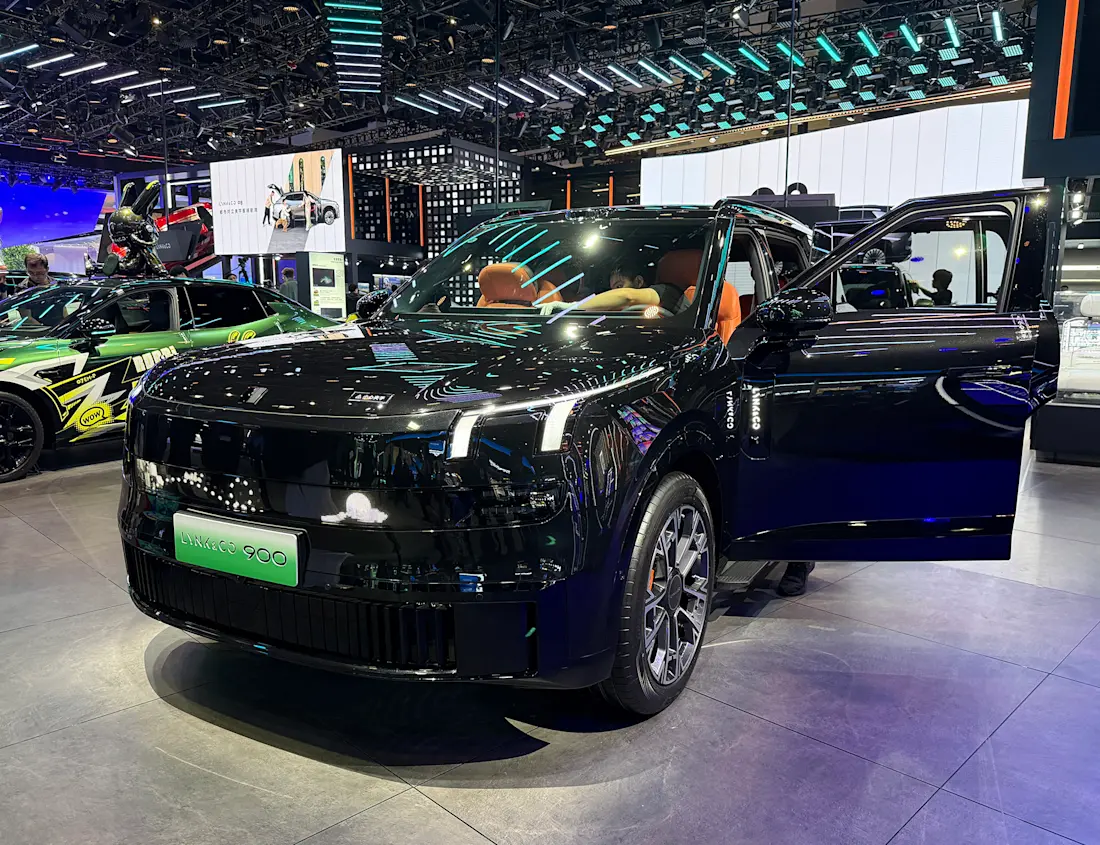
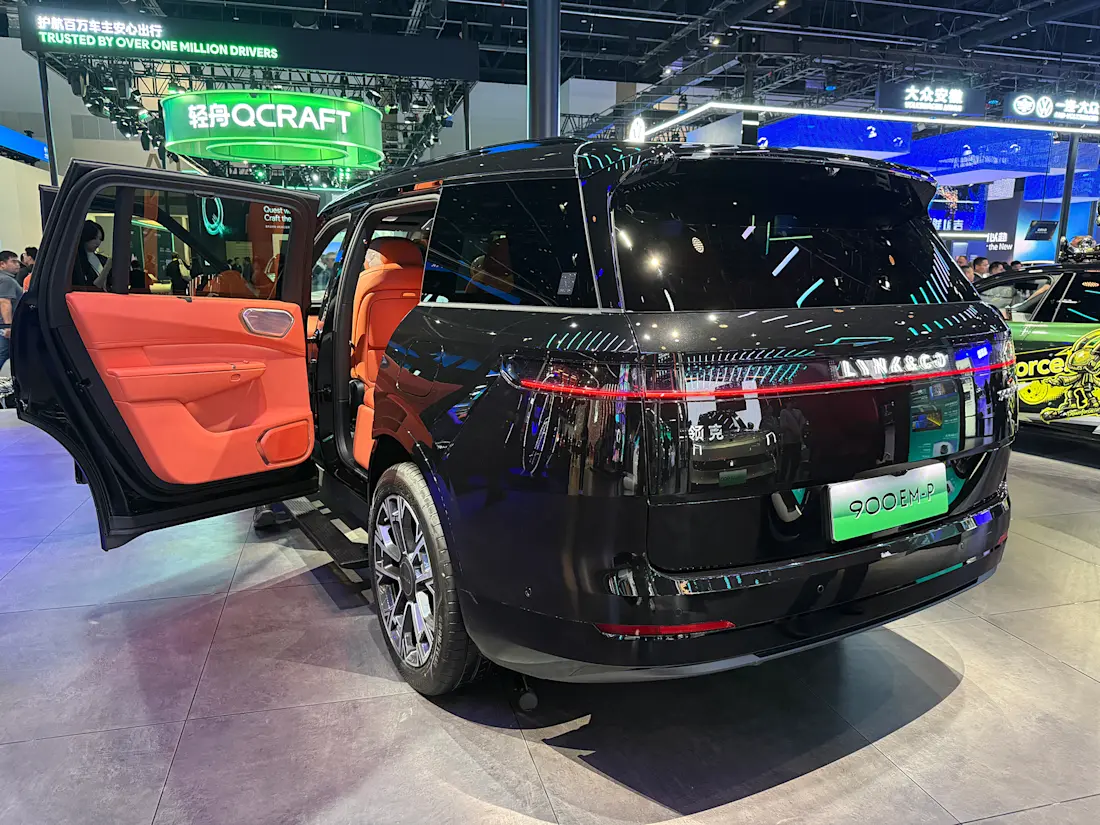
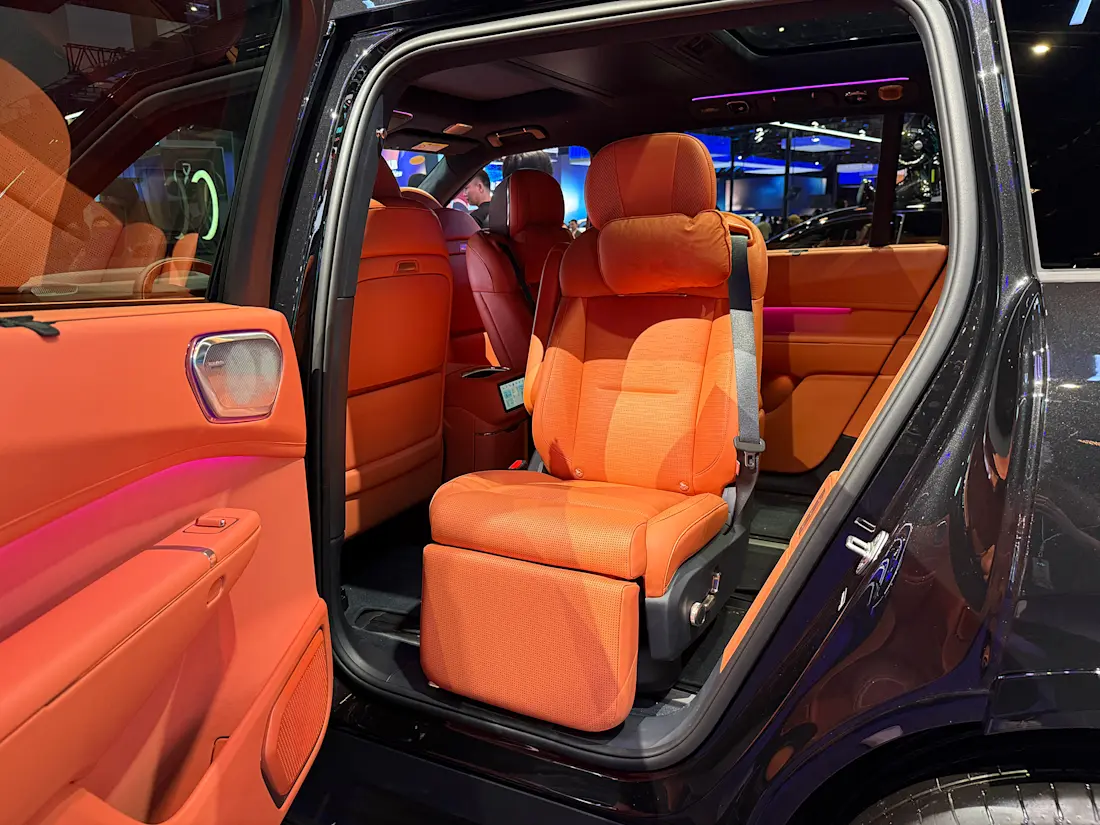
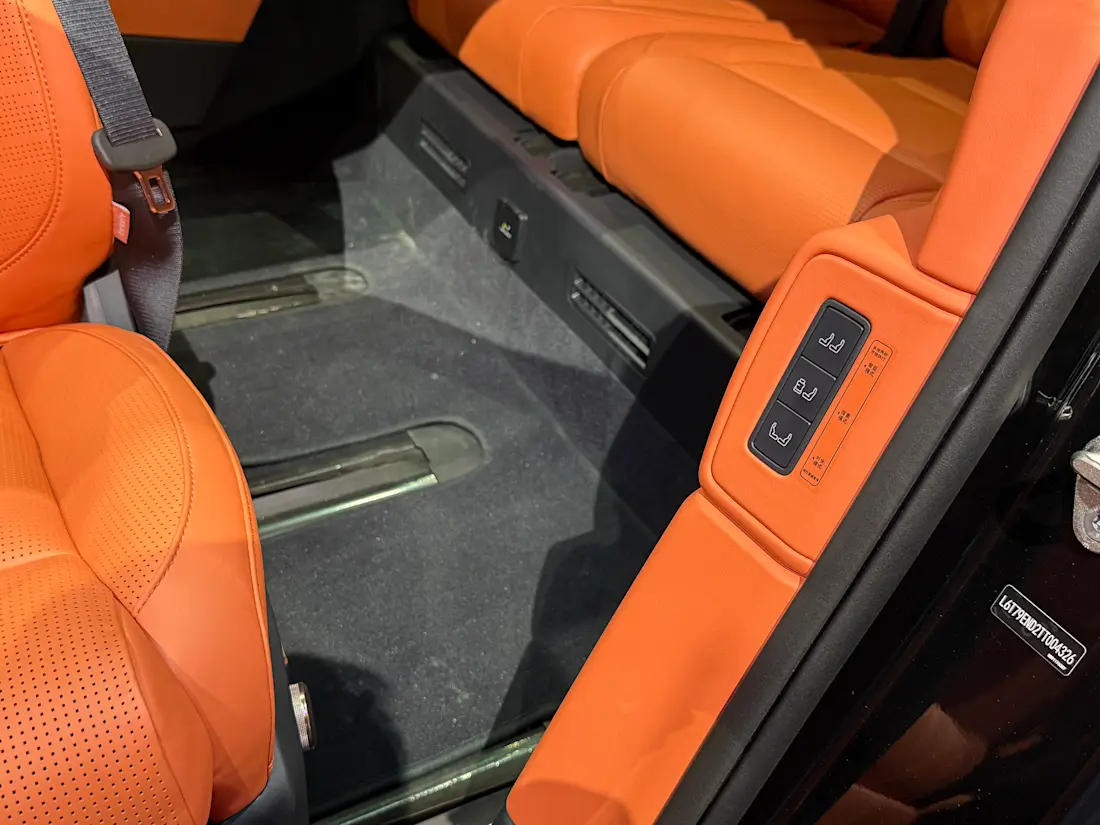
For those looking for a family SUV that’s more luxurious than rugged, there’s the flagship Lynk & Co 900. Riding on the same platform as the Volvo XC90 (Lynk & Co is part of the big Geely conglomerate that also owns Volvo), the plug-in hybrid 900 makes up to 845 horsepower with a gas engine and three electric motors, and clearly finds aesthetic inspiration from the Range Rover Sport.
Unlike the Range Rover, however, it has a party trick that’s decidedly minivan-coded: second-row seats that swivel. The 900 is a three-row six seater, and at the press of a button located near the rear door sill, the second-row captain's chairs can rotate 90 degrees for easier ingress or egress or the full 180 so they face backward, turning the rear of the Lynk & Co 900 into a little four-person lounge area. I’m frankly surprised there isn’t a built-in Mahjong table in there, too, although something tells me someone somewhere in China has indeed fitted their 900 with one using the magic of the aftermarket.
Zeekr 007 GT
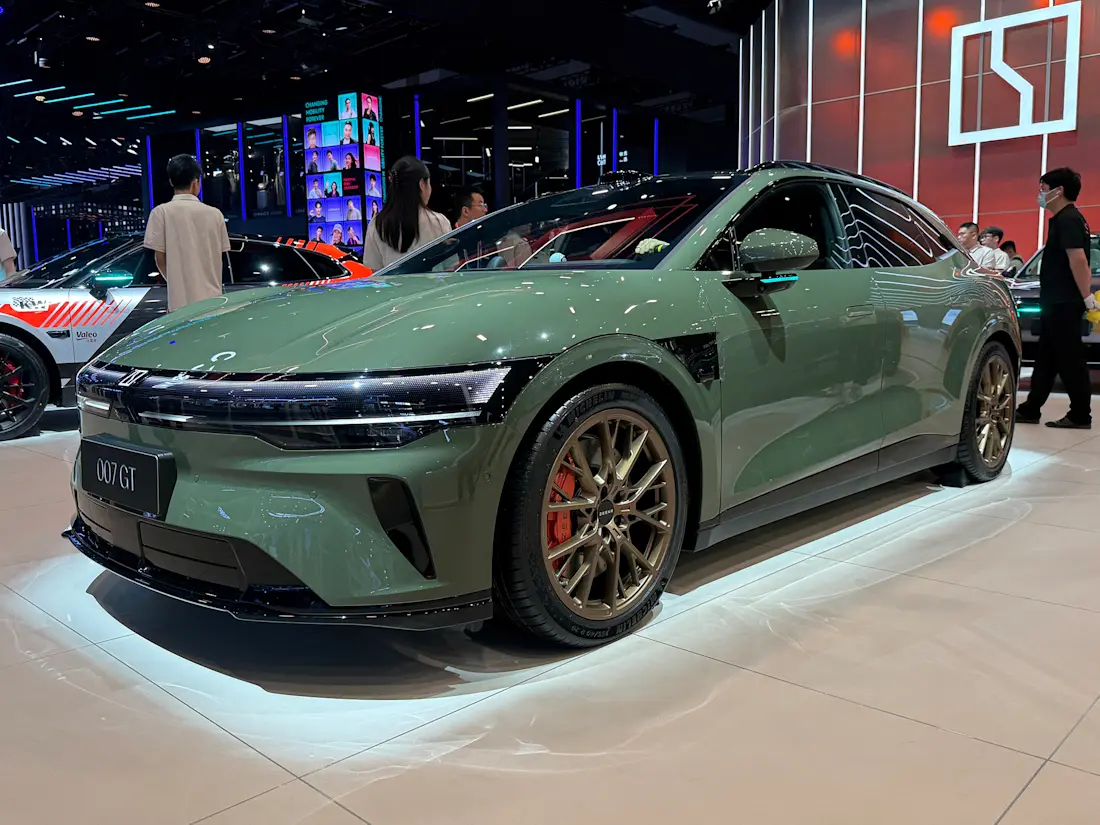
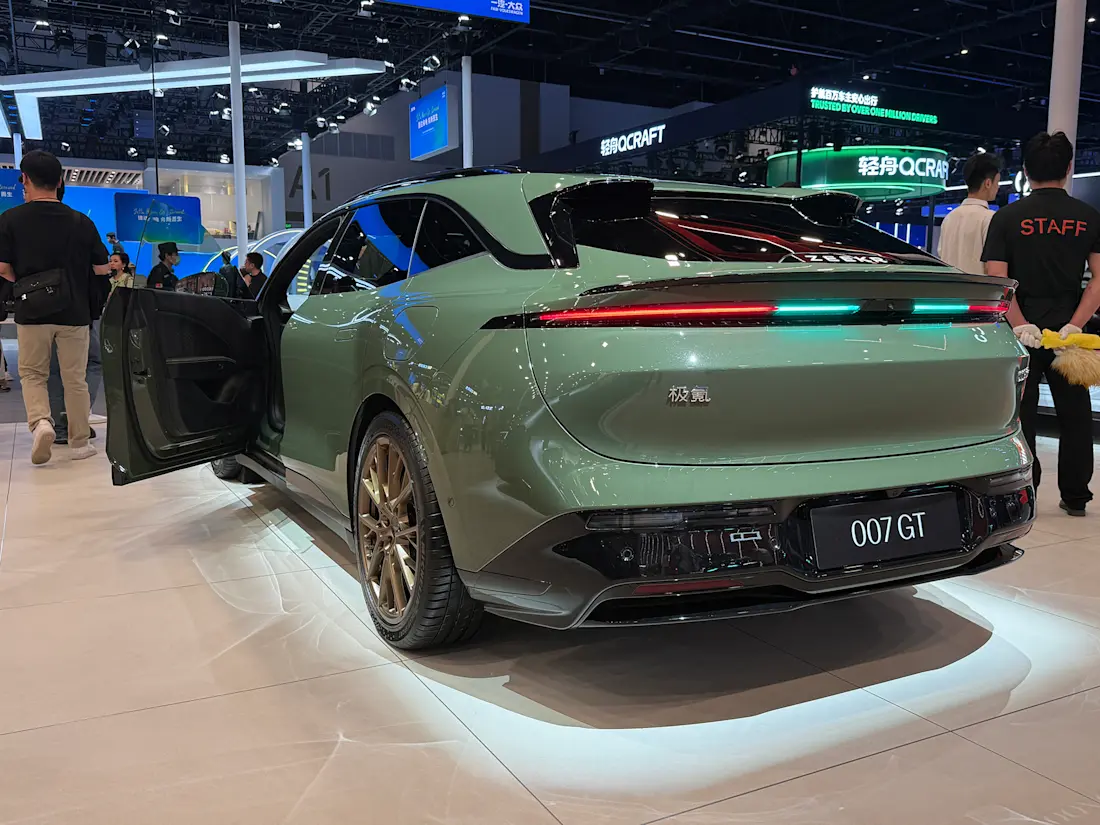
A Chinese family vehicle that should appeal to car enthusiasts is the Zeekr 007 GT. It’s the high-performance version of the Zeekr 007, Geely’s luxury electric compact-ish sedan. Comparable in size to the BMW i4 and Tesla Model 3 and designed in Gothenburg, Sweden, it exudes budget Porsche Taycan Sport Turismo energy, a brief that extends to what lies underneath the skin.
When optioned with dual-motor all-wheel drive, it produces 637 horsepower and gets from zero to 100 km/h in less than three seconds. It’s quick to charge, too, using an 800-volt architecture allowing for DC fast charging at speeds of up to 500 kW, with Zeekr claiming 500 km range recoupable in as little as 15 minutes. Above all else, it looks extremely cool, especially in this shade of desaturated green on gold wheels, but perhaps the detail that really seals its deal as an enthusiast car is that it’s only available as a wagon.
Radar RD6
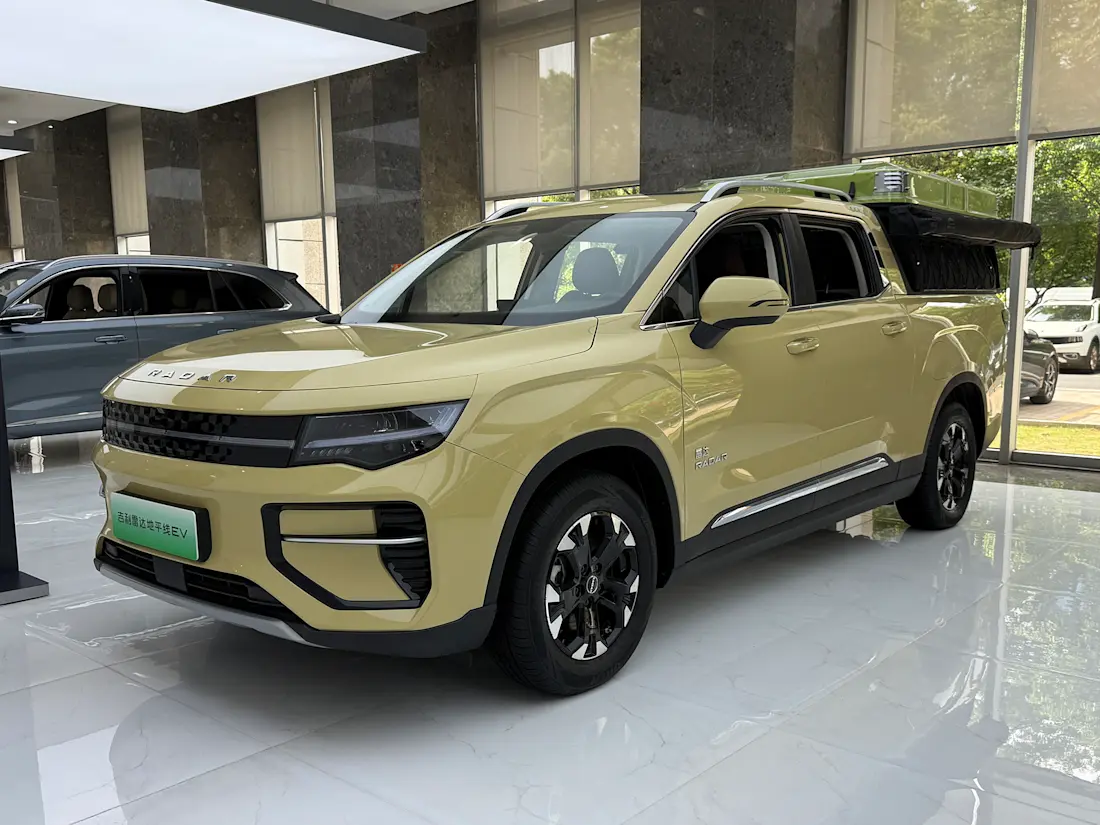
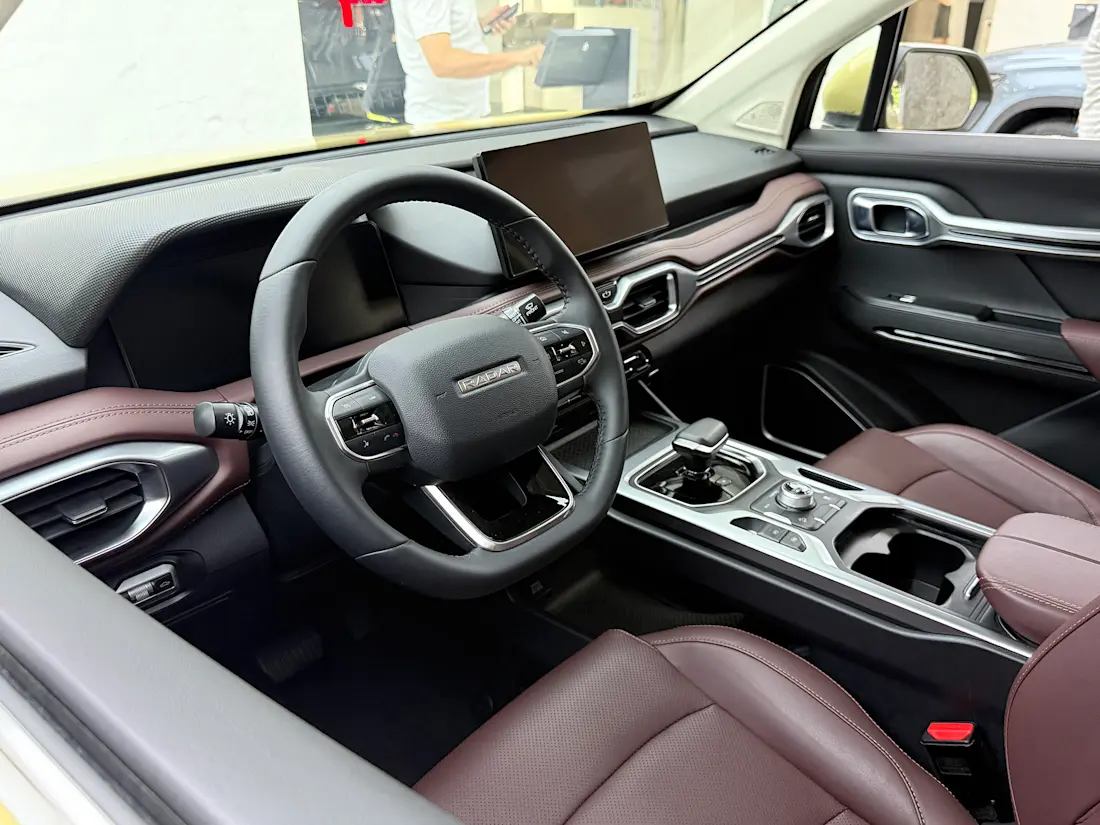
It took Honda and Hyundai many years to come out with their small-ish, unibody pickup trucks in the Ridgeline and Santa Cruz, but Geely is already making one under its Radar subbrand with the RD6. Overseas, it’s available as both a plug-in hybrid or all-electric vehicle and rocks a very functional-looking interior and an exterior penned by the same person who gave us the Ford Flex.
Maximum towing capacity stands at 3,000 kilograms with the all-wheel-drive version, it’ll get from zero to 100 km/h in 4.5 seconds, and it can apparently wade up to 815 mm of water. This brand is also known as Riddara, and perusing its website, we couldn’t help but notice how many fun colours the RD6 comes in. You can get it in this dune-ish yellow, but also a light, almost pink-ish brown, pastel green, or a dark turquoise. Regardless of paint finish, if the RD6 ever comes here offering a Ridgeline-grade electric truck experience for Ford Maverick money, it could be a proposition a lot of Canadian truck buyers will find hard to ignore.
Hyundai Ioniq V
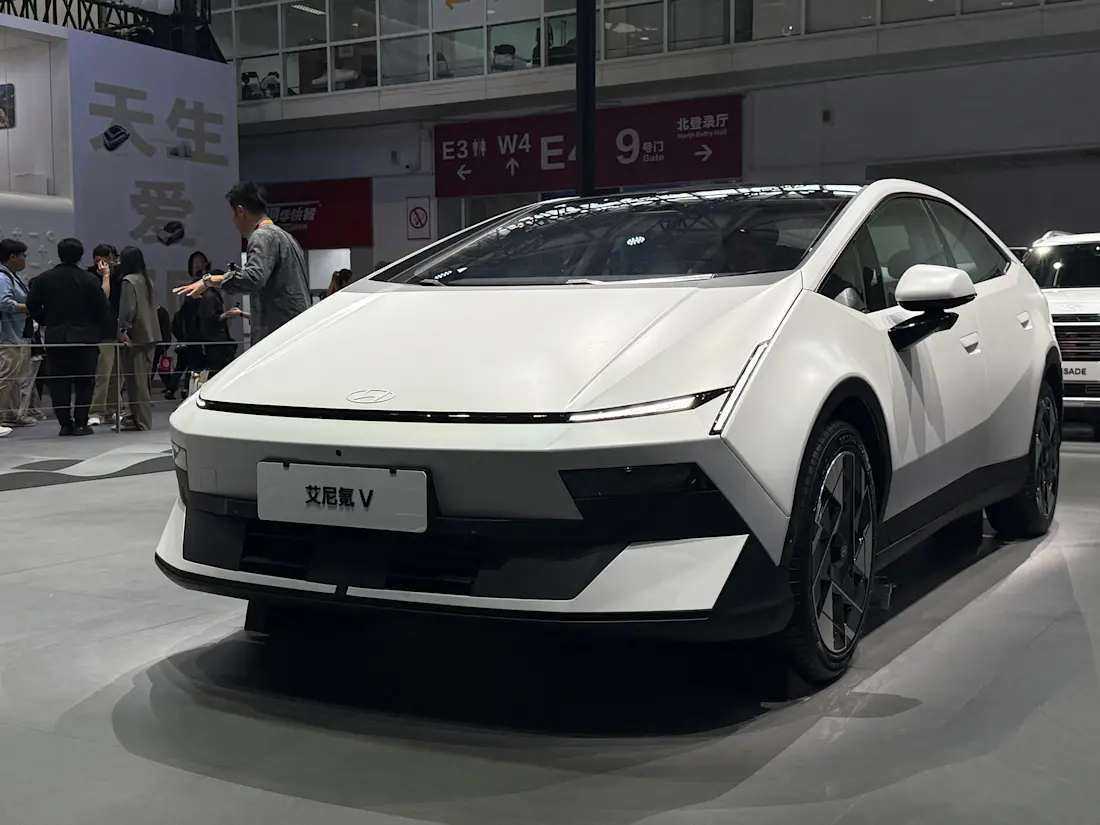
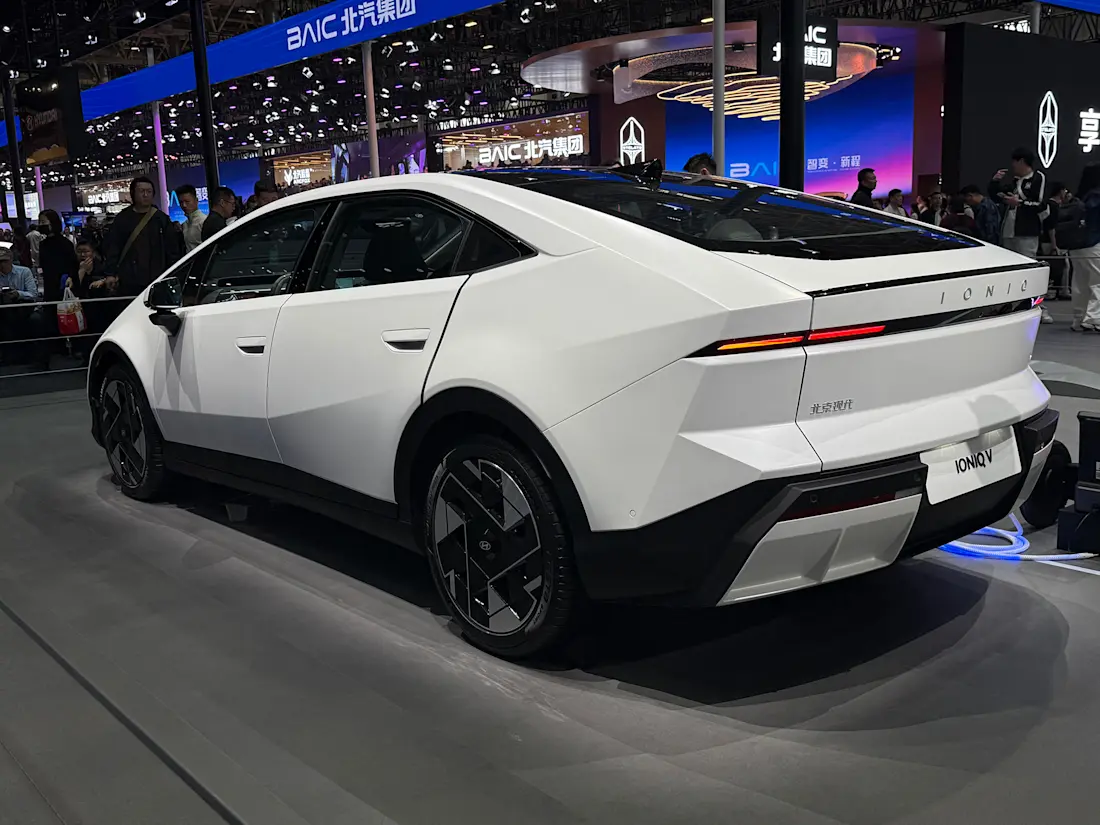
No, the badge on its nose may not be Chinese, but the electric Hyundai Ioniq V is built in China specifically for that market and happened to be one of the coolest debuts at this year’s Beijing Auto Show. Hyundai is claiming more than 600 kilometres of range on the admittedly easier CLTC test cycle.
“The future is here” is an overused sentiment when it comes to Chinese EVs, but the cyberpunk styling of the Ioniq V really does look like it was ripped straight out of a children’s book about what the 2020s would be like circa 1999. Its interior sets itself apart with a very Chinese-market-friendly widescreen setup that’s very different from the Hyundai cabins we get in North America (read: it’s better than the ones we get in North America).
Honourable Mention: Hongqi S-Concept
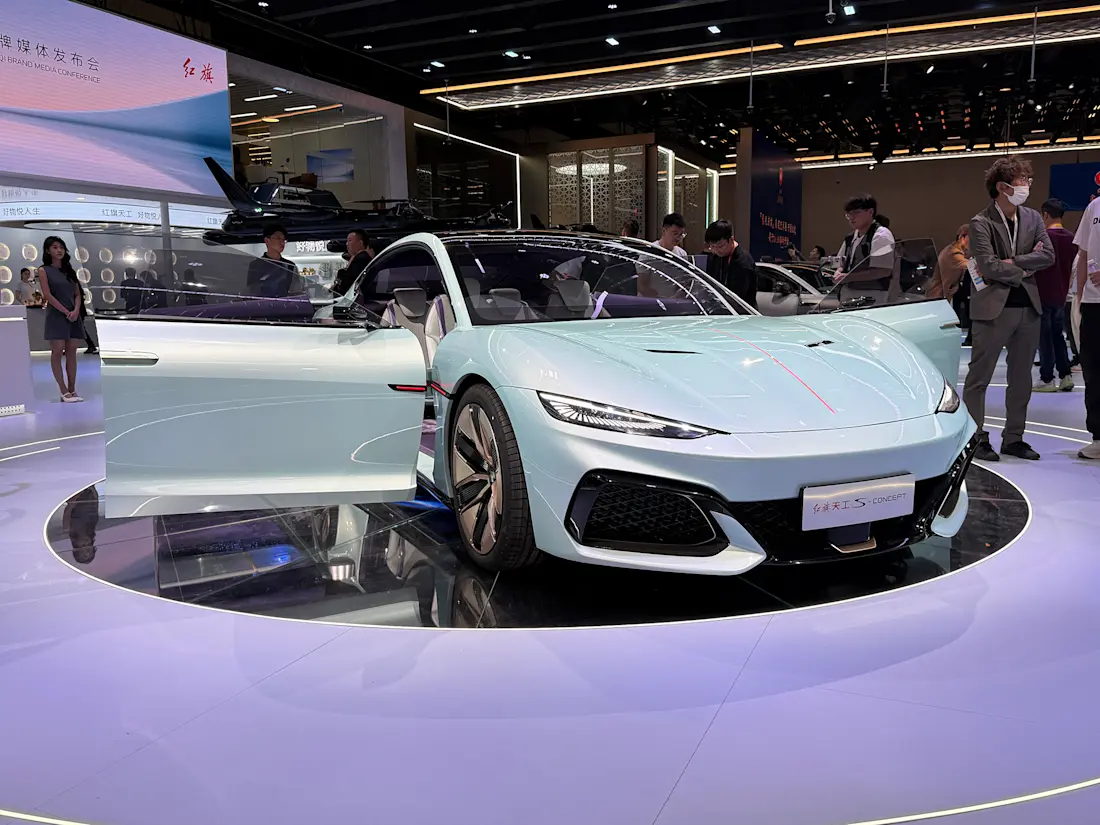
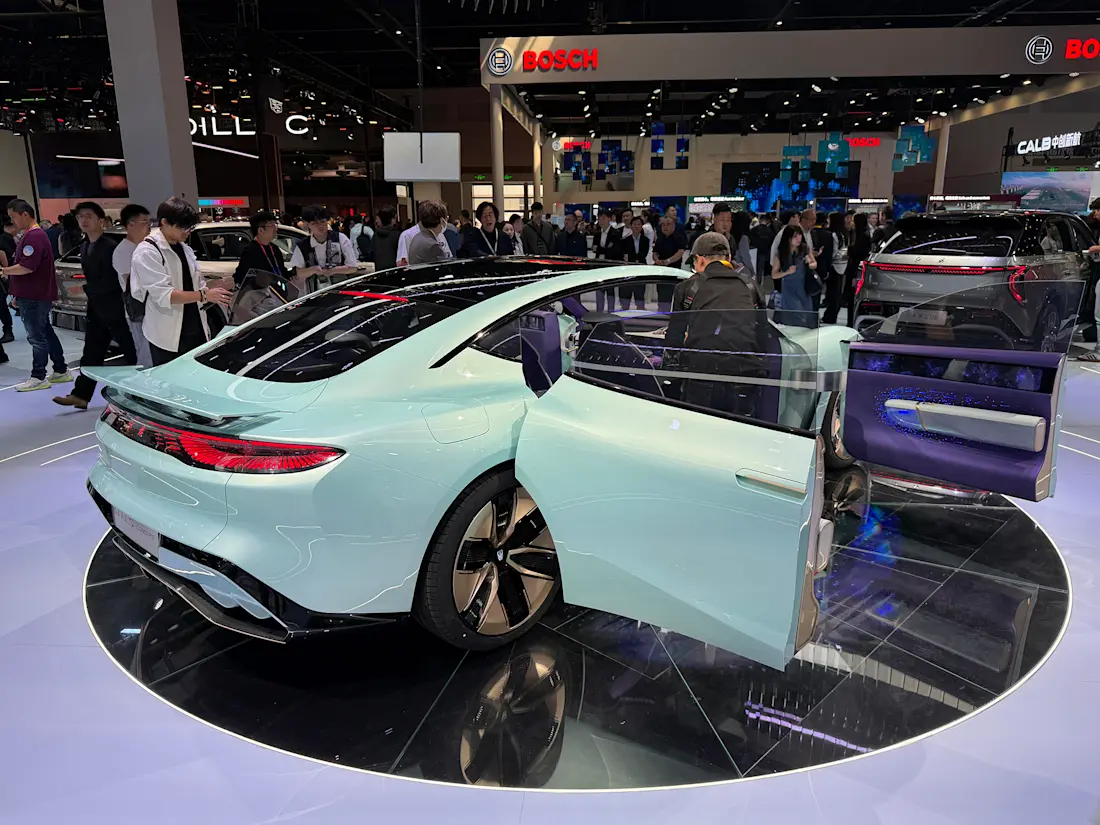
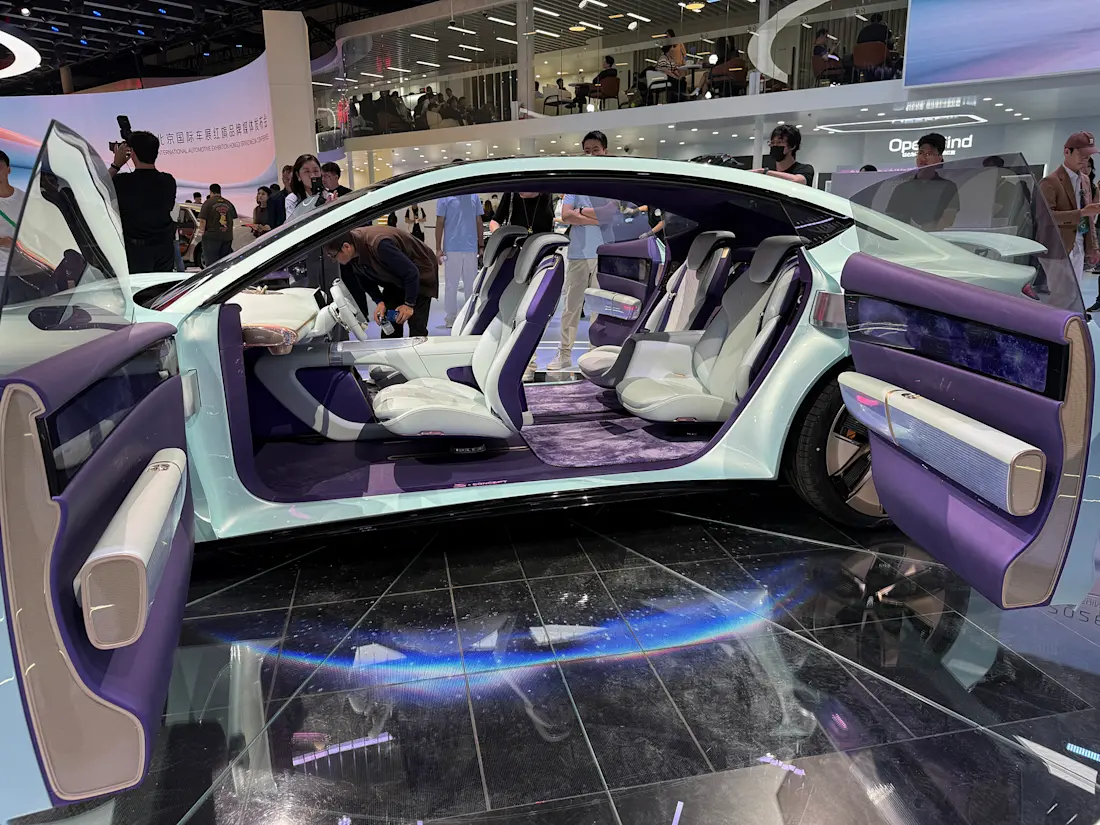
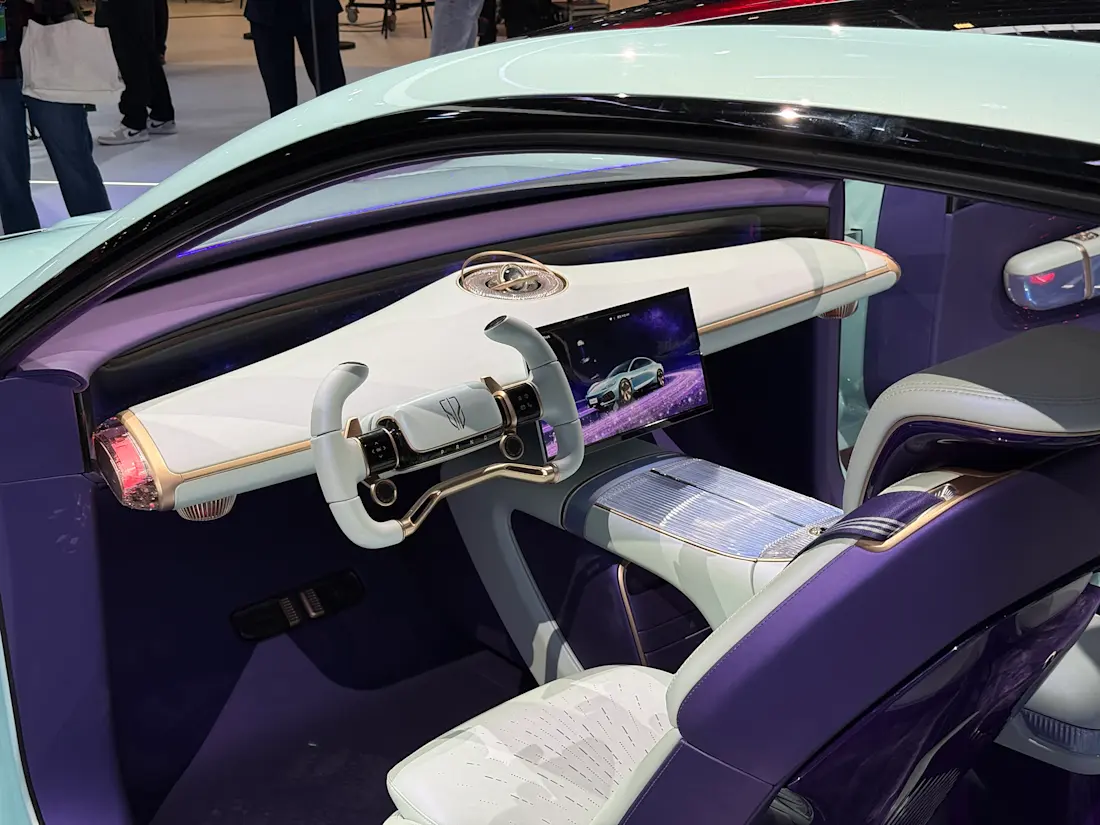
An inevitable sight at auto shows is the wild concept cars that may or may not ever come to production, and one of the more striking examples at this year’s Beijing Auto Show has got to be the Hongqi (pronounced “hong-chi”) S-Concept. A lean, aggressive, four-door, four-seater that’s definitely sporty but not a sports car per se, its rear doors are rear-hinged, and there’s somehow no B-pillar, so the cabin is completely open when all the doors are open. Peek inside and the interior is adorned in purple and white leather, a yoke-style steering wheel, and a bunch of gold trinket-y trim that culminates in this spinning orb thing that sits in the middle of the dashboard for… reasons. If people in Harry Potter’s universe drove cars instead of broomsticks, the interiors might look a lot like this.
Honourable Honourable Mention: Leapmotor’s Tim Horton’s pop-up
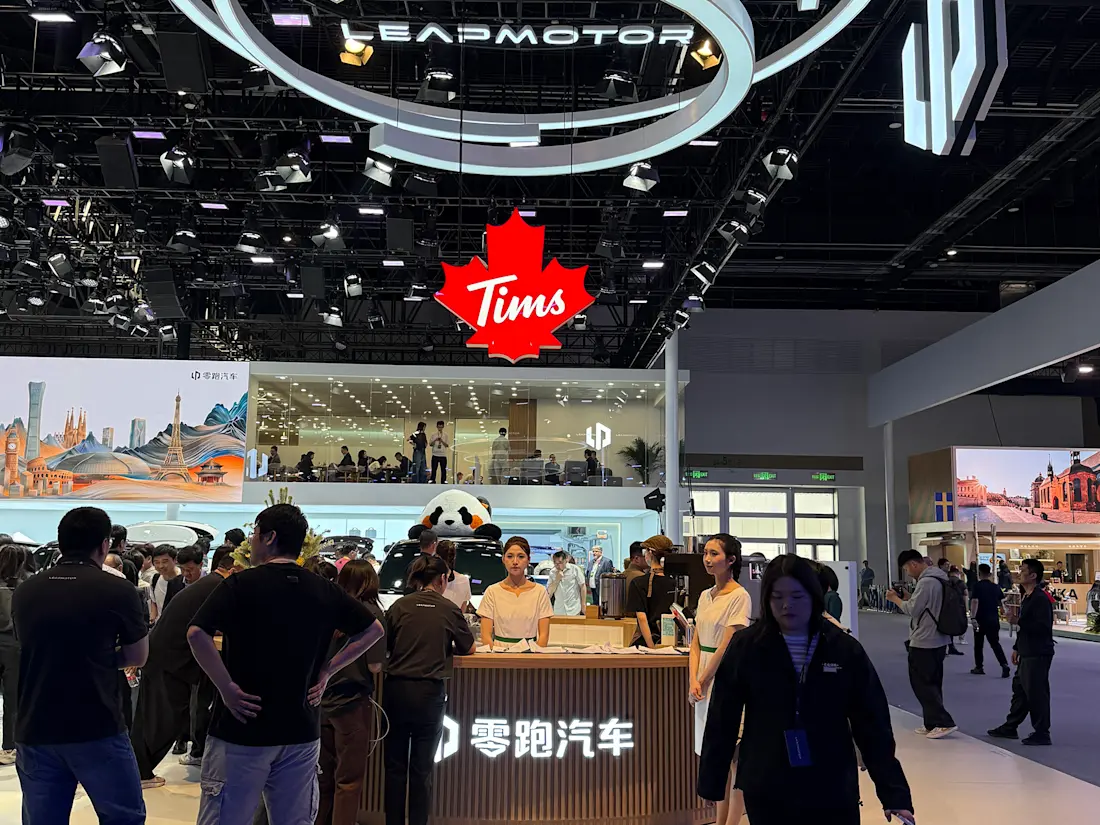
Ten thousand kilometres away from home, jetlagged, feet aching, trying to drink in everything the Beijing Auto Show had to offer, I spotted a weirdly familiar, soothing sight at the Leapmotor stand: a Timmies. The appearance of the world’s most Canadian coffee chain feels less random when you remember that Stellantis (formerly known as Fiat Chrysler) owns about 20 per cent of Leapmotor and that there have been rumours that say the company’s idled Brampton, Ont., plant will be repurposed to assemble Leapmotor EVs.
In any case, whether you’re a working Canadian car journalist or a UW/UBC international student missing a taste of campus, you know where to go to get your double-double fix.

All Articles
See all
AutoTrader Find of the Week: 1959 Mercedes-Benz 300 SL Has Transcended Being Just a Car
This classic is epically beautiful, exceptionally rare, and very, very expensive.
 Chris D’Alessandro

6 Cool Facts About DeLorean You Might Not Know
If this car wasn’t in ‘Back to the Future,’ it might have been lost to history.
 Jil McIntosh

Own the Road with AutoTrader, Episode 116: Learn Something from these Impossible Car Questions
The answer to the meaning of life is simple by comparison to these questions.