
6 Cool Facts About DeLorean You Might Not Know
 Jil McIntosh


If the people who made the 1985 hit movie Back to the Future hadn’t portrayed the film’s time-travelling machine by picking a car from a company that had closed three years prior, it’s likely almost no one would have heard of DeLorean today. But they did, and we have six cool facts about this unusual car (built for 1981 and 1982) that is even better known now than when it was in production.
It Was Created by a General Motors Executive
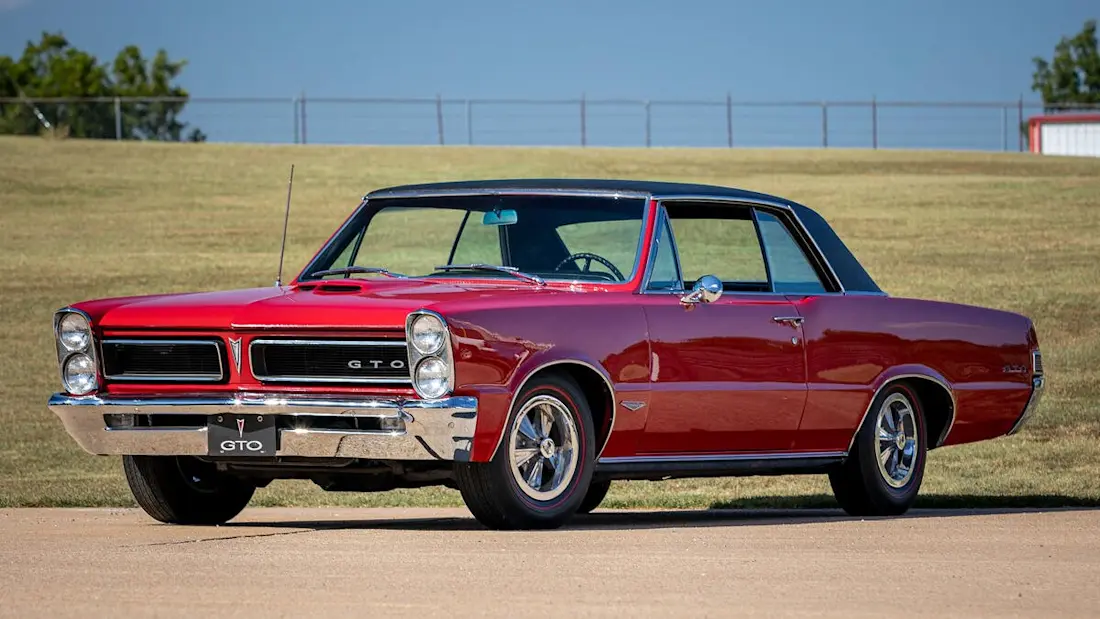
John DeLorean loved fast cars and hated rules. As director of advanced engineering for Pontiac, he’d created the GTO muscle car by putting a bigger engine into the compact Tempest. That broke GM’s limits on a model’s horsepower compared to its weight, so DeLorean found a loophole. He called it the GTO Package, buried it deep in the options list, and quietly told dealers how to order it. His superiors weren’t happy when they found out, until the 5,000 customer orders expected for it ballooned to more than 32,000. The rules went out the window, and the GTO soon became its own model.
From there, DeLorean moved to Chevrolet, where he became its general manager. More promotions followed, and it looked like President of General Motors might be next. But he’d never really been a “corporate guy,” and he abruptly resigned in 1973 with plans to build a car of his own.
The DeLorean was Built in Ireland
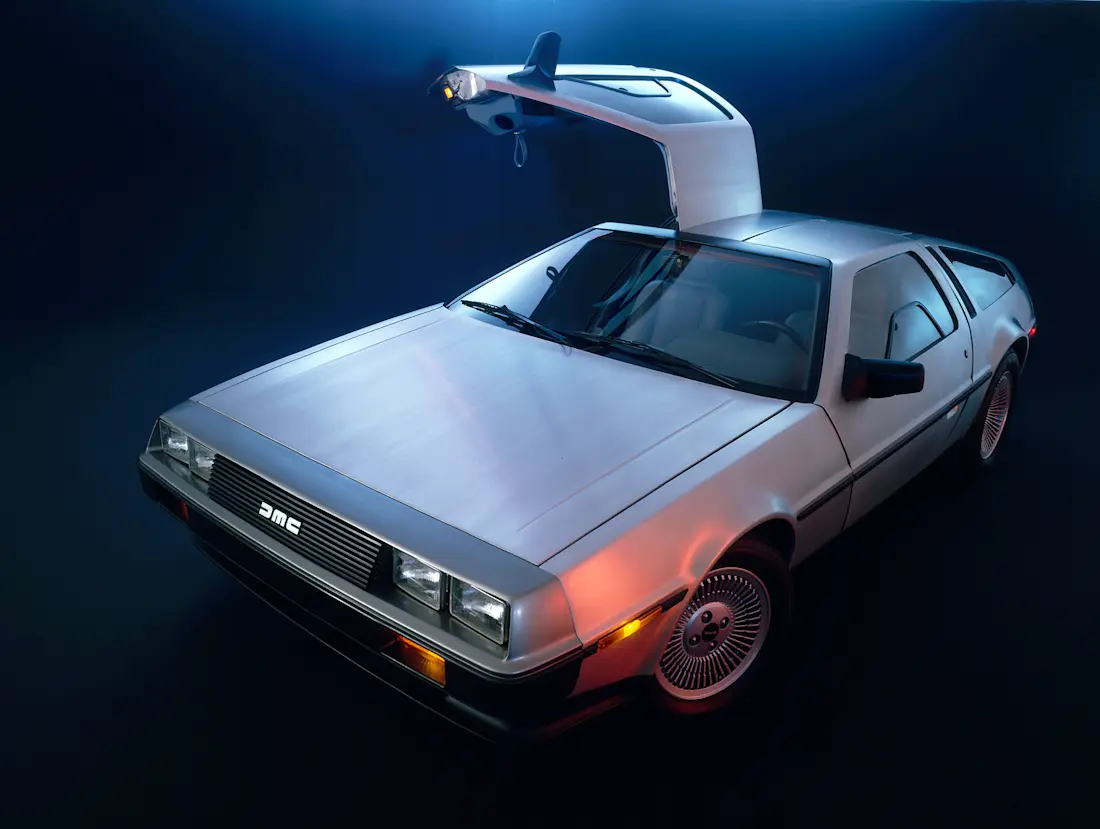
Starting a car company from scratch is unbelievably expensive, and DeLorean searched for a job-hungry jurisdiction that would help him finance it. That turned out to be Belfast in Northern Ireland. The British government eventually sank the equivalent of some $138 million into the company, or about $508 million in today’s cash. He also got 345 American car dealers to toss in $25,000 each, with the expectation they’d get to sell his exciting new car, along with funding from various banks and private investors. Despite its Irish heritage, the DeLorean was primarily sold in the U.S., although a few went to buyers in Europe, and a small number were converted to right-hand drive for the British market.
It Owed its Engineering to Lotus
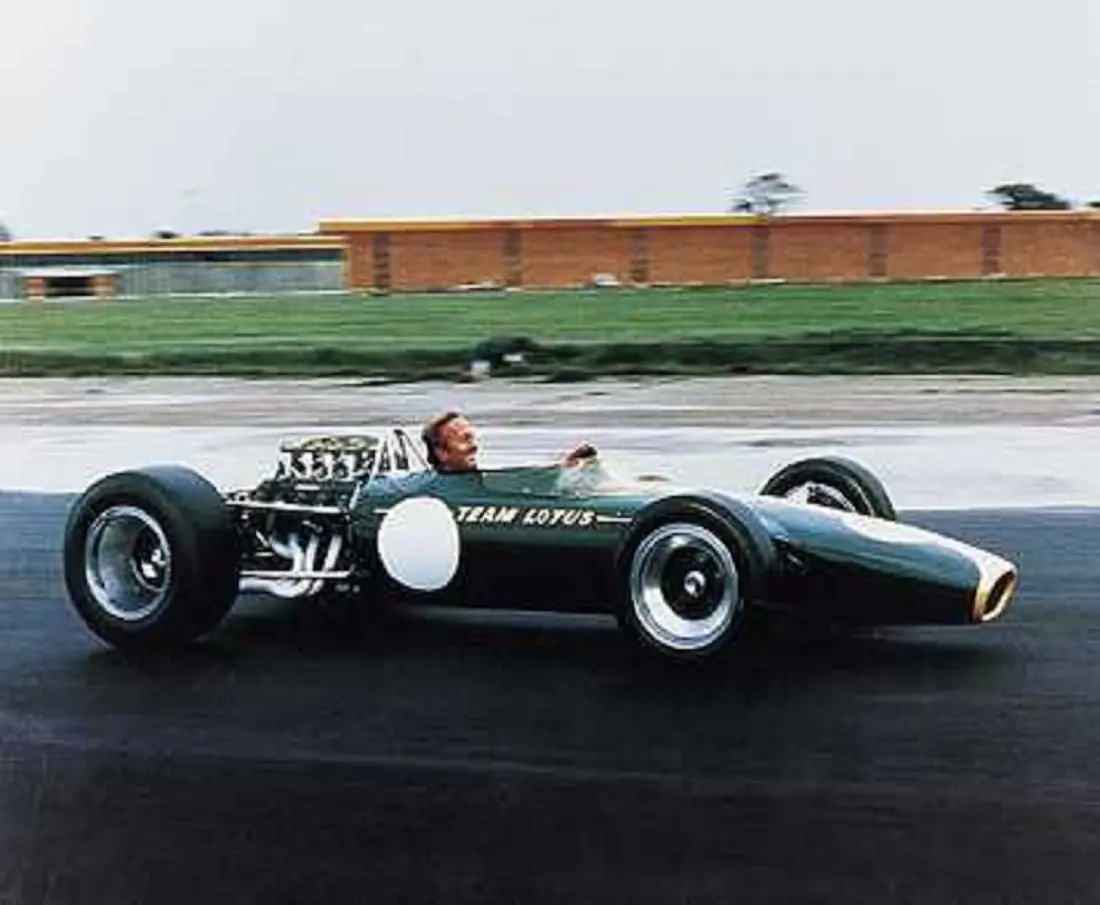
Specifically, to Lotus founder Colin Chapman, a brilliant engineer who specialized in lightweight construction. DeLorean had a revolutionary idea of using a substructure made of fibreglass and plastic instead of a frame, but it was too complicated and expensive for mass production. Chapman designed a steel “backbone” frame for it, where a central tube connects the front and rear suspension. William Collins, who came over from Pontiac, created the prototype, while the car’s wedge design was by Giorgetto Giugiaro of Italdesign. DeLorean also poached executives from Jaguar, Aston Martin, and Chrysler for his team.
It Wasn’t Actually Made of Stainless Steel
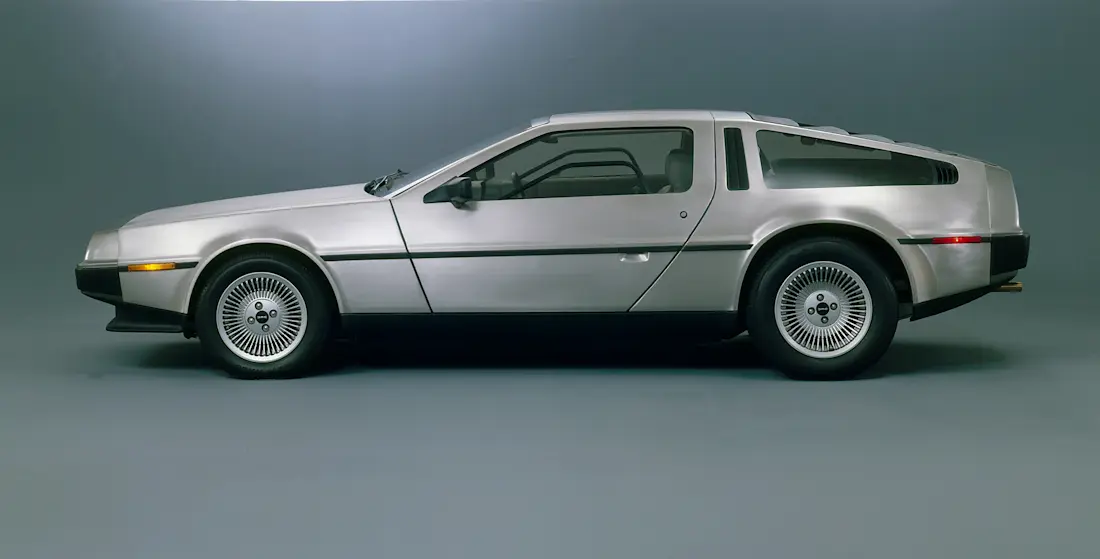
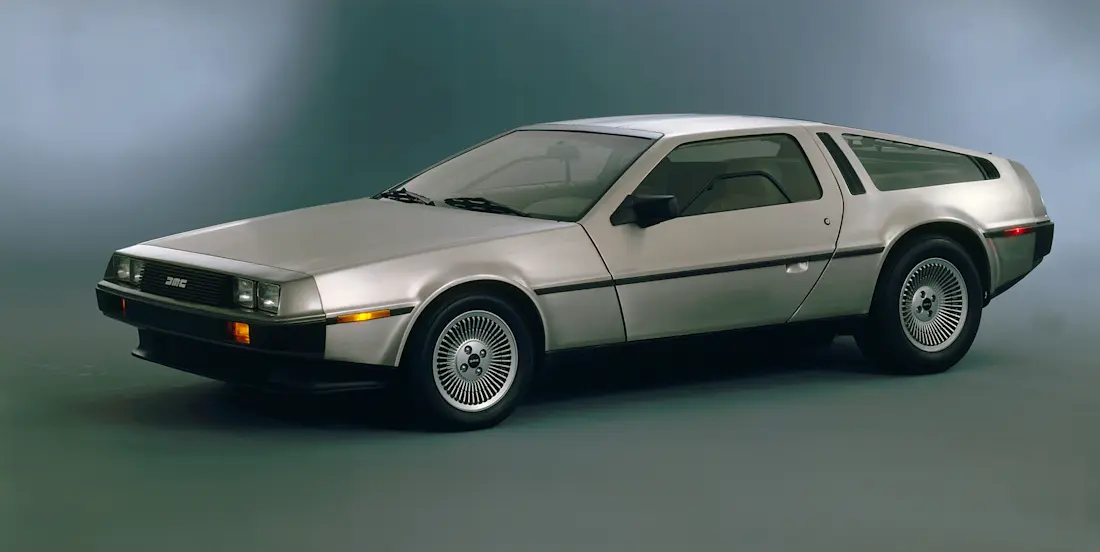
The DeLorean stood out for its unpainted and unmistakable stainless steel. But the body wasn’t made out of that material; instead, it had steel panels over a fibreglass shell. Owners quickly learned that touching it would leave annoying fingerprints. Since repairs couldn’t be smoothed out with body filler and hidden under paint, damaged panels had to be replaced. It was also difficult to stamp the steel at the factory. Early cars had a gas door in front of the windshield wiper to fill the front-mounted tank, but stamping it could dent the hood. It was discontinued, and drivers now had to open the hood to access the fuel filler. Hood styling lines were also dropped in favour of an easier-to-produce flat version.
Another feature, its gullwing doors, also proved problematic, and workers struggled to fit the car’s panels together during assembly. DeLorean had wanted a rotary engine, but had to settle for a 2.8L V6 supplied by France’s Peugeot-Renault-Volvo (PRV). It made 130 horsepower, and this sports car wasn’t really all that sporty, especially compared to brands like Porsche that DeLorean thought would be his competition.
John DeLorean Got Caught in an FBI Drug Sting
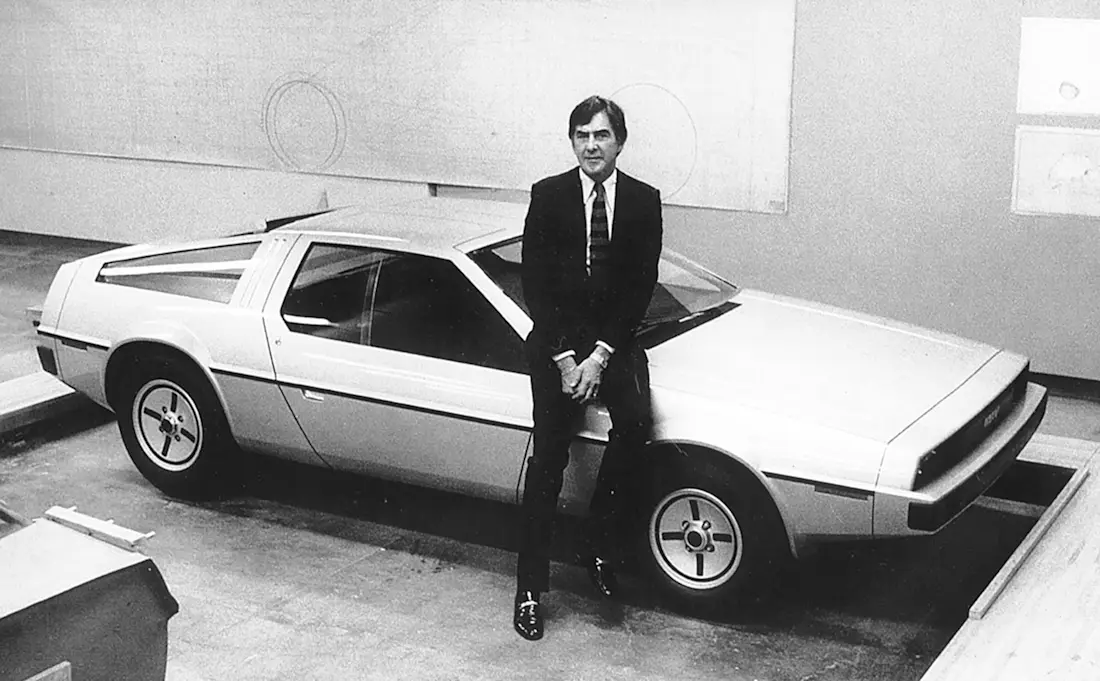
The new car was initially planned for 1979, but didn’t go into production until 1981. It was difficult to manufacture and was priced as high as $29,825 – more than the starting tag on a Porsche 911 – and had to be marked down as sales slowed. As a result, DeLorean was going broke. He tried to raise $27 million in a stock issue that fell through, and the British government wouldn’t supply any more money. The automaker went into receivership, and the government closed it on October 18, 1982.
DeLorean was in Los Angeles, where he was arrested in a sting operation where he allegedly tried to buy 24 kilograms of cocaine. It’s believed he intended to sell the drugs to keep his company afloat. The factory never reopened, and only about 9,000 cars were built. He was acquitted two years later on grounds of entrapment.
And It Wasn’t the Only Scandal
Colin Chapman seemed tied to DeLorean for more than just his chassis design. His Lotus company was also tight on funds, requiring a large loan in 1975 and cancellation of a planned expansion to stay afloat. The British government later discovered some £15 million was missing from the money it had given to DeLorean. It had gone to a company registered in Panama and based in Switzerland that Chapman and his financial director Fred Bushell had created.
Investigators believed Chapman, Bushell, and DeLorean planned to share the skimmed cash. Chapman died before he could be arrested, and DeLorean was never extradited from the U.S. to stand trial as a co-conspirator. Bushell went to prison for three years but never revealed any details about the scheme; and based on the investigation, the judge said he’d have given Chapman 10 years if he’d still been around. It was a strange ending for a car that would really only become famous once it went back in time.

All Articles
See all
Is Driving a Manual Car All It’s Made Out to Be? I Learned to Find Out
Is driving with three pedals a useful life skill, analogue nostalgia, or just obsolete knowledge?
 Michael Karant

AutoTrader Find of the Week: 1984 Pontiac Firebird Trans Am Recaro Deserves Its Flowers
This classic is immaculately restored, exceptionally rare, and built for troublemaking.
 Chris D’Alessandro

New Movie Spotlights a ‘Mad Canadian’ Stunt Driver’s Death-Defying Antics
Ken Carter embodied courage and contradictions.
 Sami Haj-Assaad