
2027 Volkswagen Atlas First Drive Review
 Chris Tsui


Other than the iconic bus from the 1960s, Volkswagen has mostly built its image around small cars.
When the average person thinks of VWs, they probably think of Golfs and Beetles, but market forces — particularly in North America — have left those behind in favour of larger crossovers. To cater to our addiction to on-road real estate, the company introduced the three-row Atlas a decade ago.
The 2027 Volkswagen Atlas marks the model’s second generation, bringing style, technology, space, and a drive that’s been engineered to please.
Quiet Style, Quiet Quality
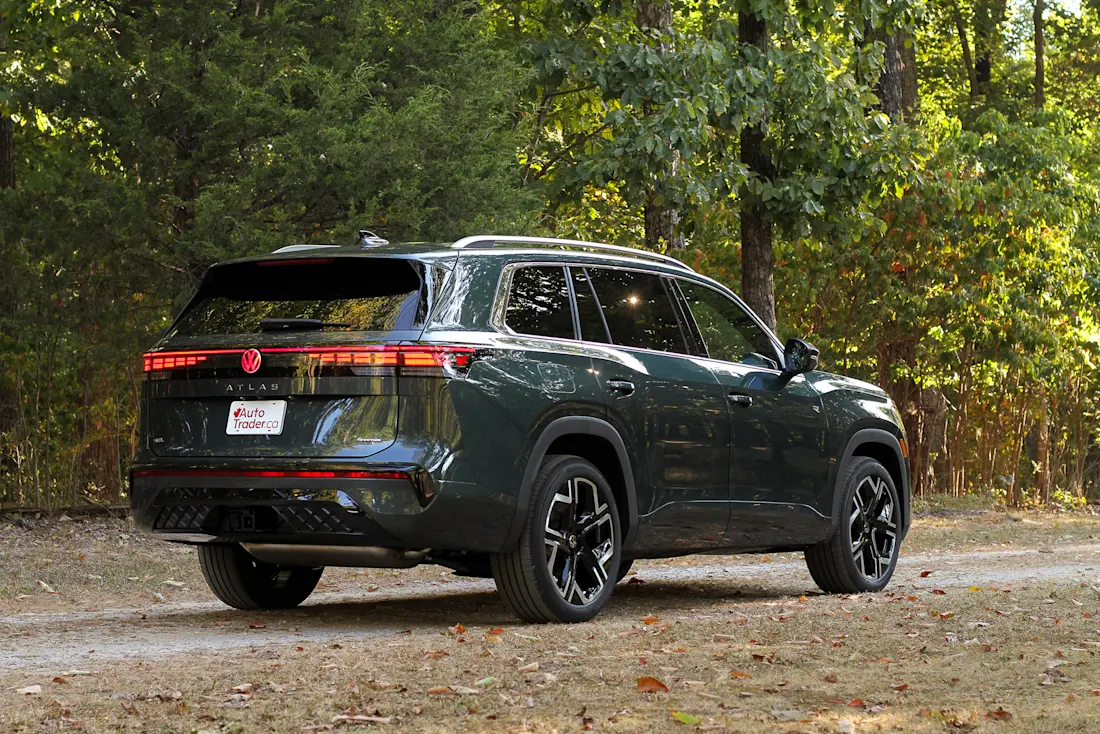
In Canada at least, the Atlas is the largest vehicle Volkswagen sells. (Production of the all-electric ID. Buzz for North America is currently on hold.) This overhauled 2027 version looks distinct from its predecessor with a more upright profile, LED light bars up front, and 3-D animated tail lights. Unlike some of its competitors, the Atlas still probably won’t turn many heads with its style; whether that reads as timeless or staid is subjective.
Interior styling is similarly restrained, but VW takes pride in this cabin’s quality, which feels class-leading. Genuine open-pore wood trim is standard in all trims, lots of surfaces are covered in leather, selectable ambient lighting can be one of as many as 30 colours, and build quality is strong.
Nature Has Healed
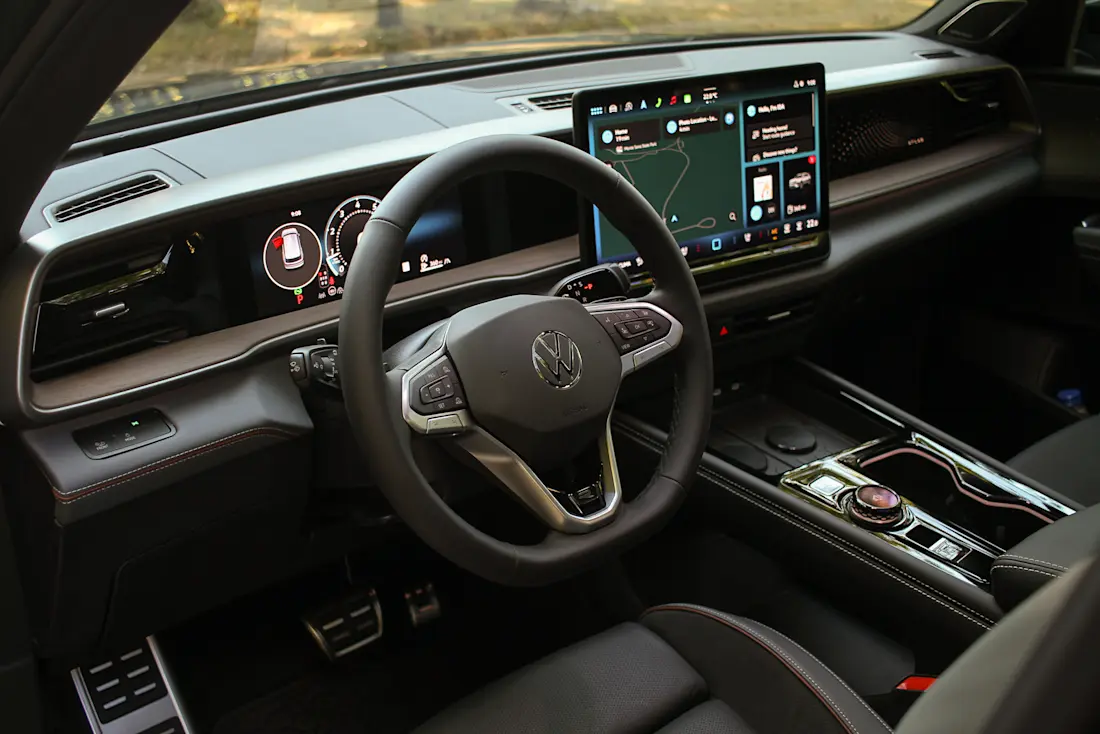
Volkswagen got a lot of flak a few years ago when it moved to touch-heavy interiors, but it has addressed the criticisms with its recent products. The steering wheel has proper buttons, the software within the available 15-inch touchscreen is usefully easy to make sense of, and there’s a massive volume knob that has a little screen in it, since it doubles as a drive mode selector when depressed. Swipe the tiny screen and it even lets you pick between infotainment themes.
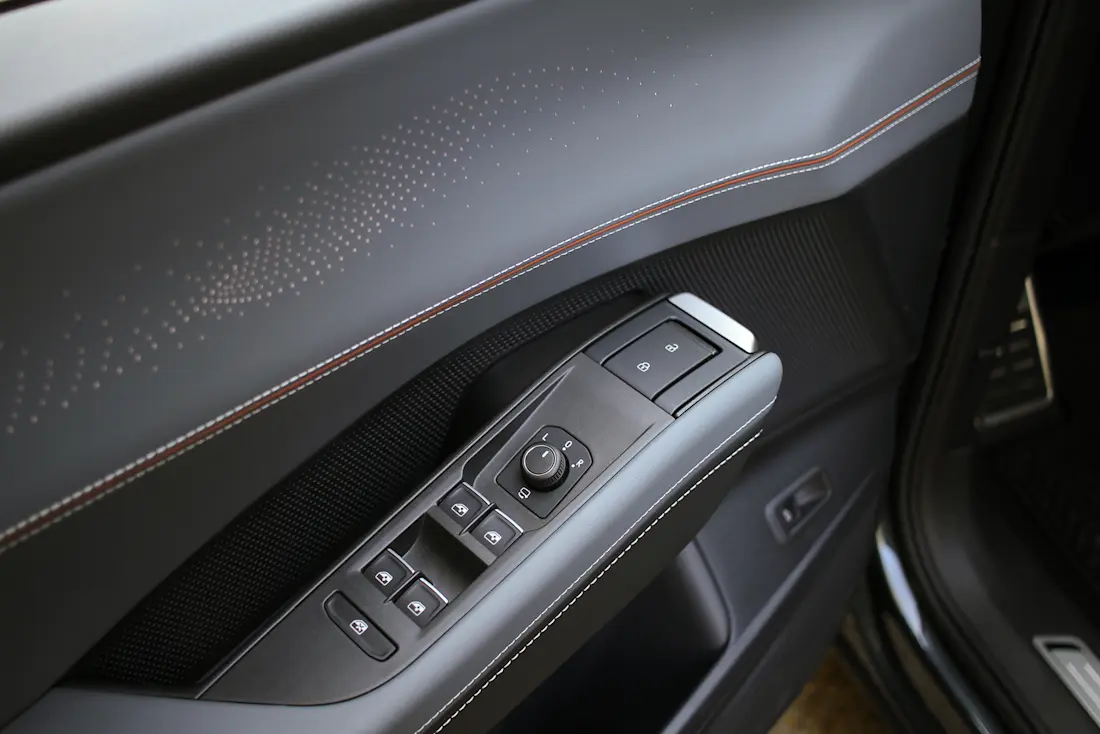
That hasn’t stopped the brand from innovating a little, namely with the gear selector and interior door handles. The latter in particular are integrated in a way that’s aesthetically elegant and, to their credit, not confusing. You grab onto the front edge of the armrest and pull up. The little nooks within the armrests are also big enough to store an entire (regular) iPhone.
More wins include wireless Apple CarPlay and Android Auto, two standard wireless chargers with MagSafe that actually works (no more guessing where your phone should sit so it charges properly, or devices that slide around), a 10.25-inch instrument display with a remarkably high refresh rate for smoother animations, standard heated and ventilated front seats standard, available massage settings up front, standard rear sunshades, and a total of seven USB-C ports throughout.
Loads of Space
The big reason you’d get this crossover instead of the Tiguan is size, and the Atlas has plenty. This VW can seat seven people with the second-row bench or six with captain’s chairs in its place. And unlike many competitors, those seats are offered as an à la carte option.
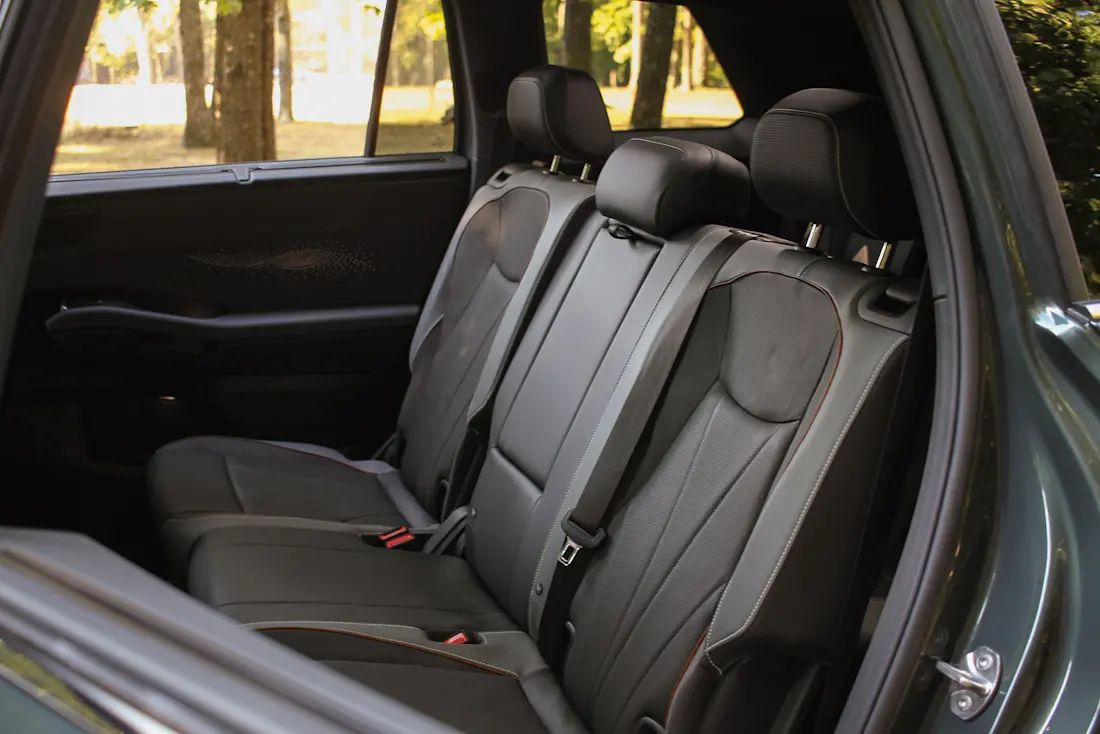
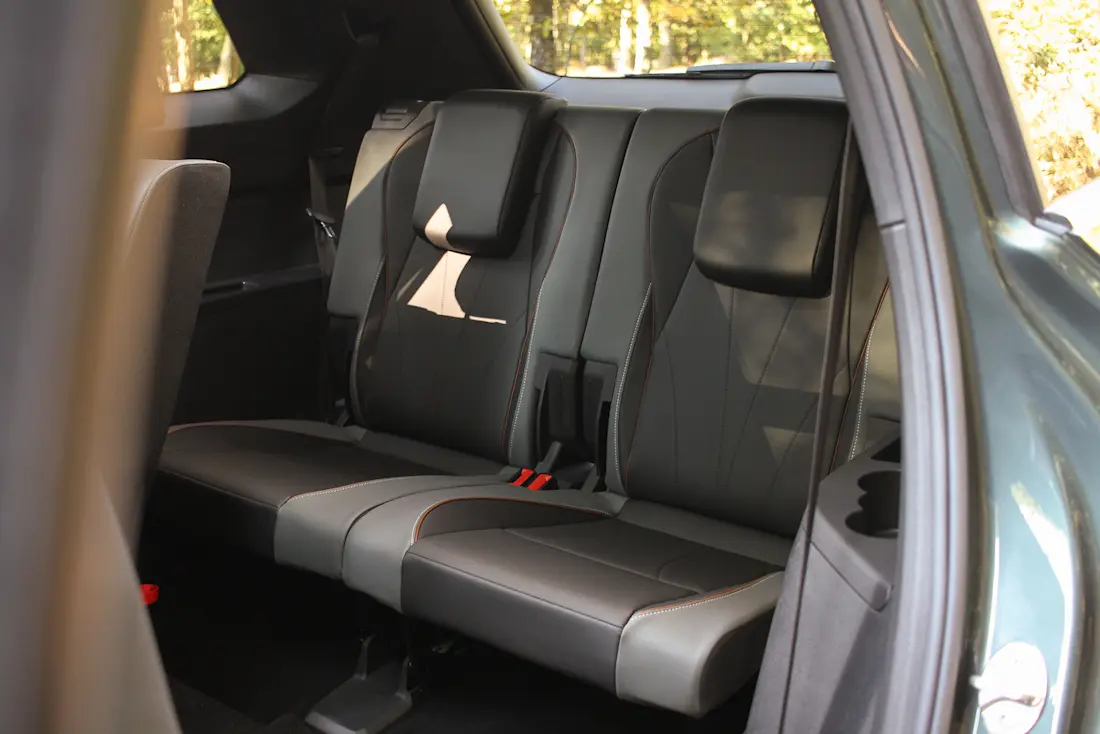
Sitting in this tester’s second-row bench, there’s a decent amount of leg- and headroom. Sliding the middle row forward lets you into a third row that’s more spacious than expected, as long as whoever’s sitting in front generously splits the floor space instead of sliding their seat all the way back.
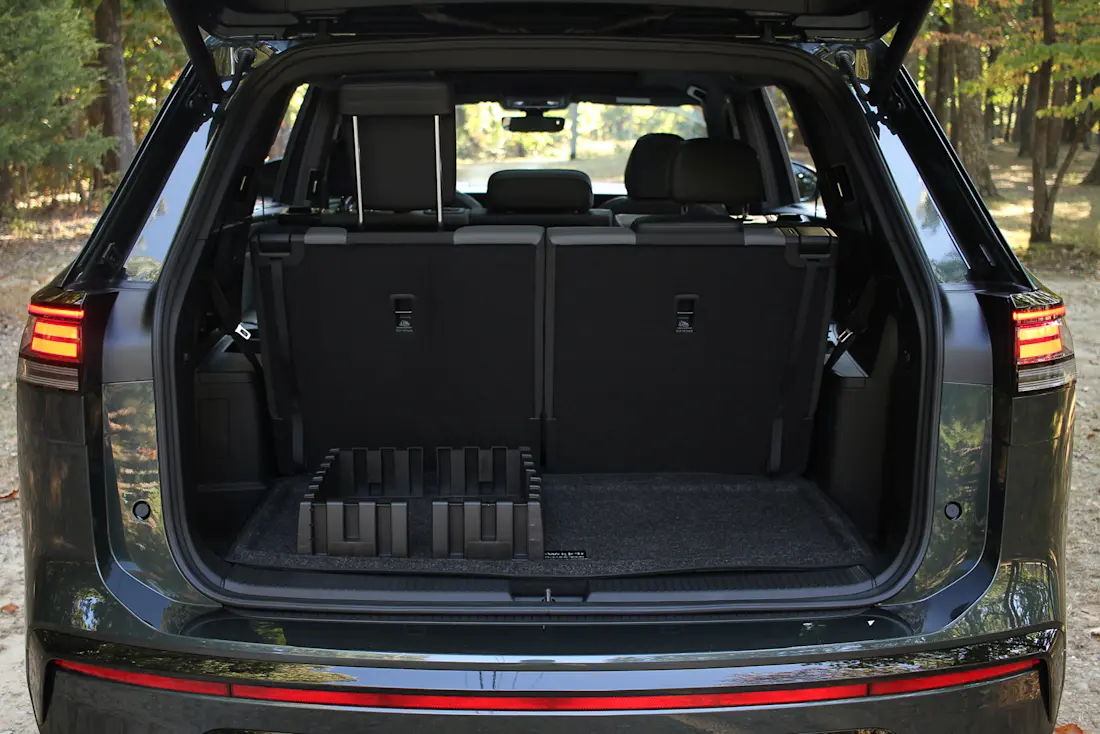
Cargo room is appropriately vast, and VW’s so-called “cargo blocks” keep your belongings from rolling around while making you wonder why every brand doesn’t offer them.
Gourmet Vanilla
Volkswagen has already confirmed that it’s working on a hybrid version of this Atlas. But before that comes out, this three-row peoplemover is powered by a turbocharged 2.0L four-cylinder that’s both more powerful and more efficient than it was in the previous generation thanks to a turbo that pushes more air. As a result, it makes 282 hp (up from 269 hp), which is enough to get you where you’re going without sweeping you off your feet.
It goes where you point it, and it stops where you tell it to stop. The Atlas drives a little plainly even by everyday crossover standards, but it does so with a high level of competent, comfortable composure.
All-wheel drive is standard in Canada, and the Atlas will tow 2,268 kg (5,000 lb). Sticklers for good fuel economy will want to wait for the upcoming hybrid, but this regular four-cylinder isn’t terrible in that regard. The brand expects it to get 11.4 L/100 km in the city, 8.4 on the highway, and 10.0 combined, and the Atlas takes regular-grade. (Last year’s model got around 11.0 L/100 km, give or take depending on trim.)
Final Thoughts
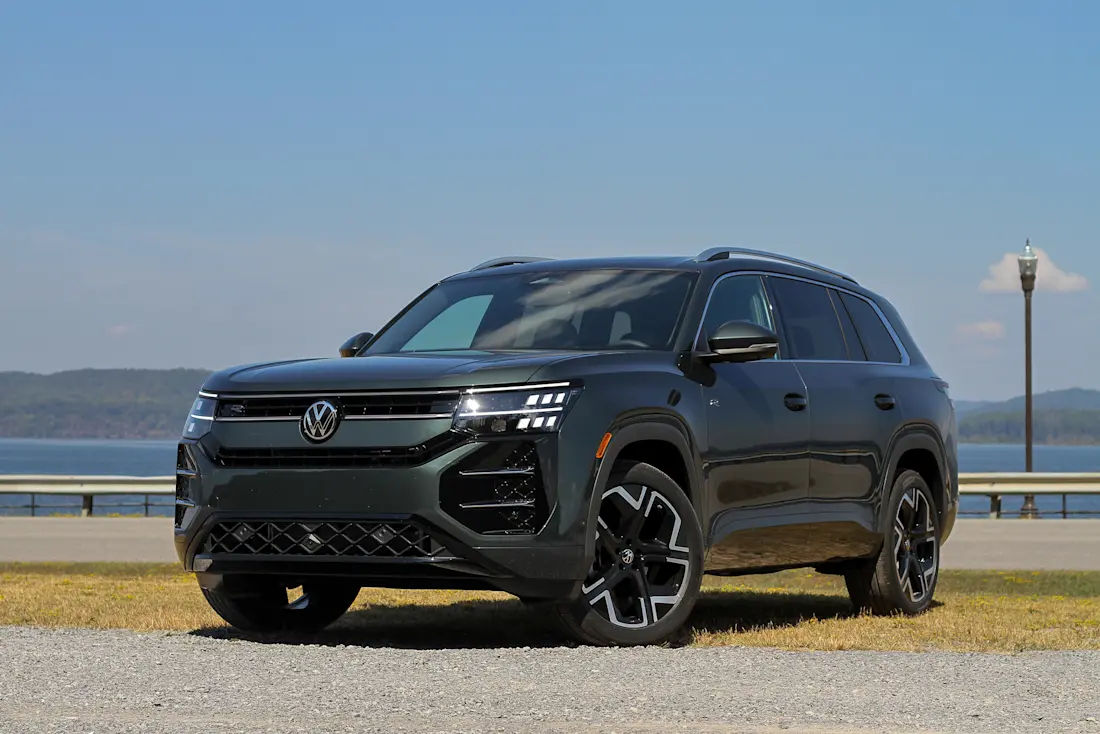
VW still may not be the first brand that comes to mind when you think of three-row crossovers, but the new Atlas is good enough to make you rethink that image. It’s a thoughtful, easy place to be if you’re in the first row, spacious when you’re behind it, and drives like it was made by a company that’s been building agreeable, everyday automobiles for almost 90 years.
The 2027 Volkswagen Atlas starts at $56,245 for the base Comfortline trim including destination ($2,450), but the $63,445 Highline is where a lot of the features you probably want come into play, including the 15-inch touchscreen, panoramic sunroof, driver’s seat memory, and premium audio. The top Execline R-Line Atlas starts at $66,445 and throws in 21-inch wheels, slightly sportier styling, Napa leather, and massaging front seats.
It’s available for pre-order now.

All Articles
See all
2025 Volkswagen Tiguan First Drive Review
Different dimensions and new tech set the redesigned Tiguan apart.
 Peter Bleakney

2025 Volkswagen ID. Buzz Review
This EV has the look of a long-distance traveller, but not the range to match.
 Kunal D’souza

2025 Volkswagen Jetta GLI Review
Drivers who opt for the stick shift will get the best out of this car.
 Jeff Wilson