
Cars That Have Different Names in Different Countries
 Sami Haj-Assaad

Cars That Have a Different Names in Other Countries Gallery


From Ventos to Lobos, these are the unfamiliar names of familiar vehicles from other markets.
What's in a name? Seemingly quite a lot if you ask an automaker. Many recognizable and popular cars we know and love have different names around the world, leading us to ask: would you still buy a Ford F-150 if it was called the Lobo? Below are five vehicles Canadians drive every day, the names they wear elsewhere and the reasons behind the swap.
Why Manufacturers Give the Same Car Different Names
A name change almost never happens by accident. Manufacturers rename a model when the original word fails in a local language, when a nameplate carries no equity in a new market or when two companies build the same car and each wants its own badge on the grille.
Volkswagen Group makes the point better than anyone. The Volkswagen Golf sells as the Golf in Europe, the Volkswagen Rabbit in the United States, the Caribe in Mexico and the Citi Golf in South Africa. One hatchback, four brand names, none of them accidental.
Three mechanics matter to buyers:
- Language, when the original word means something unfortunate locally
- Market equity, when a nameplate carries no reputation worth keeping
- Platform sharing, when partner manufacturers each want their own badge
Different versions of the same car sometimes carry different names simply because a partner company rebadged the thing.
Language, Slang and Translation Misfires
Translation is the funniest reason and the most cited. The Mitsubishi Pajero became the Montero across Spain and Spanish-speaking markets. Pajero is crude slang there. Honda sells the Honda Fit in Japan and North America but badges the identical subcompact as the Honda Jazz in the United Kingdom. The Toyota MR2 caused Toyota trouble in France once buyers said the name aloud.
Not every story survives scrutiny. The famous Chevrolet Nova tale, the one about no va meaning "doesn't go" in Spanish, still gets repeated in marketing classes despite being largely debunked.
Market equity does quieter work. Toyota retired the Corolla name in the UK in 2006 and launched the Toyota Auris to shed an old-fashioned reputation. Renault cannot use the Clio name in Japan because Honda holds it, so Japanese buyers get the Lutecia. Canada has run its own version of this game for decades, which is why Canadian-exclusive car brands like Meteor and Monarch existed at all.
SUVs and Crossovers Renamed From Japan to Europe
Crossovers change identity more than any other market segment. They sell everywhere, and nearly every manufacturer builds one. Three of the most common crossovers on Canadian roads wear at least two other names once they leave North America, and in two cases the badge you recognize is bolted to a completely different vehicle abroad.
Mitsubishi RVR, Outlander Sport and ASX
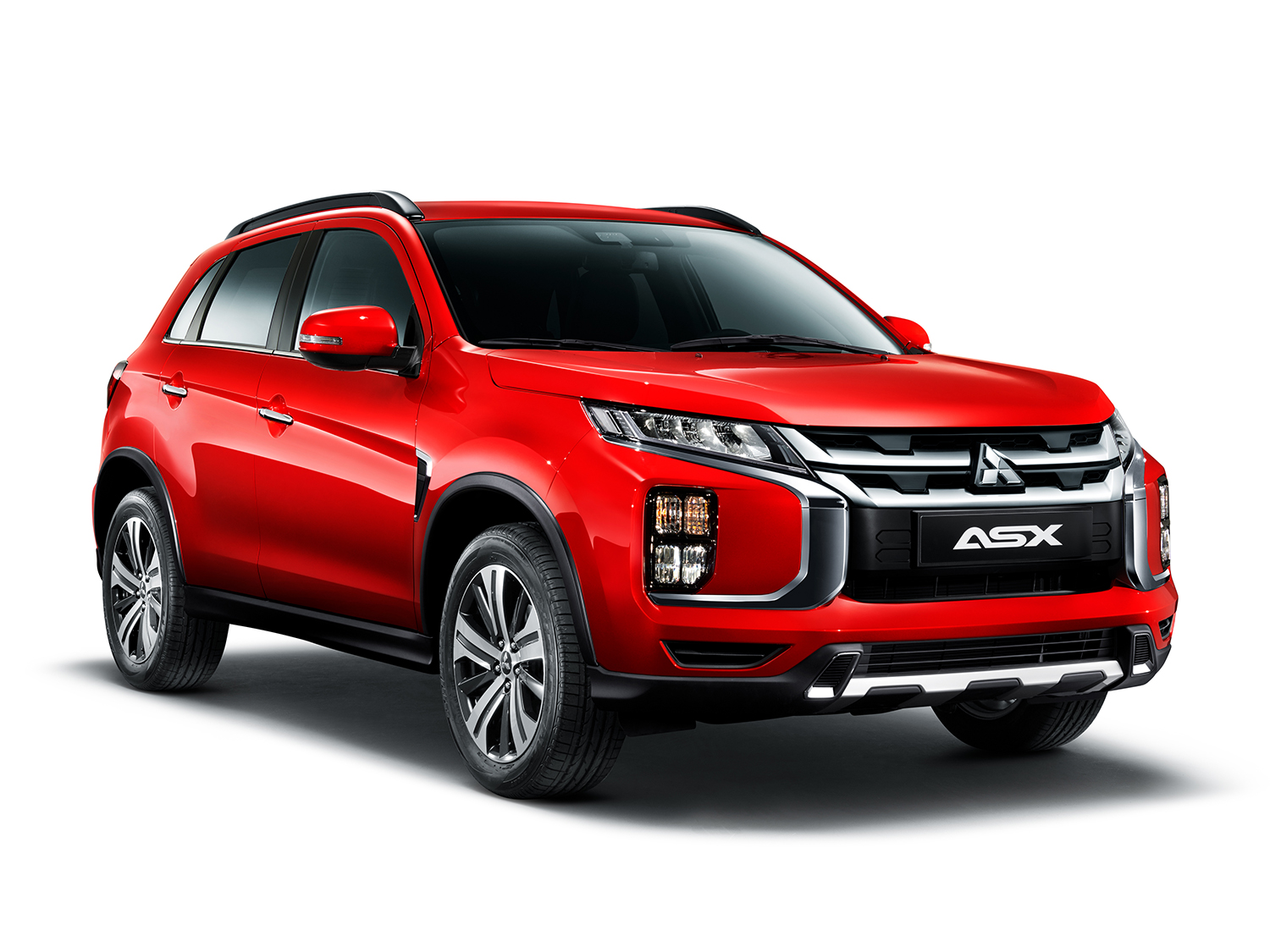
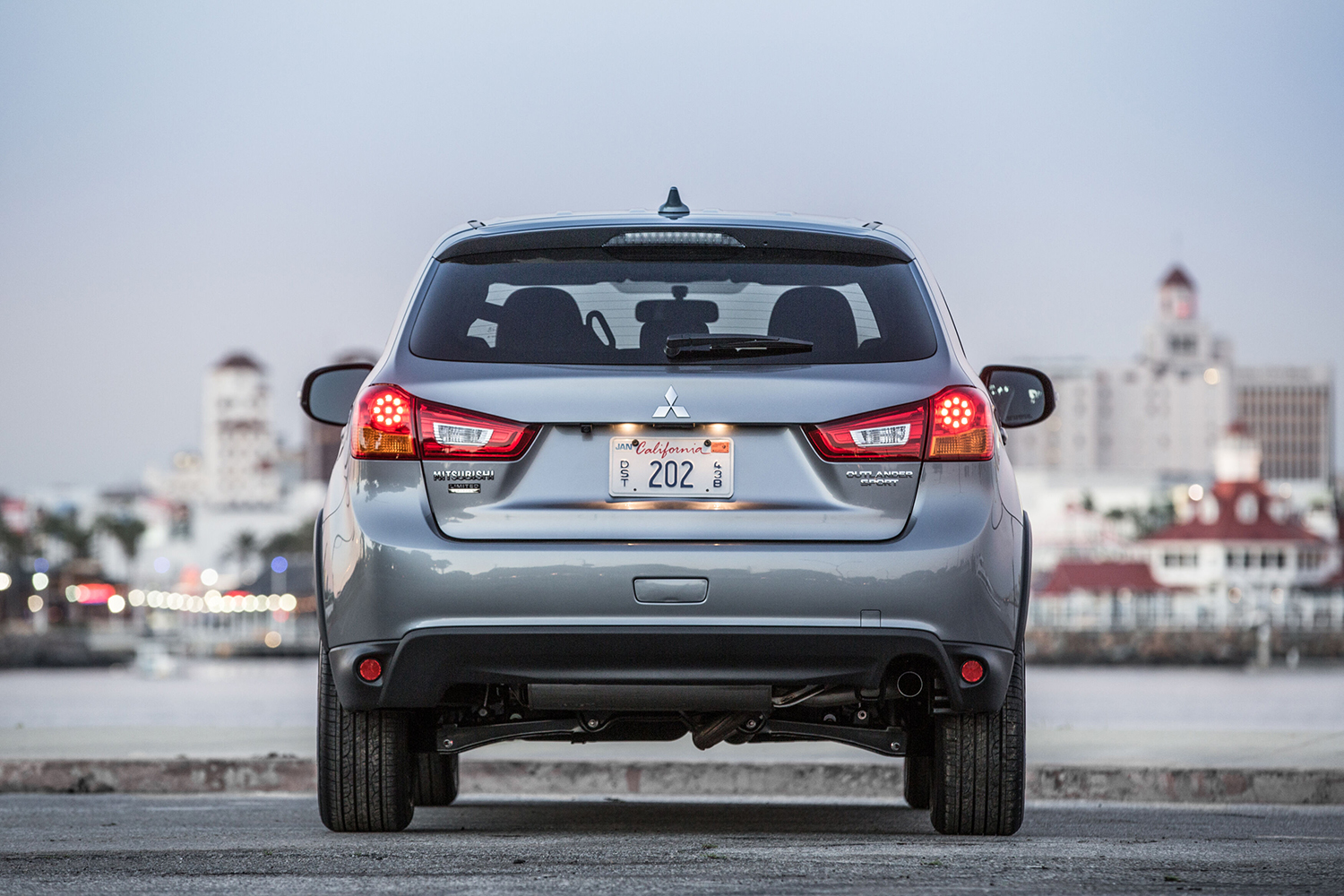
Following the departure of the subcompact Mirage hatchback, the 2025 Mitsubishi RVR holds the honour of being the most affordable new vehicle sold at a Mitsubishi dealership. The name is a callback to the '90s, when the RVR designation was first issued to a compact wagon. The letters stood for "Recreation Vehicle Runner," and Mitsubishi reissued the name in 2010 for the subcompact SUV we know today.
Americans have never heard of it. Mitsubishi sells the identical vehicle there as the Outlander Sport, borrowing equity from its larger and more popular sibling. Argentina, Brazil and Indonesia use that name too. In the U.K. and Australia it is the ASX, short for "Active Sports Crossover." Mitsubishi runs a different playbook in each region and lets the badge absorb the difference.
If you are shopping the segment, our picks for the best affordable subcompact SUVs cover the RVR's direct rivals, and the larger Mitsubishi Outlander shows what the borrowed name actually refers to.
Honda HR-V, Vezel and ZR-V
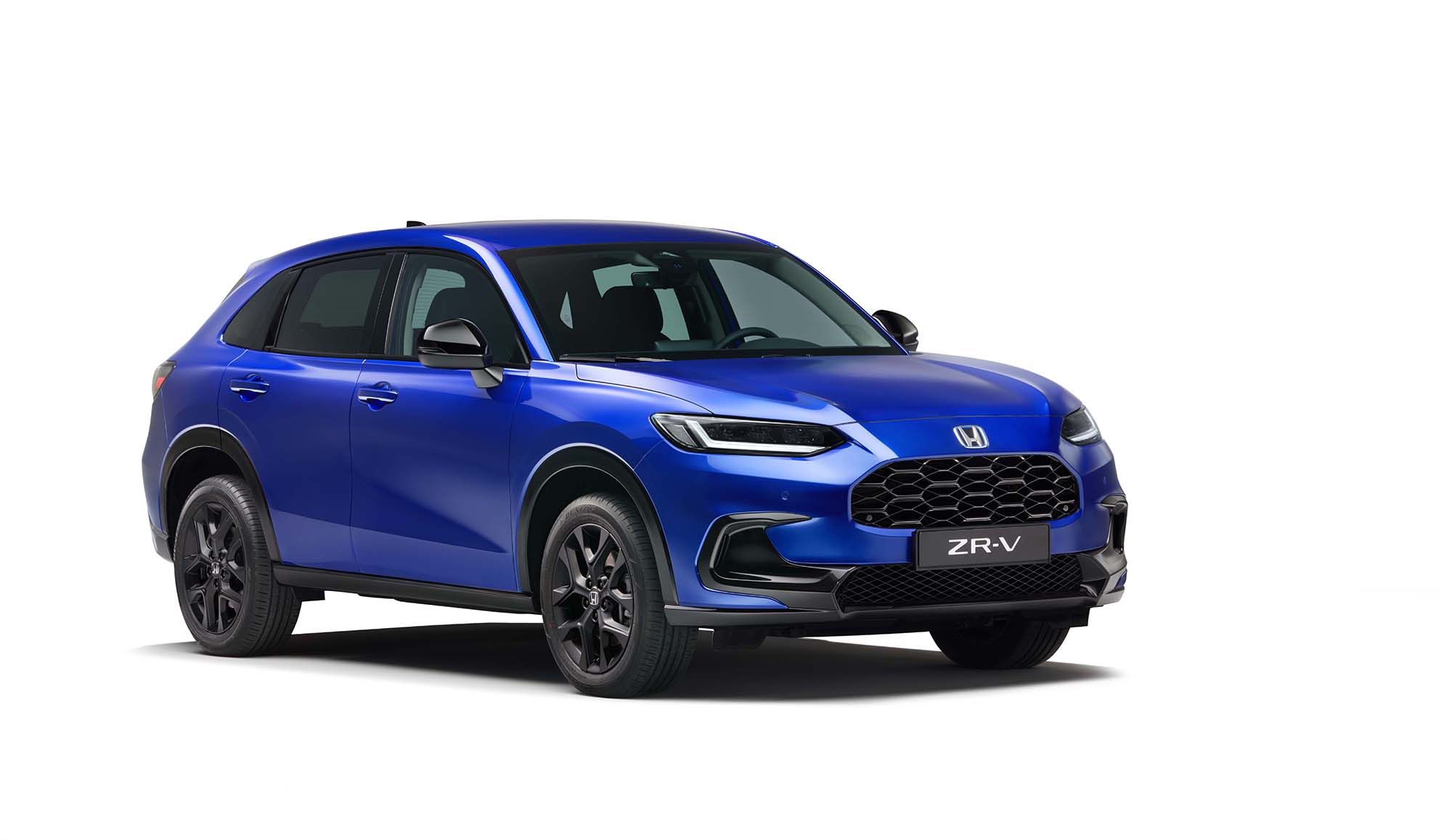
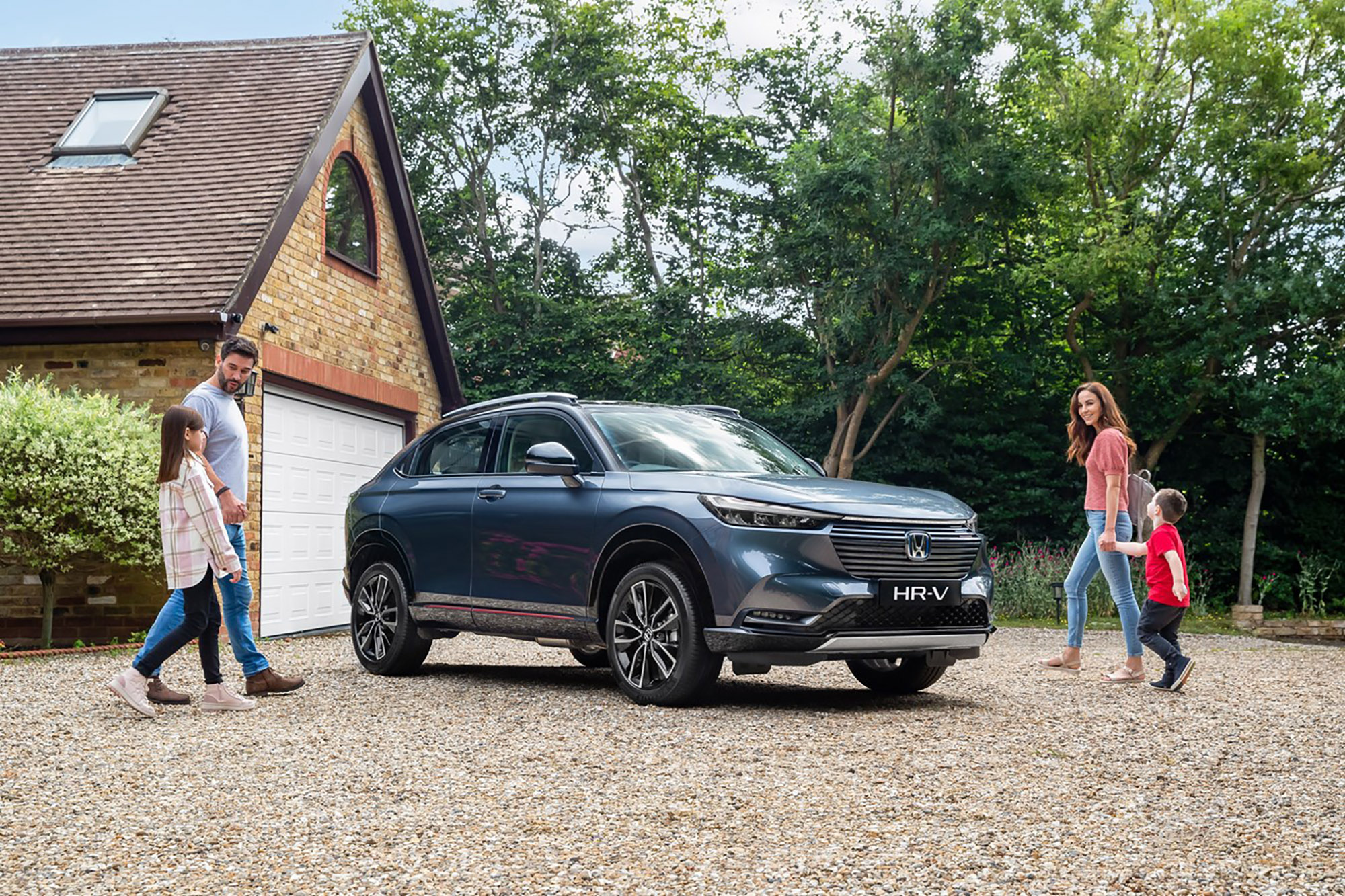
Now here is a doozy of a name drain. The Honda HR-V is a subcompact crossover sharing a platform with the Honda Civic, with the added all-wheel drive and cabin space of an SUV. In China the HR-V looks exactly as you would expect. Elsewhere the same three letters sit on a different car entirely, often riding on another platform with a hybrid or electric powertrain.
In Japan, the HR-V goes by Vezel. The HR-V Canadians actually buy wears ZR-V badges across the Middle East, Europe and Oceania. Production splits the same way. Canadian and American cars come from Mexico, the rest from China. Assembly location shows up in warranty terms and parts pricing, so our guide to where vehicles are actually manufactured is a useful companion read.
Nissan Rogue and X-Trail
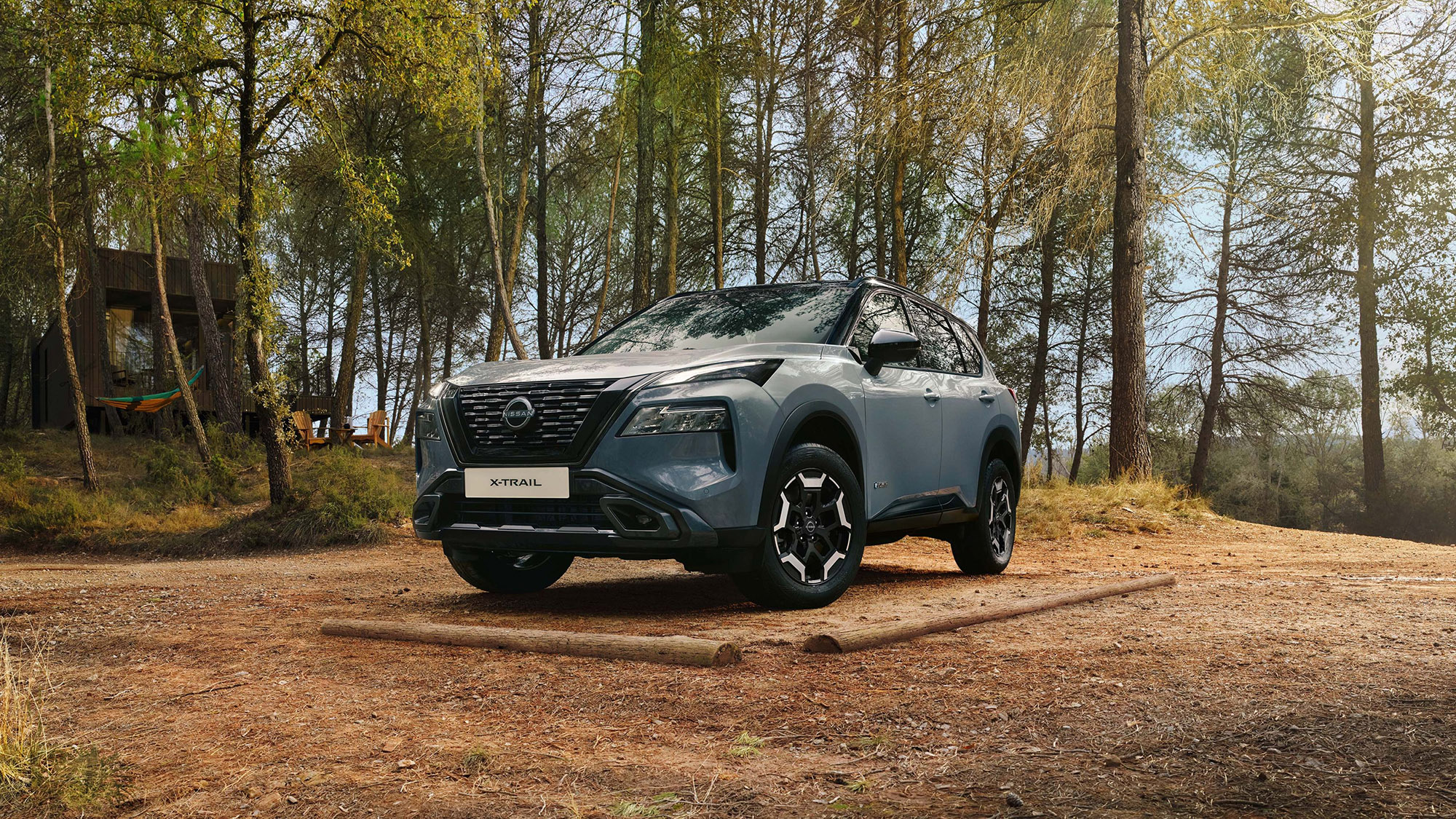
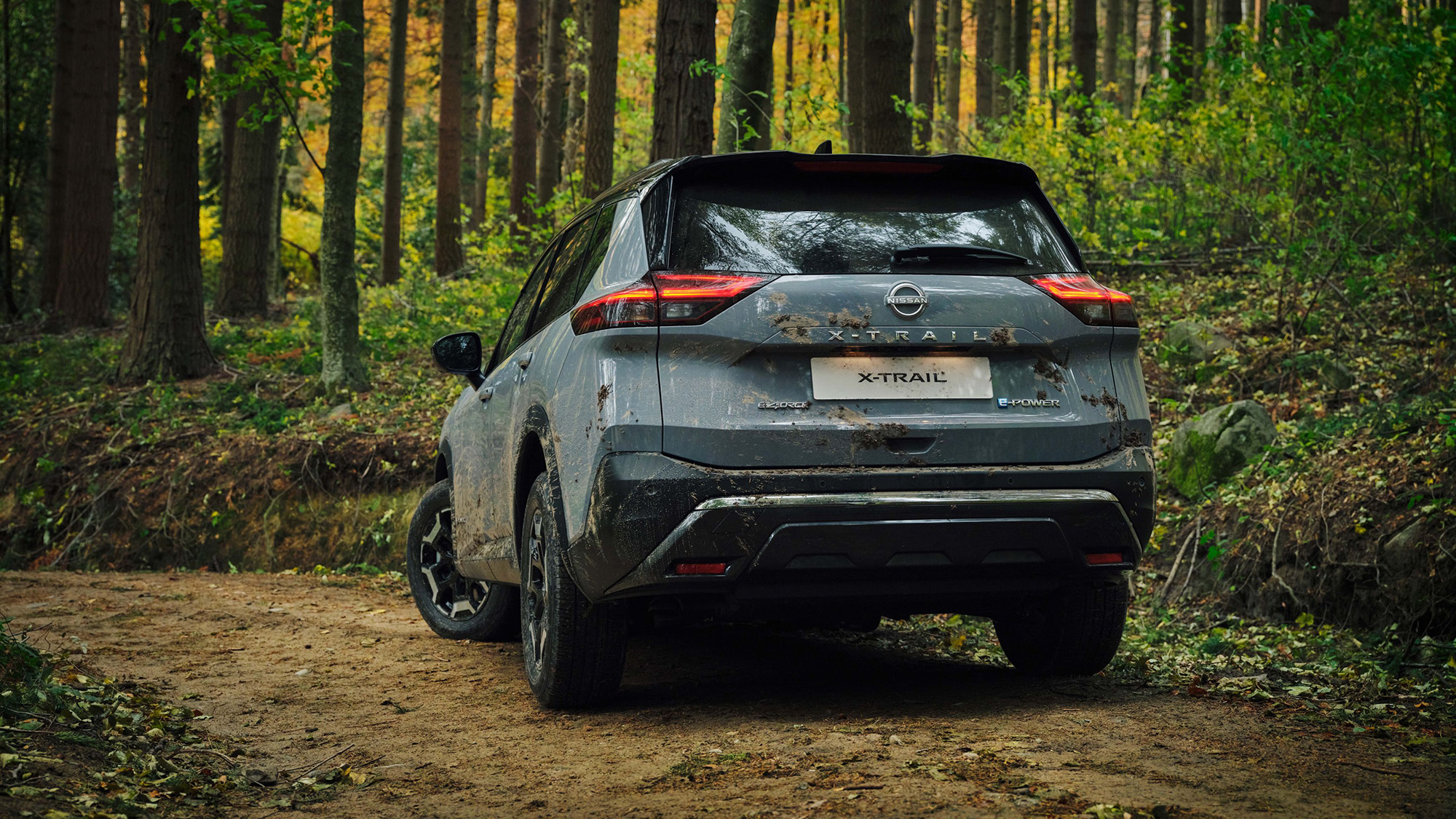
The Nissan Rogue is one of the brand's best sellers in Canada, with 26,665 sold in 2023. It packs a spacious cabin, an unusual three-cylinder turbocharged engine and a hands-free driving feature many rivals lack. Leave North America, though, and the Rogue changes persona completely. Across Asia, Europe, Australasia, Africa and the Middle East, it is the Nissan X-Trail.
Canadians have met that name before. We received the X-Trail in 2005 and 2006 before Nissan replaced it with the Rogue nameplate for the 2008 model year. The two lines have run in parallel ever since, and the European version diverges further every generation: the Euro-spec Nissan crossover uses an electrified drivetrain Canada has never received. The engine Canada does get has its own quirks, explained in our breakdown of the Rogue's three-cylinder turbo and CVT.
The badge on the tailgate is marketing. The vehicle identification number is the truth.
Compare Nissan Rogue Trims and Listings on AutoTrader
Every Rogue trim, price and spec in one place. Browse Nissan Rogue listings across Canada or dig into the numbers first.
Sedans and Trucks Sold Under Other Nameplates
Cars sold under different names are not a crossover-only phenomenon. Sedans and pickups do it too, and the reasons skew toward joint ventures and regional trim strategy rather than translation problems.
Volkswagen Jetta, Bora, Sagitar and Vento
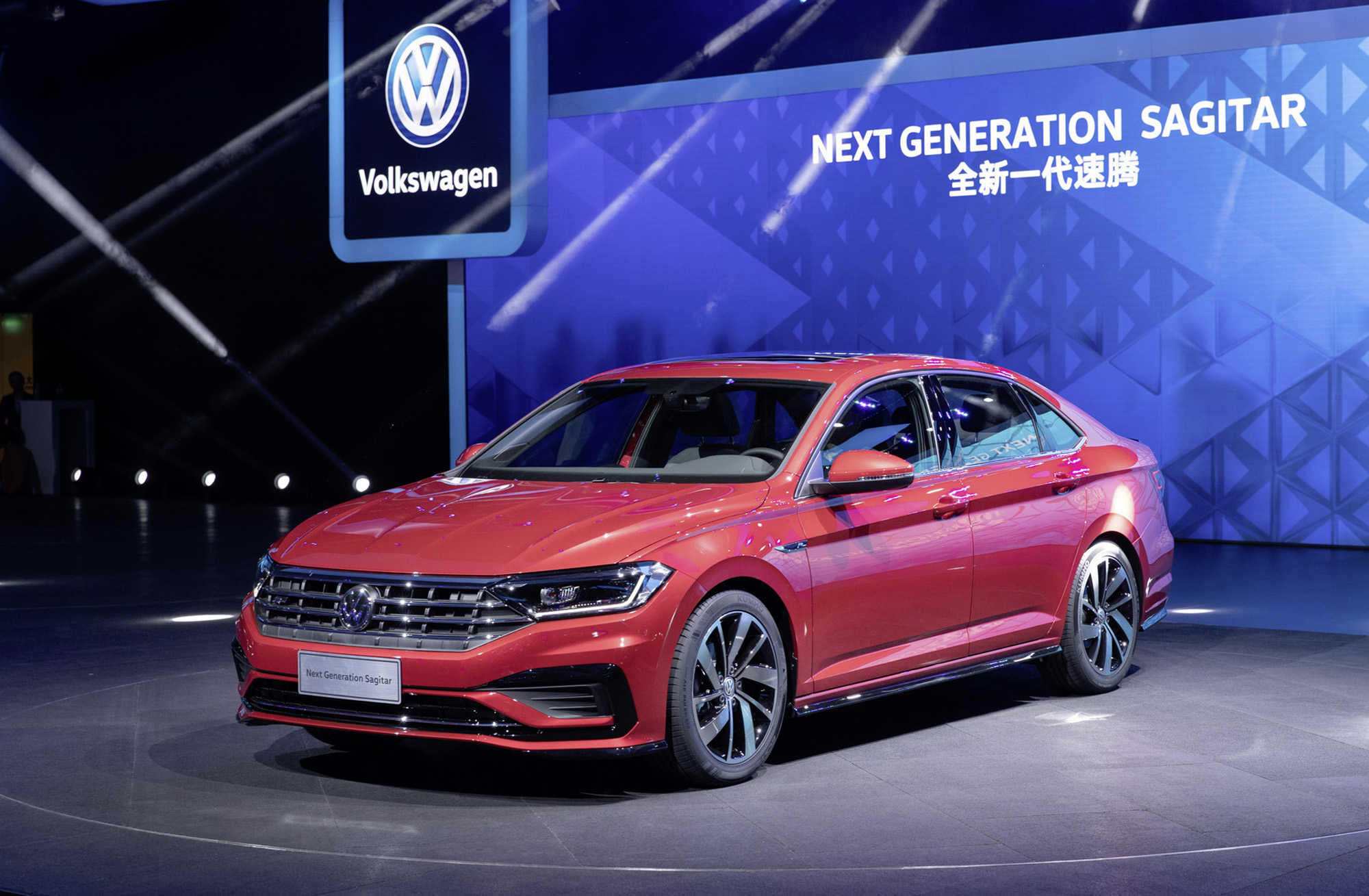
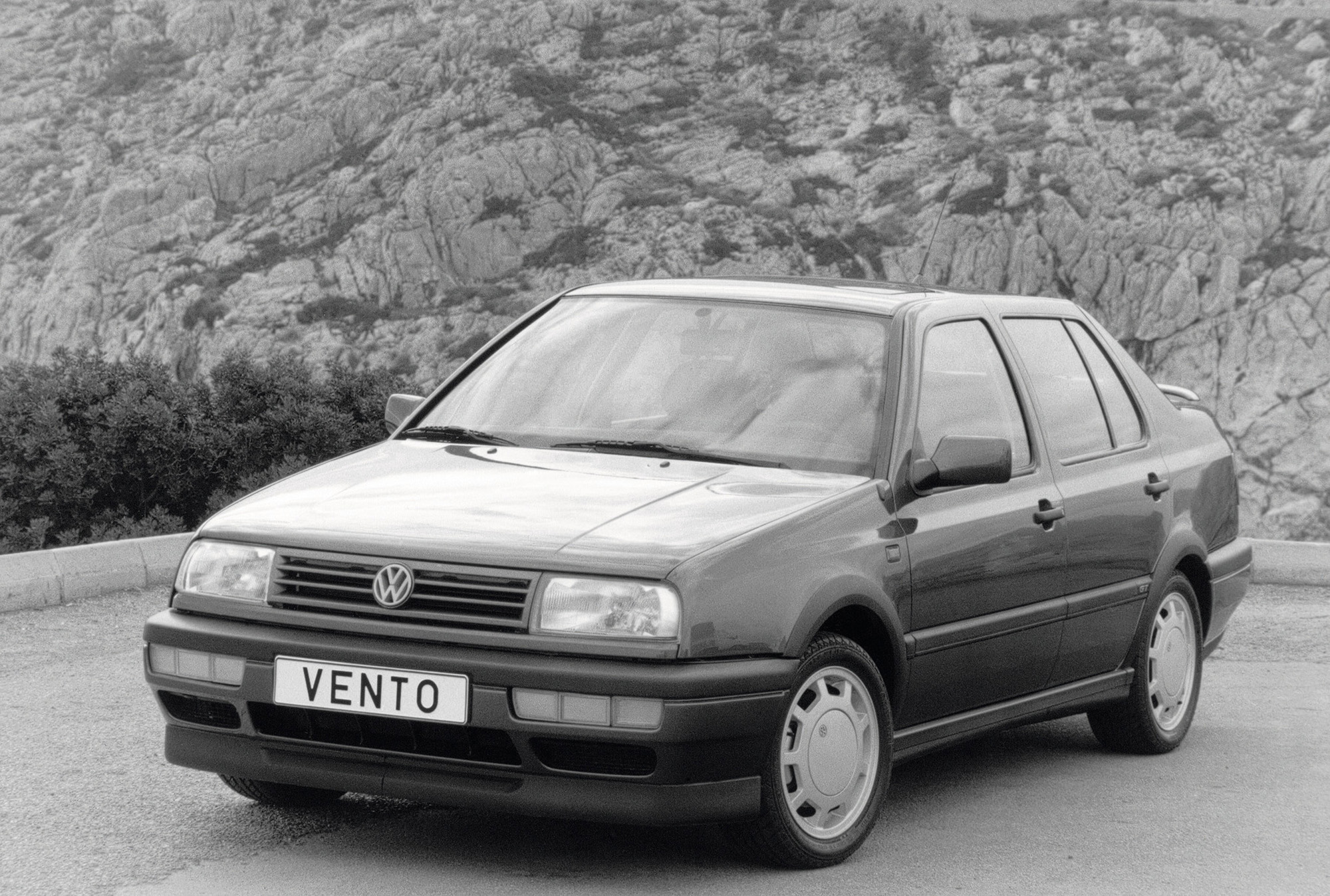
The cheap and cheerful Volkswagen Jetta has answered to several names. It was the Bora in Europe, the Atlantic or Clasico in Mexico and for years Canadians bought a decontented version badged City Jetta.
Most markets have settled on Jetta, with two standouts. In China, the seventh-generation car is built through a joint venture between FAW Group and Volkswagen Group and sold as the Sagitar. In Argentina, the sporty Jetta GLI wears Vento GLI badges.
There is a theme underneath all of it. Volkswagen loves naming cars after wind. Golf points to the Gulf Stream, Jetta to the Jet Stream coined by a German meteorologist and Vento is Italian for wind. Sagitar is the outlier, meaning something closer to "fast" or "gallop."
Ford F-150 and Ford Lobo
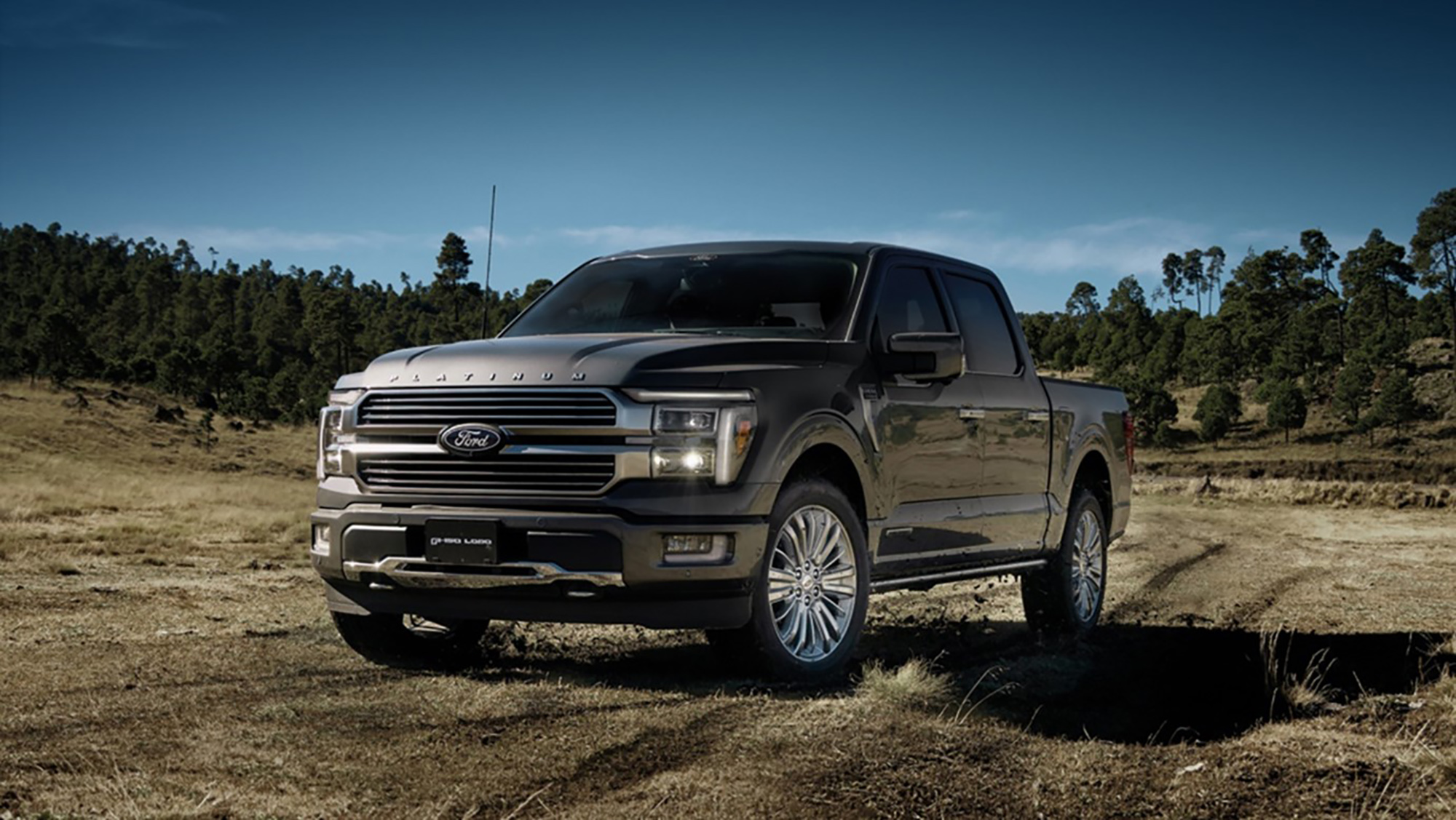
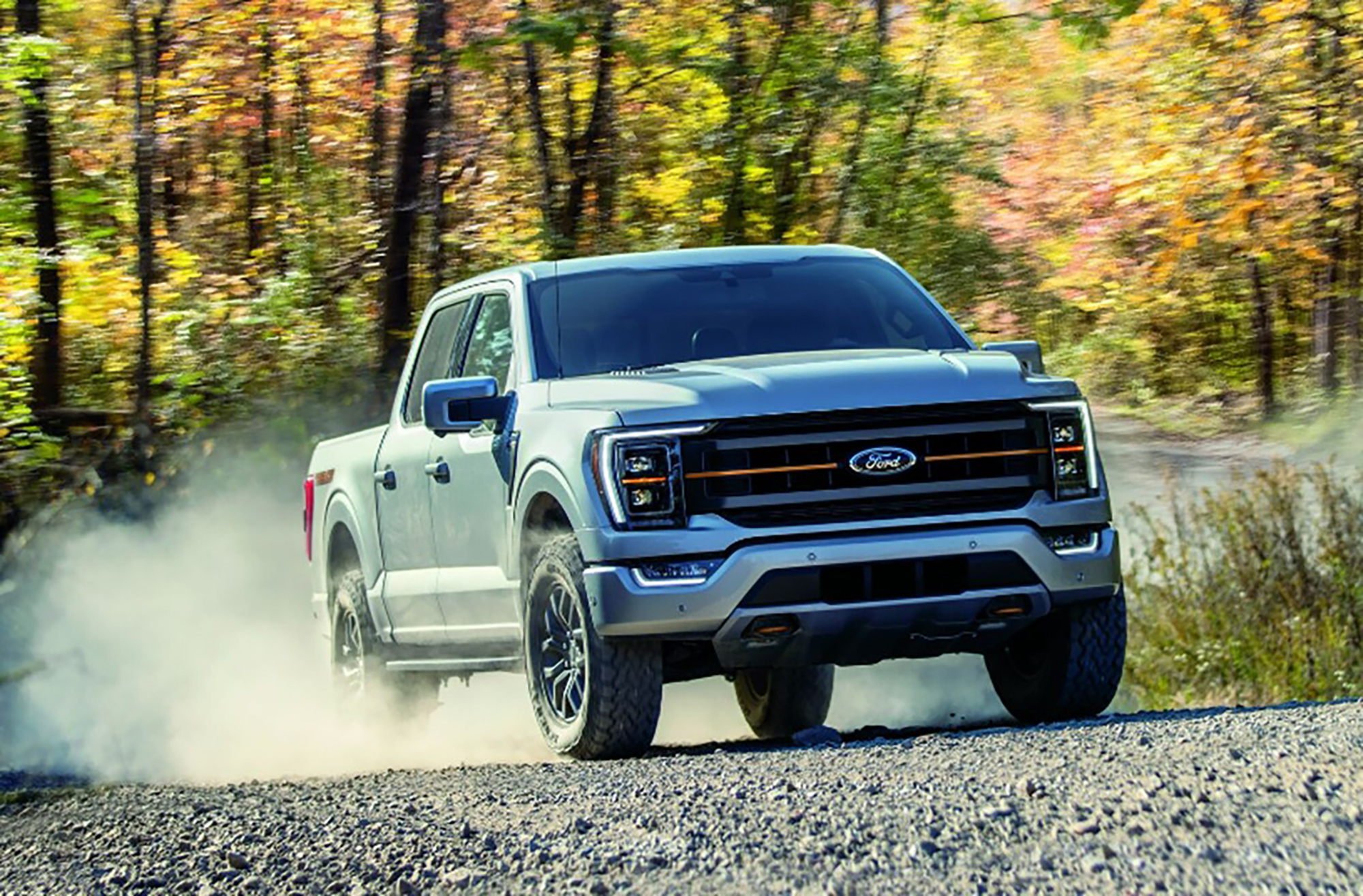
Let's close the list with a quirky one. The Ford F-150 anchors Ford's F-Series pickup lineup, and Ford's F-Series sales totals fold light-duty and heavy-duty trucks into one figure.
It is fair to wonder whether the tally includes the Ford Lobo, which is what Mexico calls certain versions of the F-150. The F-150 XLT and every trim above it carry Lobo badges there, and the Raptor becomes the Lobo Raptor. Entry-level XL models keep the F-150 name, which makes the split a curious one. Lobo means wolf in Spanish, and it is a better truck name than most.
What a Foreign Market Name Means for Canadian Buyers
Knowing that your Rogue is an X-Trail elsewhere is a good piece of trivia. It becomes practical the moment you shop used cars, consider a private import or try to source a part for something that arrived here from another market.
Grey Market Imports, Trim Levels and Resale Value
A grey market vehicle is one imported outside the manufacturer's official Canadian distribution. Canada admits most vehicles 15 years or older regardless of original market. That is why JDM-spec cars turn up in classifieds every spring.
Here is the catch. A foreign market name usually signals a foreign market specification underneath. Emissions and safety equipment differ, and airbag or lighting rules can decide whether a car is road legal here at all. Rust protection standards vary too. A few Canadian winters of road salt will find the difference.
Parts are the quiet headache. They are catalogued under the foreign nameplate, so a Vezel bumper is not simply an HR-V bumper. Expect odometers in miles rather than kilometres and service records in another language.
Resale is where it bites. Imported cars with market-specific names sit longer and sell for less. Fewer buyers recognize the badge. Before you commit, read how resale and residual value actually get calculated, and check used car taxes across Canada, since provincial rules vary more than most buyers expect. If the foreign badge itself is the appeal, we have rounded up cars sold overseas that Canada never gets.
Verify by VIN, not by badge. Marketing departments rename cars; engineering departments rarely re-engineer them to match.
Key Takeaways for Canadian Shoppers
- The same car different name pattern is normal, not a red flag. Five of Canada's most common vehicles wear other names abroad.
- A different badge does not guarantee a different vehicle, and an identical badge does not guarantee an identical one. The Honda HR-V proves both halves.
- Foreign nameplates signal foreign specifications: emissions gear, lighting, corrosion protection and units of measure all shift with the market.
- Verify by VIN and model year, never by the name on the tailgate.
Research Any Model Before You Buy on AutoTrader
Specs, trims and pricing for every model sold in Canada. Start with the research hub, then shop listings with the numbers already in hand.
Sources
- Volkswagen South Africa, Know how VW models found their names (accessed Oct. 22, 2026)
- El Imparcial, Mitsubishi confirma el regreso del Pajero para finales de 2026 (accessed Oct. 22, 2026)
- Jalopnik, Urban legends: the Chevy Nova (accessed Oct. 22, 2026)
- Toyota GB, Auris timeline (PDF) (accessed Oct. 22, 2026)
- Mitsubishi Motors Canada, Mirage end of production: why, what’s next, warranty support and FAQ (accessed Oct. 22, 2026)
- Mitsubishi Motors Philippines, Mitsubishi Motors Philippines launches the all-new ASX – Active Sport Crossover (accessed Oct. 22, 2026)
- Nissan Canada, Nissan Group reports fourth quarter and annual sales for 2023 (accessed Oct. 22, 2026)
- Nissan, 25 years of adventure: tracing the Nissan X-Trail’s journey (accessed Oct. 22, 2026)
- Jalopnik, The Ford F-150’s longstanding name in Mexico haunts me (accessed Oct. 22, 2026)
- Transport Canada, Importing a vehicle from countries other than the United States and Mexico (accessed Oct. 22, 2026)
- Toyota Europe, Next-generation Auris officially renamed Corolla (accessed Oct. 22, 2026)
- Drive, Pontiac G8s roll off the production line (accessed Oct. 22, 2026)
Frequently Asked Questions About Global Car Names

All Articles
See all
10 EVs from China That Should Be Sold in Canada
Some of these Chinese EV models could be popular with buyers here.
 John LeBlanc

Lexus Looks to Push the Limits of What’s Possible for a Premium Brand
Design and space are emphasized as the brand explores what comes next.
 Dan Ilika

Celebrating a Century of Chryslers: 10 Significant Models from Its 100-Year History
10 of the most significant Chryslers since the brand's founding in 1925.
John LeBlanc