
Nearly 3,000 Chinese EVs Have Already Entered Canada, Though You Might Not Have Noticed
 Sébastien Bell

The government of Canada has revealed that, as of May 29, 2026, a total of 2,910 electric vehicles (EVs) assembled in China have made their way onto our roads.
Although a total of 49,000 EVs will be allowed into Canada at the favoured tariff rate of 6.1 per cent this year, just 24,500 are being allowed between March and August. May was the first month in which Canada registered Chinese imports.
As a result, we now know that roughly 12 per cent of the quota has been used up. Put another way, Canada will only allow 21,590 more Chinese EVs to enter the country at the favoured tariff rate between now and August 31.
Unfortunately, Global Affairs Canada, which released this data, has not revealed more detailed information about the vehicles that have entered the country. Brand and model names are, so far, a mystery.
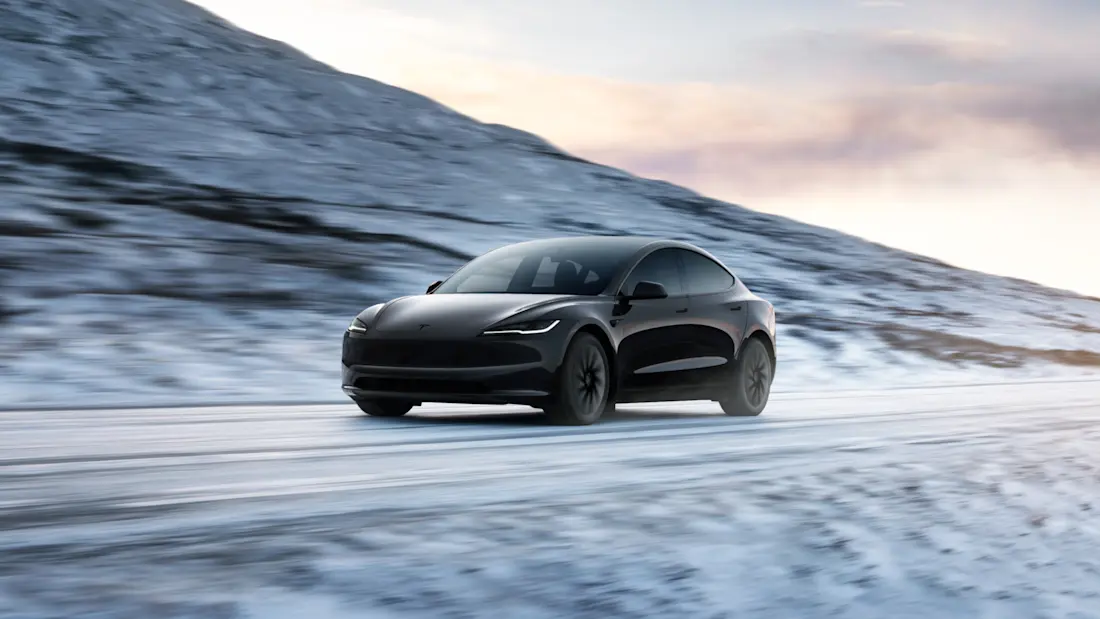
However, there is good reason to believe that Tesla is the automaker that has been the quickest to take advantage of this deal. The automaker has already lowered the price of its compact sedan, the Model 3, suggesting that it is now being imported from China, not the U.S. with which Canada is involved in a tariff dispute.
The automaker also has experience importing vehicles into Canada from China, having already done so before the Trudeau government implemented a 100 per cent tariff on vehicles emanating from China in 2024. Moreover, Tesla has long track record of aggressively utilizing government programs when they are available.
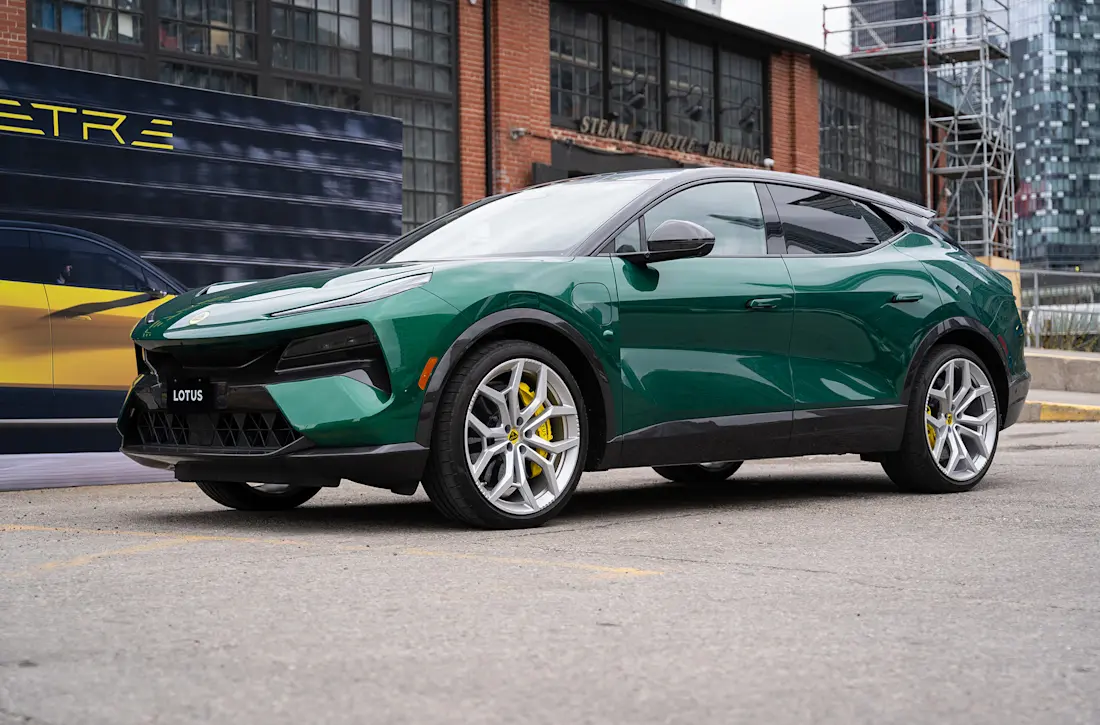
There is also little evidence of other automakers importing vehicles into Canada from China for consumer sales. Geely is the only other automaker to have confirmed such imports with the Lotus Eletre. However, Drive Tesla Canada reports that just 18 of the electric SUVs have so far made their way into Canada.
Indeed, given the implementation of the Canadian government’s import plan — its first-come-first-serve nature and the limited number of vehicles being allowed in at the preferred rate — reports indicate that Chinese automakers are taking a careful approach to entering the market.
While no Chinese automaker has publicly laid out its plans, Autonews reports that many are being conservative to begin with. These automakers are expected to target large markets at first, and may not sell Chinese branded vehicles until 2027.
That may mean that it’s open season for Tesla early on, though Geely through its established brands Volvo and Polestar, may also seek to utilize the quota ahead of certain competitors. The former brand assembles the EX30 and EX40 EVs in China, while the latter makes the Polestar 2, 3, and 4 in China.

All Articles
See all
2027 Volkswagen Golf GTI Rabbit Edition Not Coming to Canada (But its Features Are)
Canadians will get everything but the name.
Sébastien Bell
Head-Turning 2027 Hyundai Elantra Confirmed for Canada
Months after the Korean version was revealed, more details about the Elantra are here.
 Dan Ilika

The Genesis G80 and GV80 Are Going Hybrid
As fast as the V6 and 30 per cent more efficient.
Sébastien Bell