
6 Car History Facts You Probably Didn't Know
 Jil McIntosh


The auto industry has a long and fascinating history, but sometimes what happened was so far out there that it seems like fiction. We’ve compiled six very interesting automotive history facts for your enjoyment, but be honest: How many of these did you really know before now?
Henry Ford Didn’t Invent the Automobile
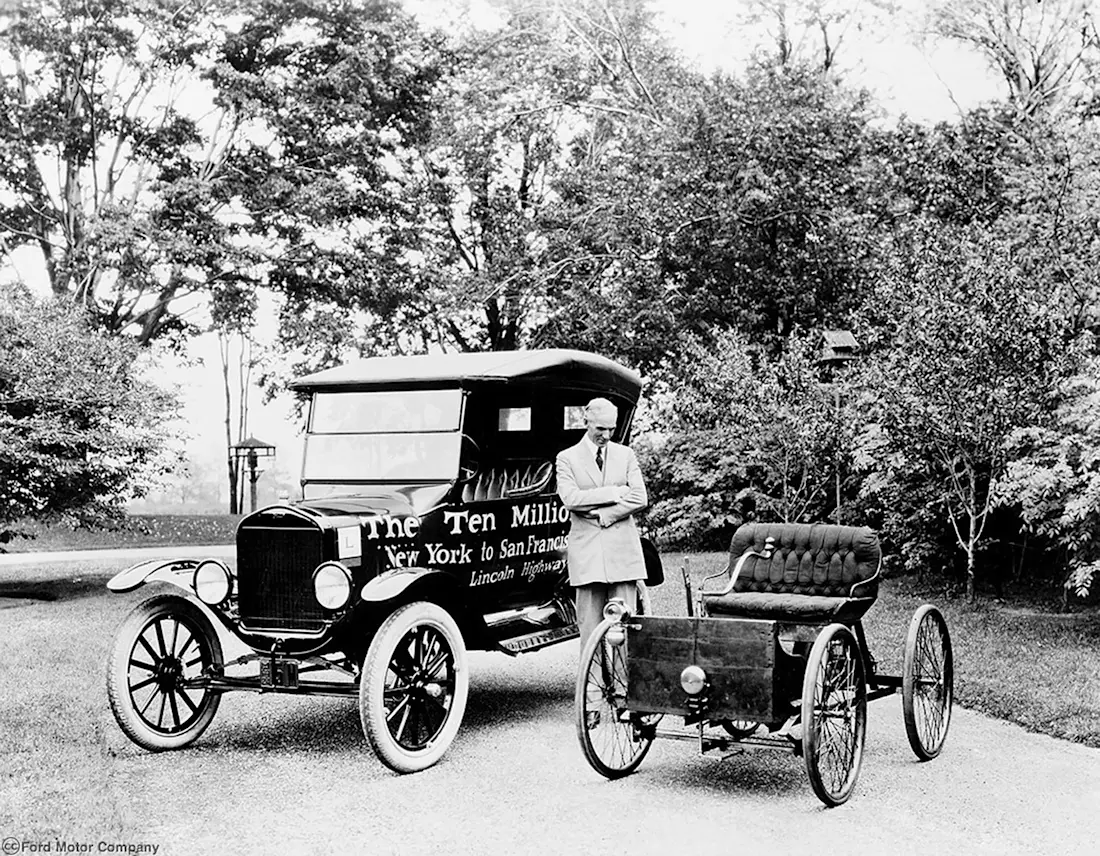
A surprising number of people think Henry Ford invented the automobile, but they are incorrect. Historians jointly give the honour to Carl Benz and Gottlieb Daimler, who independently created self-propelled gasoline vehicles in Germany in 1886. Their companies would eventually merge to create Mercedes-Benz, although the two men never met. Ten years after that, Henry Ford helped his friend build a prototype car, mostly from instructions in a magazine, and then made one of his own.

He started his company in 1903, and introduced his famous Model T in 1908. He also didn’t invent the assembly line, although he did perfect it, reducing the time to build a car from 12 hours to 90 minutes. He eventually doubled most of his workers’ salaries to $5.00 a day, claiming it was so they could buy the cars they built. In reality, his employees had never done such fast-paced work before, and his rules were ridiculously strict, leading almost 10 per cent of them to walk off the job every day. Other factories paid the same with better conditions, but twice as much money finally convinced most to stay with Ford.
Electric Cars Definitely Aren’t New
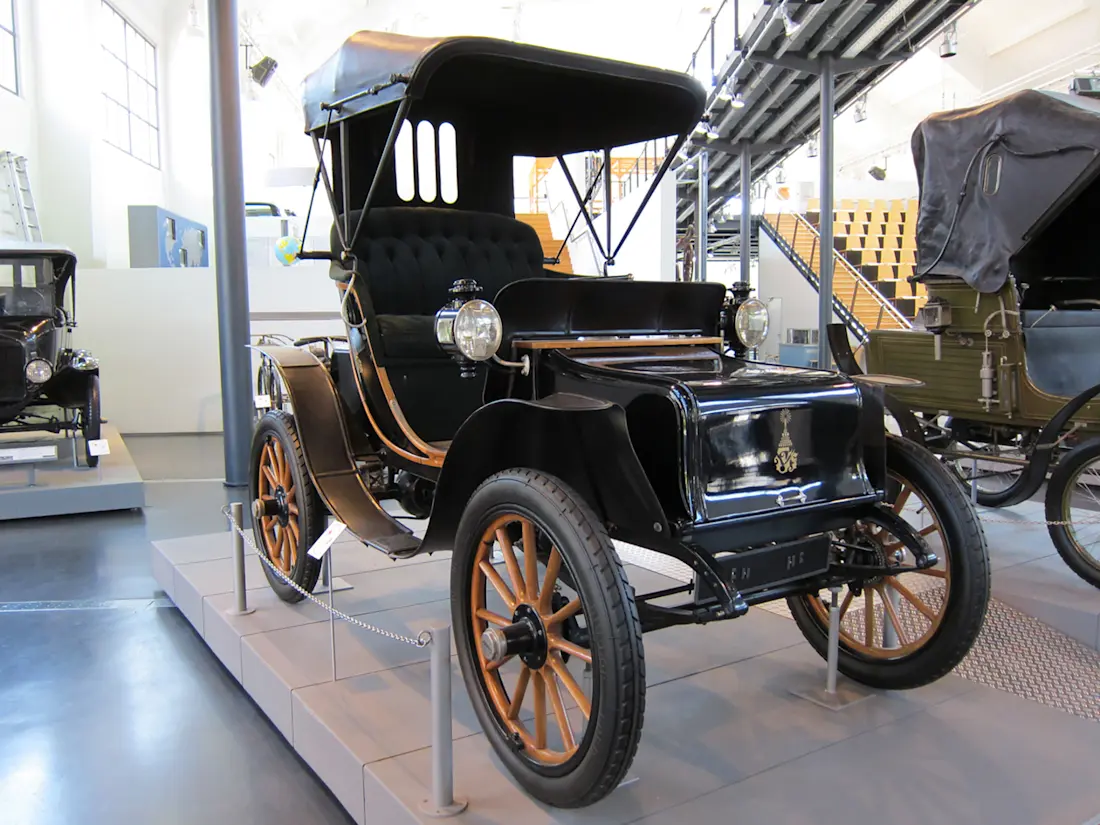
For all those who think Ford invented the gasoline car, there are likely as many who think Elon Musk of Tesla fame invented the electric one, but that’s not true either. It’s believed the first person to put an electric motor in a carriage was likely Robert Anderson in Scotland, around 1835. Later developments included motorized buggies made by Thomas Parker in England around 1884; an electric carriage built by William Morrison that he drove in a parade in Des Moines, Iowa, in 1888; or the “Electrobat,” built in Philadelphia in 1894 and apparently the first brand sold to the public.
By 1900, the best-selling car in the U.S. was the all-electric Columbia. Along with gasoline, some cars were also powered by steam. Those were difficult to operate, while gasoline cars had to be laboriously cranked to start them. Electrics didn’t have much range, but you just pushed a button to get going. After Cadillac introduced a gas-engine self-starter in 1912 and other automakers adopted it, short-range electrics and complicated steam cars didn’t last very long.
The Same Man Founded Rivals Cadillac and Lincoln

Henry Ford actually started two auto companies that failed before his third was the charm (and the one still around today). One of the second company’s directors was Henry Leland, who took it over and renamed it Cadillac after the founder of Detroit. Leland was a brilliant engineer who created exceptional cars, but he wasn’t all that good at running an auto business. Entrepreneur William Durant was buying existing auto companies to form his new General Motors, and Leland sold Cadillac to him in 1909 but stayed on to run it.

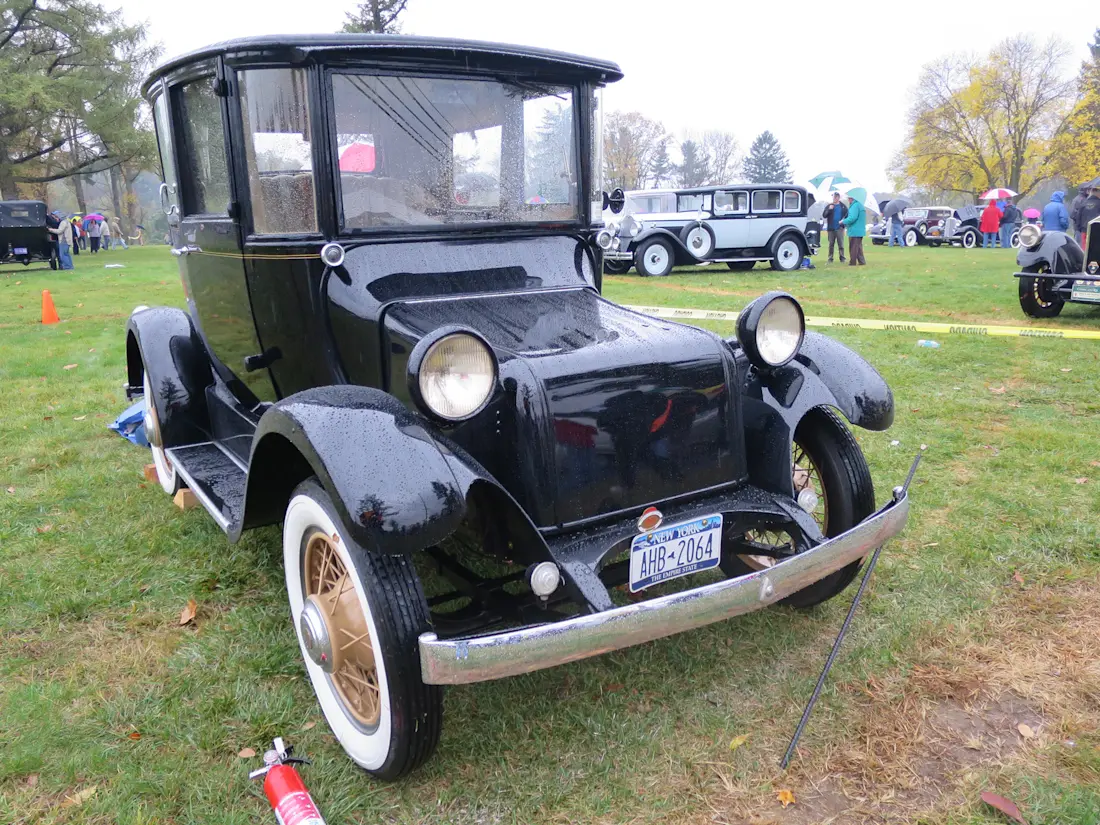
Below, a 1924 Lincoln Fleetwood Limousine

During the First World War, Leland wanted Cadillac to build airplane engines for the military, but Durant balked. Leland left and, at the age of 74, started another company to make the engines, naming it after Abraham Lincoln. He switched to making cars after the war ended, but once again, his stodgy designs failed to ignite sales. He declared bankruptcy, and when Lincoln was put up for sale by its creditors, it was purchased by Henry Ford.
Dodge Built Ford’s Early Cars
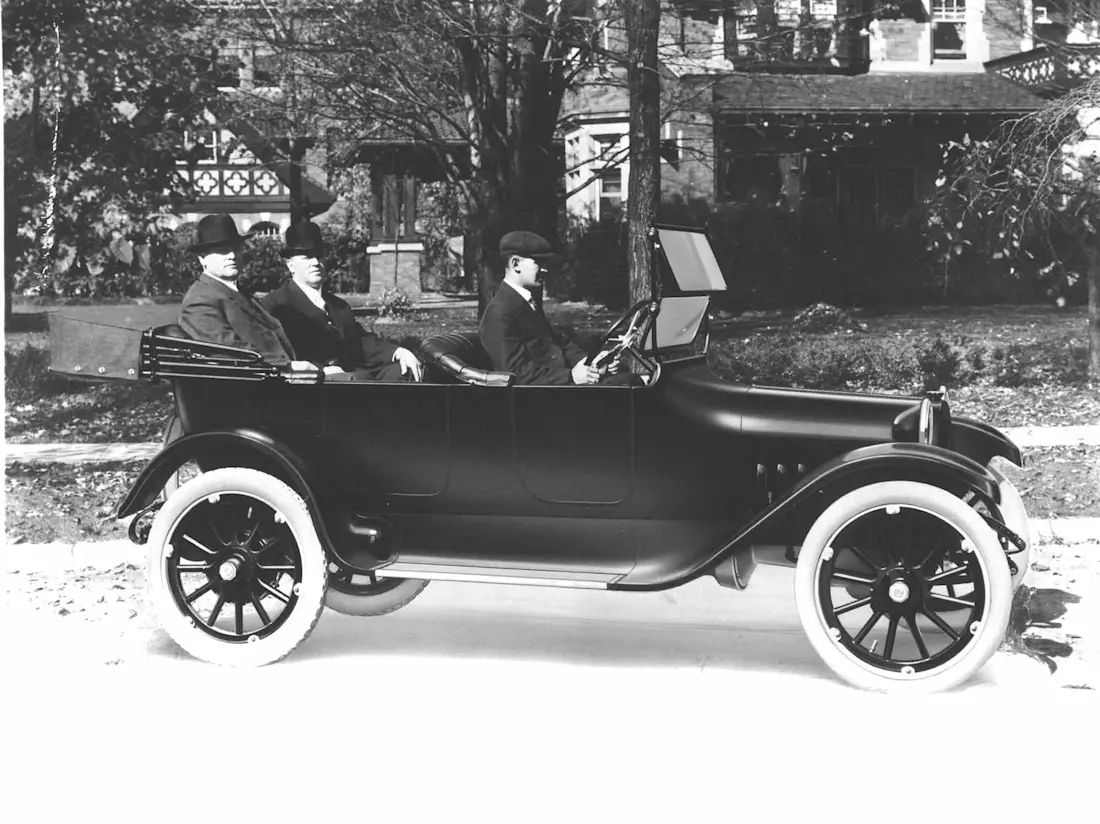
Brothers John and Horace Dodge were making bicycles when they were approached by auto companies to make components for them. Impressed by their work, Henry Ford offered a 10 per cent stake in his new company (yes, the third one!) to make engines for him. They also improved some of his designs, including a better rear axle; and when the Model T arrived, they were making almost all of the driveline, with Ford basically adding the body, seats, and wheels.
Business was so good that the brothers built a huge factory, eventually employing some 5,000 workers. But Ford wanted more control over his product, and so the Dodge brothers cashed out their Ford stock for capital to produce a car of their own. They built their first in November 1914, and a year later, Dodge was the third-best-selling brand in the U.S.
Automakers Supplied the Military in the Second World War

War requires a lot of supplies, and auto factories were ideal because they were already set up for mass production. Automakers produced some supplies for the First World War, but for the Second World War, those in Canada and the U.S. shut down civilian auto production in February 1942 to focus completely on that. They didn’t start up again until July 1945, building for the 1946 model year. There were no North American consumer cars for model years 1943, 1944, or 1945.
Almost all made a wide variety of supplies, including airplanes, tanks, and guns; and famously, three companies – Bantam, Ford, and Willys – made the Jeep. In their Canadian plants, Chrysler, Ford, and General Motors put together more than 815,000 military trucks for British and Canadian troops.
Ralph Nader’s Safety Crusade Helped Create NHTSA

In 1965, lawyer Ralph Nader published a book, Unsafe at Any Speed, in response to the high U.S. traffic fatality rate. He spread the blame equally across automakers, tire companies, insurance providers, road design, government agencies, and even how police reported crashes. The first chapter addressed the Chevrolet Corvair’s rear suspension, leading many to say Nader “killed” the car. In reality, the suspension had been redesigned before the book came out, and the Corvair was later discontinued when its sales lagged badly against Chevy’s popular new Chevelle.
The U.S. Congress subsequently scheduled hearings on vehicle safety, including testimony from Nader. In 1966, it passed the National Traffic and Motor Vehicle Safety Act, mandating vehicle safety standards, and then created the National Highway Traffic Safety Administration (NHTSA) to enforce them. That agency still does that today, of course, along with crash-testing and vehicle recall procedures, primarily thanks to “Nader the Crusader.”

All Articles
See all
AutoTrader Find of the Week: 1959 Mercedes-Benz 300 SL Has Transcended Being Just a Car
This classic is epically beautiful, exceptionally rare, and very, very expensive.
 Chris D’Alessandro

5 of the Coolest Chinese Cars From the 2026 Paris Motor Show
From hypercars to off-roaders, Chinese cars are bringing the heat.
 Chris Tsui

Own the Road with AutoTrader, Episode 116: Learn Something from these Impossible Car Questions
The answer to the meaning of life is simple by comparison to these questions.