
Slow Road Trip: Visit Southeastern Ontario’s Victorian Gems Just Off the 401
 Steven Bochenek


You’re forgiven if you didn’t know how pretty the communities along the St. Lawrence Seaway are. It’s Highway 401’s fault. From Napanee to Cornwall, Ont., these towns are generously peppered with pristine examples of classical revival architecture dating from colonial times, also known as Victoriana. However, these towns are an annoying extra five minutes off Highway 401, Canada’s Most Dangerous Boring Drive.
Like many harried drivers, I normally bypass these towns in less than two hours. But in late May 2026, barely a week after many provinces celebrated Victoria Day, I slow-travelled here over four days, exploring these Victorian gems. The following are some highlights and recommendations. But first, a little background. Why don’t we all know about these worthy travel destinations?
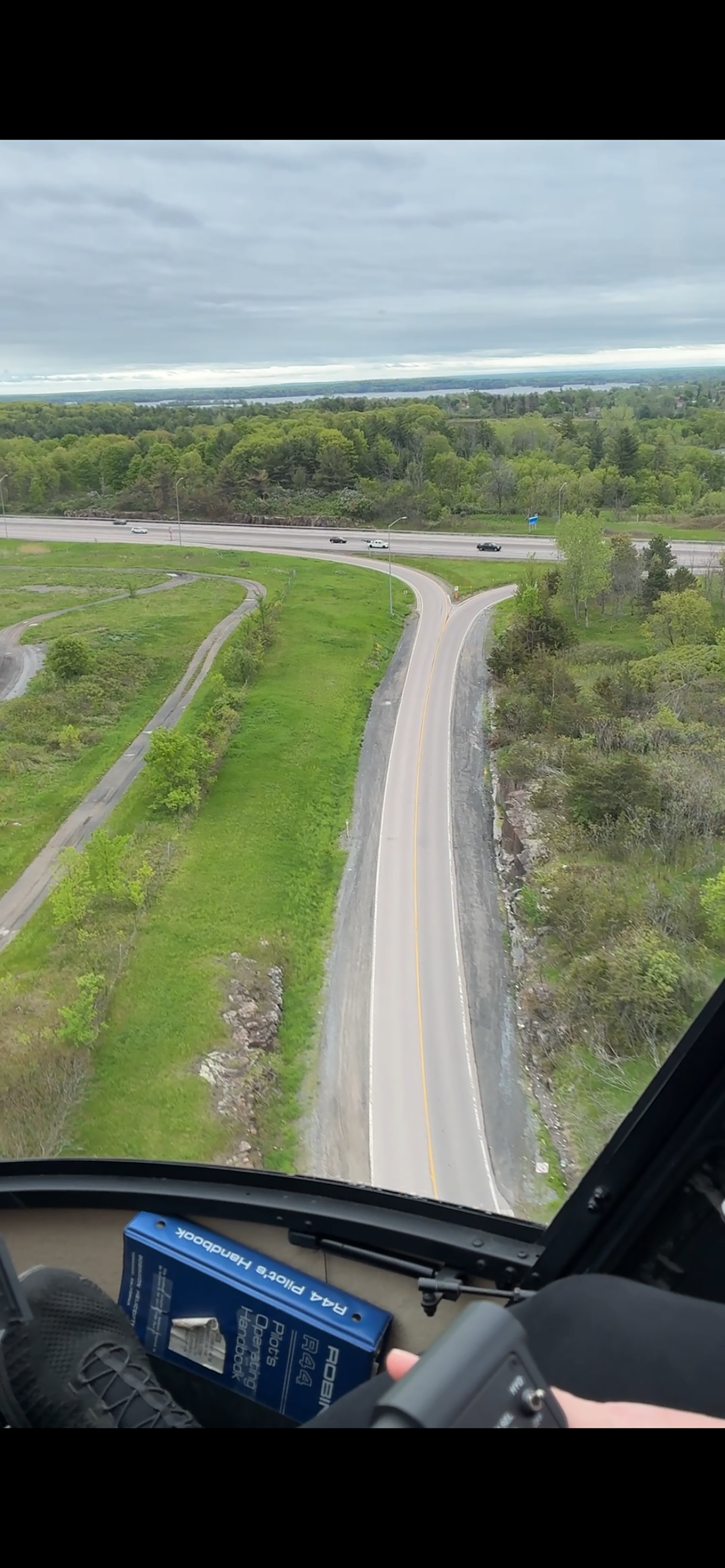
A poster child for postwar optimism, Ontario’s Highway 401 was built between 1947 and 1968. Its effects were profound. Suddenly, travellers between Toronto and Montreal could make that 550-km trip in six hours instead of the eight to 10 hours they were used to.
But those bypassed communities like Kingston, Gananoque, and Brockville suffered. Drivers now avoided these towns, spending no money there and instead gobbling and gassing up at those largely American drive-throughs, glomming around 401 exits and service centres like cholesterol in narrowing arteries.
So, for decades, these communities, largely spared the 1950s-to-’80s rip-down-and-rebuild-ugly orgy, have persevered, placidly waiting to be noticed and appreciated.
The first of my four-day journey into our past entailed a visit to Toyota Canada, 100 metres from the 401. Given the hunt for Victorian infrastructure, I borrowed an appropriately titled hybrid, the Crown Signia. Then, like a true citizen of 2026, I bombed 2½ hours down the 401 where I would begin practicing slow travel.
I lunched in Kingston with renowned historian Arthur Milne, who’s written books with prime ministers and hobnobbed with American presidents. Time flew as we nerded out over the War of 1812 in Kingston’s The Bank at Frontenac Club, a magnificent collection of 19th-century limestone buildings including, yes, a former bank. Then we went to view some of the 1812 byproducts still on display nearby.
Though Kingston’s town square is huge, an imposing neo-classical domed structure dwarfs everything nearby. Now the City Hall, this building was briefly the Parliament of Upper and Lower Canada, decades before Confederation. Why’d it change? Someone twigged that, hey, this Capital is awfully close to New York State. How close? A young John A. MacDonald could’ve swum there in minutes without spilling his drink, using just a couple of pool noodles.
Amid entire neighbourhoods of stone mansions and charming ginger brick homes, other noteworthy old structures include the terrifying men’s and women’s penitentiaries. If such a thing as haunting exists, these imposing demonstrations of overwhelming government power must rate highly.
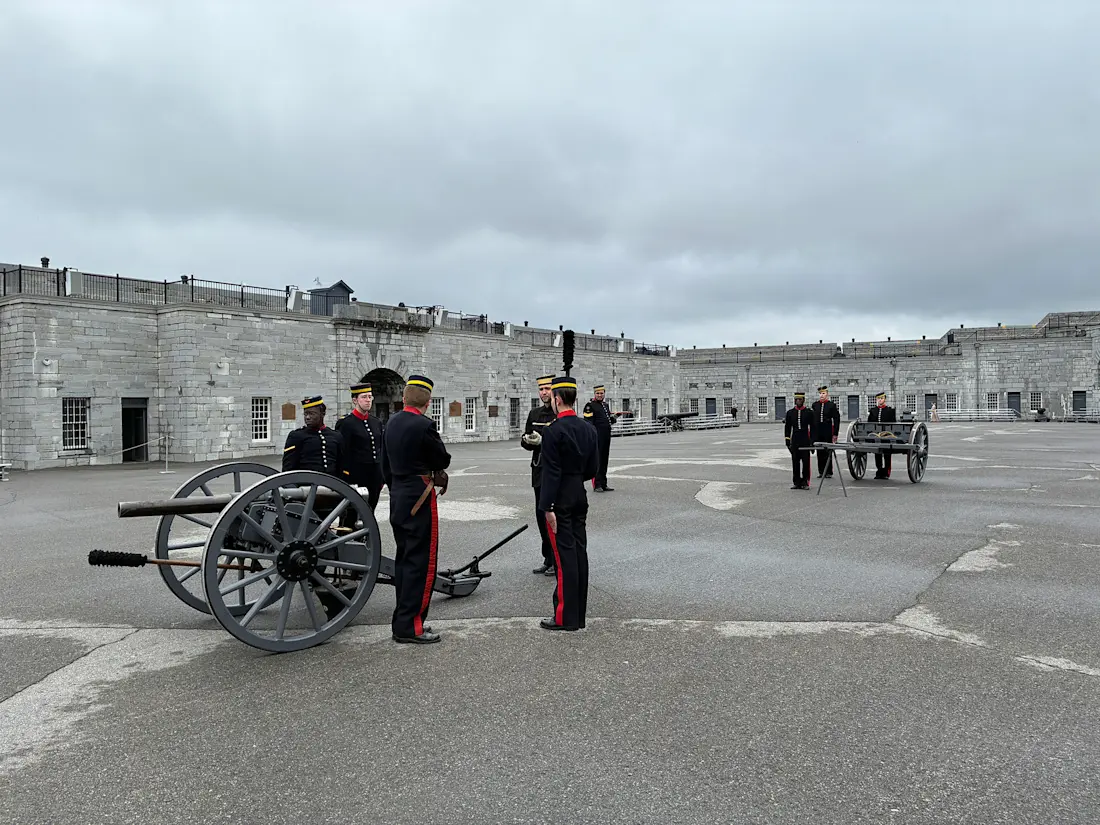
But even more imposing? Fort Henry and four surviving Martello Towers, hardy stone defences built to keep this imperial outpost safe from Uncle Sam. (See above re: pool noodles.) All are so easily defensible from the inside that any attacking proto-GI Joes would’ve been wise to confess their sins right before fixing bayonets and charging.
About 50 km north of Kingston lies Westport. This paradise of cottage country hugs the Rideau Canal, a UNESCO Heritage Site that’s free for visitors to explore. Maximizing the lie of the land and minimizing hard construction, the Rideau Canal’s Victorian builders simply plugged or connected bits of existing lakes and rivers by locks much of the way between Ottawa and Kingston.
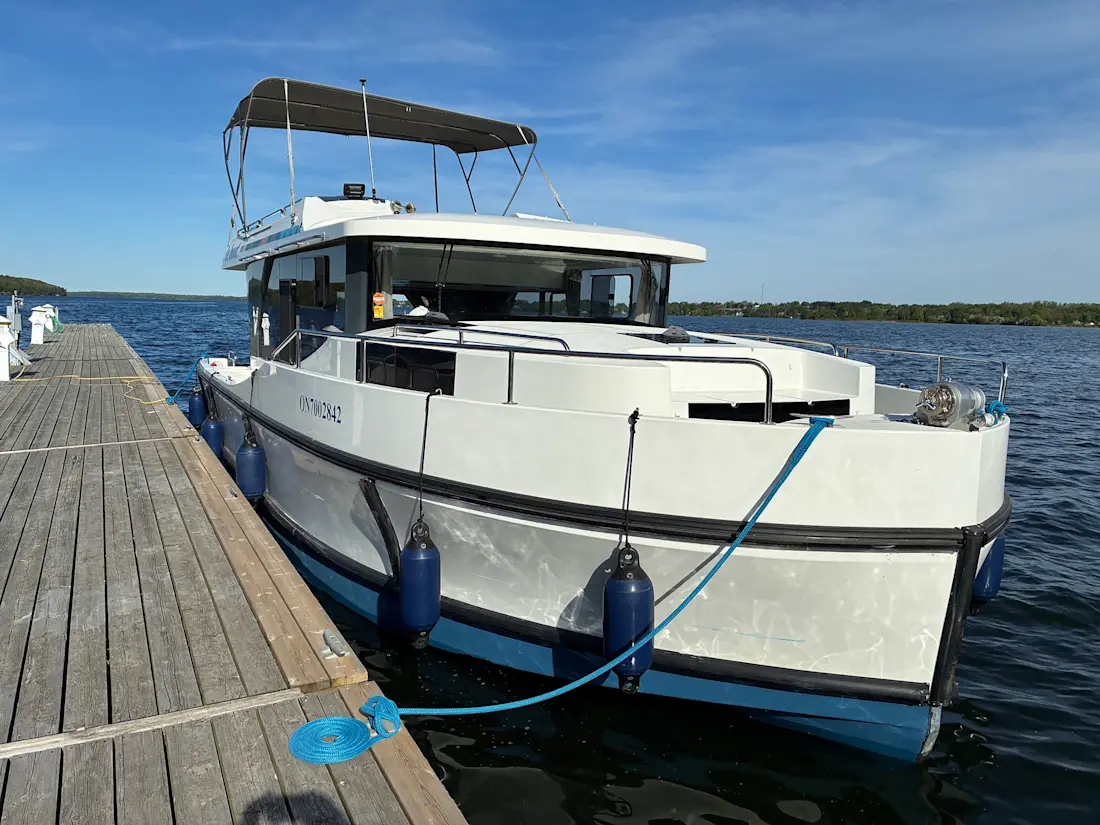
So, most of the time, you wouldn’t know you’re technically in a canal. You can travel any distance at date-appropriate slowness aboard a modern canal vessel called Le Boat, an antidote to the fever of modern travel. I slept on one that first night at Westport’s dock, a canny alternative to expensive country inns.
One last point about Westport: Given this publication, it’d be a shame not to mention the town’s annual auto show on July 18 this year. Now, back to the past.
The country drive from Westport to Brockville winds leisurely around lakes and up and down gently sloping hills. So many of the drives around here are to die for, unlike the 401, which you’re more likely to die on. Built around dams and mills on rivers, most villages and towns are picturesquely preserved like romantic turn-of-the-last-century postcards. We modern explorers can thank the 401 for that; its sheer convenience outshines any other reason to take other routes.
The building of the capacious St. Lawrence Seaway coincided with Highway 401’s mega-project. A world-famous undertaking, the Seaway required the complete flooding of 10 small riverside communities. Just to rub it in, the flooding commenced on Canada Day, 1958. Fortunately, someone had the foresight to spare many of the drowned towns’ buildings, dismantling them and replanting them at outdoor museums such as Upper Canada Village and the Lost Villages.
Upper Canada Village is worth a visit if you’re curious what life was like 150 years ago or have kids: admission includes a 10-minute horse-drawn float down a canal and, just outside the entrance, there’s a miniature train that toots back and forth along a mile of noisy track.
This tourist site’s attempt to recreate the past is admirable. Except for the deeply unsafe stuff, it’s a fully functioning Victorian town. Artisan employees dress in period costume made by the town sewists from wool shorn from the on-site penned sheep and then processed in the working woollens factory powered by the mill. The unsafe stuff? Well, the wool factory’s industrial-sized weaving loom thankfully doesn’t employ 7-year-old waifs to grease the wheels, but it is otherwise fascinating in its authenticity.
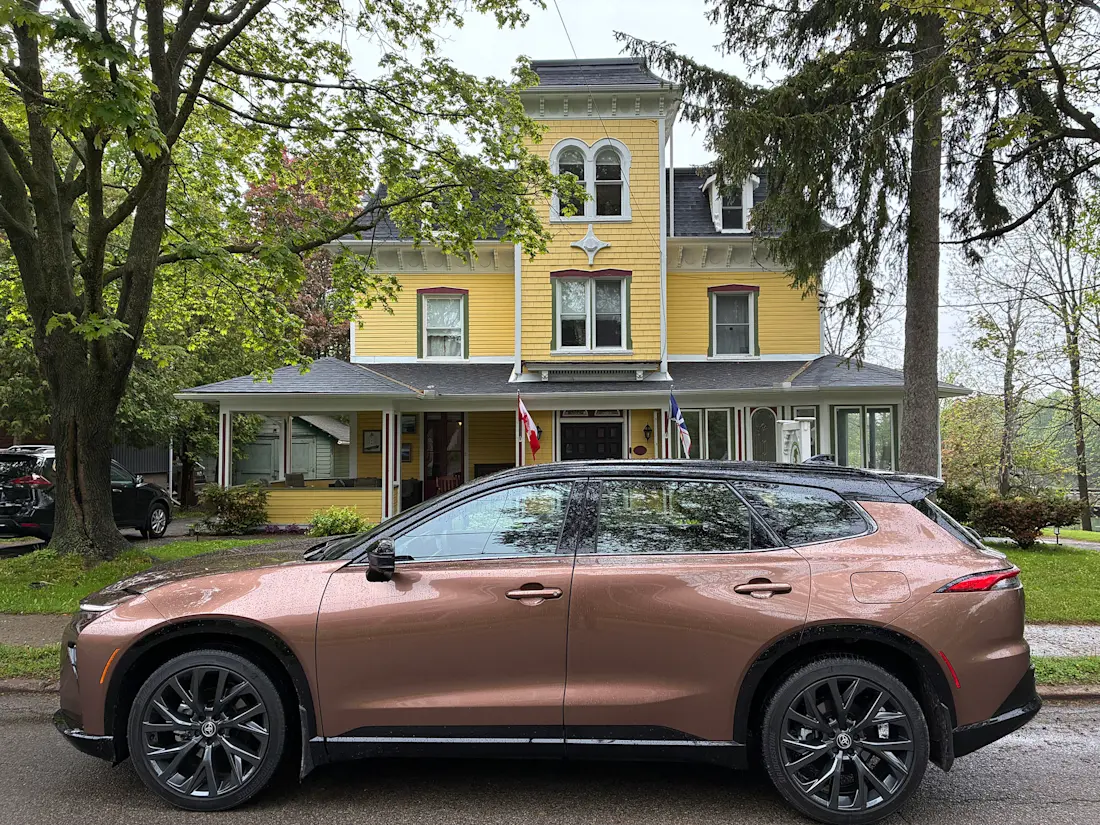
Of course, if you prefer your history less distilled, you can easily find adorable but vital buildings throughout the remaining unflooded towns between Belleville and Cornwall. Still utterly relevant, the main street structures could contain anything from cafés and tattoo shops to vape mongers and politicians’ retail outlets. And of course, families! People live here. It’s like these dreamy towns are continually but unconsciously auditioning for Hallmark movies simply by existing. They’re so pretty.
Mind, Gananoque’s gone full steam for your tourism business. Pretty churches, old pubs and inns covered in bunting openly flaunt their Victorian style. Not that there aren’t other contributors to Gananoque’s economy, but the town is keen to remind visitors that this is the gateway to the Thousand Islands.
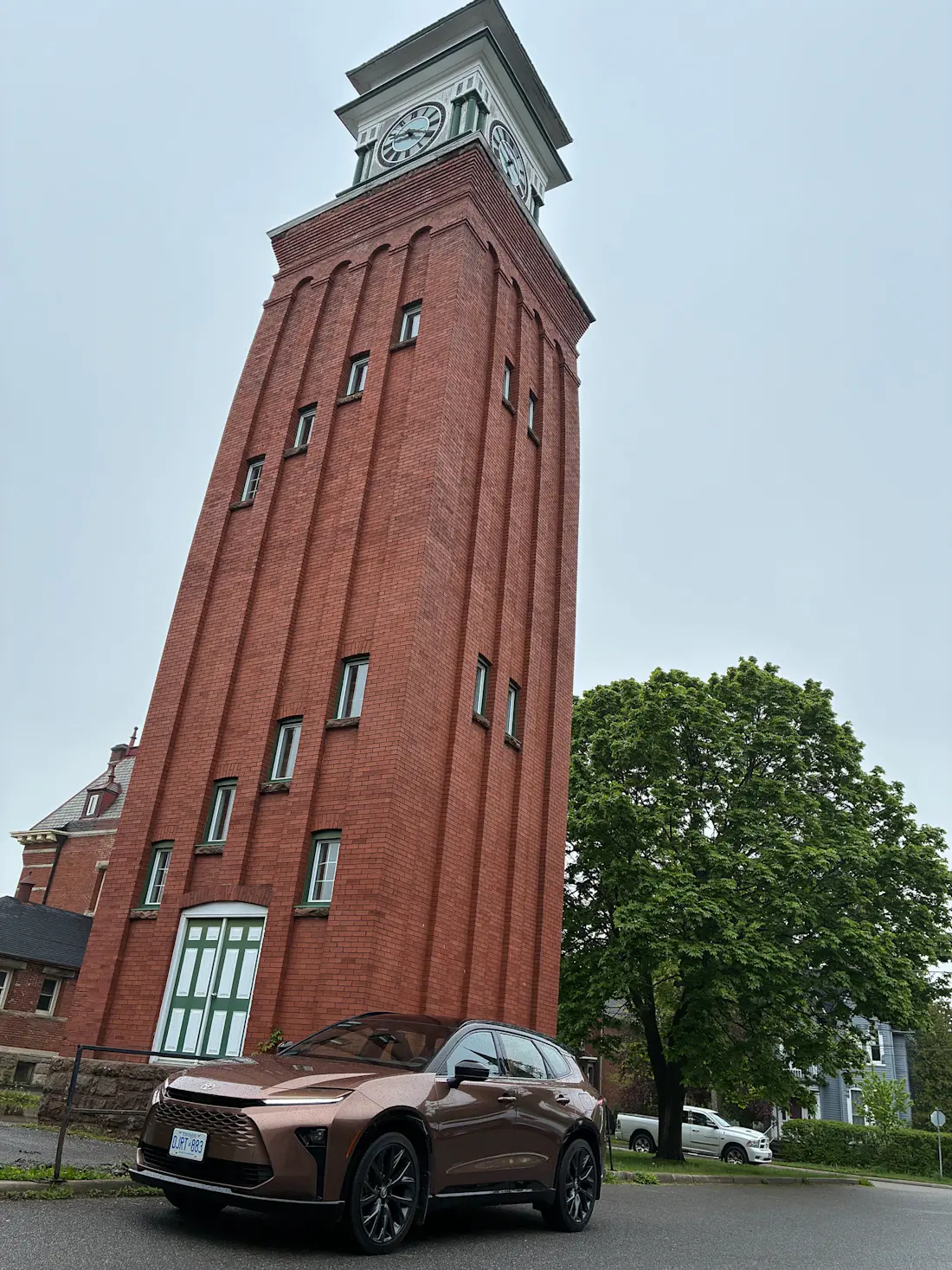
A camper’s dream getaway, the Thousand Islands region is also a history nerd’s heaven. People have been building and trading here for centuries. And holidaying nearly as long.
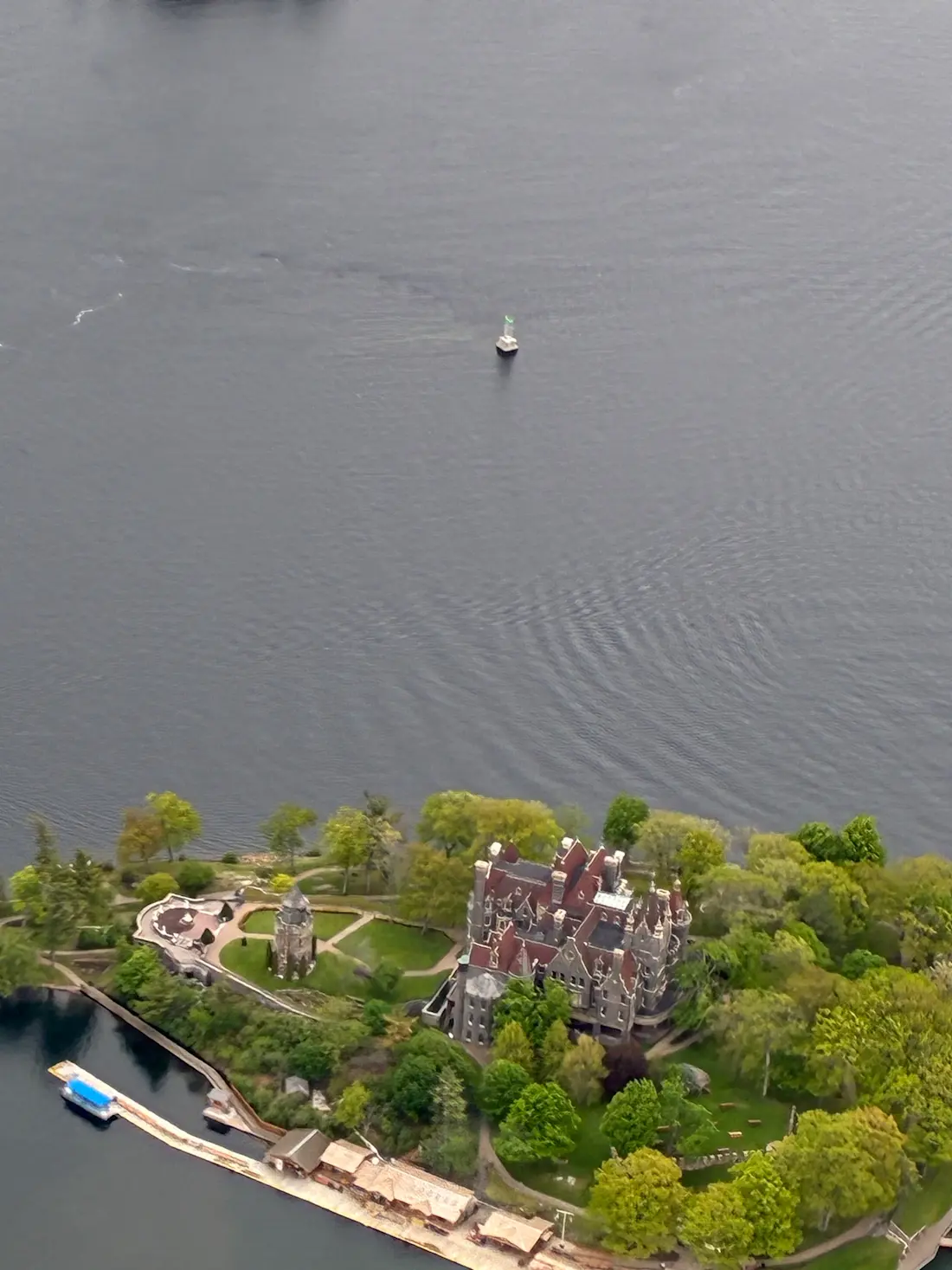
American plutocrats from the Gilded Age built castles on private islands. Visible from a hired helicopter ride or boat, these castles are brazen. (Just be careful you don’t cross the Canada/U.S. border.) For example, built by the owner of the Waldorf-Astoria Hotel, the 120-room Boldt Castle even includes a nearby folly.
Imagine being so rich that you build a fake ruin.
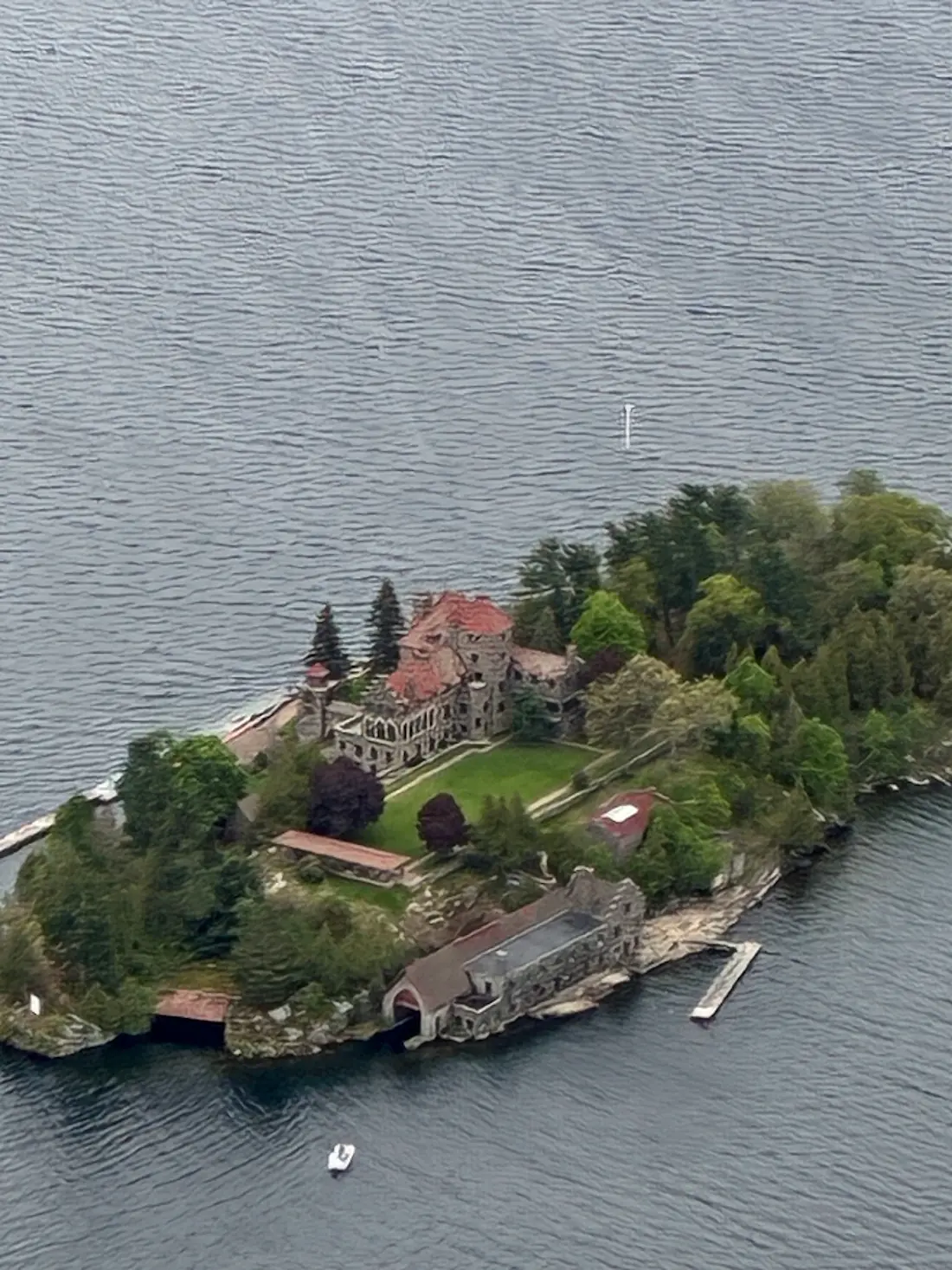
Not far down river, the elegant centre of Brockville shows its best side at this time of year. Flanked by abundant blocks full of colonial Victoriana, the town cenotaph footing the courthouse hill is awash with bright flowers in spring. Nearby streets are consistently grand, even if several houses need a lick of paint and handy TLC. This isn’t some outdoor museum, just a living postcard.
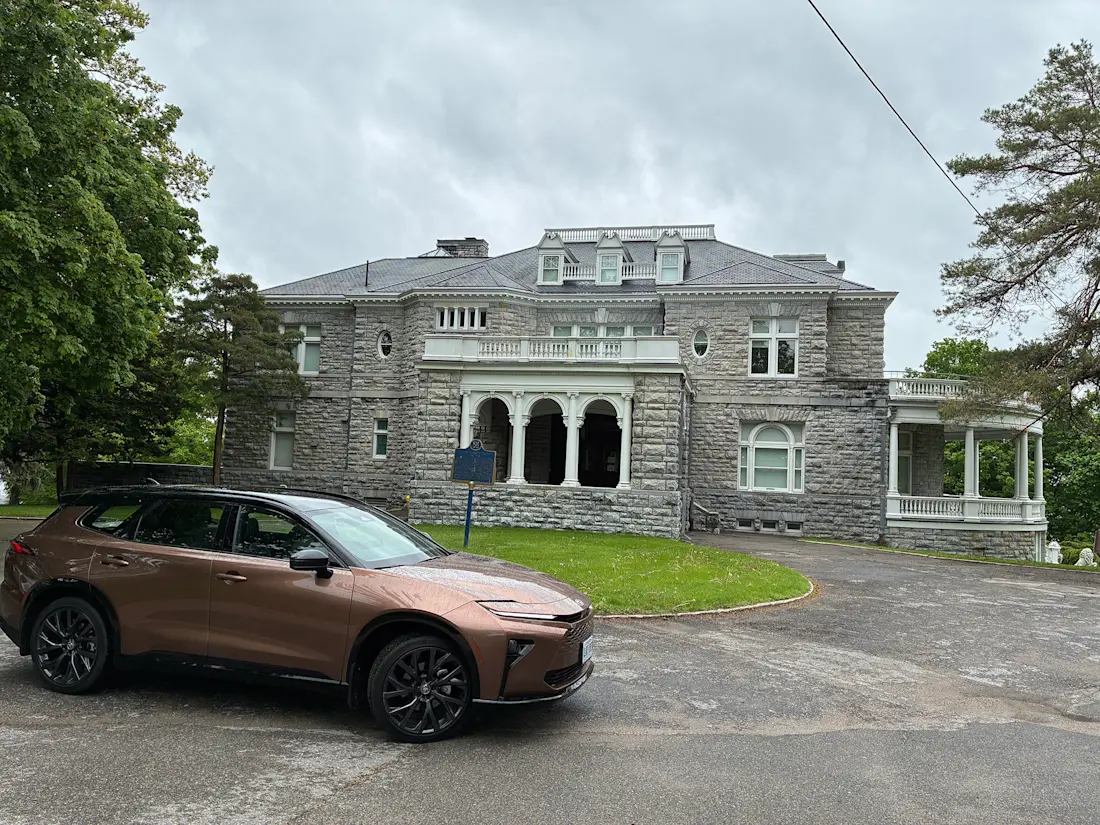
While in Brockville, set aside an hour to visit Fulford Place, an aristocratic estate whose builder amassed a multi-generational fortune selling pills of questionable efficacy. The mansion was donated to the public in the 1990s, with its original furniture and art almost exactly as they were a century ago. Another fun auto fact: The pill-hustler-cum-political-power-broker George Fulford was the first Canadian known to die in a car collision. In 1905, his chauffeur sideswiped a streetcar in Boston decades before the 401 was a twinkle in the government’s bank account.
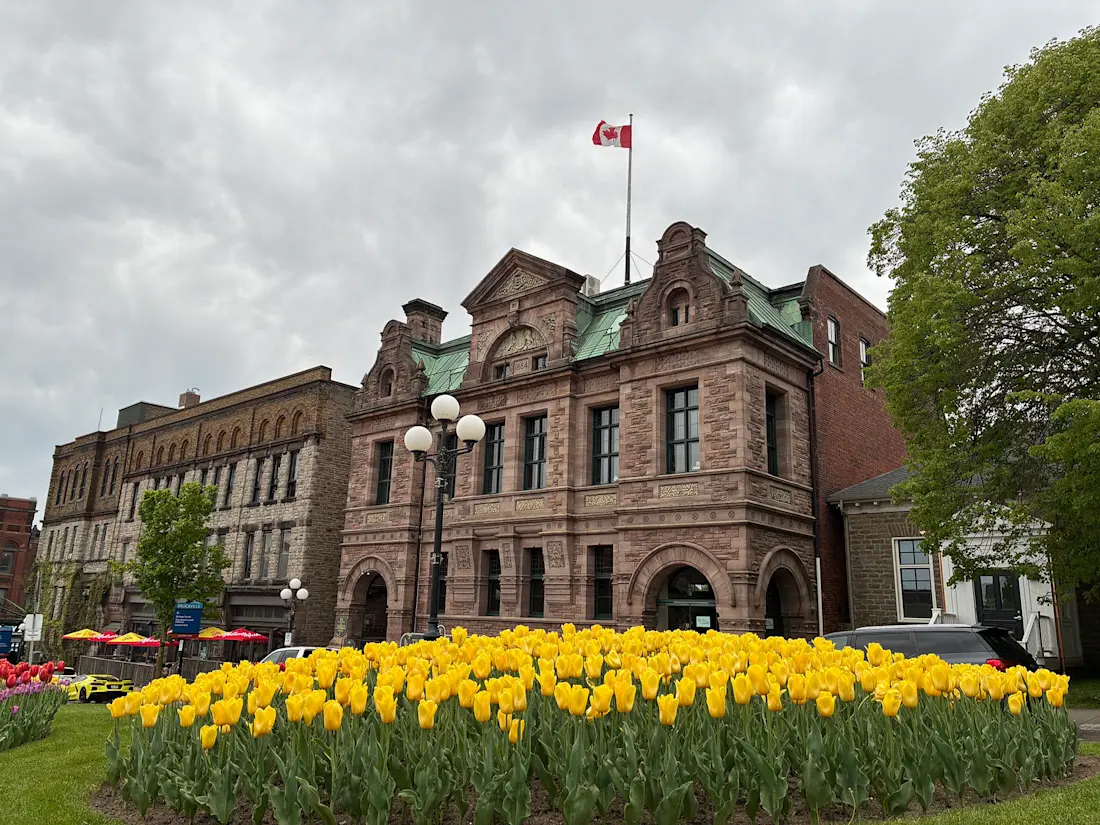
King Street, Brockville’s main thoroughfare, is also Highway 2, the same stretch of road that extends from Windsor (a.k.a. South Detroit) 800 km to the Quebec border. In Toronto, Brockville’s King Street is called Kingston Road for a more obvious reason than you may think. You follow it to Kingston. But it could as easily have been called Brockville Road or Cornwall Road. Tootle along Highway 2 from town to town for a decent idea what the province looked like a century ago.
No doubt, the creation of the 401 stunted the growth of towns like Brockville, but that’s bound to become an advantage soon. In fact, here’s a real estate tip: Brockville and towns nearby are due for a massive influx of retirees and holidaymakers. Seven decades on, the postwar optimism is fading and this summer, many Canadians are choosing to explore Canada. Consider this historic region off the 401.
Epilogue: On the final of my four-day getaway, I’m scheduled to drive Highway 2 through Napanee over to Prince Edward County via the picturesque Glenora Ferry. I’ll meet my sister at a brew pub in the newly teeming town of Picton. Teeming? For decades, this county went as unnoticed as where we’ve just passed four days. That is until it was “discovered” in the ‘90s by weekenders from Montreal and Toronto. Unlike just those few kilometres east, there’s significant out-of-town traffic here year-round.
Back in Kingston, my map app shows a 30-minute time savings if I drive the longer route on the 401. Would I rather have 60 minutes of ick versus 90 minutes of pretty? The decision makes itself and slow travel loses. Embarrassed, I join the 401 in Kingston and open up the Toyota Crown Signia. Its four-cylinder engine isn’t heroic by modern standards, but it’s indescribably more powerful than a canal tow-horse or some chauffeured roadster from 1905.
Photos by Steven Bochenek

All Articles
See all
Chevrolet Trax AWD Guide: Winter Capability, Fuel Economy and Ownership Costs
Compare the Chevrolet Trax AWD real-world fuel and energy use, official ratings and expected running costs for Canadian drivers.

Road Trip: Driving Across Europe in a BMW M3 Competition
Overbuilt and immensely capable, I raced through Europe in an M3 as my teenage son slept.
 Jeff Wilson

Road Trip: 1812 or 2026? Summer Joy and Some Alarm in Quebec’s Eastern Townships
Warning: From politics to fresh peas, the following story flits like the attention of a relaxed city boy floating around a finger lake.
Steven Bochenek